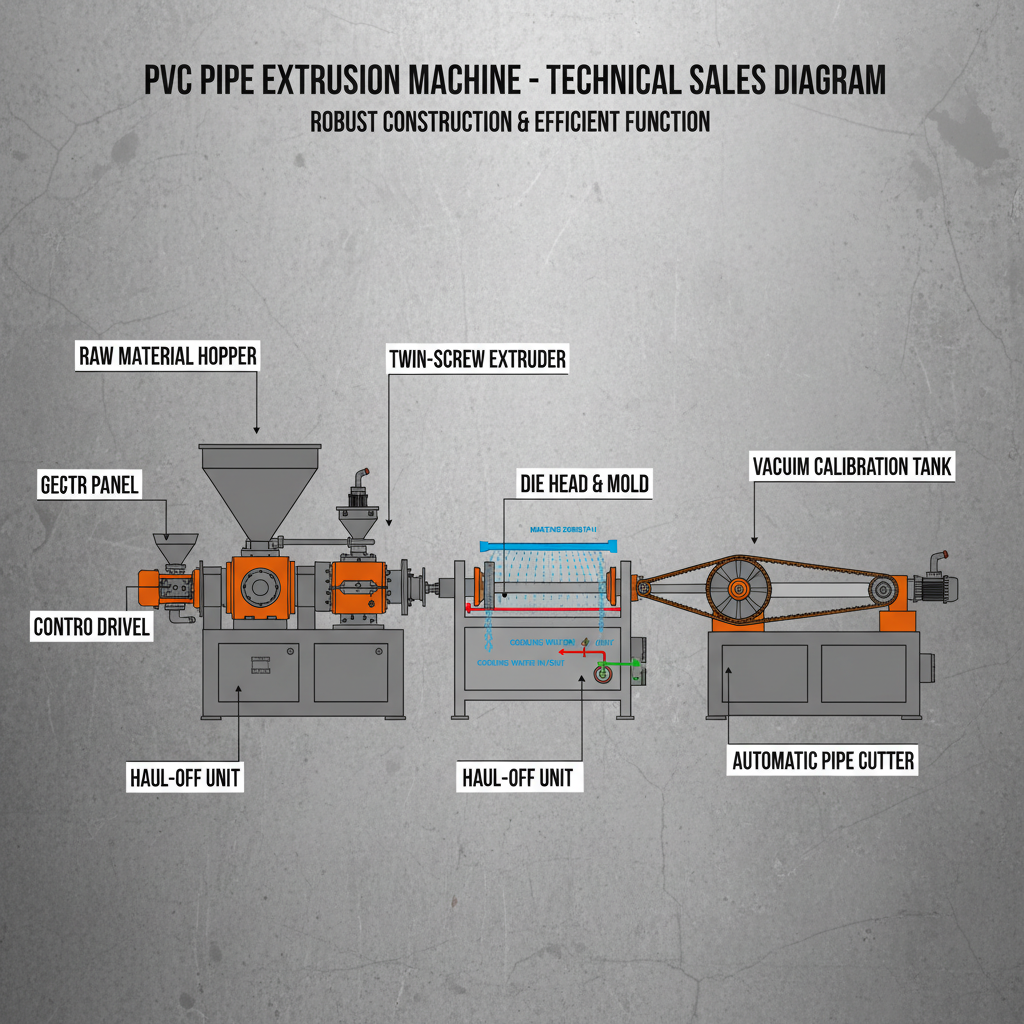
Look, I've been running around construction sites for fifteen years, getting my hands dirty with everything from rebar to reinforced concrete. And lately? Everybody’s talking about automated pipe manufacturing machines. Seriously, every trade show, every factory visit... it's all anyone wants to discuss. It's not just about speed anymore, though, is it? It's about consistency, reducing waste… things owners are really starting to care about. You wouldn’t believe the amount of perfectly good pipe just tossed because of a tiny defect.
To be honest, it’s a bit of a gold rush right now, everyone scrambling to get a piece of the automation pie. And that's where things get tricky. I’ve seen too many designs that look amazing on paper, fancy simulations and all, but fall apart the minute you put them in a real-world environment. Like, a really dusty, hot, and relentlessly demanding environment.
The biggest problem? Over-engineering. People forget that these machines aren’t going into a lab, they’re going onto construction sites. And construction sites… well, they’re chaos. They're full of unexpected things happening.
The Current Landscape of Pipe Manufacturing Machines
Honestly, what’s trending now is a move towards modularity. People want machines they can easily adapt to different pipe sizes and materials. And there's a big push for integrating AI-powered quality control systems – cameras and sensors everywhere, trying to catch even the tiniest flaws. It’s expensive, sure, but the cost of a failure can be way higher. I saw a project in Shanghai last year where a bad weld caused a major leak… delayed everything by months.
It’s not just about the big companies either. There’s a whole wave of smaller firms popping up, focusing on niche applications. Like machines specifically for producing micro-bore tubing for medical devices, or heavy-duty machines for offshore oil pipelines. The competition is fierce.
Common Design Pitfalls in Pipe Manufacturing Automation
Have you noticed how many machines have these ridiculously complicated interfaces? Engineers love bells and whistles, but the guys actually running these things? They want something simple, intuitive. Too many buttons, too many menus… it just leads to mistakes. I encountered this at a factory in Italy last time, the operator spent ten minutes just trying to adjust the cutting speed. Ten minutes!
Another one is neglecting maintenance access. These machines will break down. Gears will wear, belts will snap. You need to be able to get in there and fix things easily. I've seen machines where you practically need a contortionist to reach a critical component.
And strangley enough, a lot of designers seem to underestimate the impact of vibration. These machines generate a lot of it, and if it's not properly dampened, it can lead to premature wear and tear, and eventually, catastrophic failure.
Materials Matter: Beyond the Specification Sheet
You know, it’s not just about the steel grade or the plastic polymer. It's about how the material feels. Good steel… it’s got a weight to it, a solidity. Cheap steel feels… hollow. And the plastic? You can smell the difference between a high-quality polymer and a recycled one. Seriously. We’ve had issues with some of the lower-grade plastics becoming brittle in extreme temperatures.
The cutting tools are crucial, too. Carbide inserts are great, but they need to be the right grade for the material you’re cutting. And they need to be sharp. A dull insert will just tear the material, leaving a rough edge. We found a supplier in Taiwan who makes unbelievably durable inserts - saved us a ton of money on replacements.
And the lubricants! Don’t underestimate the importance of a good cutting fluid. It keeps the tool cool, reduces friction, and helps to flush away chips. I once saw a machine seize up because the operator used the wrong lubricant. A complete disaster.
Real-World Testing and Durability
Lab tests are fine, but they don't tell the whole story. You need to put these machines through real-world scenarios. We do a lot of testing at construction sites – literally running the machines 24/7, in all kinds of weather conditions. Dust, rain, extreme heat… you name it.
We also do pressure testing, of course. But we don't just test the pipes to their maximum rated pressure. We push them beyond that, to see where they actually fail. And we analyze the failure points – is it a weld, a material defect, a design flaw?
Pipe Manufacturing Machine Component Reliability
How Pipe Manufacturing Machines are Actually Used
You know, it's rarely as clean as the sales brochures show. I’ve seen operators bypassing safety features just to get the job done faster. And I've seen machines being used for materials they weren't designed for. Like, someone trying to cut a super-thick wall pipe with a machine meant for thin-walled tubing. It's just asking for trouble.
And the maintenance logs? Often incomplete or non-existent. People just don't want to spend the time filling them out, but it’s crucial for identifying potential problems before they become major issues.
Advantages and Disadvantages of Automated Pipe Production
Look, the advantages are obvious: speed, consistency, reduced labor costs. But there are downsides. These machines aren't cheap. And they require skilled operators and technicians. And, as I said, they can be complex to maintain. They aren't some magical bulletproof solution.
I’ve seen cases where a company invested in a fancy automated machine, but didn’t train their operators properly. The result? The machine sat idle for months, costing them a fortune. It's really about striking a balance.
Anyway, I think the biggest win is just reducing the amount of physically demanding labor. Welding, cutting… it’s hard work. And automating those tasks can improve worker safety and reduce fatigue.
Customization Options and Practical Applications
Most manufacturers will offer some level of customization. Like, last month, that small boss in Shenzhen who makes smart home devices insisted on changing the interface to for all the control connections – he said his whole shop was moving to a single connector type. It created a real headache for the integration team, but they got it done. And it made him happy, which is what matters.
You can also customize the cutting tools, the welding parameters, the material handling system… pretty much anything. But be careful. Every modification adds complexity and potential points of failure.
You can adapt the machines for anything from small-diameter medical tubing to large-diameter industrial pipelines. It's incredibly versatile, but you need to understand the limitations.
Summary of Key Machine Customization Parameters
| Customization Parameter |
Complexity Level (1-5) |
Cost Impact (Low/Medium/High) |
Maintenance Difficulty (Easy/Moderate/Hard) |
| Cutting Tool Material |
3 |
Medium |
Moderate |
| Welding Parameters (Voltage, Amperage) |
2 |
Low |
Easy |
| Material Feeding System Capacity |
4 |
High |
Hard |
| Interface Type (USB, Ethernet, ) |
2 |
Low |
Easy |
| Pipe Diameter Range |
5 |
High |
Hard |
| Cooling System Type |
3 |
Medium |
Moderate |
FAQS
That depends heavily on your production volume, material costs, and labor rates. But generally, you're looking at a payback period of 2-5 years for a well-chosen machine. It’s not just about the initial investment, it’s about the long-term savings in labor and waste reduction. A smaller operation, producing specialty pipes, might see a quicker return than a large-scale infrastructure project. Factor in downtime for maintenance, too - unexpected repairs can really eat into your profits.
It varies a lot. Some machines are designed for a single material, like steel or PVC. Others are more versatile, but switching materials often requires changing cutting tools, welding parameters, and even the feeding system. It’s not always a quick process. You need to thoroughly clean the machine between materials to avoid contamination. Contamination can lead to defects and reduced pipe quality. Proper training for operators is critical.
These aren’t “set it and forget it” machines. You'll need regular maintenance – lubrication, filter changes, inspection of wear parts. Daily checks are vital. Beyond that, expect more in-depth maintenance every few months, like replacing belts, cleaning sensors, and calibrating the control system. I always recommend having a qualified technician on staff or a service contract with the manufacturer. Ignoring maintenance leads to breakdowns and costly repairs.
Emergency stop buttons are non-negotiable. Guards and shields to protect operators from moving parts are critical. Lockout/tagout procedures for maintenance are absolutely necessary. Proper ventilation to remove fumes and dust is also important. And don't forget about noise levels - these machines can be loud, so hearing protection is a must. Operators need to be thoroughly trained on all safety procedures.
Generally, yes, but it's not always seamless. Most modern machines have communication protocols like Ethernet/IP or Modbus TCP that allow them to be connected to a central control system. However, you may need to invest in additional software and hardware to ensure compatibility. It’s crucial to involve an experienced automation engineer in the integration process to avoid headaches.
Buying based on price alone. It's tempting to go with the cheapest option, but you often get what you pay for. A poorly built machine will end up costing you more in the long run due to downtime, repairs, and reduced output. It’s far better to invest in a quality machine from a reputable manufacturer, even if it means paying a bit more upfront. You need to consider the total cost of ownership, not just the initial price.
Conclusion
Ultimately, these automated pipe manufacturing machines offer significant advantages in terms of speed, consistency, and reduced labor costs. But they're not a magic bullet. Success depends on careful planning, proper training, and ongoing maintenance. It's about finding the right machine for your specific needs and operating it effectively.
And at the end of the day, whether this thing works or not, the worker will know the moment he tightens the screw. If the pipe fits, if the weld holds, if the material feels right... that's when you know you've got a good machine. And that’s what really matters.