
PVC Extrusion Line: A Comprehensive Guide
The demand for PVC products is constantly growing, spanning numerous industries from construction to healthcare. A PVC extrusion line is the core of producing these versatile materials. This article provides a detailed overview of PVC extrusion lines, their components, applications, and factors to consider when selecting the right system for your business. We will cover the key aspects to help you understand this important manufacturing process and ensure a successful investment. Choosing the correct equipment can dramatically impact production efficiency and product quality.
Understanding the Components of a PVC Extrusion Line
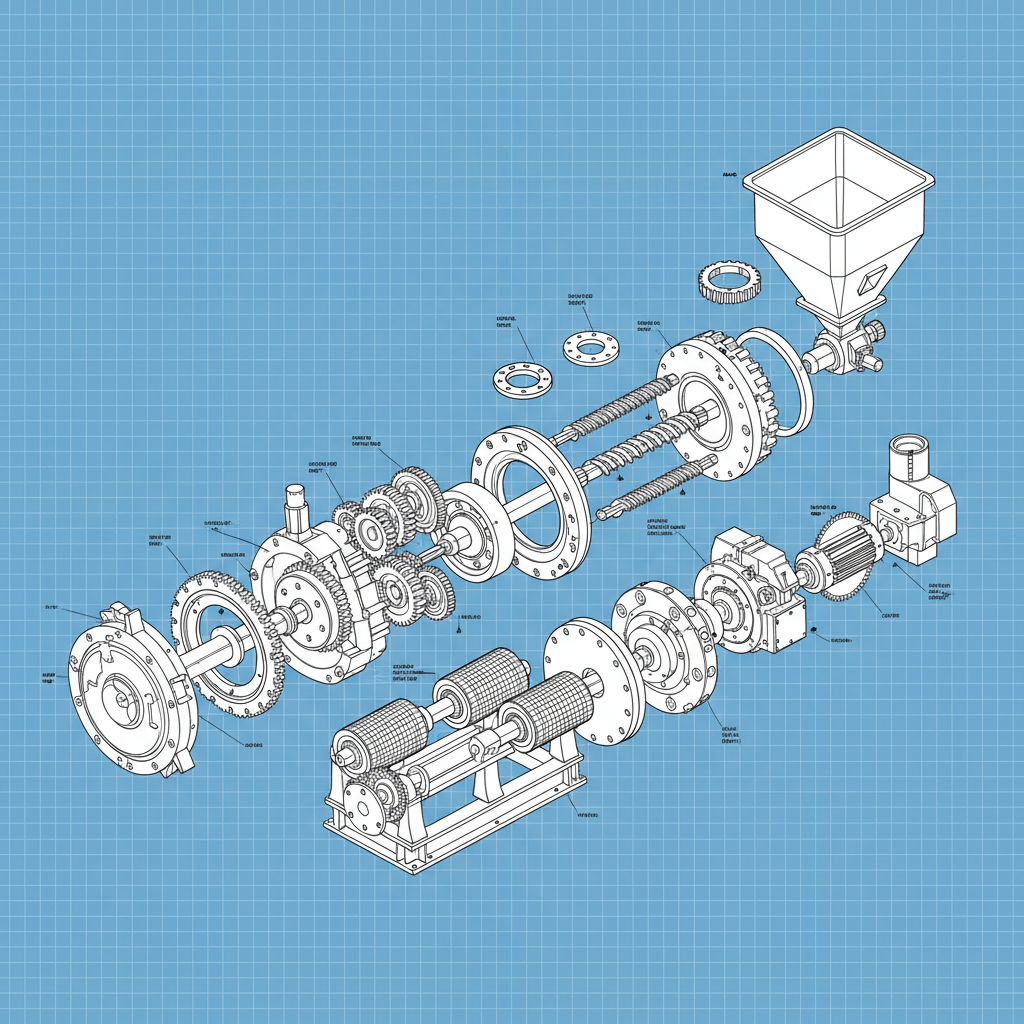
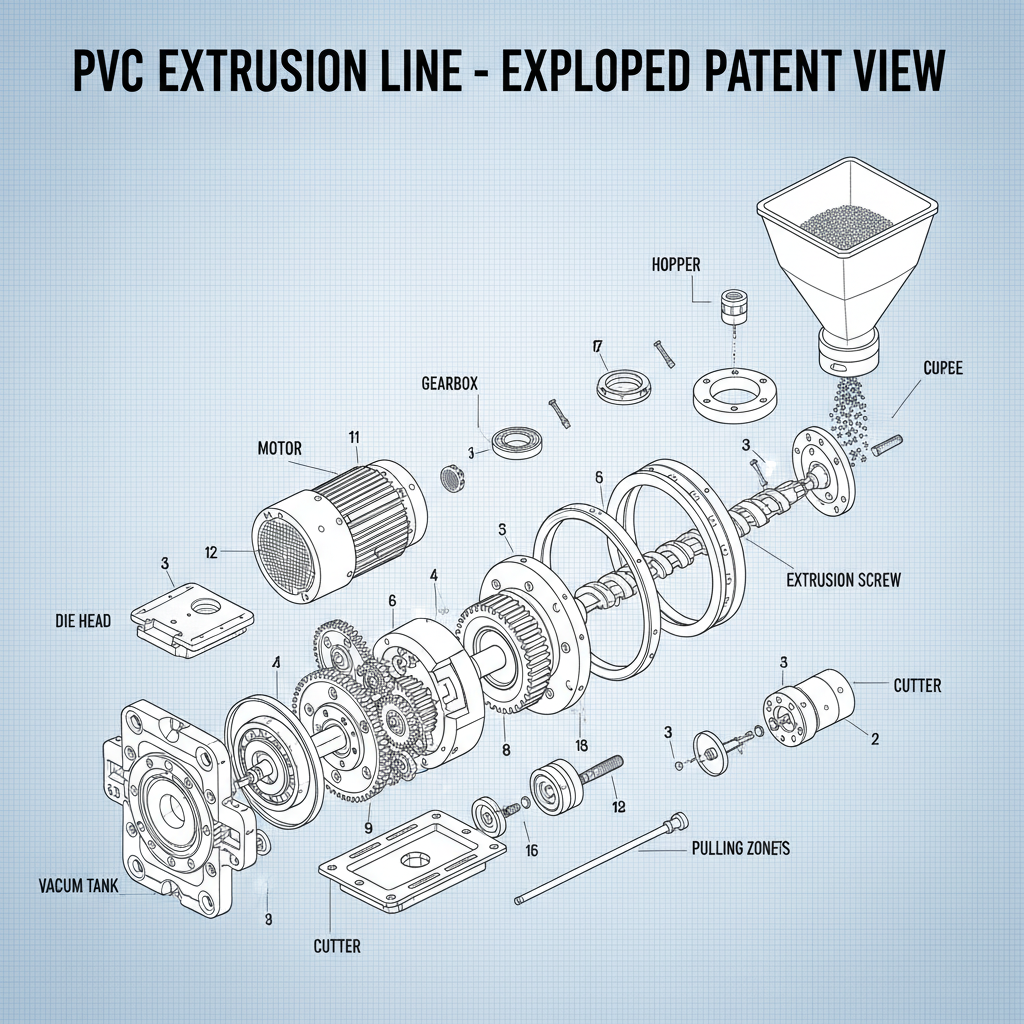
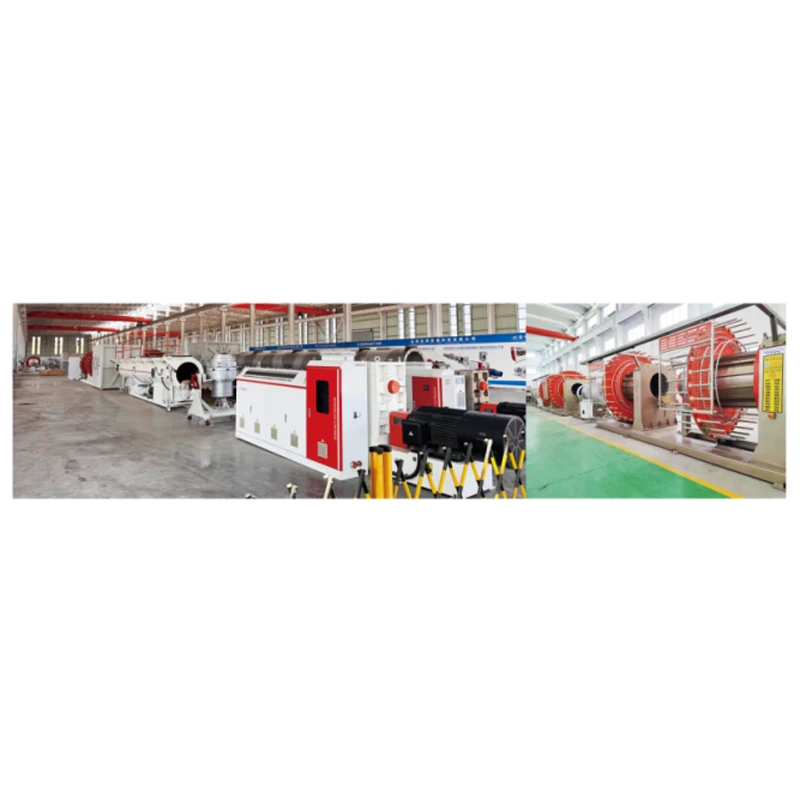
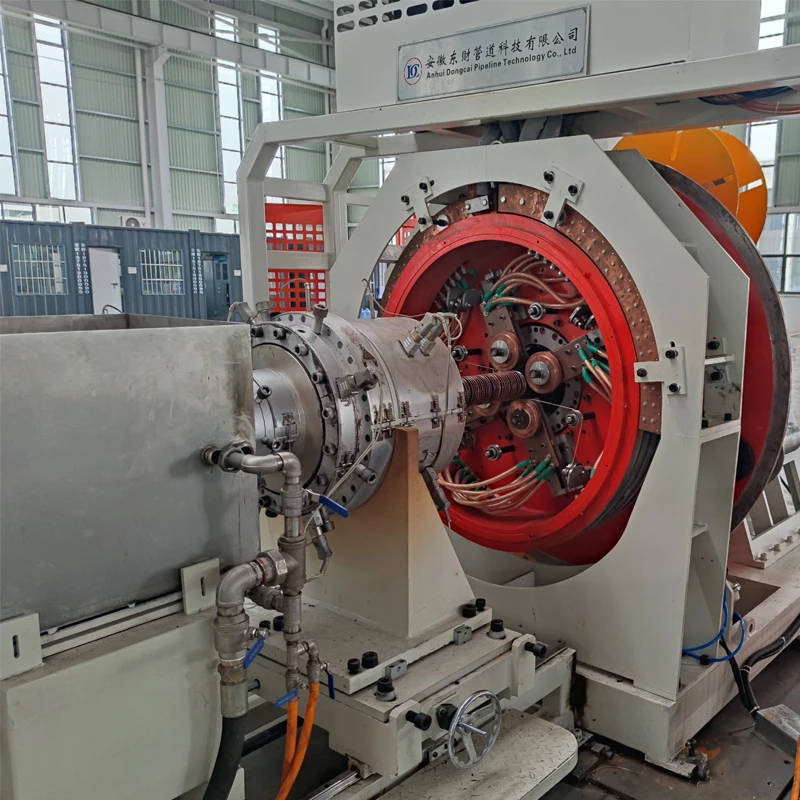
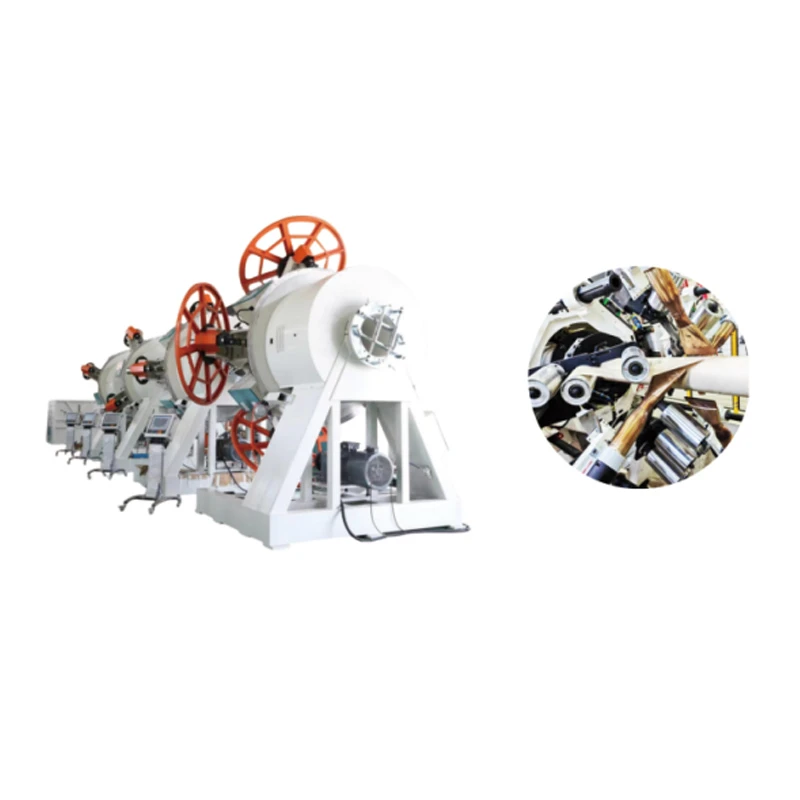
A complete PVC extrusion line consists of several key components working in harmony. The process begins with raw PVC material fed into a twin-screw extruder, where it's heated, melted, and homogenized. This molten PVC then passes through a die, shaping it into the desired profile. Following the die, a cooling system – typically water tanks – solidifies the extruded profile. A haul-off unit then pulls the profile at a controlled speed, ensuring consistent dimensions. Finally, a cutting machine precisely cuts the profile to the required lengths. Each component plays a vital role in ensuring a consistent, high-quality finished product. The AHDC11 PVC extrusion lines are designed for optimal performance and reliability.
Key Highlights: A PVC extrusion line transforms raw PVC into a variety of shapes and sizes, essential for diverse applications. Accurate temperature control and precise die design are critical for product quality.
Applications of PVC Extrusion: A Diverse Range
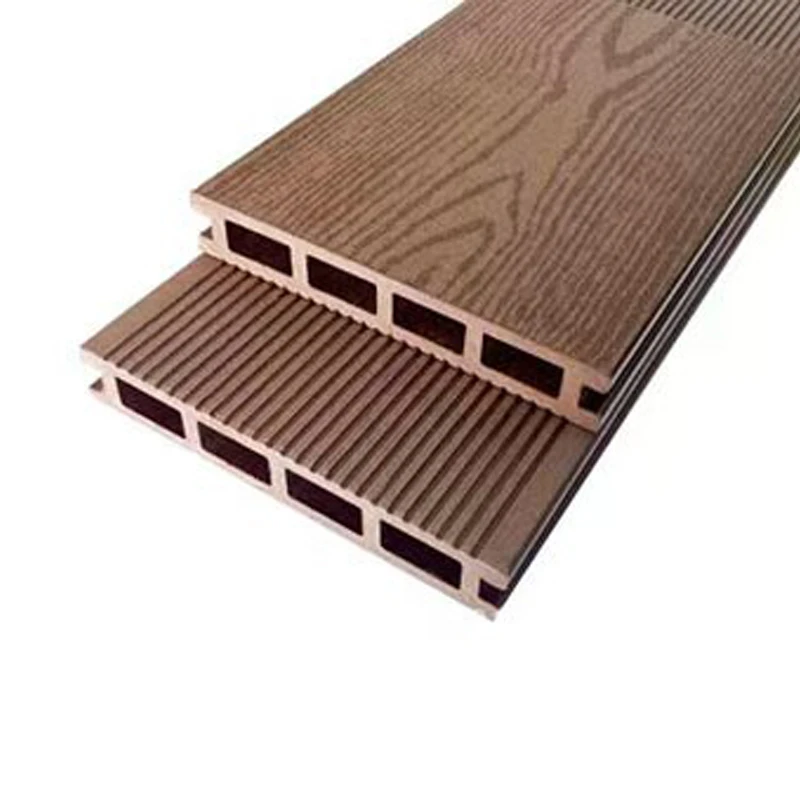
PVC extrusion finds application in a broad spectrum of industries. In construction, it’s used for manufacturing PVC pipes, window and door profiles, and siding. The automotive sector utilizes PVC for interior trim and wiring insulation. The healthcare industry relies on PVC for medical tubing and bags. Packaging, furniture, and electrical conduits are also common applications. The versatility of PVC, coupled with the efficiency of extrusion, makes it a favored material across these sectors.
Common PVC Extrusion Applications:
• Pipes and Fittings
• Window and Door Profiles
• Medical Tubing
• Electrical Conduits
Choosing the Right PVC Extrusion Line: Key Considerations
Selecting the appropriate PVC extrusion line requires careful consideration of several factors. Production capacity is paramount – determine the volume of output required to meet demand. The types of PVC profiles you intend to produce will dictate the necessary die configurations and tooling. The level of automation desired (manual, semi-automatic, or fully automatic) impacts labor costs and production efficiency. Finally, consider the available space, power supply, and budget. A thorough assessment of these factors ensures a successful and cost-effective investment.
PVC Extrusion Line Maintenance: Ensuring Longevity
Regular maintenance is crucial for maximizing the lifespan and efficiency of your PVC extrusion line. This includes routine cleaning of the extruder screw and die, checking for wear and tear on moving parts, and lubricating components as needed. Inspecting and maintaining the cooling system is also vital to prevent overheating and ensure consistent profile cooling. A preventative maintenance schedule will minimize downtime and ensure consistent product quality.
The Future of PVC Extrusion Technology
The PVC extrusion industry is continually evolving, with advancements focused on increasing efficiency, reducing waste, and improving product quality. New extruder designs offer improved mixing and melt homogeneity. Advanced control systems provide more precise temperature and speed regulation. The integration of Industry 4.0 technologies, such as IoT sensors and data analytics, enables predictive maintenance and optimized production processes.
Conclusion: Investing in a PVC Extrusion Line
Investing in a PVC extrusion line is a significant step for any business looking to capitalize on the growing demand for PVC products. By carefully considering your production needs, selecting the right equipment, and implementing a robust maintenance plan, you can ensure a successful and profitable venture. AHDC11 offers a comprehensive range of PVC extrusion lines to meet diverse requirements.
Frequently Asked Questions (FAQs)
What is the typical lead time for a custom PVC extrusion line?
Lead times for custom PVC extrusion lines vary depending on the complexity of the line and the manufacturer's current workload. Generally, you can expect a lead time of 8-16 weeks from order placement to delivery. Factors that can affect lead time include custom die design, specific automation requirements, and component sourcing. It's crucial to discuss lead time expectations with the manufacturer during the initial consultation.
What types of PVC can be processed with these extrusion lines?
Our extrusion lines are capable of processing a wide range of PVC materials, including rigid PVC, flexible PVC, and CPVC. We can accommodate different formulations and additives, depending on the desired end-product properties. It’s important to specify the type of PVC material you intend to use during the initial consultation to ensure the line is configured appropriately.
What kind of support and training do you offer?
We provide comprehensive support and training to ensure our customers can operate and maintain their PVC extrusion lines effectively. This includes on-site installation and commissioning, operator training, and ongoing technical support. We also offer remote troubleshooting assistance and a readily available supply of spare parts.
What safety features are included in your PVC extrusion lines?
Safety is a top priority. Our PVC extrusion lines incorporate various safety features, including emergency stop buttons, safety guards, and overload protection systems. We adhere to stringent safety standards and provide comprehensive safety documentation and training to ensure a safe working environment.
-
High Efficiency PE Extrusion Line Guide for Plastic ManufacturingNewsApr.16,2026
-
High Speed Steel Wire Mesh HDPE Composite Pipe Production Line - Anhui Dongchai|High Automation&Energy EfficiencyNewsApr.13,2026
-
High Speed Steel Wire Mesh HDPE Composite Pipe Production Line - Anhui Dongchai|High Automation&Energy EfficiencyNewsApr.13,2026
-
Guide to Choosing High Efficiency ppr pipe extrusion machineNewsApr.09,2026
-
Comprehensive Guide to Modern Pipe Production Line Technologies and OptimizationNewsApr.07,2026
-
Choosing the Right Extrusion Pipe Machine for Optimal Plastic Pipe ProductionNewsApr.04,2026
-
Comprehensive Guide to PPR Pipe Extrusion Line Technology and ApplicationsNewsMar.31,2026


