
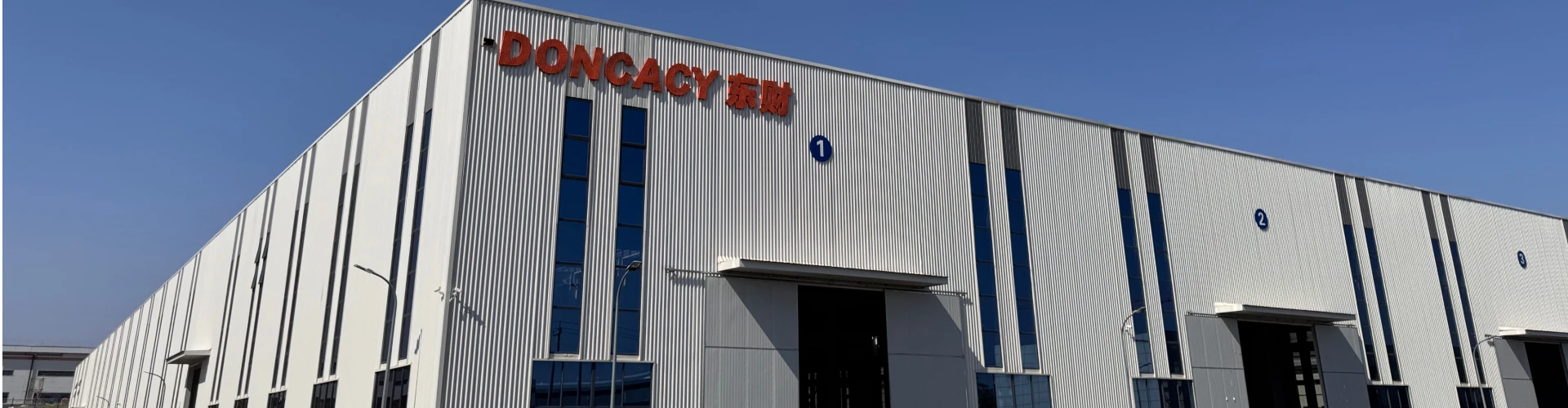
Modern infrastructure demands advanced materials and efficient production technologies. The High Speed Steel Wire Mesh Skeleton Reinforced Polyethylene Composite Pipe Production Line by Anhui Dongchai Machinery Technology Co., Ltd. represents a cutting-edge solution for manufacturing durable, high-performance composite pipes. This article explores the product's features, technical specifications, application scenarios, and the company's expertise in industrial machinery.
Product Introduction
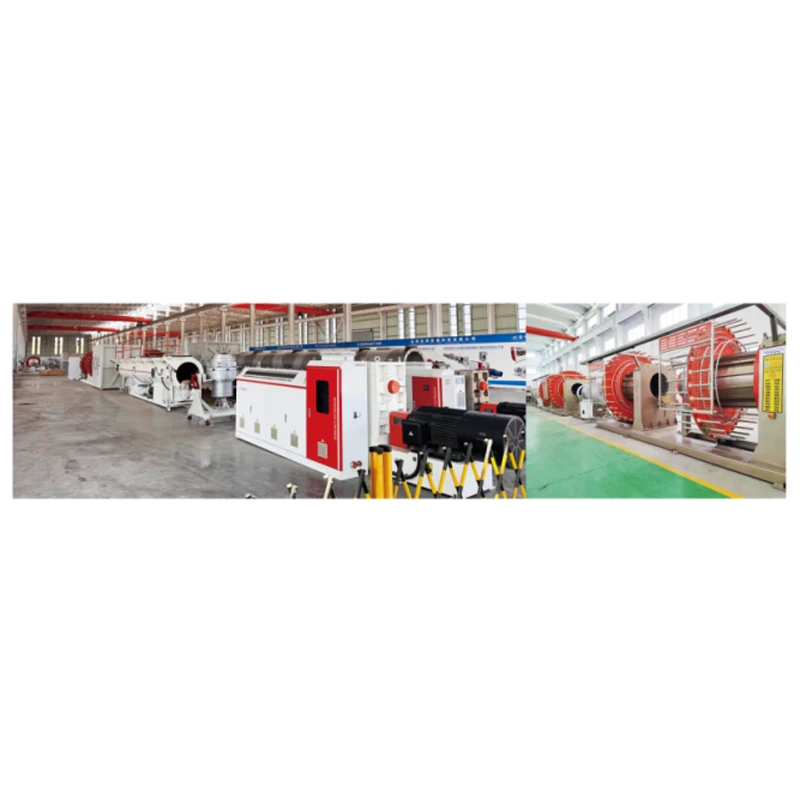
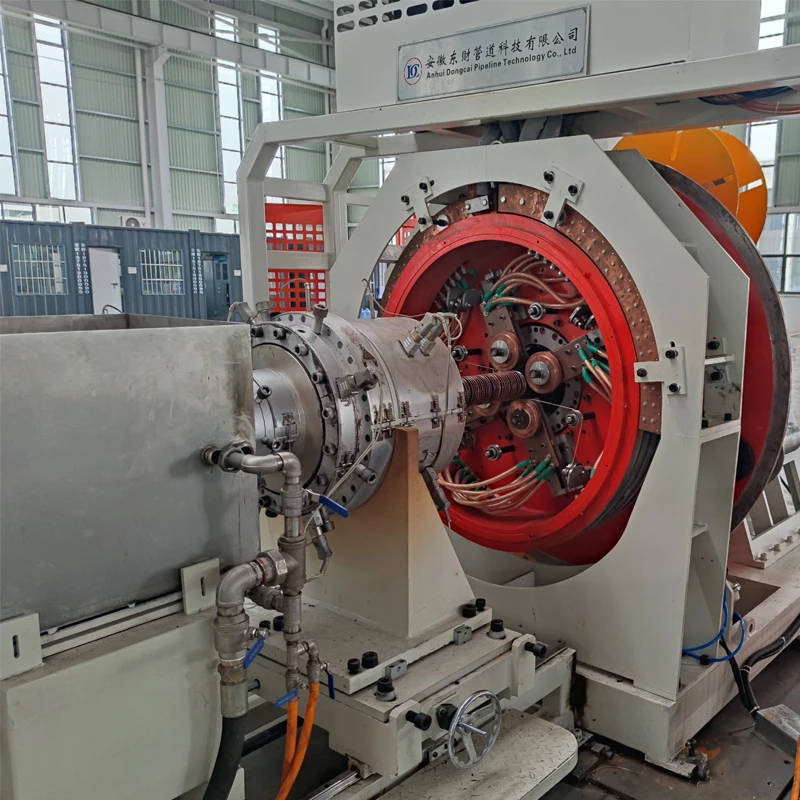
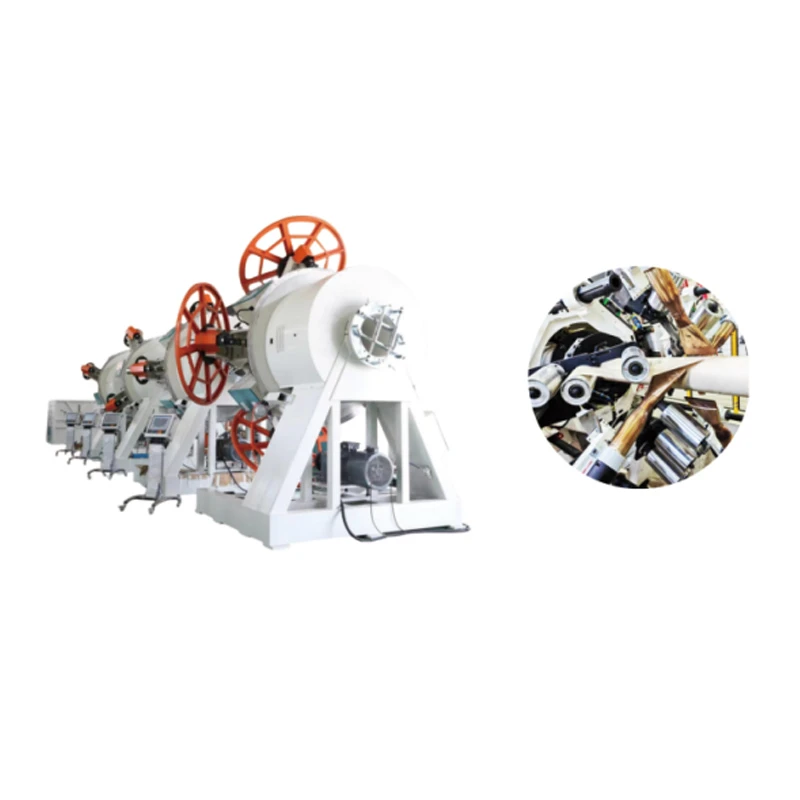
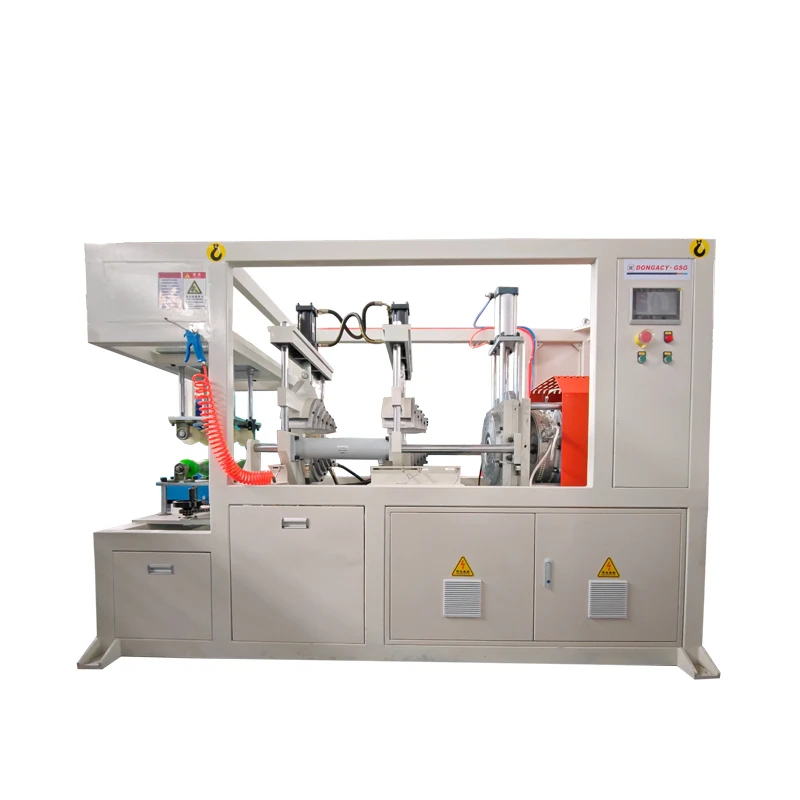
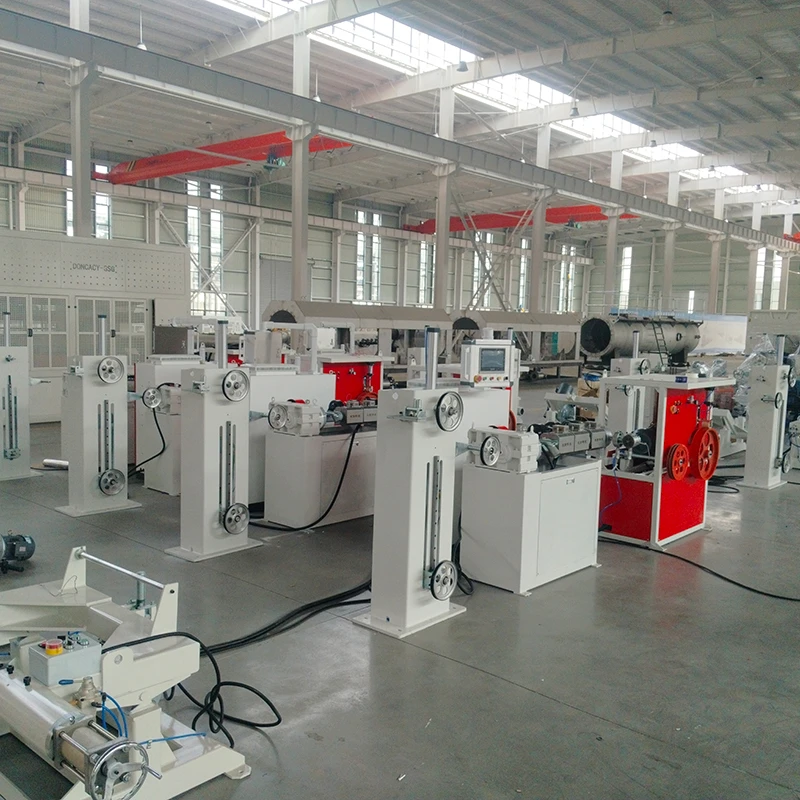
The High Speed Steel Wire Mesh Skeleton Reinforced Polyethylene Composite Pipe Production Line is a state-of-the-art system designed for manufacturing composite pipes with enhanced mechanical strength and corrosion resistance. The equipment integrates a high-speed extruder, precision die, vacuum setting table, traction unit, cutting machine, and a full-automatic sealing machine. All operations are controlled by a PLC computer, ensuring high automation, safety, and efficiency.
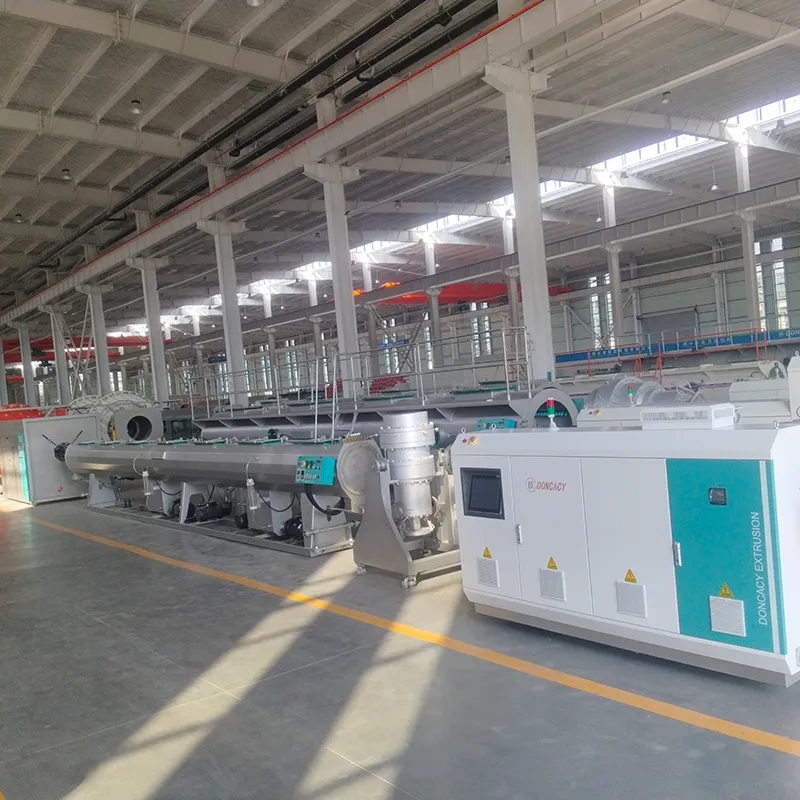
This production line is engineered to deliver stable, high-speed output while minimizing energy consumption and operational noise. Its humanized design reduces the need for manual intervention, and the system maintains consistent performance even during steel wire replacement, significantly lowering rejection rates. These features make it ideal for industries requiring large-scale, reliable pipe manufacturing.
Key Highlights
Highlight 1: Advanced Components for Precision
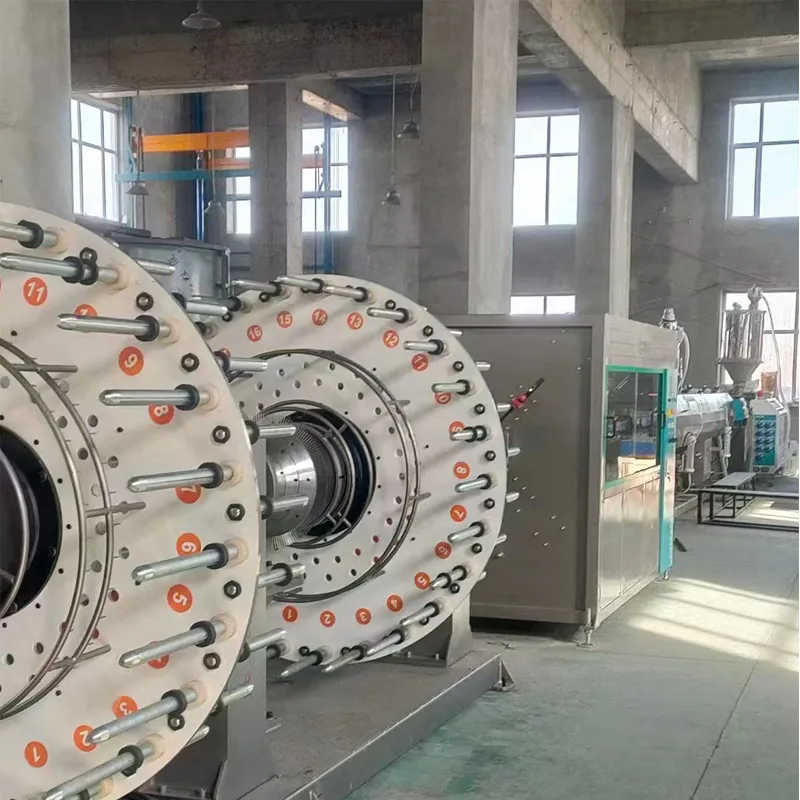
The main engine utilizes international first-line brand electrical components, ensuring durability and efficiency. The dies and screws are crafted from 40Cr alloy structural steel, while ceramic heating rings with insulation layers enable rapid heating. The gear box is equipped with a condenser, guaranteeing stable and fast discharging speeds.
Highlight 2: High-Quality Vacuum and Cooling System
The vacuum box is made of 304 stainless steel, bent and welded as a single unit. All internal parts are laser-cut, and the spray port is controlled by an intensive frequency converter. Constant temperature control of water ensures low noise and effective cooling. The disc-type 304 ball valve allows for electrically adjustable crossbars, enhancing operational flexibility.
Highlight 3: Intelligent Sealing Technology
The full-intelligent automatic sealing machine eliminates the need for on-line guards, enabling automatic tube unloading and achieving a reliable sealing effect. This reduces labor costs and improves production efficiency.
Science Popularization: Understanding the Composite Pipe
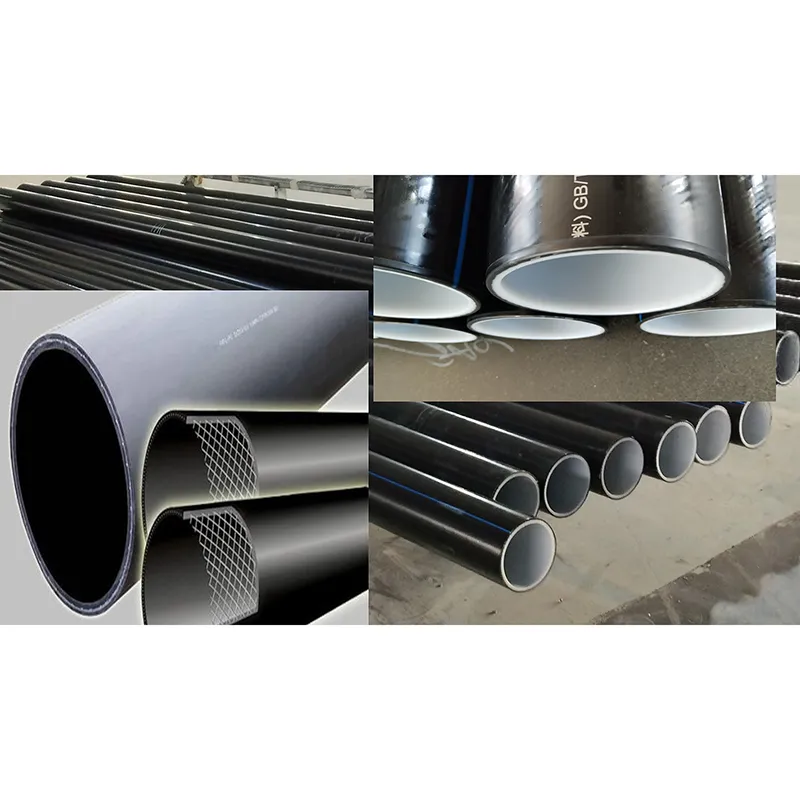
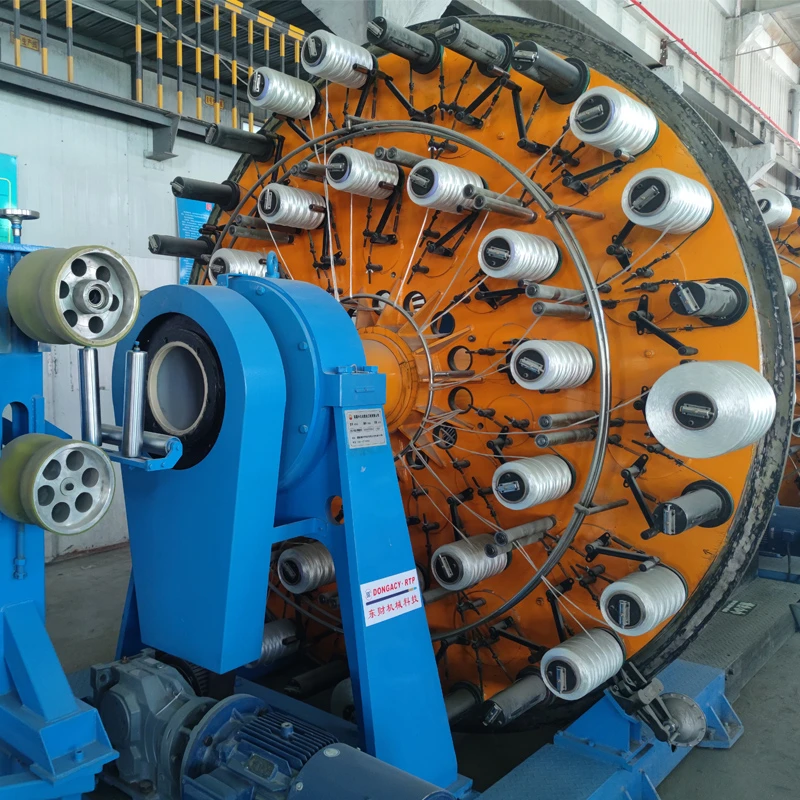
Polyethylene composite pipes with steel wire mesh skeletons combine the advantages of steel and plastic materials. The steel wire mesh, formed by high-strength steel wire spirally wound, acts as a reinforcing skeleton. High-density polyethylene (HDPE) serves as the matrix, with modified adhesive resin ensuring a strong bond between the steel wire and the plastic layers.
This hybrid structure results in pipes that are lightweight, corrosion-resistant, and capable of withstanding high pressures. The steel mesh enhances tensile strength, while the HDPE layer provides flexibility and chemical resistance.
Material and Structural Characteristics
The steel wire mesh composite pipe is composed of high-strength steel wire and thermoplastic polyethylene. The steel wire mesh significantly improves the pipe's mechanical properties, making it suitable for demanding applications. High-performance HDPE modified bonding resin ensures a strong composite effect, preventing delamination under stress.
- High-Strength Steel Wire: Provides structural reinforcement and load-bearing capacity.
- HDPE Matrix: Offers corrosion resistance, flexibility, and thermal stability.
- Modified Adhesive Resin: Ensures a seamless bond between the steel and plastic layers.
Performance Advantages
The steel wire mesh composite pipe overcomes the limitations of traditional steel and plastic pipes, combining their strengths. Key advantages include:
- Corrosion Resistance: HDPE layers protect against chemical degradation.
- Low Friction: Smooth inner surfaces reduce flow resistance.
- Thermal Insulation: HDPE provides excellent heat retention.
- Wear Resistance: The composite structure resists abrasion in high-pressure environments.
- Lightweight: Easier to transport and install compared to steel pipes.
Additionally, the pipe's strength increases with temperature, and it exhibits minimal deformation under stress. This makes it ideal for applications such as large-diameter pipelines, where structural integrity is critical.
Production Technology and Flexibility
The production line employs advanced technology to ensure consistent quality. By adjusting parameters such as steel wire diameter, mesh spacing, and plastic layer thickness, the system can produce pipes tailored to specific requirements. This flexibility allows manufacturers to meet diverse demands for pressure resistance, temperature tolerance, and corrosion resistance.
For example, a 50-160 mm diameter pipe can be produced at a speed of 2.4 m/min, while larger diameters (up to 1200 mm) operate at 0.6 m/min. The system's adaptability ensures optimal performance across various production scales.
Installation and Maintenance
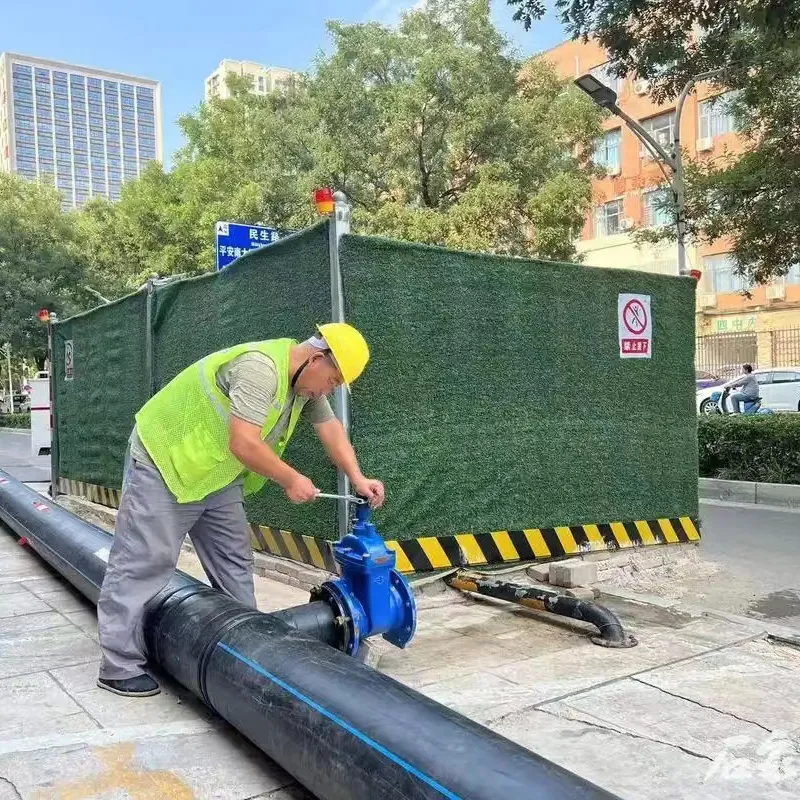
The steel wire mesh composite pipe is designed for easy installation and long-term reliability. Its lightweight nature reduces construction costs, and electric welding joints provide a secure, leak-proof connection. This makes it suitable for high-pressure environments such as water supply, gas transmission, and industrial piping systems.
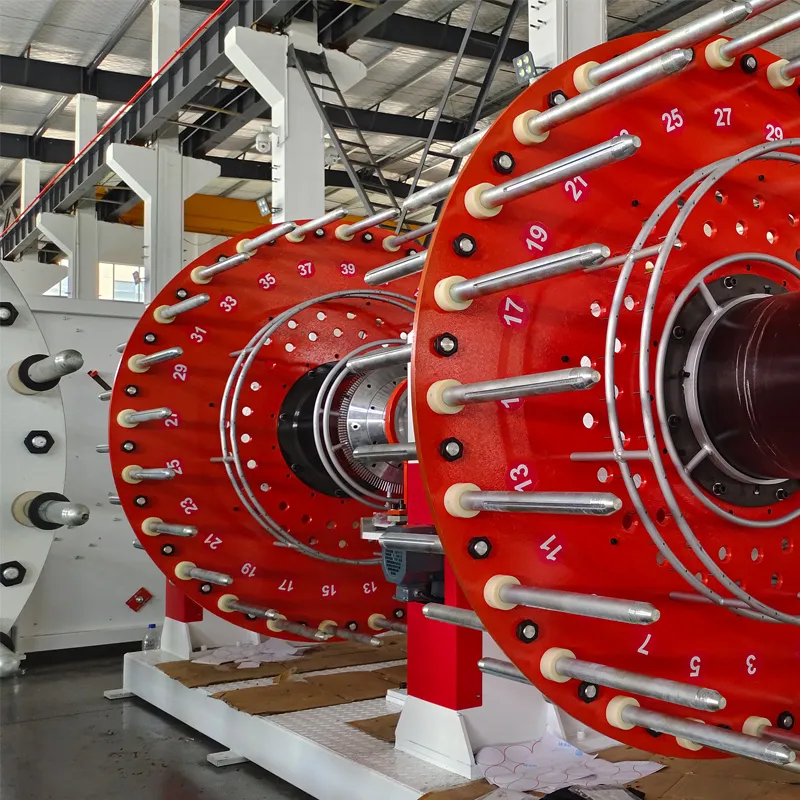
The production line's user-friendly design minimizes maintenance requirements, ensuring minimal downtime. Anhui Dongchai's commitment to quality and innovation has positioned it as a trusted supplier in the global market.
Product Specifications
| Model | Pipe Diameter (mm) | Production Speed (m/min) | Power Consumption (kW) | Installed Power (kW) | Dimensions (L x W x H) |
|---|---|---|---|---|---|
| DCS-160 | 50-160 | 2.4 | 110 | 385 | 73 x 4.7 x 3 |
| DCS-315 | 110-315 | 2.4 | 170 | 545 | 75 x 4.5 x 4 |
| DCS-630 | 315-630 | 1.2 | 260 | 855 | 76 x 6 x 4 |
| DCS-800 | 500-800 | 1.0 | 360 | 1150 | 80 x 6 x 4 |
| DCS-1000 | 710-1000 | 0.6 | 350 | 1150 | 86 x 7 x 4 |
| DCS-1200 | 800-1200 | 0.6 | 460 | 1400 | 100 x 7 x 4.7 |
Company Background: Anhui Dongchai Machinery Technology Co., Ltd.
Founded with a focus on industrial machinery, Anhui Dongchai Machinery Technology Co., Ltd. has established itself as a leader in the production of high-speed composite pipe manufacturing systems. The company's expertise in automation and material science ensures that its products meet the highest standards of quality and efficiency.
Anhui Dongchai's commitment to innovation is reflected in its advanced production lines, which cater to industries such as municipal engineering, petroleum, and construction. The company's products are widely used in applications including drainage, ventilation, and underground cable protection, demonstrating their versatility and reliability.
References and Citations
While specific NIST standards for polyethylene composite pipes were not found due to technical constraints during the search, the principles of material science and engineering referenced in this article align with general industry practices. For further information on NIST standards, please visit the National Institute of Standards and Technology (NIST) website.
Additional insights into the production of composite pipes can be found in technical publications and industry reports from reputable sources.
-
High Efficiency PE Extrusion Line Guide for Plastic ManufacturingNewsApr.16,2026
-
High Speed Steel Wire Mesh HDPE Composite Pipe Production Line - Anhui Dongchai|High Automation&Energy EfficiencyNewsApr.13,2026
-
High Speed Steel Wire Mesh HDPE Composite Pipe Production Line - Anhui Dongchai|High Automation&Energy EfficiencyNewsApr.13,2026
-
Guide to Choosing High Efficiency ppr pipe extrusion machineNewsApr.09,2026
-
Comprehensive Guide to Modern Pipe Production Line Technologies and OptimizationNewsApr.07,2026
-
Choosing the Right Extrusion Pipe Machine for Optimal Plastic Pipe ProductionNewsApr.04,2026
-
Comprehensive Guide to PPR Pipe Extrusion Line Technology and ApplicationsNewsMar.31,2026


