
What’s Driving HDPE Machine Pricing Right Now? An Insider’s Field Notes
If you’ve been shopping around for hdpe machine price, you’ve probably noticed a wild spread in quotes. To be honest, I see it every quarter: automation features and composite capabilities are shifting the baseline fast—faster than many purchasing teams expect.
Product spotlight (and why it matters)
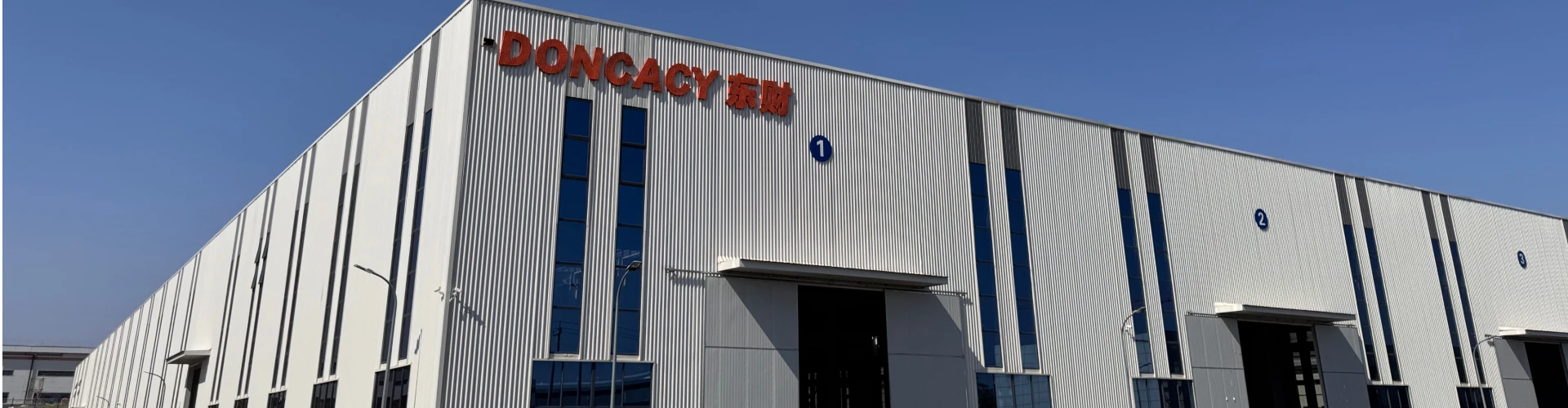
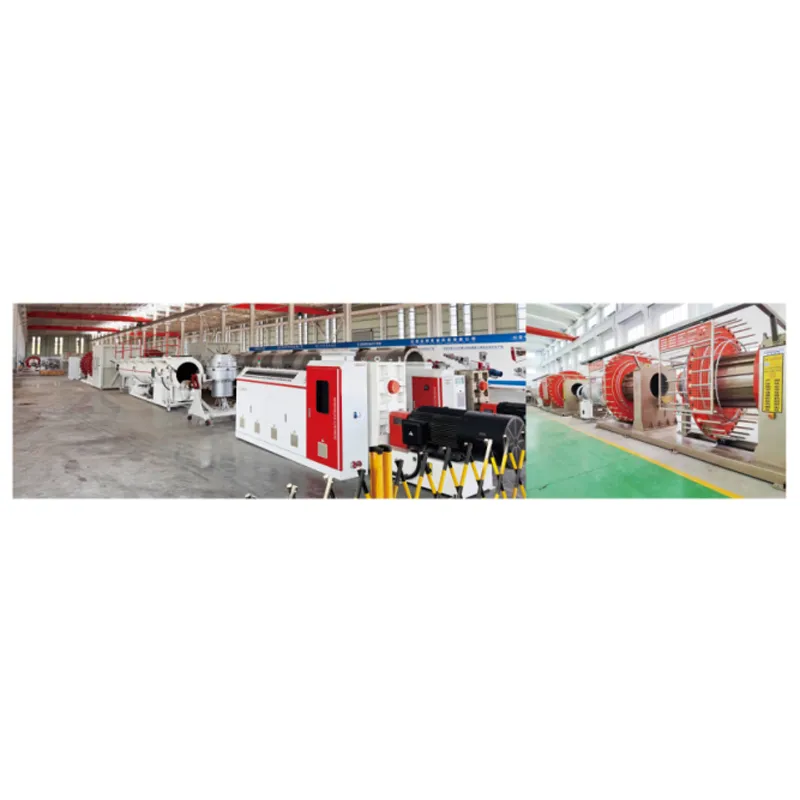
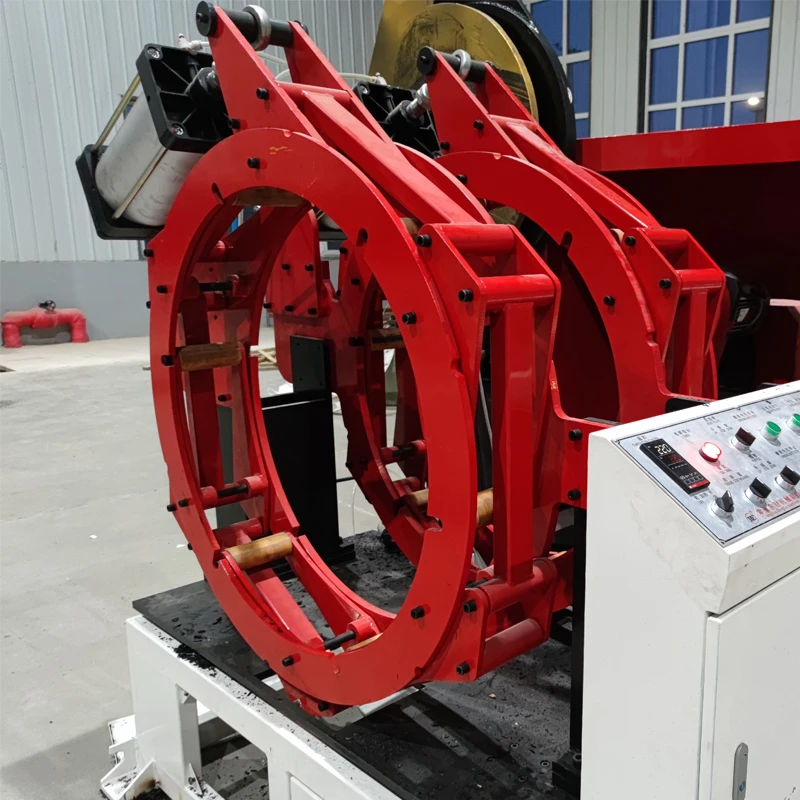
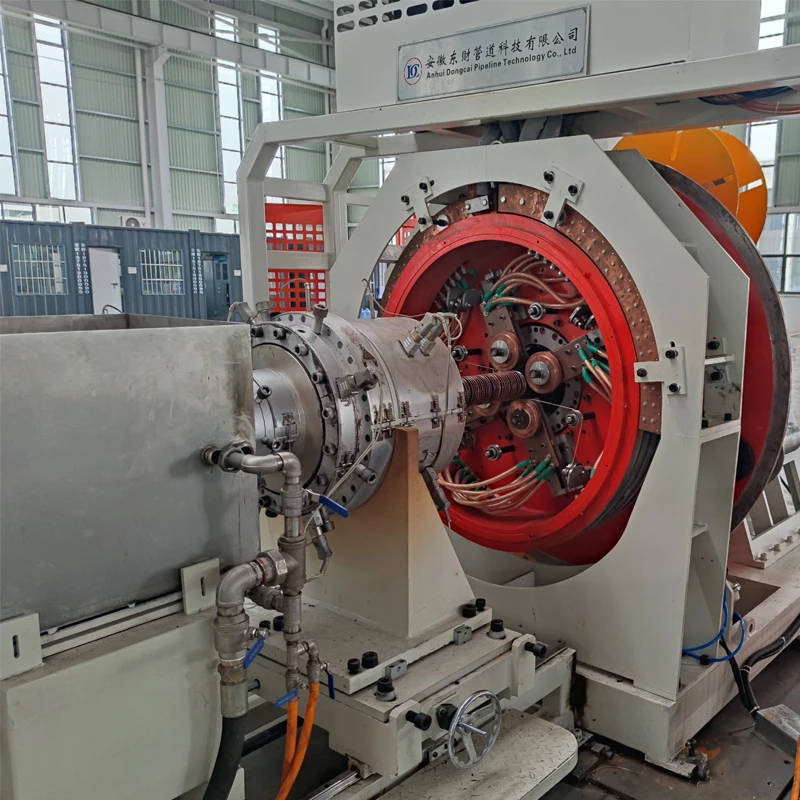
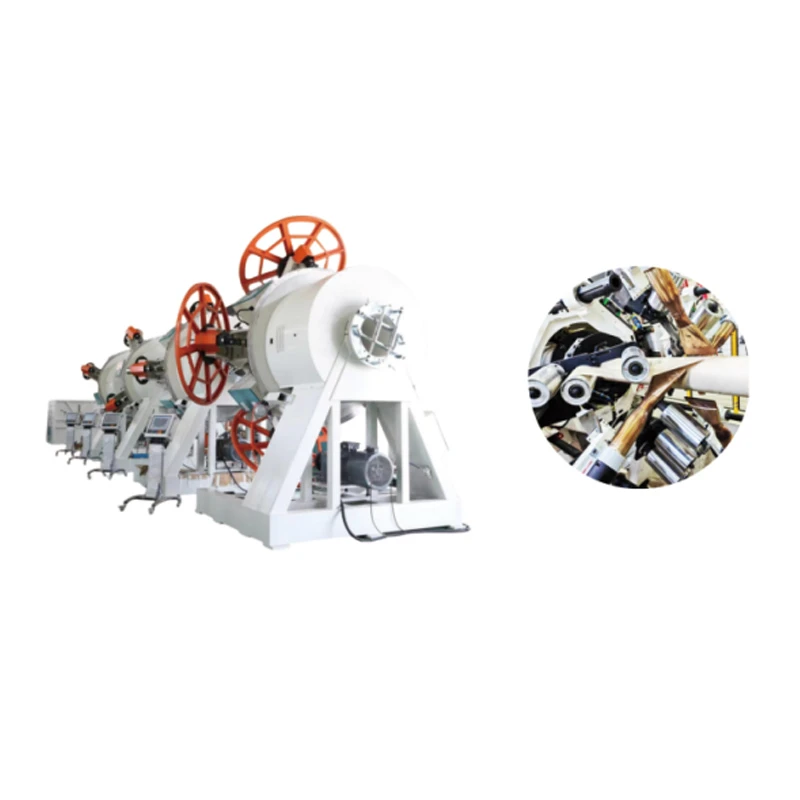
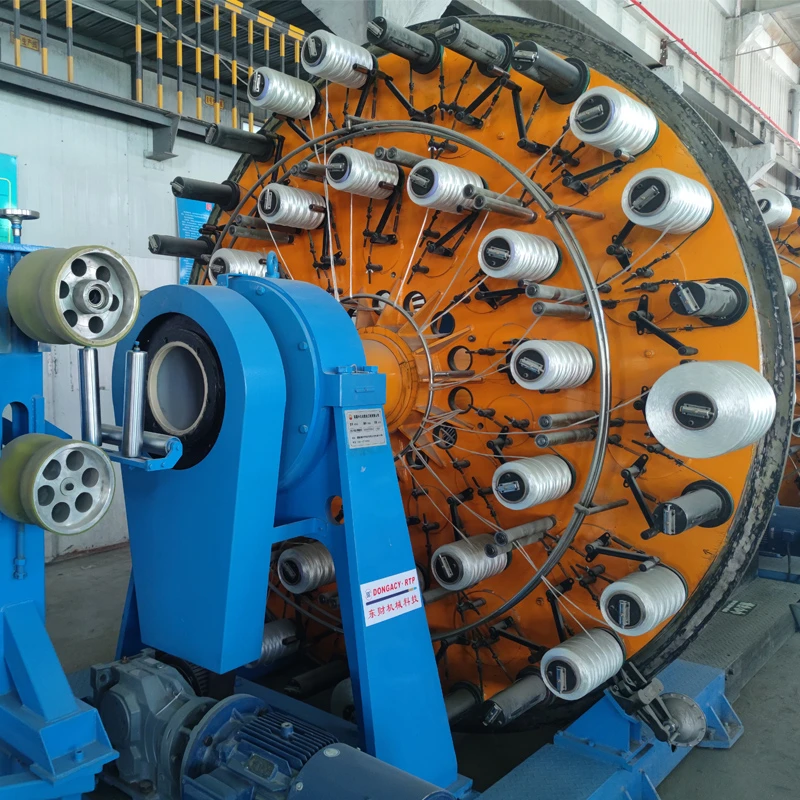
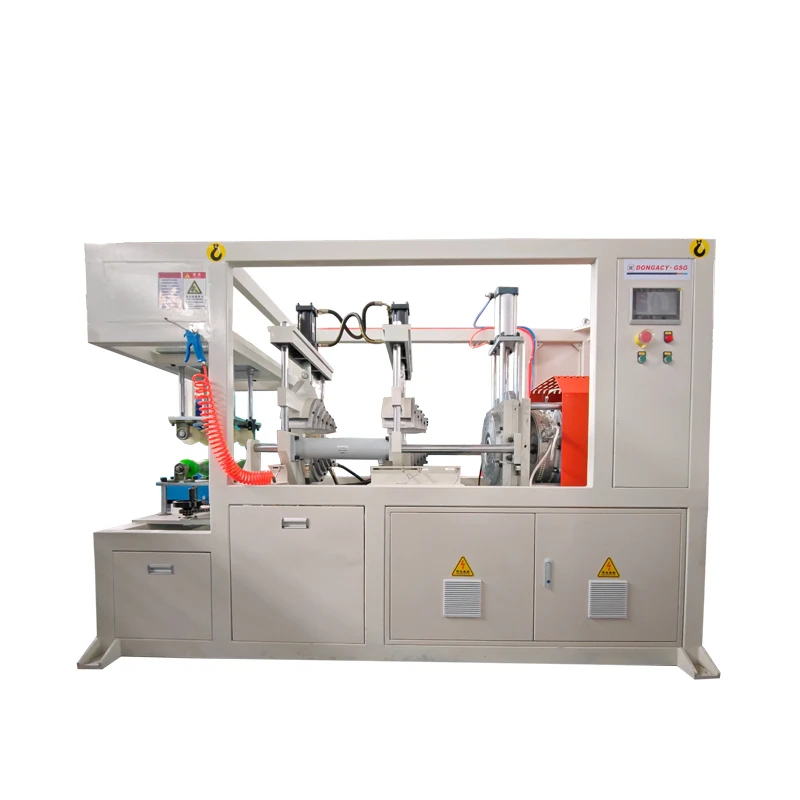
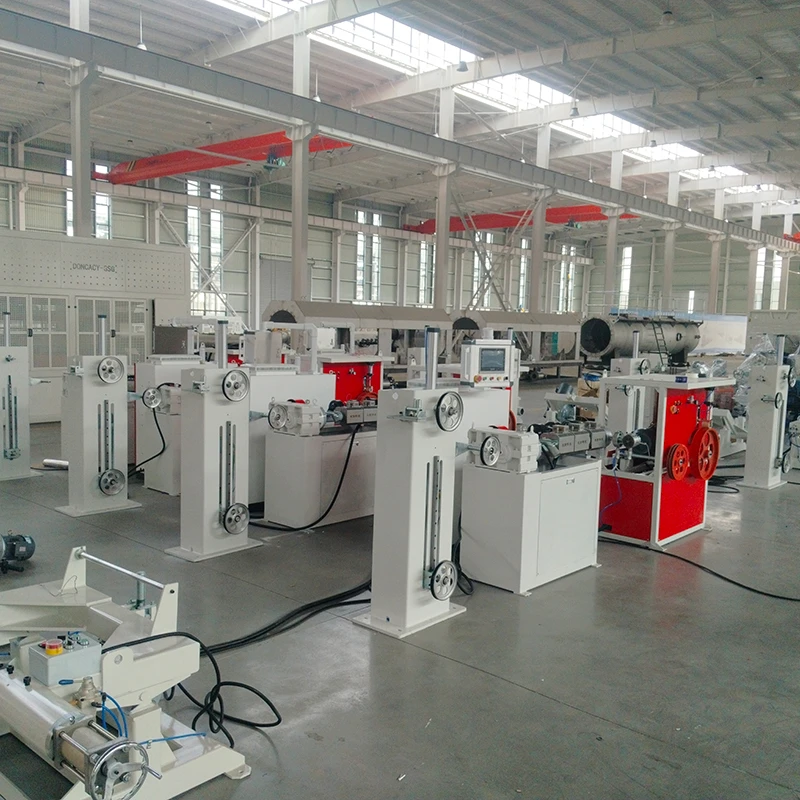
From Anhui (No. 26 Huzhou Road, Nanqiao District, Chuzhou City), the Brand-new High Speed Multi Layer Steel Wire Mesh Skeleton Reinforced Polyethylene Composite Pipe Production Line is one of the systems people quietly benchmark against. The latest generation claims up to 150% productivity versus traditional lines, and, with its automatic sealing machine set, pipe processing costs can fall by around 60%. That’s not a rounding error; that’s a business model change for some plants.
Where these lines are used
Petroleum and natural gas, chemicals, power transmission conduits, gold mining, seawater transport, shipbuilding, agriculture, and even optical cable protection. Many customers say the steel-wire mesh skeleton composite structure hits a sweet spot: higher pressure ratings than plain PE, with corrosion resistance that metal pipe can’t match in brine or acidic soils.
Industry trend check
- Automation-first lines (closed-loop control, recipe management, SCADA dashboards).
- Composite capability (steel mesh skeleton + PE) for higher burst/creep resistance.
- Energy-per-kg reduction and smarter heating zones—real-world utility bills matter.
Typical technical specs (indicative)
| Parameter | Typical Value (≈, real-world use may vary) |
|---|---|
| Pipe OD range | 63–630 mm (configurable) |
| Layers | 3–5 (PE inner/outer + steel wire mesh skeleton) |
| Max line speed | Up to ≈2.5 m/min (smaller diameters) |
| Extruders | Dual/tri co-extrusion; PE100/PE4710 resins |
| Installed power | ≈350–600 kW (by configuration) |
| Energy consumption | ≈0.35–0.55 kWh/kg |
| Control | PLC + HMI/SCADA; closed-loop thickness control |
Process flow, materials, and testing
Flow: Resin drying → primary extrusion (inner layer) → steel wire mesh winding (tension-controlled) → co-extrusion outer layers → vacuum sizing → multi-stage cooling → haul-off → automatic sealing/cutting → pressure/ovality testing.
Materials: PE100/PE4710; high-carbon or stainless steel wire (controlled mesh density). Melt mass-flow rate verified per ISO 1133; DSC for crystallinity; online ultrasonic thickness checks.
Standards & tests: ISO 4427 (water), CJ/T 189-2007 (steel mesh skeleton PE composite pipe), API 15S (spoolable reinforced pipe guidance), hydrostatic strength (long-term), burst, impact, and ovality. Target service life: ≈50 years under design conditions.
Vendor comparison (snapshot)
| Vendor | Origin | Throughput | Automation | Price Band | Lead Time |
|---|---|---|---|---|---|
| Anhui DC Machinery | Chuzhou, Anhui | High (150% vs. legacy) | Advanced (auto sealing, SCADA) | $$$ | 6–14 weeks |
| EU Brand A | EU | High | Advanced | $$$$ | 12–24 weeks |
| Local OEM B | Regional | Medium | Basic | $$ | 4–10 weeks |
Customization options
Pipe OD range, layer count, mesh density, Siemens/ABB drives, voltage (380/415/460V), die sets, auto-sealing configuration, inline NDT, and recipe management. Certifications typically include ISO 9001 and CE; some buyers request factory FAT and third-party inspection—good practice.
Pricing, TCO, and a quick case
Current market quotes for composite-capable lines often land around mid-to-high six figures (≈$350k–$1.2M+ depending on OD, automation, and local codes). The real lever on hdpe machine price is total cost of ownership: energy per kg, scrap rate, uptime, tooling, commissioning, and operator learning curve.
Case note: a coastal pipe plant running seawater transfer lines upgraded to the new high-speed line; throughput lifted ≈1.5×, scrap dropped to ~1.8%, and the automatic sealing unit shaved post-processing costs by ~55–60%. Payback? Just under nine months, according to their ops lead. Surprisingly quick.
If you’re comparing quotes, ask for: specific OD range at rated speed, kWh/kg at 75% load, test logs (hydrostatic, ovality), and standard conformance. That’s how you make sense of hdpe machine price beyond the headline number.
References
- ISO 4427, Polyethylene (PE) pipes for water supply — Specifications.
- API Specification 15S, Spoolable Reinforced Plastic Line Pipe.
- CJ/T 189-2007, Steel mesh skeleton plastic (polyethylene) composite pipes for water supply.
- ISO 1133-1, Plastics — Determination of the melt mass-flow rate (MFR).
-
High Efficiency PE Extrusion Line Guide for Plastic ManufacturingNewsApr.16,2026
-
High Speed Steel Wire Mesh HDPE Composite Pipe Production Line - Anhui Dongchai|High Automation&Energy EfficiencyNewsApr.13,2026
-
High Speed Steel Wire Mesh HDPE Composite Pipe Production Line - Anhui Dongchai|High Automation&Energy EfficiencyNewsApr.13,2026
-
Guide to Choosing High Efficiency ppr pipe extrusion machineNewsApr.09,2026
-
Comprehensive Guide to Modern Pipe Production Line Technologies and OptimizationNewsApr.07,2026
-
Choosing the Right Extrusion Pipe Machine for Optimal Plastic Pipe ProductionNewsApr.04,2026
-
Comprehensive Guide to PPR Pipe Extrusion Line Technology and ApplicationsNewsMar.31,2026


