
What is a PC Profile Extrusion Line and Why It Matters Worldwide
Ever come across those sleek window frames, door profiles, or decorative trims that look flawless yet are made from plastic? Well, those often come from a pc profile extrusion line. In simple terms, it's the production powerhouse behind precision-shaped polycarbonate profiles used in various industries globally. Grasping the importance of such a line means recognizing how modern manufacturing efficiently feeds construction, automotive parts, and even green technologies. It’s about pushing quality and scalability while reducing waste — something industries worldwide strive for in this era.
Why is this relevant globally? Because with increasing urbanization and environmental concerns, industries must rely on production lines that are not only fast and cost-effective but also capable of producing sustainable, durable components. Understanding pc profile extrusion lines means being part of a narrative that blends innovation, ecological awareness, and global industrial growth.
Global Context: The Demand Behind PC Profile Extrusion Lines
Polycarbonate profiles are everywhere — from window systems in Europe to solar panel frames in Asia, and protective housings in America. According to the International Organization for Standardization (ISO), the demand for high-performance plastics in the construction and automotive sectors has been rising by roughly 5% annually in the last decade (1). This growth fuels the need for advanced pc profile extrusion lines that can handle fast, consistent, and quality production.
However, the challenge is not just about volume. It’s about keeping up with evolving material standards, global supply chain intricacies, and mounting environmental regulations. Many manufacturers feel pressure to deliver better efficiency without inflating costs or compromising on durability — and this is exactly where a refined extrusion line brings tremendous value.
Breaking Down the PC Profile Extrusion Line
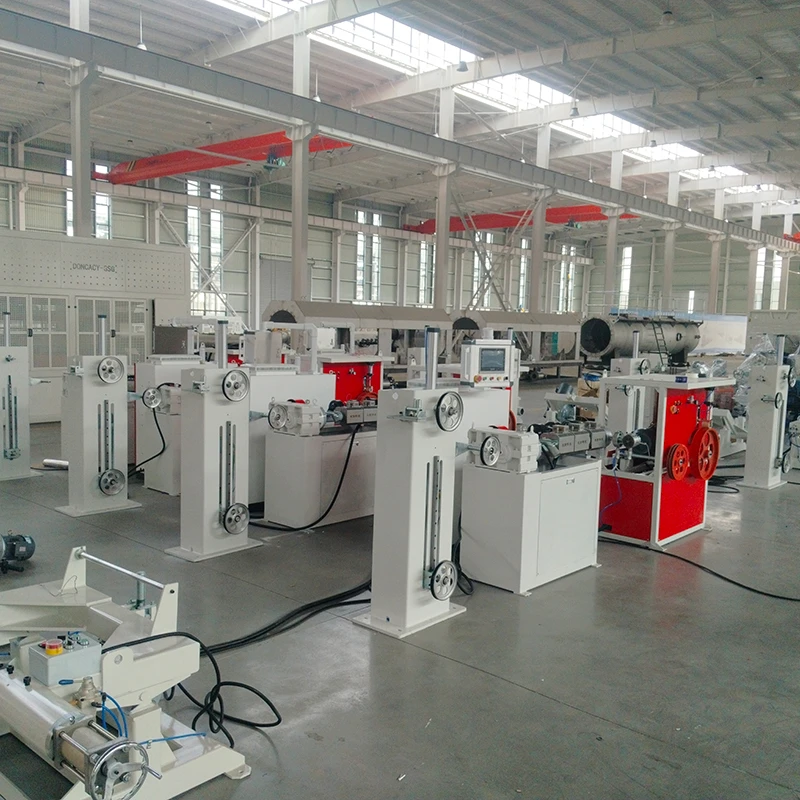
At its core, a pc profile extrusion line is a manufacturing system designed to melt, shape, and cool polycarbonate or similar thermoplastics into profiles of desired shapes and sizes. Imagine a giant pasta machine, but instead of dough, it works with molten plastic and creates building elements.
Why is it a big deal? Because these lines combine:
- Precision: Profiles must match exact dimensions to fit construction standards.
- Speed: Modern lines produce hundreds of meters per hour, cutting lead times drastically.
- Customization: From frame windows to decorative moldings, adaptations are key.
More broadly, these lines are critical in driving industrial production that supports infrastructure development, housing, and even humanitarian supplies like modular, fast-assembly shelters.
Core Components You Can’t Ignore
1. Durability & Material Handling
Polycarbonate is cherished for its impact resistance and weather durability. An extrusion line that maintains optimal temperature control and extrusion pressure ensures the finalized profiles carry these properties. Many engineers say that without precise control, you risk weak points or warping that render the profiles useless.
2. Scalability & Throughput
Modern industries rarely accept slow setups. Scalability means the extrusion line can be ramped up during peak orders without sacrificing quality. Some lines handle multiple profile types by swapping dies easily — a classic example of adaptability in real production clinics.
3. Cost Efficiency & Waste Minimization
Plastic production isn’t just about shaping but also managing scraps. Advanced extrusion lines recycle or reintegrate offcuts right on the fly, lowering waste streams and costs. It’s surprisingly intricate, as the material’s properties must stay consistent.
4. Automation & Quality Control
Today’s extrusion lines aren’t just manual machines — they come with in-line sensors that check thickness and surface finish in real time, alerting operators immediately. This reduces defective batches and ensures customer satisfaction.
5. Energy Consumption & Sustainability
Energy efficiency is a growing topic especially in factories striving for “green” certification. Some extrusion lines now integrate energy recovery technologies and use renewable power sources, sweetening their environmental profile.
Mini takeaway:
A pc profile extrusion line isn't just plastics going in and profiles coming out—it’s a symphony of precision, speed, cost control, and eco-awareness playing together.
Where Around the World PC Profile Extrusion Lines Shine
These production lines form the backbone of industries from Asia’s booming housing markets to Europe’s solar energy sector. For example, in post-disaster relief zones, companies supply modular polycarbonate frames quickly for temporary housing – lightweight, durable, and straightforward to assemble thanks to profiles made on extrusion lines.
Similarly, in remote industrial areas like parts of South America, extrusion lines enable localized manufacture of components, cutting down import delays and costs. Facilities in Germany and Japan utilize highly automated lines to meet automotive part demands, ensuring precision and maximum throughput for complex shapes.
pc profile extrusion line manufacturers are responding smartly to diverse regional needs — from customizable tooling for small batches to high-output lines for volume production.
Why Investing in PC Profile Extrusion Lines Makes Sense Long-Term
- Cost savings: High efficiency and low waste mean smaller expenses and quicker ROI.
- Durability & reliability: Profiles withstand extreme conditions, reducing replacement cycles.
- Social impact: Helps create better housing, infrastructure, and green tech components.
- Innovation potential: Continuous upgrades keep manufacturers competitive globally.
From a human perspective, these lines support safer, more comfortable living conditions because they produce the plastic components that often go unnoticed but matter greatly to quality of life.
What’s Next? Emerging Trends in PC Profile Extrusion
Looking ahead, the extrusion world is embracing:
- Green Materials: Bioplastics and recycled polycarbonate blends to reduce carbon footprints.
- Digital Twins & IoT: Simulated extrusion line operations for predictive maintenance. Sensors provide real-time data streams enabling smarter manufacturing.
- Automation Advances: Robotic die changes and automated quality checks are becoming standard.
- Energy Efficiency Improvements: Equipment powered partially by renewable energy, plus waste heat recovery.
These innovations align perfectly with industry responsibility toward sustainability while not compromising productivity.
Common Challenges and How the Industry Tackles Them
Of course, keeping extrusion lines perfect isn’t without headaches.
- Material Variability: Inconsistent raw materials lead to product faults. Solution: rigorous incoming inspection and improved supplier partnerships.
- Downtime Risk: Machine malfunctions halt entire production. Solution: predictive maintenance via sensor data and quick die change systems.
- Waste Management: Recycling leftover or defective material efficiently remains tricky. Solution: closed-loop recycling integrated into extrusion lines.
Many manufacturers also train operators continuously to keep pace with technical advancements — because, frankly, technology alone isn’t magic.
FAQ About PC Profile Extrusion Lines
- Q: How do pc profile extrusion lines improve construction material quality?
- A: These lines enable precise shaping and consistent production of durable polycarbonate profiles that resist weathering and impact better than traditional materials, offering long-term reliability.
- Q: Can extrusion lines handle different profile sizes and designs?
- A: Yes, modern extrusion lines are designed with interchangeable dies and adjustable parameters to accommodate various profiles and customization demands efficiently.
- Q: What maintenance does a pc profile extrusion line require?
- A: Routine tasks include cleaning the screws and barrels, calibrating sensors, and timely replacement of wear parts to prevent unscheduled downtime and quality issues.
- Q: Are these lines energy-intensive?
- A: While extrusion requires significant energy to melt and shape plastics, newer models focus on energy efficiency and often incorporate heat recovery systems.
- Q: How does waste plastic get reused in extrusion?
- A: Many lines integrate granulators and conveyors that recycle offcuts and defective profiles back into the production cycle, minimizing scrap and boosting sustainability.
Conclusion: Why PC Profile Extrusion Lines Are an Industry Staple
At the heart of modern plastic profile manufacturing, pc profile extrusion lines are quiet but crucial workhorses. Their ability to combine precision, speed, sustainability, and customization offers industries globally a competitive edge. Projects from urban architecture to emergency shelters increasingly rely on this tech to deliver components that are both functional and future-proof.
So if you’re looking to stay ahead in the plastics or construction fields, keeping abreast of extrusion line capabilities isn’t optional — it’s essential. Curious to learn more or find a line suited for your needs? Visit our website: https://www.ahdc11.com.
PC Profile Extrusion Line - Product Specification Table
| Specification | Typical Value | Units |
|---|---|---|
| Extrusion Speed | 150 - 250 | m/min |
| Maximum Profile Width | 300 | mm |
| Material Type | PC, PC blends | - |
| Line Power Consumption | 50 - 65 | kW |
| Automation Level | Semi to Fully automated | - |
| Recycle Capability | Integrated Scrap Granulator | - |
Vendor Comparison: Leading PC Profile Extrusion Line Suppliers
| Vendor | Typical Line Speed (m/min) | Automation Level | Sustainability Features | Price Range (USD) |
|---|---|---|---|---|
| Vendor A | 200 | Fully automated | Energy recovery, scrap recycling | $1.2M – $1.5M |
| Vendor B | 180 | Semi-automated | Modular upgrades, low emissions | $900K – $1.1M |
| Vendor C | 220 | Fully automated | Renewable power integration, smart sensors | $1.3M – $1.6M |
Final Thought
So, in the end, a pc profile extrusion line might seem like a technical mouthful, but it’s really the quiet hero of modern manufacturing. Whether feeding booming cities with building components or enabling green infrastructure, it's the kind of investment that pays off in durability, efficiency, and sustainability.
References:
-
High Efficiency PE Extrusion Line Guide for Plastic ManufacturingNewsApr.16,2026
-
High Speed Steel Wire Mesh HDPE Composite Pipe Production Line - Anhui Dongchai|High Automation&Energy EfficiencyNewsApr.13,2026
-
High Speed Steel Wire Mesh HDPE Composite Pipe Production Line - Anhui Dongchai|High Automation&Energy EfficiencyNewsApr.13,2026
-
Guide to Choosing High Efficiency ppr pipe extrusion machineNewsApr.09,2026
-
Comprehensive Guide to Modern Pipe Production Line Technologies and OptimizationNewsApr.07,2026
-
Choosing the Right Extrusion Pipe Machine for Optimal Plastic Pipe ProductionNewsApr.04,2026
-
Comprehensive Guide to PPR Pipe Extrusion Line Technology and ApplicationsNewsMar.31,2026


