
Understanding the PVC Profile Extrusion Line: Basics and Global Impact
At first glance, a pvc profile extrusion line might sound like just another technical phrase in the manufacturing world, but it’s much more. It’s a cornerstone technology that fuels construction materials, window frames, door fittings, and countless industrial components worldwide. Given the global push for sustainability and efficiency, understanding how these extrusion lines operate and their transformative benefits isn't just geek talk—it’s essential for anyone invested in modern manufacturing or supply chains.
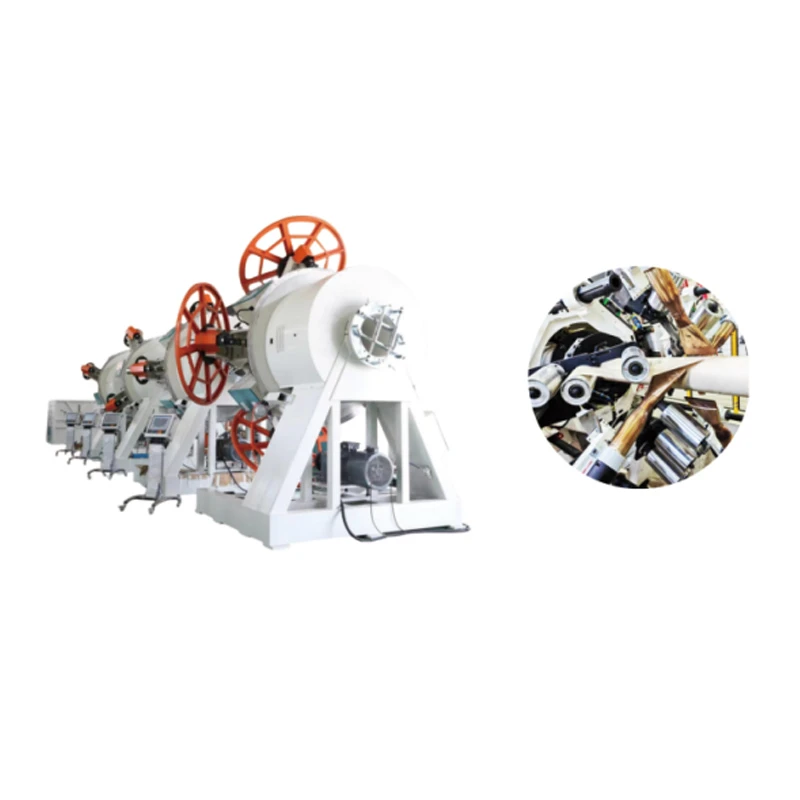
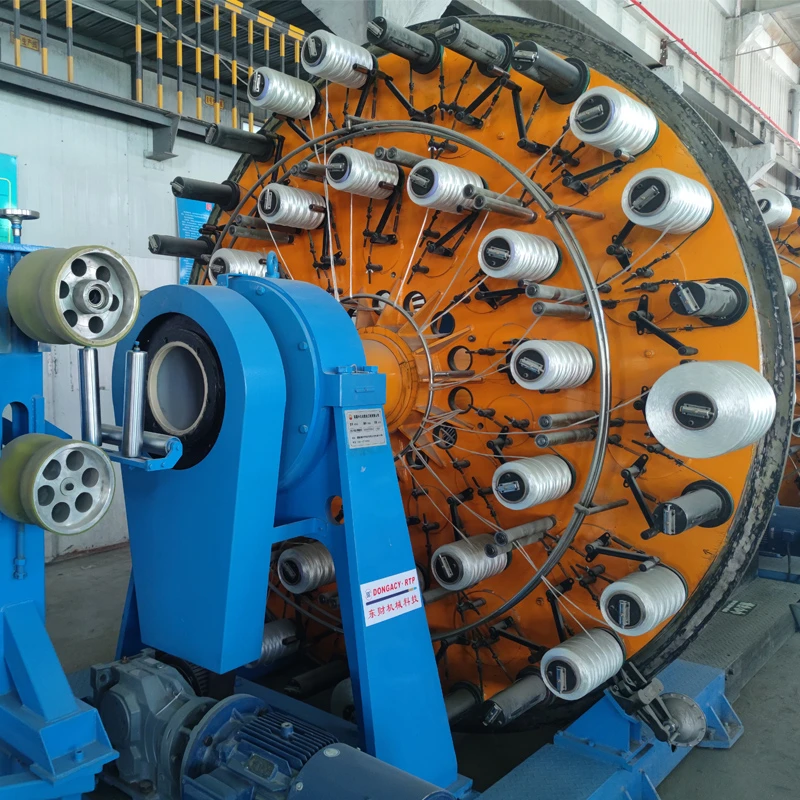
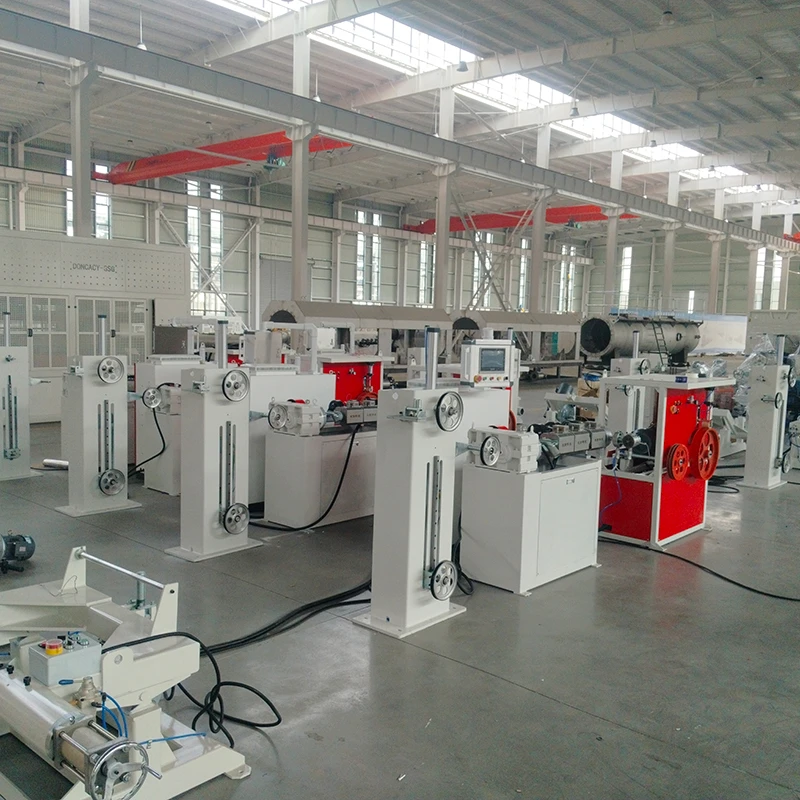
To put it simply, a PVC profile extrusion line is a production system that shapes raw PVC resin into custom-shaped profiles used in a variety of industries. Why does this matter globally? Because PVC profiles help build everything from energy-efficient windows to robust piping systems, supporting infrastructure and development for billions.
The Bigger Picture: Global Context of PVC Profile Extrusion Lines
The demand for PVC profiles is rising sharply worldwide—roughly 5-7% annual growth according to the ISO standard market analyses. With urbanization stretching beyond traditional hubs, and climate-change mandates encouraging better building materials, extrusion lines address a clear challenge: producing high-quality, versatile profiles sustainably and cost-effectively on a global scale.
For example, emerging economies in Asia and Africa are adopting extrusion technology to speed up affordable housing projects, while European manufacturers lead in precision and durability expectations. The extrusion lines fill a niche where speed meets adaptability — sometimes in tight factory spaces, sometimes aimed at massive production outputs.
What Is a PVC Profile Extrusion Line, Really?
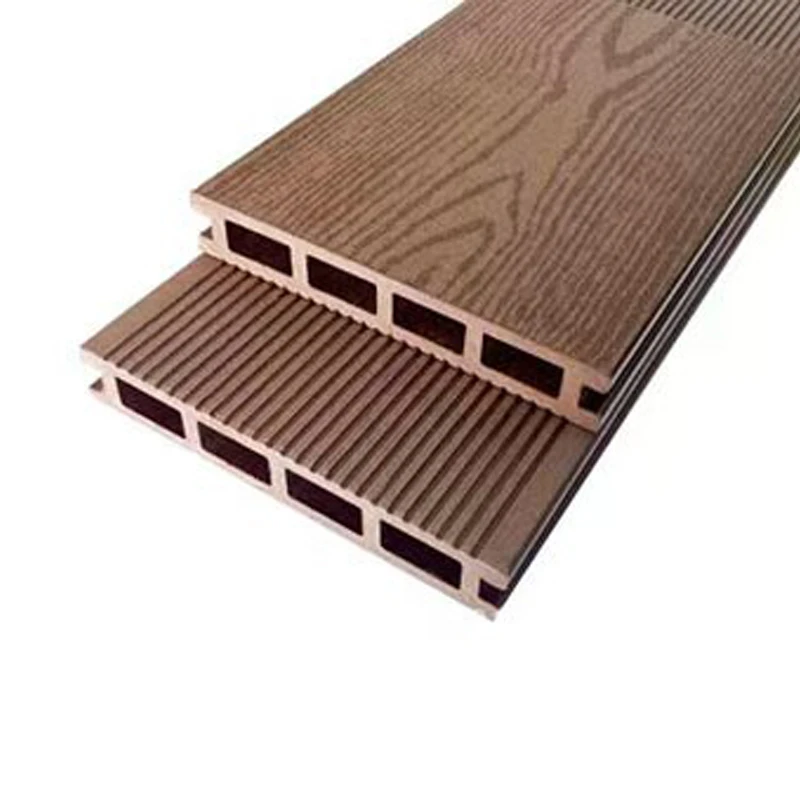
In layman’s terms, a PVC profile extrusion line is a production assembly that transforms polyvinyl chloride (PVC) raw materials into continuous shapes with specific cross-sections—think window frames, door panels, or cable conduits. The process involves melting the PVC, pushing it through a shaped die, cooling, and cutting it to length.
This technology connects to modern needs by enabling rapid, repeatable production of profiles that can be tailor-made, recycled, and optimized for energy efficiency. In humanitarian contexts, these profiles become vital parts of emergency shelters or clean water systems—small components with outsized impact.
Key Features of PVC Profile Extrusion Lines
1. Durability and Material Quality
A reputable extrusion line ensures profiles that withstand weather, UV rays, and mechanical stress. Modern lines incorporate advanced temperature controls and vacuum calibration systems, assuring a defect-free end product suitable for long-term use.
2. Scalability and Throughput
Whether a factory needs a few tons or hundreds per day, extrusion lines scale accordingly. Modular designs allow manufacturers to add components like additional cooling tanks or heating zones to increase output without major downtime.
3. Energy Efficiency
New generation lines use servo motors and optimized screw designs to minimize power consumption. Since extrusion is energy-intensive, these improvements often translate directly into cost savings and lower carbon footprints.
4. Customization and Automation
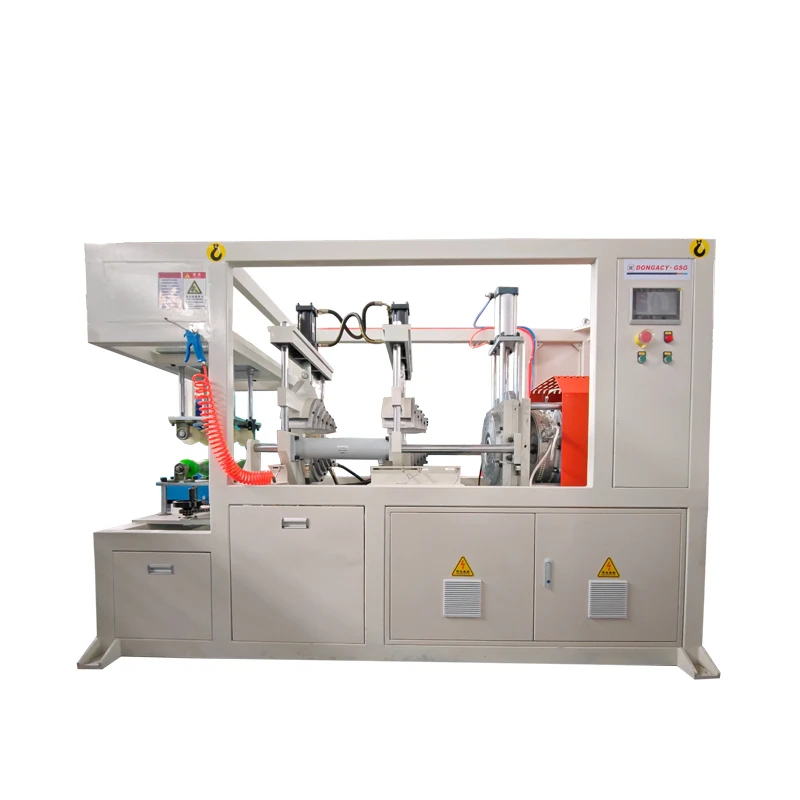
From adjustable die heads to automated cutting and stacking systems, extrusion lines today cater to a wide variety of shapes and sizes with minimal manual intervention, reducing human error and speeding production cycles.
5. Environmental and Safety Compliance
With growing regulations in Europe, North America, and beyond, extrusion lines incorporate filtration systems to capture VOCs and particulates. Operators also benefit from ergonomic designs reducing workplace hazards.
Mini Takeaway: Advances in extrusion tech combine precision, sustainability, and flexibility — key traits that make these lines irreplaceable in modern manufacturing.
Where PVC Profile Extrusion Lines Really Shine: Global Applications
Across continents, PVC profiles produced by extrusion lines serve multiple purposes:
- Building & Construction: Frames, cladding, and piping systems in both residential and commercial buildings.
- Infrastructure: Utility conduits and protective profiles on highways and railways.
- Humanitarian Aid: Quick-build modular shelters post-disaster, where lightweight, durable profiles matter.
- Agriculture: Irrigation piping and greenhouse structures, especially valued in arid regions.
For instance, a relief organization in Southeast Asia recently leveraged locally produced PVC profiles from extrusion lines to rapidly erect flood-resilient housing — reducing costs by nearly 20% compared to imported materials.
Advantages and Lasting Value of Investing in PVC Profile Extrusion Lines
Why do so many manufacturers swear by pvc profile extrusion lines? Here’s what they tell me:
- Cost-Effectiveness: Automated, continuous production drives down costs for high volumes.
- Sustainability: PVC is recyclable, and modern lines optimize material use, minimizing waste.
- Reliability and Quality: Consistently high-precision profiles mean less rework and better final products.
- Social Impact: Enables affordable housing, safer water systems, and better infrastructure worldwide.
And not to get overly sentimental here, but when you think about how often PVC profiles silently hold up the walls or frames that shelter people’s lives — that’s trust built over decades of material science and engineering.
The Road Ahead: Emerging Trends in PVC Profile Extrusion Lines
Looking forward, the extrusion space is buzzing with innovation:
- Green Materials: Bio-based additives and PVC blends reduce environmental impact.
- Smart Automation: AI sensors for real-time quality adjustments.
- Energy Recovery: Systems recapturing heat from extrusion processes.
- Customization via Digital Twins: Virtual modeling to optimize line parameters before production.
Many companies are also integrating Industry 4.0 elements to remotely monitor and maintain extrusion lines, further boosting uptime and reducing unexpected bottlenecks.
Common Challenges—and How Experts Are Overcoming Them
Of course, like anything, extrusion lines aren’t perfect. Common headaches include:
- Material Variability: Fluctuations in raw PVC quality can disrupt process stability.
- Initial Investment: High setup costs deter smaller manufacturers.
- Maintenance Demands: Regular cleaning and calibration require skilled staff.
Innovative solutions? Vendors now offer training programs, modular upgrades to spread out capital costs, and smarter control software that adapts on the fly — all helping to bring extrusion technology into balance with real-world tolerances.
Frequently Asked Questions About PVC Profile Extrusion Lines
- Q: How energy-efficient are modern PVC profile extrusion lines?
- A: Today’s lines incorporate servo motors and variable frequency drives that can reduce energy use by up to 30% compared with older models, significantly cutting operational expenses.
- Q: Can extrusion lines handle custom shapes or just standard profiles?
- A: Modern extrusion lines are highly flexible; thanks to interchangeable dies and automated adjustments, they can produce complex profiles suited to very specific customer requirements.
- Q: What’s the typical lifespan of a pvc profile extrusion line?
- A: With proper maintenance, these lines generally last 10-15 years or more. Upgrades and retrofits can extend their useful life considerably.
- Q: Are PVC profiles produced environmentally friendly?
- A: PVC is recyclable and many extrusion lines minimize waste. Enhanced filtration and newer, greener materials further reduce environmental impacts, aligning with international sustainability goals.
- Q: How can small factories source pvc profile extrusion lines affordably?
- A: Many vendors offer modular or used extrusion lines, plus financing options, making the technology accessible to smaller operations and expanding local industry capabilities.
Product Specification Table
| Specification | Typical Range | Remarks |
|---|---|---|
| Output Capacity | 100 - 600 kg/hr | Depends on model and profile complexity |
| Maximum Profile Width | Up to 400 mm | For wider profiles, custom configurations needed |
| Heating Zones | 3 - 8 zones | Controls temperature along barrel length |
| Screw Diameter | 50 - 120 mm | Larger screws suit higher capacity lines |
| Automation Level | Semi to full automation | Includes temperature control, cutters, stackers |
Vendor Comparison Table
| Vendor | Price Range (USD) | Key Features | Lead Time | Support & Training |
|---|---|---|---|---|
| ExtrudeTech Global | $120,000 - $250,000 | Full automation, energy-saving motors, remote diagnostics | 8-12 weeks | Comprehensive on-site + online training |
| FlexiLine Equipments | $80,000 - $180,000 | Modular design, customizable conveyor speed, eco-friendly filters | 6-9 weeks | Remote support, video tutorials |
| PolyShape Systems | $140,000 - $280,000 | AI quality control, Industry 4.0 ready, energy recovery system | 10-14 weeks | Advanced on-site training, extended warranty options |
And of course, if you want to explore advanced configurations and local support, pvc profile extrusion line manufacturers can provide tailored solutions that fit your exact needs.
Wrapping Things Up
The pvc profile extrusion line remains a quiet workhorse of industry—a technology often overlooked but pivotal in shaping the built environment and industrial ecosystems worldwide. Its ability to combine durable materials, efficient production, and sustainability encapsulates how manufacturing can evolve with responsibility.
As more factories adapt these lines—driven by technological innovation and global need—the effects ripple far beyond the factory floor, into homes, infrastructure, and emergency responses. So next time you glance at a window frame or piping system, remember the extrusion line that made it possible.
Interested in learning more? Visit our website for specifications, case studies, and expert consultations: https://www.ahdc11.com.
Mini Takeaway: PVC profile extrusion lines blend tradition and technology for a greener, smarter manufacturing future.
References
-
High Efficiency PE Extrusion Line Guide for Plastic ManufacturingNewsApr.16,2026
-
High Speed Steel Wire Mesh HDPE Composite Pipe Production Line - Anhui Dongchai|High Automation&Energy EfficiencyNewsApr.13,2026
-
High Speed Steel Wire Mesh HDPE Composite Pipe Production Line - Anhui Dongchai|High Automation&Energy EfficiencyNewsApr.13,2026
-
Guide to Choosing High Efficiency ppr pipe extrusion machineNewsApr.09,2026
-
Comprehensive Guide to Modern Pipe Production Line Technologies and OptimizationNewsApr.07,2026
-
Choosing the Right Extrusion Pipe Machine for Optimal Plastic Pipe ProductionNewsApr.04,2026
-
Comprehensive Guide to PPR Pipe Extrusion Line Technology and ApplicationsNewsMar.31,2026


