
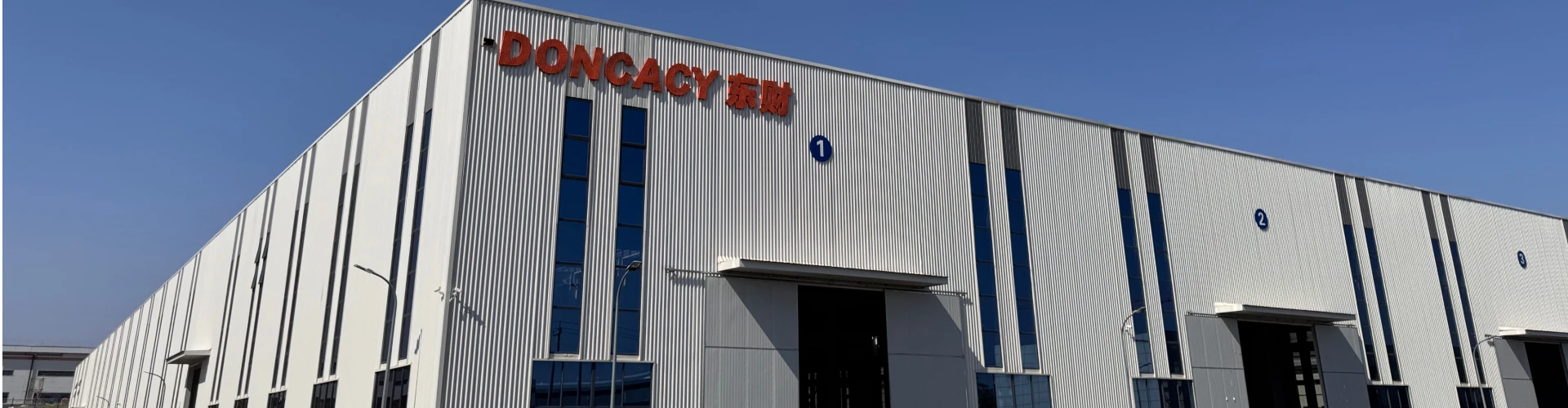
Navigating the Landscape of Automatic Sealing Machine Manufacturers
In today's highly competitive industrial landscape, the efficiency and reliability of packaging operations are paramount. Businesses across diverse sectors rely heavily on advanced automation to streamline their production lines, reduce labor costs, and ensure product integrity. Central to this modernization is the deployment of sophisticated sealing technologies. This article delves into the critical aspects of selecting and understanding automatic sealing machine manufacturers, exploring their manufacturing processes, technical innovations, application versatility, and the crucial factors that define excellence in this specialized field. We aim to provide B2B decision-makers and technical engineers with comprehensive insights to make informed procurement decisions.
Current Industry Trends in Packaging Automation
- Increased Automation and IoT Integration: The drive towards Industry 4.0 sees sealing machines integrated with intelligent sensors, real-time data analytics, and remote monitoring capabilities, optimizing performance and predictive maintenance.
- Sustainability Focus: Manufacturers are increasingly developing machines compatible with eco-friendly packaging materials, reducing energy consumption, and minimizing waste, aligning with global environmental objectives.
- Modular and Flexible Designs: The demand for machines that can adapt quickly to varying product sizes, shapes, and packaging materials is growing, enabling quicker changeovers and enhanced production versatility.
- Enhanced Precision and Speed: Continuous innovation in motion control systems, servo motors, and advanced PLC programming leads to higher sealing speeds, greater accuracy, and reduced material waste.
- Robust Material Handling: Development of sealing solutions capable of handling sensitive, corrosive, or heavy-duty products with extreme reliability and minimal downtime.
Understanding these trends is crucial for businesses looking to invest in future-proof packaging solutions that offer long-term operational and economic benefits.
The Meticulous Manufacturing Process of Automatic Sealing Machines
The production of a high-quality automatic sealing machine is a complex engineering endeavor, demanding precision at every stage. Leading automatic sealing machine manufacturers adhere to stringent quality control protocols, leveraging advanced manufacturing techniques and superior materials to ensure durability, efficiency, and safety.
Key Stages in Manufacturing:
- Design and Engineering: Utilizing CAD/CAM software for 3D modeling and simulation, engineers optimize structural integrity, component placement, and operational mechanics. This phase considers ergonomic design, maintenance accessibility, and future upgrade pathways.
- Material Selection and Sourcing:
- Framework & Structural Components: Typically high-grade stainless steel (e.g., SUS304, SUS316 for food/pharmaceutical applications) or coated carbon steel for robust support and corrosion resistance.
- Moving Parts & Precision Components: Hardened tool steel, specialized alloys, or engineering plastics for gears, bearings, cutting blades, and guides, selected for wear resistance and low friction.
- Sealing Elements: Silicone, PTFE (Teflon), or other heat-resistant, non-stick materials for sealing bars and plates, ensuring consistent, clean seals.
- Electrical & Control Systems: High-quality PLCs, HMIs, servo motors, and sensors from reputable global brands (e.g., Siemens, Allen-Bradley, Omron) for precise control and reliability.
- Fabrication and Machining:
- Casting & Forging: Used for specialized, high-strength components such as machine bases, heavy-duty brackets, or custom gear housings, providing superior material integrity and form.
- CNC Machining: Critical for producing high-precision parts like shafts, cams, and sealing heads with tight tolerances, ensuring smooth operation and longevity. Laser cutting and bending for sheet metal parts.
- Welding & Surface Treatment: Robotic or skilled manual welding for structural integrity, followed by polishing, painting, or passivation to enhance corrosion resistance and aesthetics.
- Assembly: Skilled technicians meticulously assemble mechanical, electrical, and pneumatic components, following detailed schematics. This includes careful alignment of moving parts, wiring, and integration of control systems.
- Quality Control and Testing:
- Component Inspection: Verification of dimensions, material composition, and surface finish against specifications.
- Functional Testing: Each machine undergoes extensive operational testing, including dry runs and simulated production cycles, to verify speed, sealing quality, and machine stability.
- Safety Compliance: Adherence to international safety standards such as CE, UL, and local regulatory requirements.
- Performance Metrics: Measurement of energy consumption, noise levels, and sealing consistency.
Testing Standards and Service Life:
Adherence to standards like ISO 9001 for quality management and ANSI/UL standards for electrical safety is non-negotiable for reputable manufacturers. These standards ensure product reliability and operator safety. A well-engineered automatic sealing machine, constructed from high-quality materials and properly maintained, is designed for a service life of 10-15 years, often exceeding this with proactive maintenance and timely spare parts replacement.
Target Industries and Application Advantages:
- Petrochemical: Sealing corrosive or volatile chemicals requires specialized material compatibility (e.g., PTFE-lined components) and explosion-proof electrical systems. Advantages include enhanced safety and containment, crucial for preventing leaks and environmental hazards.
- Metallurgy: Packaging heavy or irregularly shaped metal parts often involves robust shrink-wrap or stretch-wrap solutions. Advantages include protection from oxidation, dust, and damage during transport, and improved handling.
- Food & Beverage: High-speed, sanitary sealing is critical. Machines with stainless steel contact parts and washdown capabilities prevent contamination. Advantages include extended shelf life, preservation of freshness, and compliance with FDA/CE food safety regulations.
- Pharmaceuticals: Precision sealing for sterility and tamper-evidence is paramount. Induction sealing for bottles and blister packing for tablets. Advantages include product integrity, patient safety, and compliance with cGMP guidelines.
- Water Supply & Drainage: Sealing of pipes, valves, or components for waterproofing or protective packaging. Advantages include corrosion resistance for components stored outdoors and secure transit.
Across these industries, the inherent advantages of advanced sealing machines are clear: significant energy savings through optimized heating elements and precise control, superior corrosion resistance due to material selection, and overall operational efficiency gains.
Brand New High Speed Automatic Sealing Machine: Technical Specifications
Our Brand New High Speed Automatic Sealing Machine exemplifies cutting-edge technology and robust engineering designed to meet the rigorous demands of modern production environments. It is a testament to what leading automatic sealing machine manufacturers can achieve in terms of speed, precision, and reliability.
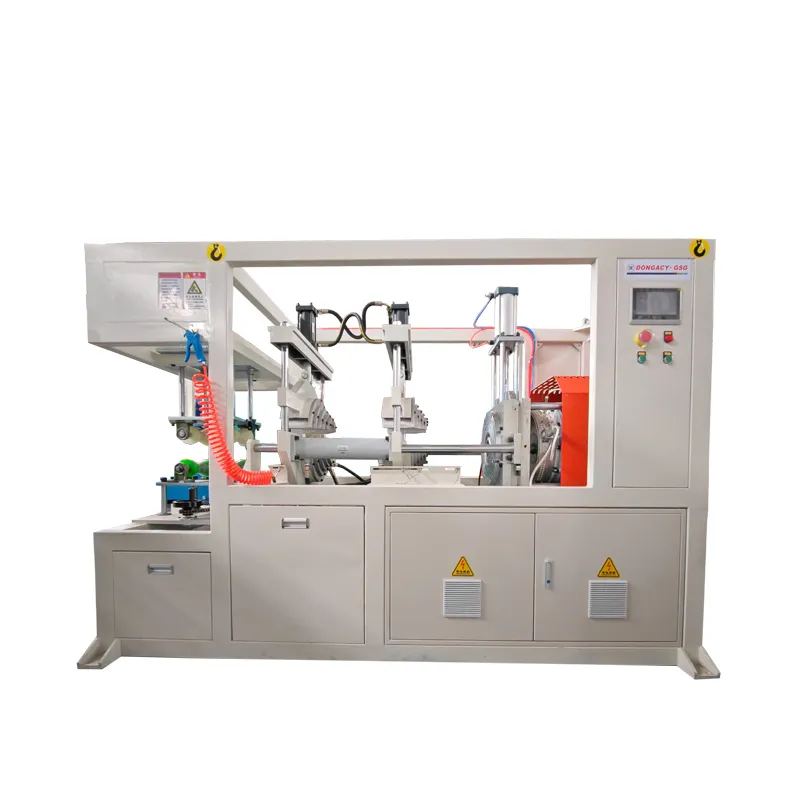
Product Specification Table:
| Parameter | Specification | Notes |
|---|---|---|
| Model Name | DC-HSM-5000 | High Speed Sealing Machine |
| Sealing Speed | Up to 50-120 units/min | Varies based on product size and film type |
| Sealing Type | Side Sealing, L-Sealing (with optional module) | Versatile for various packaging needs |
| Max Product Dimensions (L x W x H) | 500 x 350 x 200 mm | Customizable options available |
| Film Material Compatibility | POF, PVC, PE (shrink films) | Optimized for various heat-sealable films |
| Power Supply | 3 Phase, 380V, 50/60Hz | Voltage options for different regions |
| Total Power | 8.5 kW | Efficient energy consumption |
| Control System | Siemens PLC, HMI Touch Screen | User-friendly interface, precise control |
| Machine Dimensions (L x W x H) | 2800 x 1500 x 1800 mm | Compact footprint for line integration |
| Weight | Approx. 850 kg | Robust construction |
| Safety Features | Emergency Stop, Safety Guards, Overload Protection | CE Compliant |
This machine represents a significant investment, and its performance directly impacts operational efficiency. The automatic sealing machine price for such advanced systems reflects the engineering complexity, material quality, and integrated automation. For applications requiring specific hermetic seals, an automatic induction sealing machine price would differ, reflecting the distinct technology and its benefits, primarily for cap sealing.
Application Scenarios and Real-World Case Studies
The versatility of the automatic sealing machine makes it an indispensable asset across a multitude of industries. From protective shrink-wrapping to tamper-evident seals, these machines are engineered to handle diverse product types and packaging requirements.
Typical Application Scenarios:
- Food Products: Packaging trays of fresh produce, baked goods, frozen meals, or multi-packs of beverages, ensuring hygiene and extending shelf life. An l sealer configuration is often used for individual items or small bundles.
- Pharmaceuticals & Healthcare: Sealing sterile medical devices, drug packaging, or blister packs, where tamper-evidence and germ-free environments are critical.
- Cosmetics & Personal Care: Shrink-wrapping bottles, jars, and gift sets for aesthetic appeal, protection, and retail presentation.
- Electronics: Protecting sensitive electronic components from dust, moisture, and static discharge during transit and storage.
- Logistics & E-commerce: Securing items for shipment, reducing pilferage, and providing a professional unboxing experience.
- Industrial Goods: Packaging hardware, tools, spare parts, or even small construction materials for protection and bundling.
Case Study: High-Volume Beverage Bottling Plant
A major beverage bottler faced significant challenges with their existing shrink-wrapping line. Their older machines struggled with varying bottle sizes, leading to frequent jams, inconsistent seal quality, and excessive film waste. The slow operational speed also created a bottleneck, impacting overall production capacity.
Solution: After a thorough evaluation, they invested in two Brand New High Speed Automatic Sealing Machines, integrated with automatic product feeding and a dedicated shrink tunnel. The selected machines featured advanced servo-driven film feeding and sealing mechanisms, along with a sophisticated HMI (Human Machine Interface) for rapid recipe changes for different bottle formats.
Results:
- Increased Throughput: Production speed improved by 40%, eliminating the packaging bottleneck and allowing for a significant increase in daily output.
- Enhanced Seal Quality: Consistent, strong, and aesthetically pleasing seals were achieved across all product lines, reducing rejects and improving market perception.
- Reduced Film Waste: Precision film cutting and sealing, combined with optimized film tension control, led to a 25% reduction in packaging material waste.
- Lower Maintenance Costs: The robust construction and advanced diagnostics significantly reduced unscheduled downtime and maintenance interventions.
This case study highlights the tangible benefits of partnering with experienced automatic sealing machine manufacturers who prioritize engineering excellence and customer-specific solutions.
Technical Advantages and Performance Metrics
The competitive edge of an automatic sealing machine lies in its underlying technical innovations and superior performance characteristics. Modern machines are designed to offer more than just speed; they deliver unparalleled precision, operational efficiency, and long-term reliability.
Core Technical Advantages:
- Advanced Motion Control Systems: Integration of high-performance servo motors and drives for precise control over film feeding, product handling, and sealing jaw movements. This ensures consistent seal placement and tension control, significantly reducing film breakage and product damage.
- Intelligent Temperature Regulation: PID (Proportional-Integral-Derivative) controllers manage sealing bar temperatures with extreme accuracy, preventing overheating or insufficient heat, which can compromise seal integrity. This leads to energy savings and extended life of heating elements.
- Robust Mechanical Design: Heavy-duty, vibration-dampening frames constructed from precision-machined components minimize wear and tear, ensuring stable operation at high speeds and reducing maintenance requirements.
- Intuitive HMI and PLC Integration: User-friendly touchscreens (HMI) coupled with programmable logic controllers (PLC) provide operators with complete control over machine parameters, recipe management, diagnostics, and real-time performance monitoring. This enhances operational flexibility and troubleshooting.
- Safety and Compliance Features: Comprehensive safety interlocks, emergency stop buttons, clear guarding, and adherence to international standards (e.g., ISO 12100, CE) protect operators and ensure a safe working environment.
- Modular Construction: Many high-end machines feature modular designs, allowing for easy integration of additional components (e.g., infeed conveyors, labelers, accumulators) and simplifying maintenance or future upgrades. This also facilitates quicker part replacement.
These technical advancements collectively contribute to lower total cost of ownership (TCO) by minimizing material waste, reducing energy consumption, and extending the operational lifespan of the equipment.
Vendor Comparison: Selecting the Right Automatic Sealing Machine Manufacturers
Choosing among numerous automatic sealing machine manufacturers requires a meticulous evaluation of various factors beyond initial purchase price. A strategic decision accounts for long-term performance, support, and total cost of ownership.
Key Factors for Evaluation:
- Technological Innovation: Does the manufacturer invest in R&D? Are their machines equipped with the latest automation, control, and safety features?
- Build Quality & Materials: Assess the quality of materials used (e.g., stainless steel grades, component brands) and manufacturing precision.
- Customization Capabilities: Can they adapt standard machines to specific product dimensions, line layouts, or environmental conditions?
- After-Sales Support & Service: Availability of spare parts, technical support, on-site service, and training programs.
- Certifications & Compliance: Adherence to international standards (CE, ISO, FDA for food/pharma applications) signifies reliability and safety.
- Reputation & Track Record: Longevity in the market, client testimonials, and successful case studies.
Hypothetical Vendor Comparison Table:
| Feature/Criterion | Manufacturer A (Premium) | Manufacturer B (Mid-Tier) | Manufacturer C (Budget) |
|---|---|---|---|
| Innovation & Technology | Leading-edge, IoT ready, Servo-driven | Modern PLC, Stepper motors | Basic relay control, Manual adjustments |
| Build Quality (Materials) | SUS304/316, Top-tier components | Coated Carbon Steel, Standard components | Mixed materials, Entry-level components |
| Sealing Speed (units/min) | Up to 120 | Up to 60 | Up to 30 |
| Customization | Highly flexible, bespoke solutions | Moderate flexibility, module add-ons | Limited, standard configurations only |
| After-Sales Support | Global network, 24/7, extensive parts | Regional support, standard hours, common parts | Limited remote support, basic parts only |
| Certifications | ISO, CE, UL, FDA (as required) | CE, some ISO | Basic safety, few international |
| Typical Price Range (USD) | $30,000 - $100,000+ | $15,000 - $35,000 | $5,000 - $18,000 |
While a lower automatic sealing machine price might be tempting, considering the long-term operational costs, reliability, and support network is paramount. For high-volume or critical applications, investing in a premium manufacturer often yields superior ROI.
Customized Solutions from Leading Manufacturers
The diverse needs of modern manufacturing often mean that off-the-shelf solutions are insufficient. Top-tier automatic sealing machine manufacturers excel in providing bespoke and customized solutions, ensuring that the machinery perfectly integrates with existing production lines and meets unique product specifications.
Areas of Customization:
- Product Dimensions & Form Factors: Adapting sealing widths, heights, and conveyor systems to handle unusually large, small, or delicate products.
- Packaging Materials: Configuring machines to work with specific, challenging film types (e.g., ultra-thin films, biodegradable materials) or non-standard substrates.
- Integration with Existing Lines: Seamless interface with upstream and downstream equipment such as fillers, labelers, cartoners, or robotic palletizers. This may involve custom conveyor systems, synchronized controls, and communication protocols.
- Environmental & Hygienic Requirements: Special constructions for cleanroom environments (e.g., pharmaceutical), corrosive atmospheres (e.g., chemical), or washdown applications (e.g., food processing) utilizing specific stainless steel grades and IP-rated components.
- Advanced Features: Integration of printing/labeling systems, vision inspection for seal integrity, automatic film splicing, remote diagnostics, and data logging capabilities for OEE (Overall Equipment Effectiveness) analysis.
- Safety Enhancements: Tailored safety guarding, light curtains, or specialized lockout/tagout procedures to meet site-specific safety regulations.
A manufacturer's ability to provide comprehensive engineering support, from initial concept to final installation and commissioning, is a hallmark of their expertise in delivering effective customized solutions. This ensures optimal performance and a faster return on investment.
Commitment to Trust: FAQ, Lead Time, Warranty, and Support
Trust is built on transparency, reliability, and robust support. Reputable automatic sealing machine manufacturers prioritize these aspects to ensure long-term customer satisfaction and operational continuity.
Frequently Asked Questions (FAQ):
- Q: What is the typical lead time for an automatic sealing machine?
- A: Standard models typically have a lead time of 4-8 weeks from order confirmation. Customized machines may require 10-16 weeks, depending on the complexity of engineering and fabrication.
- Q: What kind of warranty is offered?
- A: We offer a standard 12-month warranty on parts and labor, effective from the date of installation or shipment. Extended warranty options are available upon request.
- Q: Can your machines handle different types of packaging films?
- A: Yes, our machines are designed for versatility and can handle a wide range of heat-sealable films, including POF, PVC, PE, and specialized barrier films. Specific machine configurations may be optimized for certain film types.
- Q: Do you provide installation and training?
- A: Absolutely. We offer comprehensive installation services and on-site training for your operators and maintenance staff to ensure seamless integration and optimal machine performance.
- Q: How do I get spare parts and technical support?
- A: Our dedicated after-sales support team is available via phone and email. We maintain a comprehensive inventory of genuine spare parts for prompt delivery, minimizing downtime. Remote diagnostics and on-site technician visits can also be arranged.
Lead Time and Fulfillment:
Efficient project management and clear communication are integral to our fulfillment process. Upon receiving a confirmed order, a detailed project timeline is provided, outlining design review, manufacturing milestones, quality assurance, and estimated delivery dates. For international shipments, we manage all logistics to ensure smooth customs clearance and timely arrival.
Warranty and After-Sales Support Commitments:
Our commitment extends well beyond the point of sale. The warranty covers manufacturing defects and component failures under normal operating conditions. Post-warranty, we offer maintenance contracts, preventative service visits, and continuous technical support. Our goal is to ensure your automatic sealing machine operates at peak efficiency throughout its extensive service life, providing you with maximum return on investment and peace of mind.
Certifications, Partnerships, and Authoritative Endorsements
The credibility of automatic sealing machine manufacturers is significantly bolstered by their adherence to international standards, industry certifications, and established partnerships. These demonstrate a commitment to quality, safety, and continuous improvement.
Key Certifications:
- ISO 9001:2015: Certifies a robust Quality Management System, ensuring consistent product quality and customer satisfaction through well-defined processes.
- CE Marking: Indicates conformity with health, safety, and environmental protection standards for products sold within the European Economic Area.
- UL/CSA Certification: For electrical safety, particularly relevant for North American markets, verifying that equipment meets stringent safety standards.
- FDA Compliance (for contact parts): For machines used in food and pharmaceutical industries, ensuring that all product-contact surfaces meet material safety and hygiene regulations.
- GMP (Good Manufacturing Practice) Adherence: For pharmaceutical-grade machinery, ensuring design and construction facilitate sanitation and prevent contamination.
Strategic Partnerships and Client Testimonials:
Collaborations with industry leaders, system integrators, and component suppliers further solidify a manufacturer's position. Our partnerships with renowned automation component suppliers (e.g., Siemens, Omron, SMC) ensure that our machines are built with globally recognized, reliable parts. Our client portfolio includes multi-national corporations in the food & beverage, pharmaceutical, and consumer goods sectors, many of whom have been long-standing partners for over 15 years, attesting to our product reliability and service excellence.
Regular performance audits and client feedback loops enable us to continuously refine our products and services, ensuring we remain at the forefront of packaging automation technology.
Conclusion
Investing in an advanced automatic sealing machine is a strategic decision that profoundly impacts production efficiency, product quality, and operational costs. By carefully evaluating manufacturing processes, technical specifications, customization capabilities, and the robust support offered by leading automatic sealing machine manufacturers, businesses can secure a competitive advantage. The focus on high-quality materials, precision engineering, adherence to international standards, and comprehensive after-sales support ensures a durable, efficient, and future-proof packaging solution that delivers significant long-term value.
References:
- International Organization for Standardization (ISO). "ISO 9001: Quality management systems – Requirements."
- European Commission. "CE marking."
- Packaging Machinery Manufacturers Institute (PMMI). "State of the Industry Report: Packaging and Processing Machinery."
- Food and Drug Administration (FDA). "Current Good Manufacturing Practice (CGMP) Regulations for Food and Drugs."
- Underwriters Laboratories (UL). "Standards for Safety for Industrial Control Equipment."
-
High Efficiency PE Extrusion Line Guide for Plastic ManufacturingNewsApr.16,2026
-
High Speed Steel Wire Mesh HDPE Composite Pipe Production Line - Anhui Dongchai|High Automation&Energy EfficiencyNewsApr.13,2026
-
High Speed Steel Wire Mesh HDPE Composite Pipe Production Line - Anhui Dongchai|High Automation&Energy EfficiencyNewsApr.13,2026
-
Guide to Choosing High Efficiency ppr pipe extrusion machineNewsApr.09,2026
-
Comprehensive Guide to Modern Pipe Production Line Technologies and OptimizationNewsApr.07,2026
-
Choosing the Right Extrusion Pipe Machine for Optimal Plastic Pipe ProductionNewsApr.04,2026
-
Comprehensive Guide to PPR Pipe Extrusion Line Technology and ApplicationsNewsMar.31,2026


