
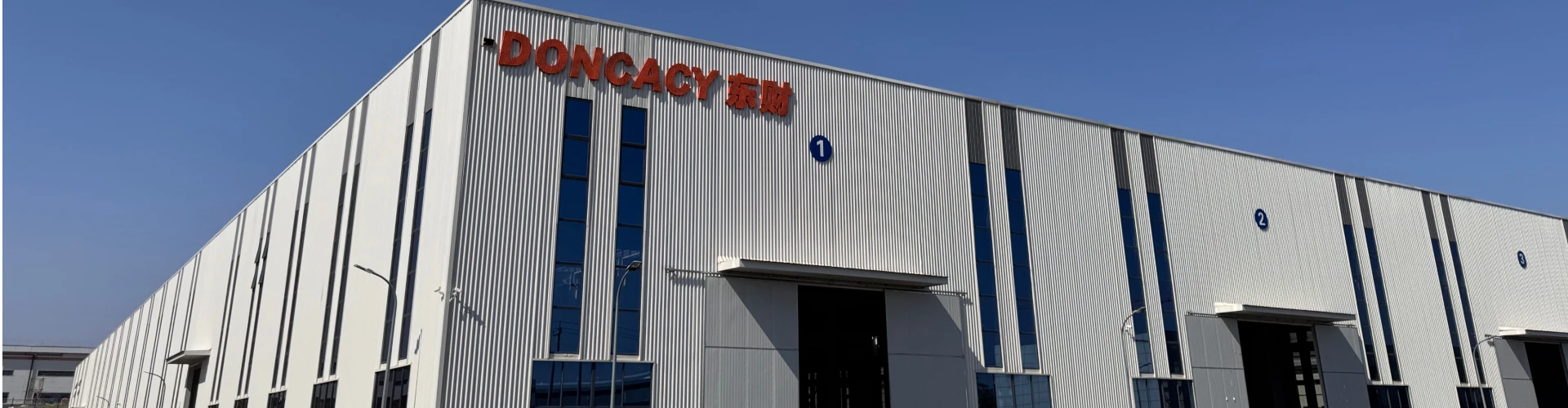
Advancing Infrastructure: The Dynamics of Polyethylene Pipe Production
The demand for robust, reliable, and cost-effective piping solutions is continually expanding across global industries. At the forefront of this evolution stands the polyethylene pipe production line, a cornerstone technology enabling the manufacture of high-performance pipes crucial for modern infrastructure. From municipal water supply and drainage systems to complex industrial fluid transport, polyethylene (PE) pipes, especially High-Density Polyethylene (HDPE) variants, offer unparalleled advantages in terms of longevity, corrosion resistance, flexibility, and installation efficiency. This comprehensive overview delves into the intricate world of PE pipe extrusion, detailing its technological advancements, application versatility, and the strategic considerations for B2B stakeholders.
The global HDPE pipe market, valued at approximately USD 20.3 billion in 2022, is projected to reach USD 30.5 billion by 2030, exhibiting a Compound Annual Growth Rate (CAGR) of 5.2%. This growth is primarily driven by increasing urbanization, infrastructure development, and the replacement of aging conventional pipe networks. The focus on sustainable and energy-efficient manufacturing processes further accentuates the relevance of advanced production lines, making the investment in a state-of-the-art polyethylene pipe production line a strategic imperative for manufacturers aiming for market leadership.
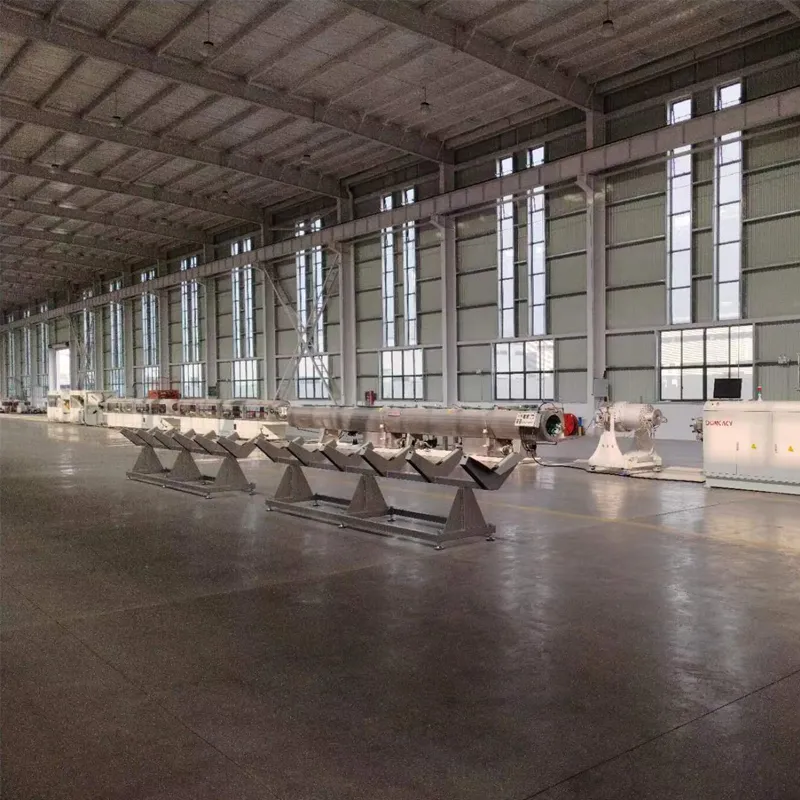
Industry Trends Shaping PE Pipe Manufacturing
- Automation & Smart Manufacturing: Integration of Industry 4.0 technologies, including IoT sensors, real-time data analytics, and AI-driven predictive maintenance, is optimizing production efficiency, reducing downtime, and enhancing product quality.
- High-Speed & High-Efficiency Extrusion: Manufacturers are continually seeking solutions that offer faster line speeds and reduced energy consumption per unit of output. This drives innovation in screw designs, heating elements, and cooling systems for the hdpe pipe extrusion machine for sale.
- Multi-Layer Co-Extrusion: The ability to produce multi-layer pipes with specialized inner and outer layers (e.g., anti-UV, anti-abrasion, oxygen barrier) is expanding application possibilities and enhancing pipe performance.
- Sustainability & Recycled Content: Growing emphasis on environmental responsibility is pushing for the incorporation of recycled PE materials into pipe production, necessitating advanced extrusion technologies that can process varying material qualities effectively.
- Larger Diameter Pipes: The demand for large-diameter PE pipes for major infrastructure projects (e.g., wastewater treatment, irrigation) is increasing, requiring robust extrusion lines capable of handling substantial pipe dimensions.
Dissecting the PE Pipe Extrusion Process: From Granule to Global Solution
The manufacturing of polyethylene pipes involves a sophisticated extrusion process that meticulously transforms polymer granules into durable, high-integrity piping. Understanding the detailed process flow is critical for optimizing production and ensuring adherence to stringent quality standards. This process, central to any modern pe pipe extrusion line, typically involves several key stages:
Key Materials and Pre-Processing
The primary material for high-performance PE pipes is polyethylene resin, predominantly PE100 for pressure applications due to its enhanced stress crack resistance and long-term hydrostatic strength. Other grades like PE80 and PE4710 are also utilized depending on application requirements. These resins typically come in granular form. Prior to extrusion, materials may undergo:
- Drying: Although PE is not highly hygroscopic, pre-drying can prevent potential issues like splay or bubbling, especially with certain additives.
- Blending: Color masterbatches (e.g., black for UV resistance, blue for potable water) and other additives (e.g., UV stabilizers, antioxidants) are precisely blended with the virgin resin using gravimetric dosing systems to ensure homogeneity and consistent product properties.
The Extrusion Process Steps:
-
Material Feeding & Extrusion:
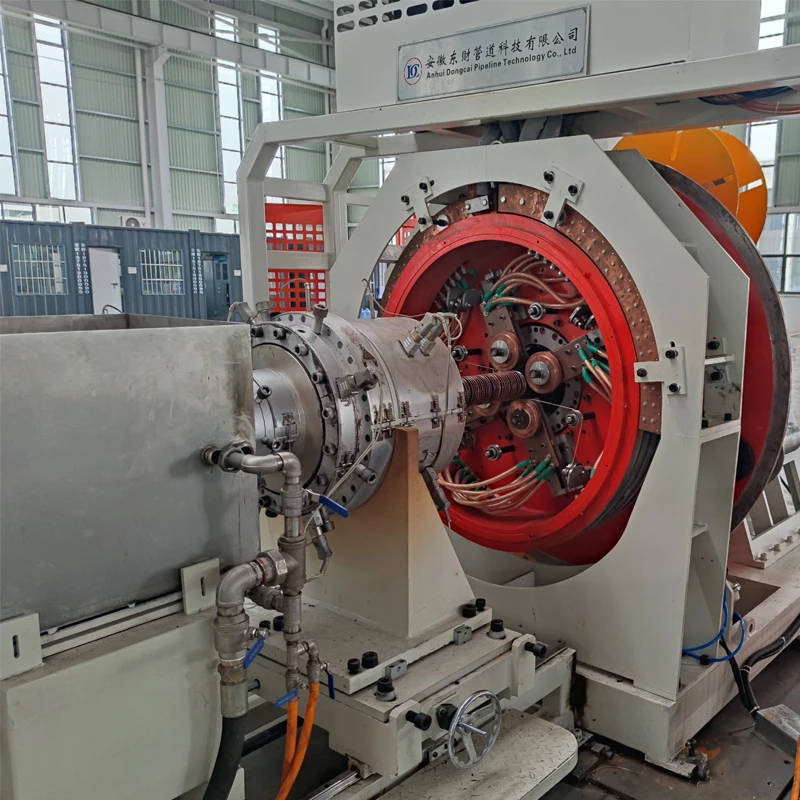
The blended PE granules are fed from a hopper into a single-screw extruder. The screw, specifically designed for PE, plasticizes the material through frictional heat and external heating elements. As the screw rotates, it conveys, compresses, melts, and homogenizes the polymer, forcing it towards the die head. Modern extruders feature grooved feed sections for enhanced material intake and high-torque gearboxes for stable output at high speeds.
-
Die Head:
The molten polymer enters the die head, which forms it into a continuous tubular shape. Spiral or spider die designs ensure uniform melt distribution and pressure, critical for achieving precise pipe dimensions and wall thickness. Co-extrusion dies allow for the simultaneous extrusion of multiple layers, such as an internal layer for fluid contact and an external layer for protection.
-
Vacuum Calibration:
Immediately after exiting the die, the hot pipe enters a vacuum calibration tank. A vacuum creates an external pressure, pressing the still-molten pipe against a sizing sleeve or calibrator, ensuring accurate outer diameter and maintaining concentricity. Precise water spray cooling within this tank begins the solidification process.
-
Cooling:
Following calibration, the pipe passes through multiple water cooling tanks. These tanks use spray or immersion methods to gradually cool the pipe, preventing internal stresses and ensuring structural integrity. The length and efficiency of the cooling section are paramount for high-speed production lines.
-
Haul-Off Unit:
A multi-caterpillar haul-off unit pulls the pipe steadily through the entire downstream line at a precisely controlled speed. This speed is synchronized with the extruder output and the cooling rate to maintain consistent wall thickness and prevent stretching or deformation.
-
Cutting/Coiling:
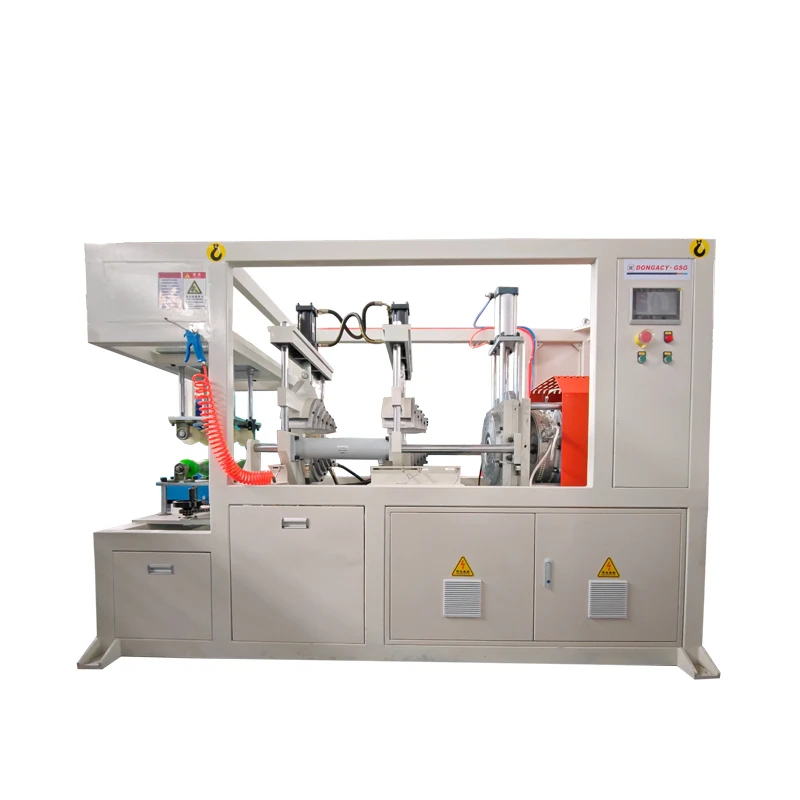
For pipes with larger diameters or specific length requirements, a planetary cutter or saw cuts the pipe to pre-set lengths. For smaller diameter pipes (typically up to 160mm or 200mm), an automatic coiler winds the continuous pipe into rolls, significantly reducing transport and installation costs.
-
Stacking/Packaging:
Finished pipes are stacked, bundled, or packaged for shipment. Automated stacking systems can optimize this final stage, enhancing logistical efficiency.
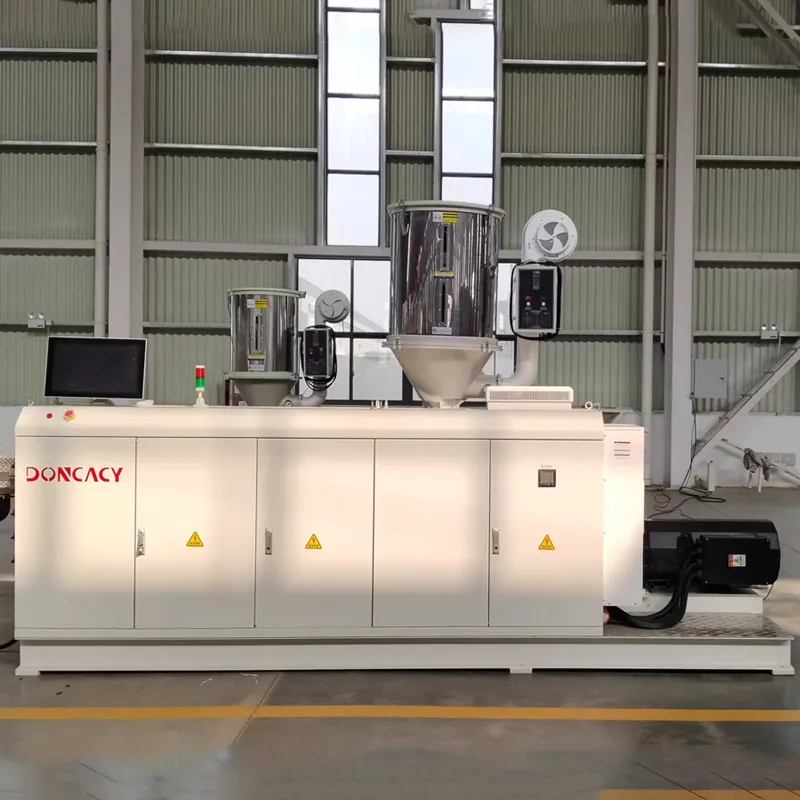
Testing Standards and Quality Assurance
Adherence to international standards is non-negotiable. Key testing standards include:
- ISO 4427: Specifies requirements for PE pipes for water supply.
- EN 1555: Pertains to PE piping systems for the supply of gaseous fuels.
- ASTM F714: Standard specification for PE plastic pipe (SDR-PR) based on outside diameter.
- ASTM D3350: Standard specification for PE plastics pipe and fittings materials.
In-line quality control measures, such as ultrasonic wall thickness measurement and gravimetric control systems, ensure real-time parameter monitoring and adjustment, minimizing waste and maximizing consistency. The service life of properly installed PE pipes, manufactured to these standards, typically exceeds 50 years, often reaching 100 years.
Technical Specifications: The Heart of the Hdpe High Speed and High Efficiency Extrusion Production Line
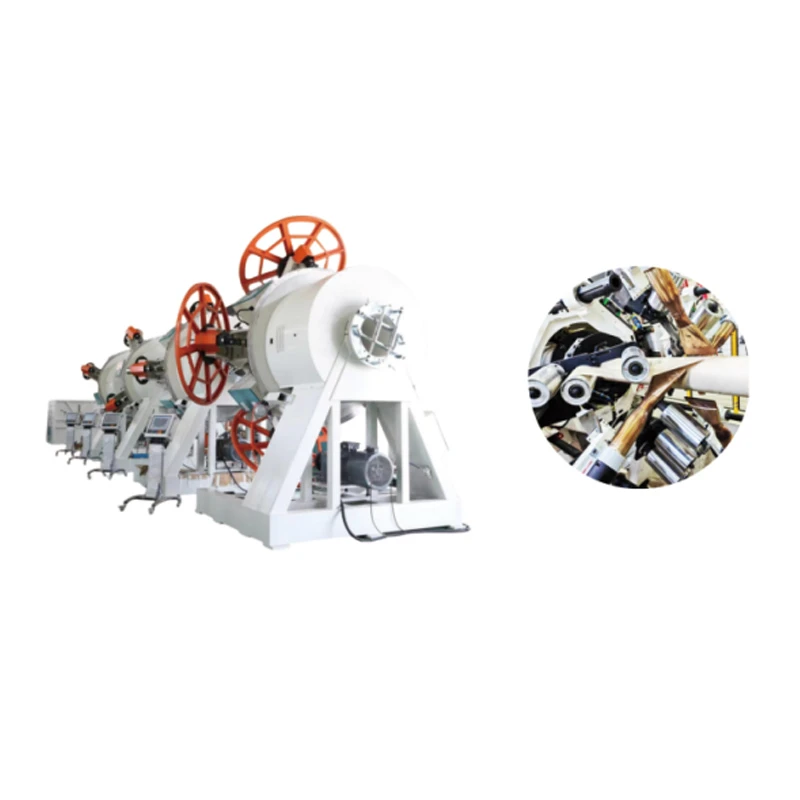
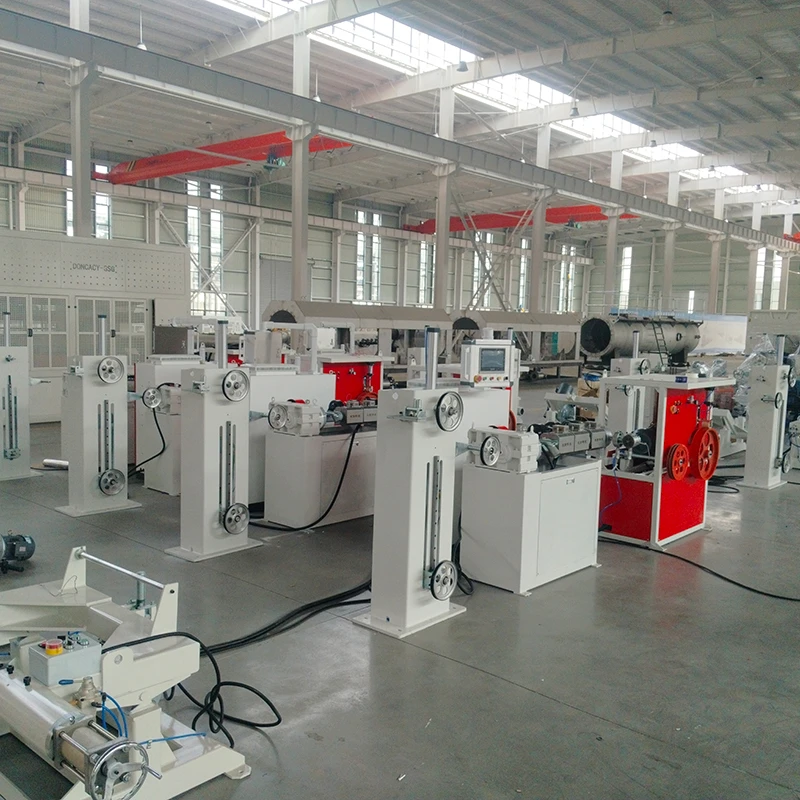
The performance of a polyethylene pipe production line is defined by its technical specifications, which dictate its capacity, efficiency, and the quality of the output. The Hdpe High Speed And High Efficiency Extrusion Production Line exemplifies cutting-edge engineering designed to meet rigorous industrial demands. Below are representative technical parameters for such an advanced system.
Representative Product Specifications: Hdpe High Speed And High Efficiency Extrusion Production Line
| Component/Parameter | Specification Range | Key Features / Benefits |
|---|---|---|
| Extruder Model | SJ series single screw (e.g., SJ-90/38, SJ-120/40) | High-efficiency, low-shear screw design for PE, optimized melting and homogenization. |
| Pipe Diameter Range | Ø16mm - Ø630mm (customizable up to Ø1200mm) | Versatility for various applications, from small service lines to large main pipelines. |
| Output Capacity | 300 kg/h - 1500 kg/h | High throughput for large-scale production, meeting market demand efficiently. |
| Max. Line Speed | Up to 30 m/min (for smaller diameters) | Significantly boosts production volume and reduces per-unit cost. |
| Main Motor Power | 75 kW - 250 kW (AC frequency control) | Energy-efficient operation with precise speed control for various material types. |
| Vacuum Pump Power | 5.5 kW - 18.5 kW | Ensures stable vacuum for consistent pipe sizing and roundness. |
| Haul-Off Traction Force | 15,000 N - 60,000 N | Powerful and stable pulling for large and thick-walled pipes. |
| Cooling Tank Length | 6m - 12m per unit (multiple units possible) | Optimized cooling ensures proper crystallization and reduced internal stress. |
| Control System | PLC with HMI Touch Screen (Siemens, ABB, Delta) | Intuitive operation, precise parameter control, remote monitoring capabilities. |
| Gravimetric Dosing System | Optional, multi-component | Ensures precise material consumption and consistent pipe wall thickness, saving raw material costs. |
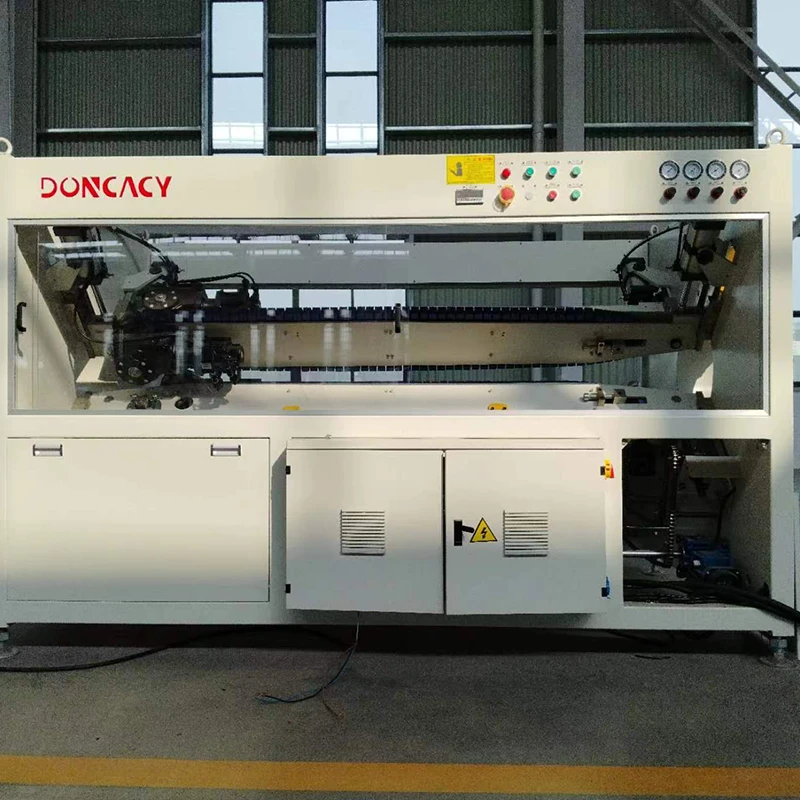
Technical Advantages of Advanced Extrusion Lines
- Energy Efficiency: Optimized heating zones with ceramic heaters, highly efficient AC motors, and advanced insulation reduce power consumption significantly, lowering the overall hdpe pipe production line price in terms of operational costs.
- Precision Control: PID temperature control, melt pressure transducers, and synchronized servo motors ensure unparalleled precision in pipe dimensions, wall thickness, and material distribution.
- Corrosion Resistance: The inherent properties of PE, combined with stringent manufacturing standards, ensure pipes are immune to rust, corrosion, and biological growth, vital for long-term infrastructure.
- Enhanced Material Handling: Specialized feed sections and screw geometries enable efficient processing of various PE grades, including recycled materials, without compromising output quality.
- User-Friendly Operation: Intuitive HMI interfaces and integrated diagnostics simplify operation, troubleshooting, and maintenance, minimizing the need for highly specialized personnel.
Application Scenarios and Strategic Advantages of PE Pipes
The versatility of pipes produced on a pe pipe extrusion line makes them indispensable across a multitude of industries. Their unique combination of physical and chemical properties offers significant advantages over traditional piping materials like steel or PVC.
Target Industries and Typical Applications:
- Water Supply & Drainage: Municipal water distribution networks, irrigation systems, wastewater collection, and sewage disposal. PE pipes are preferred due to their leak-free fused joints, resistance to tuberculation, and long service life.
- Oil & Gas: Natural gas distribution, crude oil gathering lines, and process water lines in petrochemical plants. The excellent chemical resistance and flexibility of PE make it ideal for challenging environments.
- Mining: Slurry transport, dewatering, and process water. PE pipes withstand abrasive slurries and resist corrosion from acidic mine waters.
- Industrial (Petrochemical, Chemical): Transport of various chemicals, acids, and bases. PE's chemical inertness ensures integrity and prevents contamination.
- Power & Telecommunications: Conduit for fiber optic cables and electrical lines, providing protection and ease of installation.
- Agriculture: Irrigation, drip systems, and water transfer, benefiting from PE's flexibility and ease of repair.
Demonstrated Advantages in Use:
- Energy Saving in Pumping: The smooth interior surface of PE pipes offers minimal friction loss, reducing pumping energy requirements by up to 20-30% compared to pipes with rougher internal surfaces, leading to significant operational cost savings over decades.
- Corrosion and Chemical Resistance: PE pipes are unaffected by aggressive soils, corrosive liquids, and electrochemical reactions, eliminating the need for cathodic protection or special coatings. This significantly reduces maintenance costs and extends system longevity.
- Leak-Free Systems: Heat fusion joining (butt fusion, electrofusion) creates monolithic, leak-proof pipe systems that are as strong as the pipe itself, preventing water loss, infiltration, and exfiltration, which is a major advantage for sustainable resource management.
- Flexibility & Fatigue Resistance: PE pipes can accommodate ground movement, seismic activity, and surges in pressure, resisting fatigue and fracture. Their flexibility allows for trenchless installation methods (e.g., horizontal directional drilling), reducing excavation costs and environmental disruption.
- Long Service Life: Designed for a minimum of 50 years, with documented cases extending to 100 years, PE pipes offer an exceptional return on investment through reduced replacement cycles and consistent performance.
- Ease of Installation: Lighter weight and flexibility simplify handling, transportation, and installation, often requiring less heavy machinery and labor compared to rigid pipe materials.
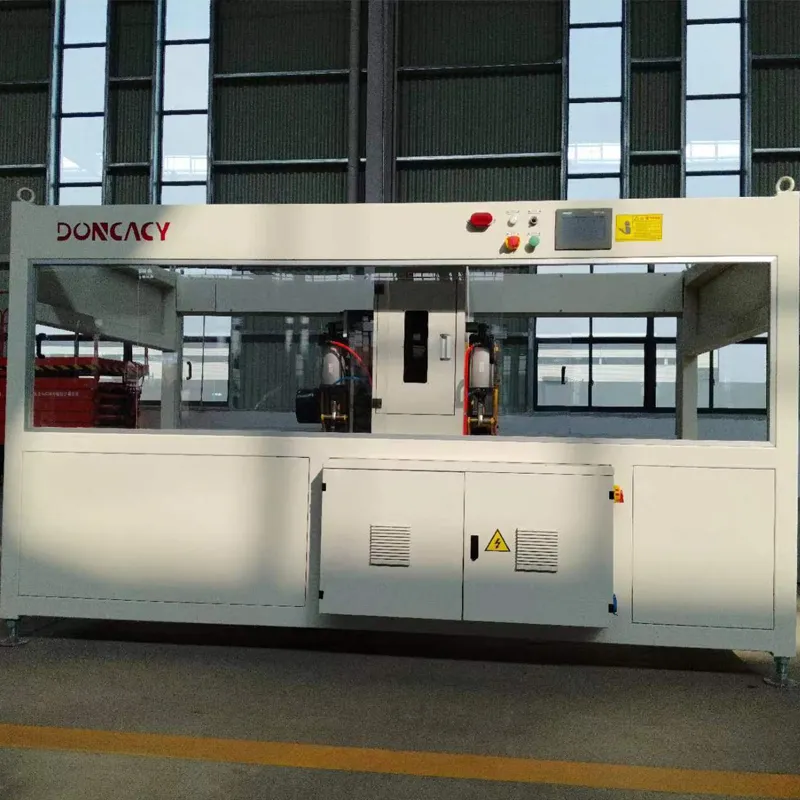
Vendor Comparison: Selecting Your HDPE Pipe Extrusion Machine for Sale
Choosing the right hdpe pipe extrusion machine for sale is a critical strategic decision that impacts production efficiency, product quality, and long-term profitability. The market offers a range of suppliers, each with distinct strengths. A thorough comparison based on key criteria is essential.
Key Factors for Vendor Evaluation:
- Technological Innovation: Does the vendor offer the latest in extrusion technology, such as advanced screw designs, gravimetric control, or intelligent automation features?
- Output Capacity & Efficiency: Match the machine's rated output and energy consumption to your production goals and cost objectives.
- Customization Capabilities: Can the vendor tailor the pe pipe extrusion machine to specific pipe diameters, wall thicknesses, or special material requirements?
- After-Sales Support & Service: Availability of spare parts, technical assistance, installation, and training are crucial for minimizing downtime.
- Reputation & Experience: Years in the industry, client testimonials, and established track record in delivering reliable solutions.
- Certifications & Compliance: Adherence to international quality (ISO 9001) and safety standards (CE).
Illustrative Vendor Comparison Table: HDPE Pipe Extrusion Lines
| Feature / Parameter | Vendor A (Our Product Line Example) | Vendor B (Competitor Example) | Vendor C (Alternative Solution) |
|---|---|---|---|
| Output (Ø110mm pipe, 8mm WT) | ~800 kg/h | ~650 kg/h | ~700 kg/h |
| Energy Consumption (specific) | 0.25 kWh/kg | 0.30 kWh/kg | 0.28 kWh/kg |
| Control System | Siemens PLC, HMI, remote access | Local brand PLC, basic HMI | ABB PLC, HMI |
| Gravimetric Dosing | Standard inclusion | Optional, extra cost | Standard inclusion |
| Estimated Lead Time | 90-120 days | 120-150 days | 100-130 days |
| Warranty | 24 months for main components | 12 months | 18 months |
| After-Sales Support | Global network, 24/7 online, onsite install/training | Regional, limited remote support | Global partners, business hours support |
This comparison highlights how critical factors such as output efficiency (affecting hdpe pipe production line price per meter), energy consumption, and robust after-sales support can significantly differentiate offerings. Our Hdpe High Speed And High Efficiency Extrusion Production Line focuses on maximizing throughput and minimizing operational expenditure, providing superior long-term value.
Customized Solutions and Real-World Application Case Studies
Every client's operational environment and specific production needs are unique. A leading manufacturer of pe pipe extrusion machine technology recognizes this by offering bespoke solutions, not just off-the-shelf equipment. Customization extends beyond merely adjusting pipe diameter ranges; it involves optimizing the entire line for specific materials, throughput targets, and space constraints.
Tailored Solutions for Diverse Requirements:
- Material Adaptability: Lines can be configured to process standard PE100, PE80, PE4710, as well as specialized high-temperature resistant PE (PE-RT) or composite materials.
- Co-Extrusion Capabilities: Integration of multiple extruders for producing multi-layer pipes, such as those with an anti-microbial inner layer for potable water or a high-abrasion resistance outer layer for mining applications.
- Automation & Integration: From fully automated raw material feeding and blending systems to robotic pipe handling and stacking, solutions are tailored to optimize labor efficiency and minimize human error.
- Space Optimization: For facilities with limited footprint, compact line layouts or vertical cooling systems can be designed without compromising performance.
- Specific Quality Control: Integration of advanced ultrasonic testing (UST) systems, spark testers for conduit, or online print inspection for specific industry certifications.
Application Case Studies: Excellence in Practice
Case Study 1: Municipal Water Infrastructure Upgrade
Client: Major Municipal Water Authority, Southeast Asia.
Challenge: Replacing aging, corroded cast-iron pipes across a sprawling urban network, requiring high-volume production of Ø315mm and Ø450mm PE100 pipes with exceptional pressure ratings.
Solution: Installation of a high-speed polyethylene pipe production line featuring a powerful twin-screw extruder for optimal melt homogeneity and an extended vacuum calibration and cooling section. The line was equipped with an integrated gravimetric control system to maintain wall thickness within a tolerance of ±0.5mm, ensuring compliance with ISO 4427.
Outcome: The client achieved a 30% increase in daily production output compared to previous lines and reported a 15% reduction in material waste due to precise gravimetric control. The system delivered pipes that passed all hydrostatic and rapid crack propagation tests, contributing to a modern, leak-free water distribution system.
Case Study 2: Industrial Fluid Transport in Mining
Client: Large-scale Copper Mine, South America.
Challenge: Production of robust, abrasion-resistant PE pipes (Ø200mm to Ø500mm) for slurry transport in harsh, acidic mining conditions, with stringent requirements for long-term performance and minimal maintenance.
Solution: A specialized polyethylene pipe production line was deployed, including a co-extrusion die for a multi-layer pipe structure: a high-molecular-weight PE inner layer for superior abrasion resistance and a standard PE100 outer layer. The line integrated enhanced cooling technology to manage the specific rheology of the advanced materials.
Outcome: The customized line enabled the client to produce pipes with a 2x longer service life in abrasive applications compared to their previous single-layer PE pipes. The improved abrasion resistance significantly reduced pipe replacement frequencies, leading to substantial operational cost savings and reduced downtime for the mine.
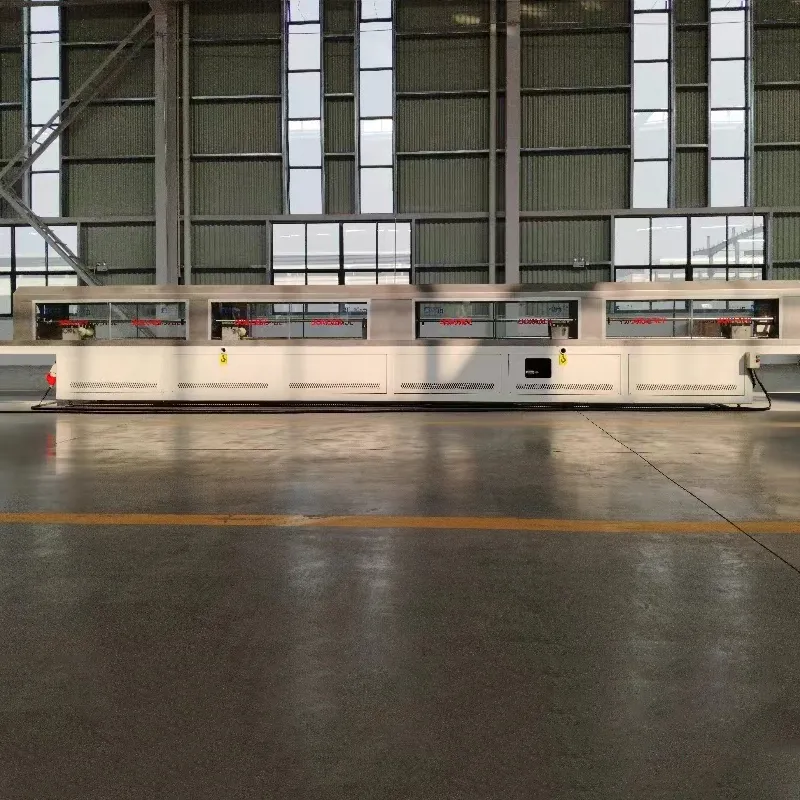
These examples underscore the tangible benefits of partnering with a provider capable of delivering not just equipment, but comprehensive, performance-driven solutions.
Ensuring Trust: Certifications, Warranty, and After-Sales Support
In the B2B sector, particularly for high-value capital equipment like a polyethylene pipe production line, trust is paramount. It is built upon demonstrated expertise, verifiable authoritativeness, and an unwavering commitment to customer satisfaction.
Authoritativeness & Certifications:
- ISO 9001:2015 Certification: Adherence to international quality management systems ensures consistent product quality and continuous improvement across all manufacturing processes.
- CE Certification: Compliance with European Union health, safety, and environmental protection standards, affirming the product's safety for use within the EEA.
- Patented Technologies: Investment in R&D and proprietary technologies, often evidenced by patents in areas like screw design or cooling systems, demonstrates innovation and technical leadership.
- Global Partner Network: Collaborations with international component suppliers (e.g., Siemens, ABB, Schneider Electric) and a network of service partners in over 50 countries underscore global reach and reliability.
- Years of Service: With over 20 years of experience in plastic extrusion machinery, our expertise translates into robust, field-proven solutions.
Trustworthiness & Customer Support:
Frequently Asked Questions (FAQ):
-
Q: What is the typical lead time for an Hdpe High Speed And High Efficiency Extrusion Production Line?
A: Standard lines typically have a lead time of 90-120 calendar days from order confirmation to shipment, depending on customization requirements and current production schedules. -
Q: What warranty is provided with the equipment?
A: We offer a comprehensive 24-month warranty on main mechanical components and 12 months on electrical components, beginning from the date of final commissioning or 18 months from shipment, whichever comes first. -
Q: What kind of after-sales support can I expect?
A: Our support includes remote diagnostic assistance, 24/7 online technical consultation, and dispatch of experienced engineers for onsite installation, commissioning, training, and troubleshooting globally. We maintain a robust inventory of spare parts for rapid dispatch. -
Q: Can your line produce pipes with recycled content?
A: Yes, our advanced screw designs and extrusion processes are optimized to handle a certain percentage of recycled PE materials without significant degradation in pipe quality, supporting sustainable manufacturing practices. Specific configurations may be required.
Installation, Commissioning & Training:
Upon delivery, our team of expert engineers will oversee the installation and commissioning of the entire pe pipe extrusion machine line, ensuring optimal setup and functionality. This includes comprehensive training for your operational and maintenance staff, covering safety protocols, operational procedures, routine maintenance, and basic troubleshooting, empowering your team to achieve peak performance.
Lead Time & Fulfillment:
We maintain efficient production planning to meet our commitment to lead times. For standard configurations, clients can expect delivery within the specified 90-120 day window. Custom projects are scoped with clear timelines defined during the consultation phase, with regular updates provided throughout the manufacturing process. Our robust logistics partners ensure secure and timely global delivery.
Conclusion: Investing in Future-Ready Pipe Production
The evolution of the polyethylene pipe production line represents a significant leap in industrial manufacturing, offering unparalleled advantages for infrastructure development and industrial applications. From the precise control of the extrusion process to the inherent benefits of PE pipes—such as corrosion resistance, energy efficiency, and extended service life—these production lines are central to modern engineering solutions. For B2B decision-makers and engineers, selecting an advanced, high-efficiency system is not merely a procurement decision but a strategic investment in long-term operational excellence, sustainability, and market competitiveness. By focusing on proven technology, robust support, and tailored solutions, manufacturers can confidently address the growing global demand for high-quality polyethylene piping.
References
- Grand View Research. (2023). HDPE Pipe Market Size, Share & Trends Analysis Report By Application (Water Supply, Oil & Gas, Agriculture, Others), By Region, And Segment Forecasts, 2023 - 2030. Retrieved from www.grandviewresearch.com
- International Organization for Standardization (ISO). (2022). ISO 4427-1:2022 Plastics piping systems for water supply, and for drainage and sewerage under pressure - Polyethylene (PE). Retrieved from www.iso.org
- Plastics Pipe Institute (PPI). (2021). Handbook of Polyethylene Pipe. Retrieved from plasticpipe.org
- ASTM International. (2020). ASTM F714: Standard Specification for Polyethylene (PE) Plastic Pipe (SDR-PR) Based on Outside Diameter. Retrieved from www.astm.org
- European Committee for Standardization (CEN). (2010). EN 1555-2: Plastics piping systems for the supply of gaseous fuels - Polyethylene (PE). Retrieved from www.cen.eu
-
High Efficiency PE Extrusion Line Guide for Plastic ManufacturingNewsApr.16,2026
-
High Speed Steel Wire Mesh HDPE Composite Pipe Production Line - Anhui Dongchai|High Automation&Energy EfficiencyNewsApr.13,2026
-
High Speed Steel Wire Mesh HDPE Composite Pipe Production Line - Anhui Dongchai|High Automation&Energy EfficiencyNewsApr.13,2026
-
Guide to Choosing High Efficiency ppr pipe extrusion machineNewsApr.09,2026
-
Comprehensive Guide to Modern Pipe Production Line Technologies and OptimizationNewsApr.07,2026
-
Choosing the Right Extrusion Pipe Machine for Optimal Plastic Pipe ProductionNewsApr.04,2026
-
Comprehensive Guide to PPR Pipe Extrusion Line Technology and ApplicationsNewsMar.31,2026


