
Understanding Hollow Profile Sheet Extrusion Lines: What They Are and Why They Matter
If you’ve ever wondered what keeps industries rolling with fast, durable, and cost-effective plastic profiles, then you're in the right spot. The hollow profile sheet extrusion line—a mouthful, I know—is a pivotal player behind the scenes. Simply put, it's the machinery line that produces hollow plastic sheets and profiles used everywhere: construction, packaging, automotive, even humanitarian aid. Globally, it’s a big deal because the efficiency and quality of these lines directly impact manufacturing costs, product durability, and environmental footprints.
In a world chasing sustainability and speed, grasping how these extrusion lines work isn’t just for engineers—it influences supply chains and final products too.
Mini takeaway: The hollow profile sheet extrusion line is the backbone of many lightweight, durable plastic products vital to industries and sustainability efforts worldwide.
The Global Context: Why Hollow Profile Sheet Extrusion Lines Are In the Spotlight
Now, why the buzz about hollow profile sheet extrusion lines? The global plastic extrusion market was valued at around USD 35 billion in 2023 and is expected to grow steadily, fueled by demand in sectors like construction and packaging (Statista estimates). Notably, hollow profile sheets reduce raw material use while maintaining strength, which aligns perfectly with ISO’s latest standards highlighting resource efficiency and waste reduction (ISO 1400-series).
But here’s the real challenge: manufacturers want to optimize speed without sacrificing durability. Inelastic quality means product failure down the road, not to mention increased costs in repair or replacement. For humanitarian industries, the stakes can be higher—think shelter components in disaster zones needing quick assembly and dependable performance under stress.
Mini takeaway: The hollow profile sheet extrusion line answers a universal demand for efficient, durable, and sustainable manufacturing amid growing global needs.
What Exactly Is a Hollow Profile Sheet Extrusion Line?
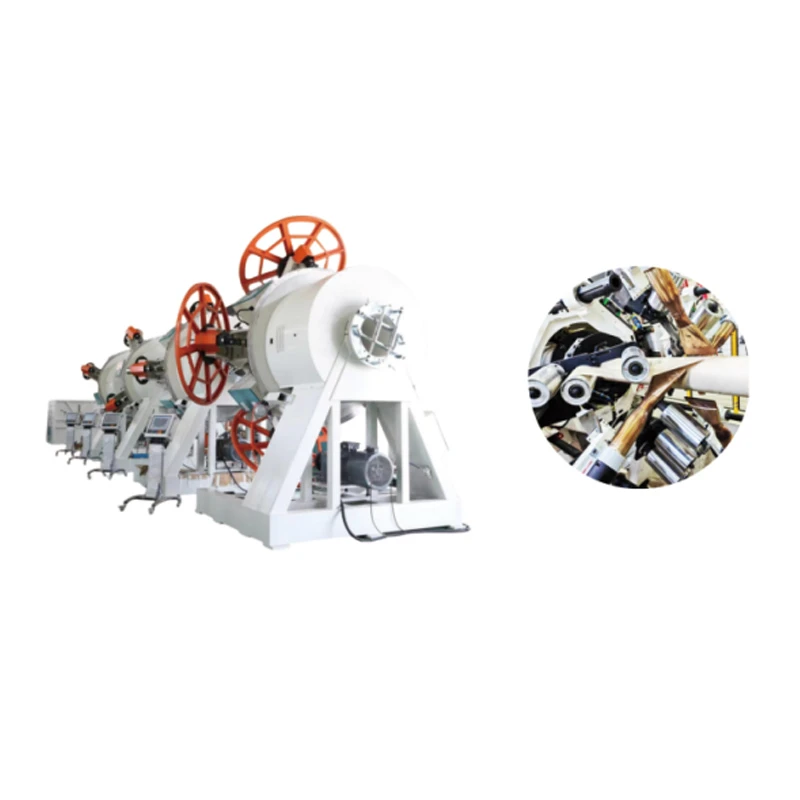
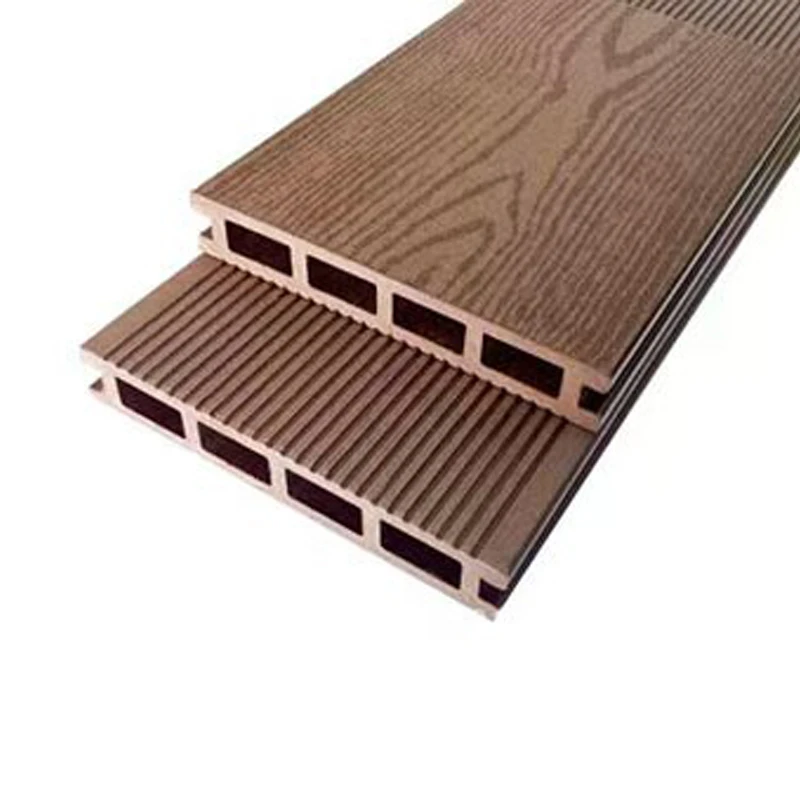
In straightforward terms: a hollow profile sheet extrusion line is an industrial setup that melts and shapes plastic resin into hollow, lightweight sheets or profiles. The “hollow” bit here isn’t just a quirky marketing term; it means the sheets have empty spaces inside — think plastic honeycombs or double-walled boards — reducing weight without losing strength.
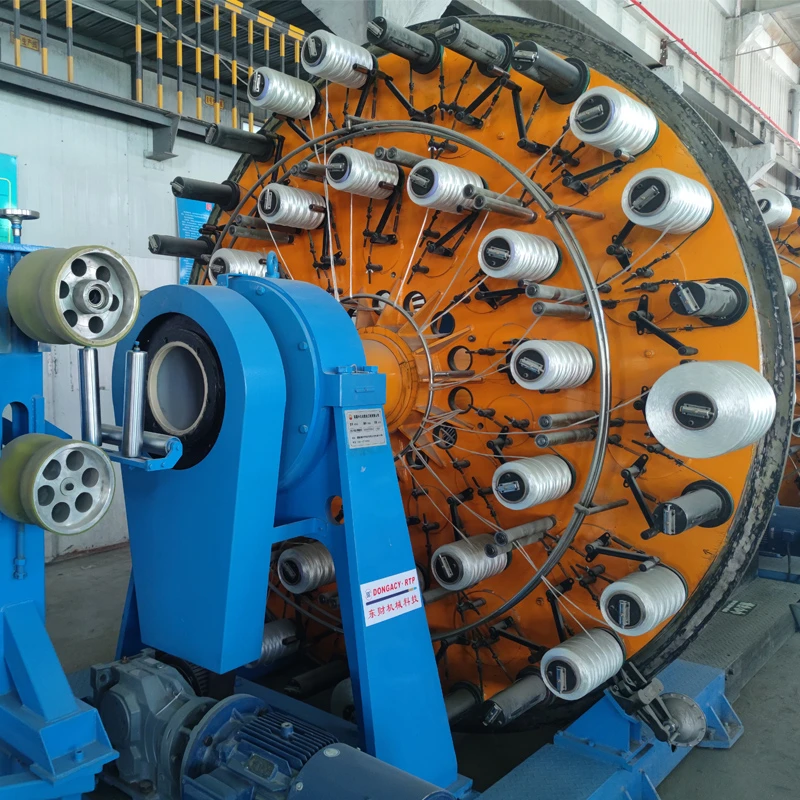
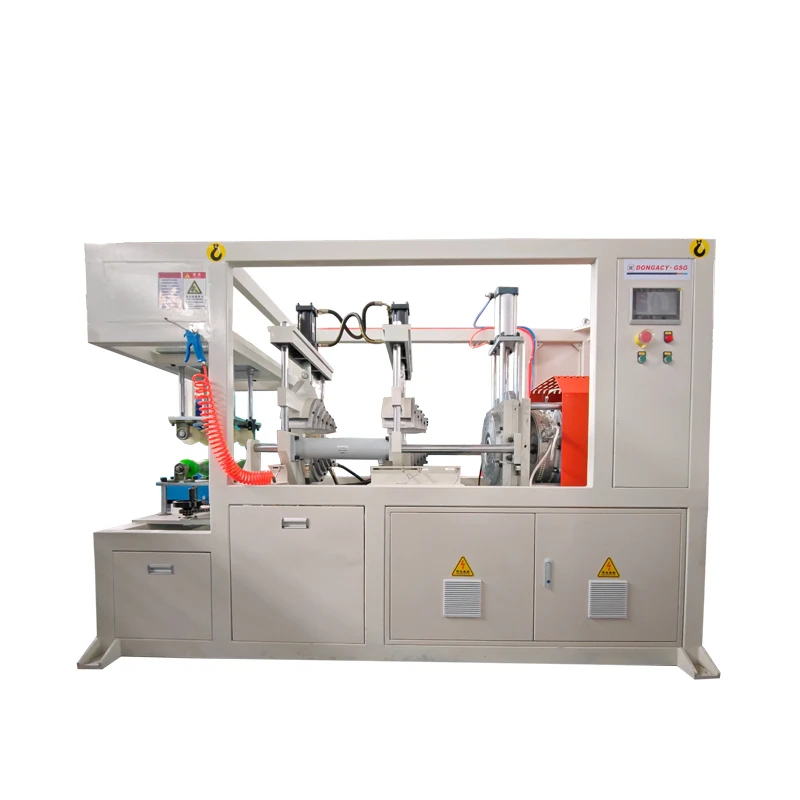
This process involves feeding raw plastic pellets through an extruder, pushing molten plastic through specialized dies that define the hollow shape, then cooling and cutting the final profile.
Because of their hollow structure, these sheets offer superb insulation and strength, making them ideal in modern construction (think temporary shelters), packaging (light, protective cases), and even automotive part fabrication.
Mini takeaway: Hollow profile sheet extrusion lines transform plastic pellets into versatile, hollow, durable sheets crucial for many industries, blending lightweight design with strength.
Key Factors That Define a Hollow Profile Sheet Extrusion Line
1. Durability & Material Quality
Material choice—like polycarbonate, polypropylene, or HDPE—dictates strength and longevity. Many engineers I spoke with swear by HDPE-filled lines for outdoor uses because of UV resistance. The extruder has to maintain consistent melt temperatures to preserve these qualities.
2. Production Speed & Scalability
How fast can sheets be made without defects? Lines with advanced screw designs and optimized cooling allow higher throughput. Scalability matters too, especially for manufacturers jumping between small prototype batches and large runs.
3. Energy Efficiency
Manufacturing is energy-hungry. Modern extrusion lines often incorporate servo motors and heat recovery systems to trim power consumption, essential for companies chasing green certifications or cutting operational costs.
4. Precision & Customization
Profiles aren’t “one size fits all.” From thickness to shape, dies must be customizable. Feedback systems and in-line thickness gauging ensure each sheet meets tight specifications, which keeps clients happy and reduces waste.
5. Automation & Digital Integration
Industry 4.0 is here. Many lines now include remote monitoring, self-diagnosis, and data logging. Oddly enough, this tech enables faster troubleshooting, as operators spot deviations early, avoiding whole batches of scrapped sheets.
Mini takeaway: Success with hollow profile sheet extrusion lines hinges on material choice, speed, energy use, accuracy, and embracing digital tools.
Real-World Applications of Hollow Profile Sheet Extrusion Lines
These machines quietly enable countless projects. In Europe’s construction sector, hollow profiles are common in modular building facades due to their lightweight but rigid nature.
In disaster relief, organizations use hollow profile sheets for fast-deploying shelters—light enough to ship in bulk but tough enough to handle elements, offering displaced families dignity and protection.
Asia’s booming packaging industry relies heavily on hollow profiles for custom crates that protect electronics and delicate items during shipping.
Even in agriculture, hollow profiles serve as greenhouse cladding, where thermal insulation matters as much as sunlight penetration.
Mini takeaway: From emergency shelters to sophisticated packaging, hollow profile sheets find life across diverse sectors and worldwide regions.
Advantages and Long-Term Value of Hollow Profile Sheet Extrusion Lines
- Cost Savings: Hollow sheets use less plastic while preserving performance, reducing costs directly linked to materials and transportation.
- Sustainability: Many extrusion lines now accommodate recycled plastics, reducing environmental footprints.
- Durability: Enhanced resistance to impact and weathering means fewer replacements over time.
- Social Impact: Quick-to-build shelters improve safety and comfort in humanitarian crises.
- Innovation: Constant improvements in extrusion tech mean smaller scrap rates, faster setups, and smarter production cycles.
It feels like these lines are quietly supporting a future where durable, affordable, and eco-friendly materials become the norm in construction and packaging.
Mini takeaway: Investing in hollow profile sheet extrusion technology delivers financial, environmental, and societal benefits that compound over years.
Future Trends and Innovations in Hollow Profile Sheet Extrusion Lines
Looking ahead, manufacturers are exploring bio-based polymers to replace fossil-based plastics. Advanced sensors embedded in tooling monitor wear in real time, pushing predictive maintenance to new heights.
Automation will almost certainly deepen with AI algorithms optimizing melt rates and cooling cycles for bespoke profile demands. The integration of renewable energy sources to power extrusion factories is already underway in parts of Europe and Japan.
And then there’s modularity—a trend where extrusion lines can switch swiftly between products without extensive downtime, catering to more customized, sustainable production runs.
Mini takeaway: The future points to greener materials, smarter automation, and flexible production lines that respond swiftly to market and environmental demands.
Challenges Faced & Solutions in Hollow Profile Sheet Extrusion Production
Challenges? Oh, plenty. Feeding highly recycled plastics can cause inconsistencies, impacting quality. And tooling for new profile shapes often involves pricey, time-consuming custom dies.
Many vendors are tackling this by using hybrid resin blends and modular die designs that speed up changeovers. AI-powered visual inspection systems catch defects early, cutting down on wasteful runs.
Training skilled operators who understand the nuanced behavior of plastic melts remains a bottleneck, so continuous education combined with user-friendly interfaces is critical.
Mini takeaway: Overcoming extrusion line hurdles means investing in smarter tooling, better materials, and human expertise.
Practical FAQs About Hollow Profile Sheet Extrusion Lines
- Q: How does hollow profile sheet extrusion line technology save costs compared to solid sheet extrusion?
- A: By creating hollow sections within sheets, less material is used without sacrificing strength, lowering raw material costs and shipping weight considerably.
- Q: Can extrusion lines handle recycled plastics without performance loss?
- A: Many modern lines can, though quality control and material preprocessing are vital to avoid defects. Blended resins often help maintain melt consistency.
- Q: What industries benefit most from hollow profile sheets?
- A: Construction (insulated panels, cladding), packaging for fragile goods, automotive lightweight parts, and humanitarian shelter components are some primary sectors.
- Q: How customizable are the hollow profiles produced?
- A: Quite customizable. Dies and cooling systems allow tweaks in thickness, shape, and size to fit exact specifications demanded by customers.
- Q: What support is typically needed after installing an extrusion line?
- A: Training for operators, regular maintenance, software updates for control systems, and sometimes remote diagnostics to optimize production.
Summary and Next Steps
The hollow profile sheet extrusion line isn't just machinery—it's an enabler of premium, cost-effective, and sustainable production of plastic profiles crucial to today's industries and tomorrow’s innovations. For manufacturers aiming to future-proof their operations or humanitarian groups needing reliable shelter solutions, investing in this technology ticks many important boxes.
Interested? Explore how to get started or upgrade your extrusion line at hollow profile sheet extrusion line.
Technical Specification Table
| Specification | Typical Range / Feature |
|---|---|
| Extruder Screw Diameter | 75 mm - 150 mm |
| Max Line Speed | 15 - 30 m/min |
| Profile Thickness | 2 mm - 20 mm (customizable) |
| Plastic Types Supported | HDPE, PP, PC, Recycled blends |
| Automation Level | Manual to Fully Automated with AI Monitoring |
| Power Consumption | 50 - 120 kW (depending on size) |
Vendor Comparison Table
| Vendor | Customization | Energy Efficiency | Automation Features | Customer Support |
|---|---|---|---|---|
| Alpha Extrusion Co. | High (modular dies) | Excellent (servo motors) | Full AI integration | 24/7 global support |
| Beta Plastic Lines | Medium (custom dies) | Good (heat recovery) | Remote monitoring | Business hours only |
| Gamma Extrusion Solutions | Low (standard dies) | Average | Manual controls | Limited remote support |
References:
-
High Efficiency PE Extrusion Line Guide for Plastic ManufacturingNewsApr.16,2026
-
High Speed Steel Wire Mesh HDPE Composite Pipe Production Line - Anhui Dongchai|High Automation&Energy EfficiencyNewsApr.13,2026
-
High Speed Steel Wire Mesh HDPE Composite Pipe Production Line - Anhui Dongchai|High Automation&Energy EfficiencyNewsApr.13,2026
-
Guide to Choosing High Efficiency ppr pipe extrusion machineNewsApr.09,2026
-
Comprehensive Guide to Modern Pipe Production Line Technologies and OptimizationNewsApr.07,2026
-
Choosing the Right Extrusion Pipe Machine for Optimal Plastic Pipe ProductionNewsApr.04,2026
-
Comprehensive Guide to PPR Pipe Extrusion Line Technology and ApplicationsNewsMar.31,2026


