
The aluminium extrusion line: A cornerstone of modern manufacturing
Ever wondered how those sleek window frames, car parts, or even airplane components come into being? Much of it relies on the aluminium extrusion line, a manufacturing process that’s quietly pivotal to industries worldwide. Understanding how it works—and why it matters—is more than just for engineers. It touches on sustainability, economic growth, and even humanitarian aid at times.
At its core, an aluminium extrusion line shapes raw aluminium into specific profiles by forcing it through machined dies. This process offers incredible flexibility with high speed and precision, allowing for complex, lightweight components that fuel everything from smartphones to skyscrapers.
Introduction: Why the aluminium extrusion line matters worldwide
Aluminium production and processing have skyrocketed in recent decades. According to the International Aluminium Institute, global aluminium demand grew over 5% annually before the pandemic and showed strong recovery since. Its use in transportation, construction, and packaging makes aluminium a critical metal worldwide.
However, producing quality aluminium profiles efficiently remains a challenge. The aluminium extrusion line helps by streamlining production while minimizing waste and energy consumption—issues central to industries trying to balance high demand and sustainability. It also delivers highly customized, precision parts instantly necessary in fast-moving sectors.
With urbanization and infrastructure needs rising sharply, efficient extrusion lines are key to meet demands for durable yet lightweight materials without huge ecological footprints. So, in industry, logistics, and even humanitarian contexts — where rapid deployment of shelter or infrastructure matters — these lines make all the difference.
What exactly is an aluminium extrusion line?
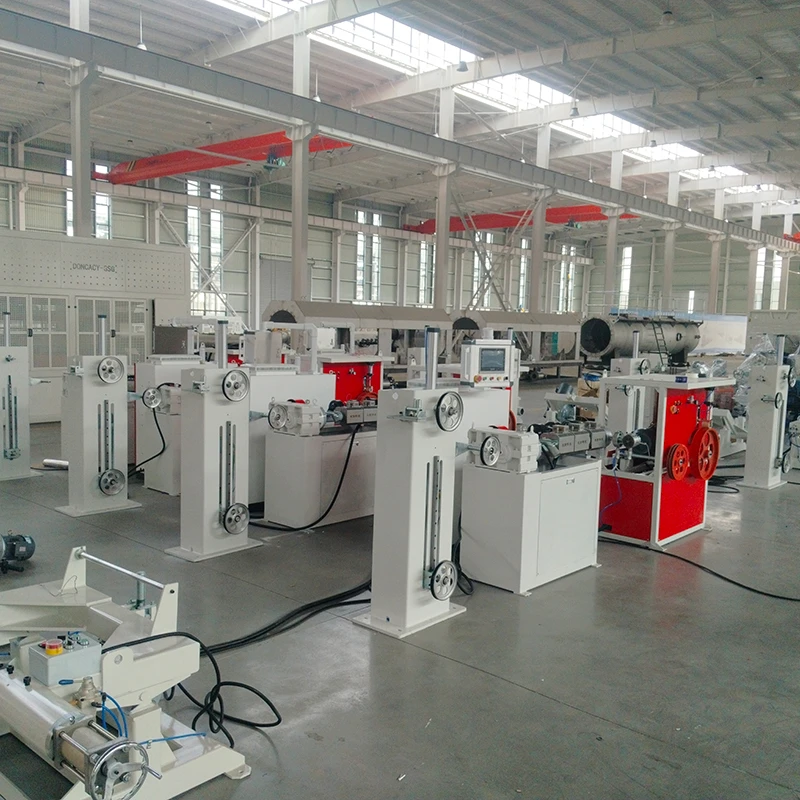
Put simply, an aluminium extrusion line is a sequence of machines configured to take billets—compact blocks of aluminium alloy—and push them through a shaped opening (die) to create a continuous profile. This “extruded” shape can be anything from a simple rod to a highly intricate frame.
Beyond the mechanical action, extrusion lines typically include heating furnaces to soften billets, cooling sections, stretching beds to straighten profiles, and cutting stations to size finished parts. Usually, it's all controlled via computerized systems ensuring consistent quality and speed.
Why does this matter beyond factory floors? Aluminium extrusions are pivotal in light-weighting initiatives, crucial for cutting fuel consumption in transport and reducing metal use in construction. Even in crisis zones, extruded aluminium parts form the backbone of quick assembly shelters and modular infrastructure.
Core components and key factors to consider
1. Durability & Material Quality
Of course, the metal's alloy composition influences extrusion outcomes drastically. High-quality billets mean stronger, corrosion-resistant profiles that last decades—very important for outdoor construction or marine applications.
2. Scalability and Throughput
Modern extrusion lines often boast flexible speeds from a few kilograms per hour to tons daily. This scalability suits anything from prototyping to mass production, which is a huge draw for manufacturers managing variable orders.
3. Precision and Customization
The shaping dies and computerized controls enable producing highly specialized profiles, meeting precise tolerances. This is a must for tech-heavy fields like aerospace and automotive, where safety margins leave no room for error.
4. Energy Efficiency
Extrusion demands significant heat and force, so energy-efficient components—like electric furnaces and optimized hydraulic systems—are big factors in operational costs and environmental footprint.
5. Automation and Control Systems
Because even tiny deviations can cause costly scrap, modern extrusion lines incorporate smart sensors and data analytics to adjust processes in real-time—a nod to Industry 4.0 trends.
Typical product specification for a mid-range aluminium extrusion line
| Parameter | Specification |
|---|---|
| Billet diameter range | 90 - 220 mm |
| Max extrusion force | 15,000 kN |
| Extrusion speed | Up to 3 m/min (depending on profile) |
| Heating system | Electric resistance furnace with PID control |
| Control system | PLC with HMI touchscreen interface |
| Automation level | Semi to fully automated production line |
| Cooling method | Water quenching and air cooling sections |
Case example: Comparing three leading aluminium extrusion line vendors
| Feature | Vendor A | Vendor B | Vendor C |
|---|---|---|---|
| Max extrusion force | 16,000 kN | 14,500 kN | 15,200 kN |
| Automation | Full Industry 4.0 integration | Semi-auto with optional upgrades | Basic automated controls |
| Energy efficiency | High-efficiency electric heating | Standard gas furnace | Hybrid electric-gas system |
| Customization Support | Strong R&D & in-house die making | Limited to predefined profiles | Custom profiles via third-party tools |
| Lead time | 3-4 months | 2-3 months | 4-6 months |
How aluminium extrusion lines are used around the world
The versatility here is staggering. In Asia, extrusion lines fuel booming construction markets by producing large volumes of window and curtain wall frames. I noticed South Korea and China leading innovations in high-speed extrusion tech.
European producers, meanwhile, lean heavily on customization for aerospace and automotive sectors, integrating lightweight aluminium parts that boost fuel efficiency. Meanwhile, North America’s push to construct sustainable housing relies on modular aluminium extrusions for quick assembly.
In humanitarian contexts—for example, post-disaster rebuilding—portable extrusion lines or prefabricated profiles enable NGOs to erect durable shelters faster than traditional methods. It’s a small fact but kind of heartwarming too.
Advantages & long-term value of aluminium extrusion lines
- Cost efficiency: Reduced material waste, faster production cycles, and the ability to recycle aluminium scrap.
- Sustainability: Lightweight profiles cut transport emissions; energy-saving furnaces and controlled processes minimize environmental impacts.
- Reliability & Safety: Profiles withstand harsh environments, ensuring lasting structural integrity and user safety.
- Innovation & design freedom: Complex shapes inspire new product designs, supporting competitive advantages.
- Social Impact: Faster production supports quick housing, infrastructure for underserved communities, reinforcing dignity.
Frankly, this combination of tangible benefits is why many manufacturing managers prioritize investing in advanced extrusion lines now. It’s kind of like putting your factory’s future on solid aluminium rails.
Emerging Trends in aluminium extrusion technology
Looking ahead, Industry 4.0 automation will only deepen: AI-driven monitoring, predictive maintenance, and smart die-changeover systems promise dramatic uptime improvements. Some lines feature robotics to handle delicate profiles without damage.
Green energy initiatives are pushing extrusion plants towards solar-powered furnaces and heat recovery systems, driving both cost savings and reduced carbon footprints. New aluminium alloys adapted for faster extrusion at lower temperatures may reshape material capabilities.
Digitally integrated supply chains enable just-in-time delivery of extrusion profiles, which is incredibly useful for modular construction and customized product manufacturing.
Common challenges — and how specialists overcome them
While extrusion lines are robust, challenges persist. One is scaling up complexity without losing product tolerance—which can demand costly die remakes or slower speeds. Second, managing energy use, especially in regions with expensive power.
Innovations like modular line configurations, adjustable extrusion presses, and hybrid heating systems address these issues. Plus, enhanced operator training and remote diagnostics reduce downtime and scrap.
Frequently Asked Questions About aluminium extrusion line
- What industries benefit most from aluminium extrusion lines?
- Industries like construction, automotive, aerospace, electronics, and packaging rely heavily on extrusion lines due to aluminium's lightweight and durable nature, enabling specialized parts that meet tight tolerances and sustainability goals.
- How customizable are extrusion profiles?
- Extremely customizable. Manufacturers can design complex cross-sections to exact specifications, allowing unique applications such as thermal breaks in windows or aerodynamic automotive parts. Custom dies and CAD integration make this flexibility possible.
- What is the typical lifespan of an aluminium extrusion line?
- With proper maintenance, extrusion lines can last 15-20 years or more. Components like dies may require periodic replacement, but overall, these lines are designed for long-term industrial use.
- Is investing in a highly automated aluminium extrusion line worth it?
- Yes, although upfront costs may be higher, automation reduces labor costs, improves product quality, speeds up production, and enables data-driven process improvements, ultimately yielding strong ROI.
- Can extrusion lines be adapted for sustainable manufacturing?
- Definitely. Modern lines incorporate energy-efficient heating, recycling systems for scrap aluminium, and precise controls that minimize waste. Transitioning to electric furnaces also reduces greenhouse gas emissions significantly.
Conclusion & next steps
Summing up, the aluminium extrusion line is more than a manufacturing tool — it’s a strategic asset for industries pushing the boundaries of design, sustainability, and efficiency. As challenges evolve, so too do the machines, becoming smarter, greener, and even faster.
For anyone interested in seeing how these lines can transform your production or infrastructure projects, I suggest checking out the latest innovations at aluminium extrusion line providers. Whether you’re aiming for high-volume output or tailored parts, the future feels pretty exciting.
After all, it’s metal, machinery, and a pinch of human ingenuity bringing tomorrow into shape.
References:
-
High Efficiency PE Extrusion Line Guide for Plastic ManufacturingNewsApr.16,2026
-
Guide to Choosing High Efficiency ppr pipe extrusion machineNewsApr.09,2026
-
Comprehensive Guide to Modern Pipe Production Line Technologies and OptimizationNewsApr.07,2026
-
Choosing the Right Extrusion Pipe Machine for Optimal Plastic Pipe ProductionNewsApr.04,2026
-
Comprehensive Guide to PPR Pipe Extrusion Line Technology and ApplicationsNewsMar.31,2026
-
Understanding the Functionality and Applications of a Pipe Extruder SystemNewsMar.28,2026
-
Comprehensive Guide to Pipe Extrusion Machine Technology and ApplicationsNewsMar.26,2026


