
Understanding Pipe Extrusion Machines: A Comprehensive Guide
Pipe extrusion machines are fundamental to modern infrastructure, producing the plastic pipes crucial for water supply, sewage systems, irrigation, and more. Selecting the right machine is paramount for efficient production and high-quality output. This article provides a detailed overview of pipe extrusion, including types of machines, key components, considerations for purchase, and how AHD C11 Machinery excels in this field. Understanding the nuances of these machines is vital for businesses involved in plastic pipe manufacturing.
What is a Pipe Extrusion Machine?
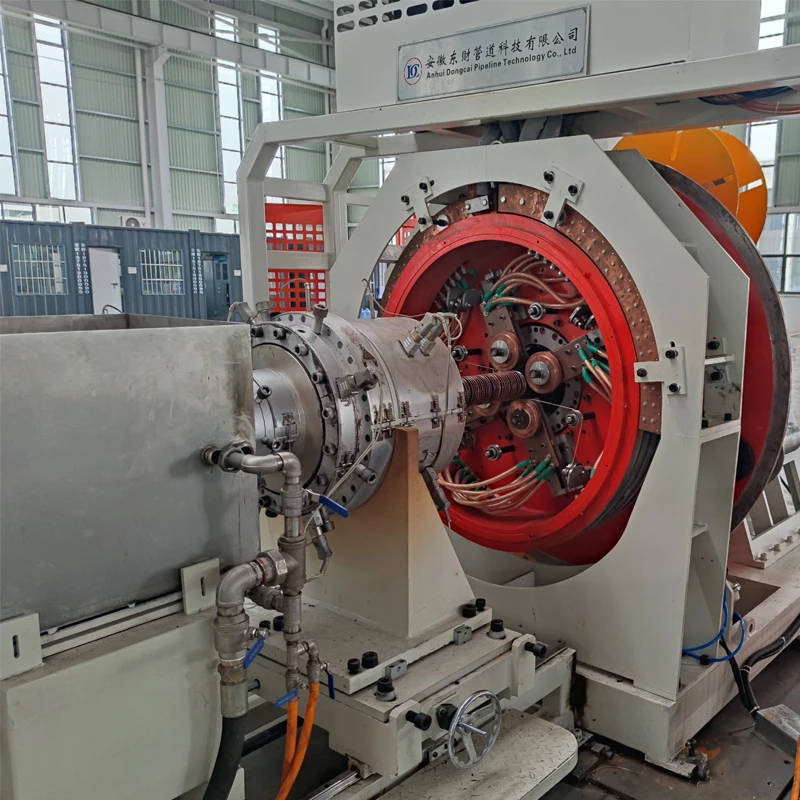
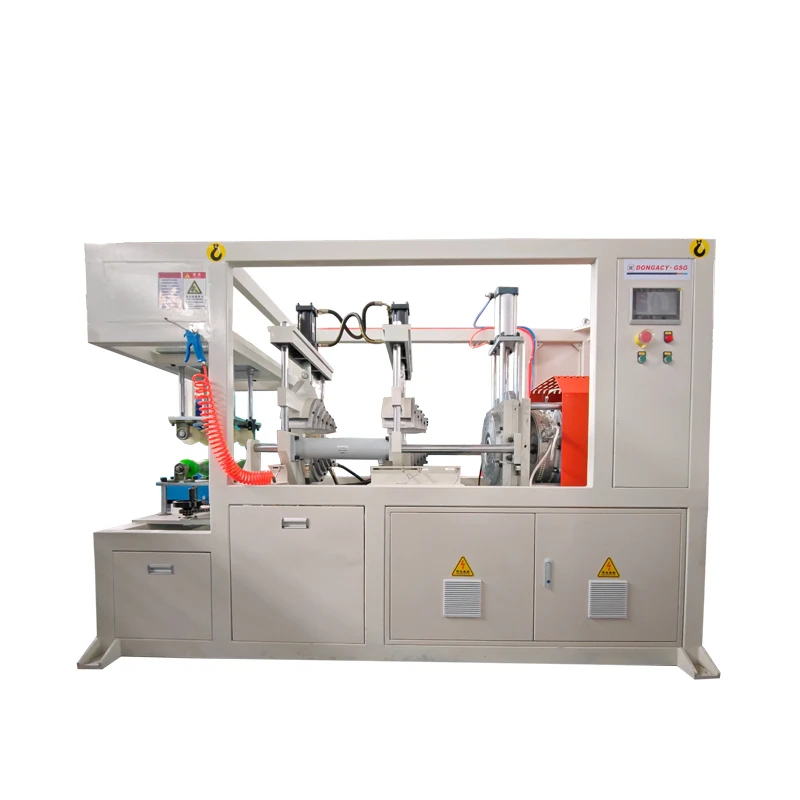
A pipe extrusion machine is a high-capacity plastic processing machine used to create continuous pipes from raw plastic materials like PVC, PE, PPR, and HDPE. The process involves melting the plastic pellets and forcing them through a die, which shapes the molten plastic into the desired pipe diameter and thickness. The resulting pipe is then cooled, calibrated, and cut to length. These machines are essential for producing pipes for a diverse range of applications.
Key Process: Melting plastic pellets, forcing them through a die, cooling, calibrating, and cutting to length.
Types of Pipe Extrusion Machines
There are several types of pipe extrusion machines, each suited for specific materials, pipe sizes, and production volumes. The most common types include:
- Single-Screw Extruders: Versatile and widely used for PVC, PE, and PPR pipes.
- Twin-Screw Extruders: Ideal for more demanding materials like reinforced plastics and precise tolerances.
- Co-Extrusion Machines: Allow for multiple layers of different materials in a single pipe, for example, adding a UV-resistant outer layer.
Key Considerations when Selecting a Machine:
• Material Compatibility
• Pipe Diameter and Wall Thickness
• Production Capacity
• Automation Level
Key Components of a Pipe Extrusion Machine
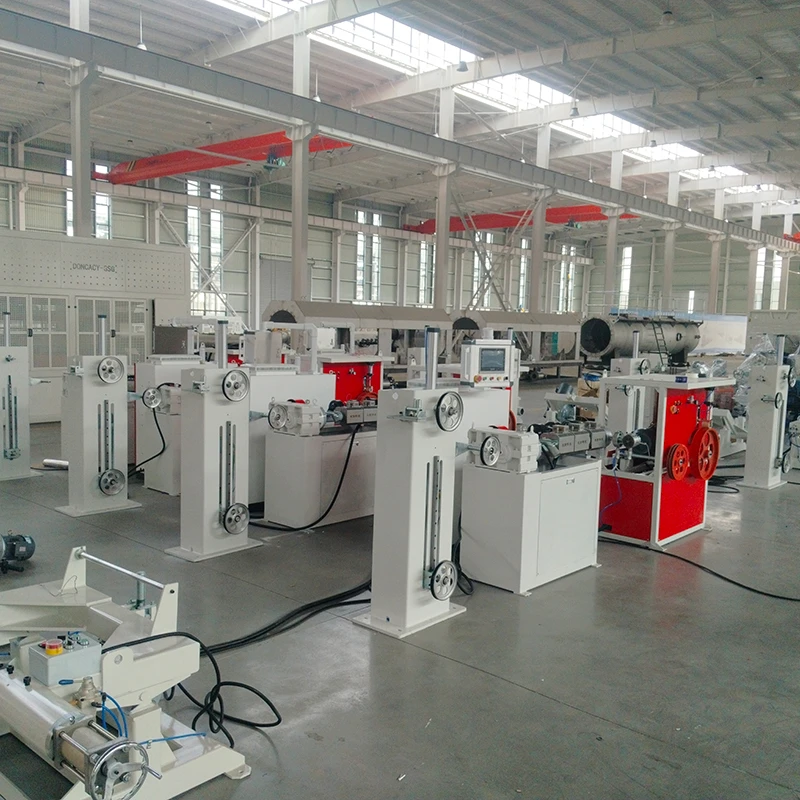
Understanding the components is essential for maintenance and troubleshooting. Key components include:
Extruder: Melts and conveys the plastic material.
Die: Shapes the molten plastic into the desired pipe profile.
Calibration System: Ensures the pipe maintains its correct dimensions during cooling.
Cooling System: Rapidly cools the pipe to solidify its shape.
Haul-Off Unit: Pulls the pipe through the extrusion line at a consistent speed.
Cutting Unit: Cuts the pipe to the desired length.
AHD C11 Machinery: Leading Pipe Extrusion Machine Solutions
AHD C11 Machinery specializes in high-quality pipe extrusion machines, offering a range of solutions to meet diverse production needs. Our machines are engineered for efficiency, reliability, and precise control, ensuring consistent product quality. We offer customized solutions, technical support, and comprehensive after-sales service.
Future Trends in Pipe Extrusion
The pipe extrusion industry is constantly evolving. Key trends include increased automation, the use of sustainable materials (like recycled plastics), and the development of more efficient extrusion technologies. Industry 4.0 principles, such as data analytics and predictive maintenance, are also gaining traction, optimizing production processes and reducing downtime.
Conclusion: Choosing the Right Pipe Extrusion Partner
Investing in a high-quality pipe extrusion machine is a crucial step for any plastic pipe manufacturing business. AHD C11 Machinery provides reliable, efficient, and customized solutions to meet your specific needs. Contact us today to learn more about how we can help you optimize your production process.
Frequently Asked Questions (FAQs)
What materials can a pipe extrusion machine process?
Pipe extrusion machines are incredibly versatile and can process a wide range of plastic materials. The most common materials include Polyvinyl Chloride (PVC), Polyethylene (PE), Polypropylene (PPR), and High-Density Polyethylene (HDPE). The choice of material depends on the intended application of the pipe – for instance, PVC is often used for drainage and irrigation, while HDPE is commonly used for water supply due to its durability and chemical resistance. Some machines can also handle more specialized materials like CPVC or reinforced plastics, depending on the screw and die configuration.
What is the typical lifespan of a pipe extrusion machine?
The lifespan of a pipe extrusion machine typically ranges from 10 to 20 years, depending on usage, maintenance, and the quality of the machine. Machines from reputable manufacturers like AHD C11 Machinery are built for longevity and durability. Regular preventative maintenance, including lubrication, component inspections, and timely replacements, is crucial for maximizing the machine's lifespan. The frequency of use and the types of materials processed also play a significant role.
What level of automation is available in pipe extrusion machines?
Pipe extrusion machines are available with varying levels of automation. Basic models may require significant manual operation, while more advanced machines offer full automation, including automatic material feeding, diameter control, wall thickness adjustment, and even robotic handling of finished pipes. Full automation increases production efficiency, reduces labor costs, and improves product consistency. AHD C11 Machinery offers a range of automation options to suit different production requirements.
-
High Efficiency PE Extrusion Line Guide for Plastic ManufacturingNewsApr.16,2026
-
High Speed Steel Wire Mesh HDPE Composite Pipe Production Line - Anhui Dongchai|High Automation&Energy EfficiencyNewsApr.13,2026
-
High Speed Steel Wire Mesh HDPE Composite Pipe Production Line - Anhui Dongchai|High Automation&Energy EfficiencyNewsApr.13,2026
-
Guide to Choosing High Efficiency ppr pipe extrusion machineNewsApr.09,2026
-
Comprehensive Guide to Modern Pipe Production Line Technologies and OptimizationNewsApr.07,2026
-
Choosing the Right Extrusion Pipe Machine for Optimal Plastic Pipe ProductionNewsApr.04,2026
-
Comprehensive Guide to PPR Pipe Extrusion Line Technology and ApplicationsNewsMar.31,2026


