Plastic extrusion, at its heart, is a manufacturing process where raw plastic material is melted and formed into a continuous profile. The global demand for extruded plastic products is massive, touching nearly every industry – from packaging and construction to automotive and healthcare. This demand isn't just about volume; it’s about precision, material science, and the ability to consistently deliver high-quality components. That’s where skilled plastic extruder machine manufacturers become critical. They aren’t just selling equipment; they’re providing solutions to complex manufacturing challenges. The stakes are high, because poor quality extrusion can lead to product failures, recalls, and ultimately, significant financial losses for their customers.
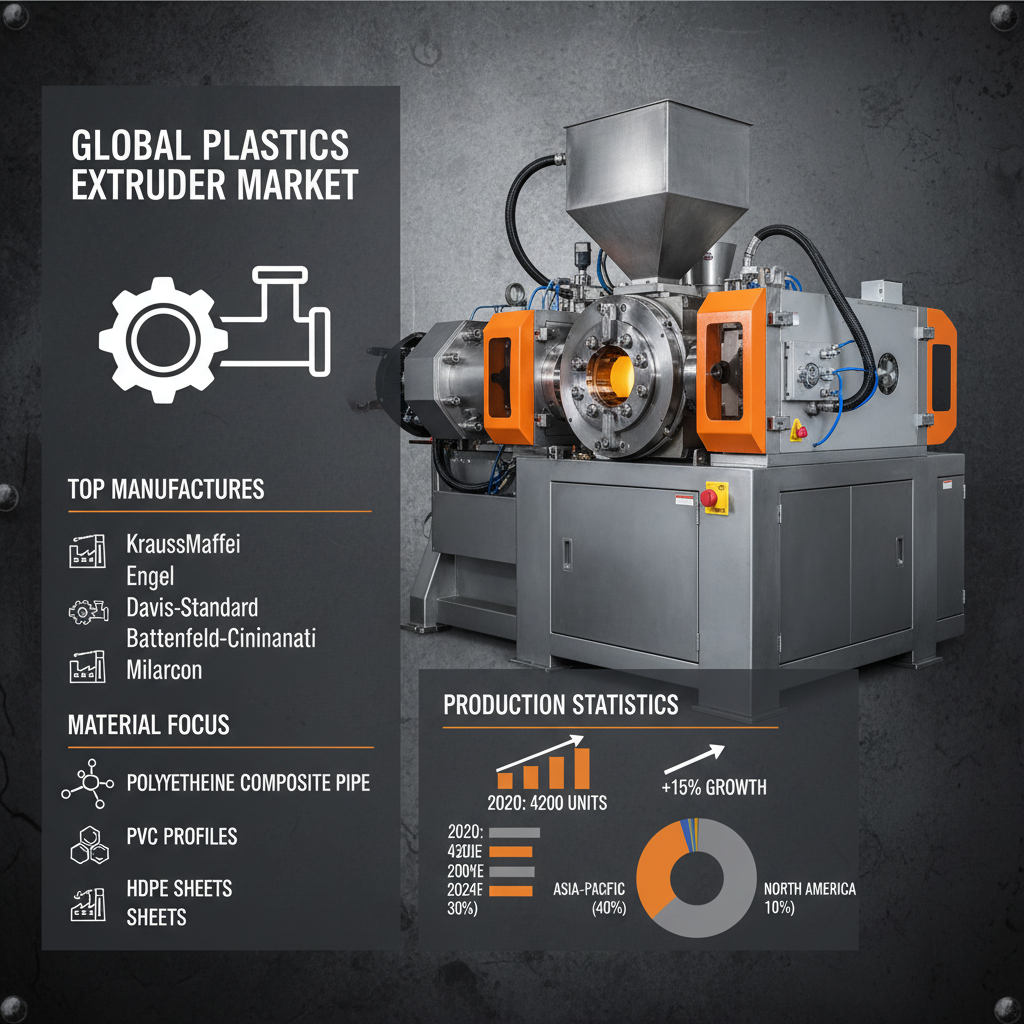
Understanding the capabilities of these manufacturers is vital. We’re talking about a multi-billion dollar market, constantly evolving with new materials and stricter regulations. As someone who spends a lot of time on job sites, seeing the real-world impact of good – and bad – plastic components, it's clear this isn't just about machinery; it’s about building reliable infrastructure, safe products, and a sustainable future.
I’ve seen firsthand how selecting the right extrusion equipment, backed by a responsive manufacturer, can make or break a project. It's not just about finding the cheapest option; it's about long-term value, technical support, and the manufacturer's commitment to innovation.
The Core of Plastic Extrusion: Understanding Manufacturers
When you're looking at plastic extruder machine manufacturers, you’re not just buying a piece of kit. You're engaging a partner who understands the entire process – from polymer selection and screw design to die creation and post-extrusion handling. A good manufacturer doesn't just sell you a machine; they help you optimize your entire production line. This means offering expertise in resin compatibility, throughput optimization, and troubleshooting potential issues.
I've seen too many companies jump on the cheapest machine only to spend a fortune on repairs, downtime, and ultimately, scrapped product. A reliable manufacturer provides preventative maintenance schedules, readily available spare parts, and, crucially, technicians who can be on-site quickly to resolve issues. That last point is huge when you’re up against a deadline.
Defining Plastic Extruder Machine Manufacturers
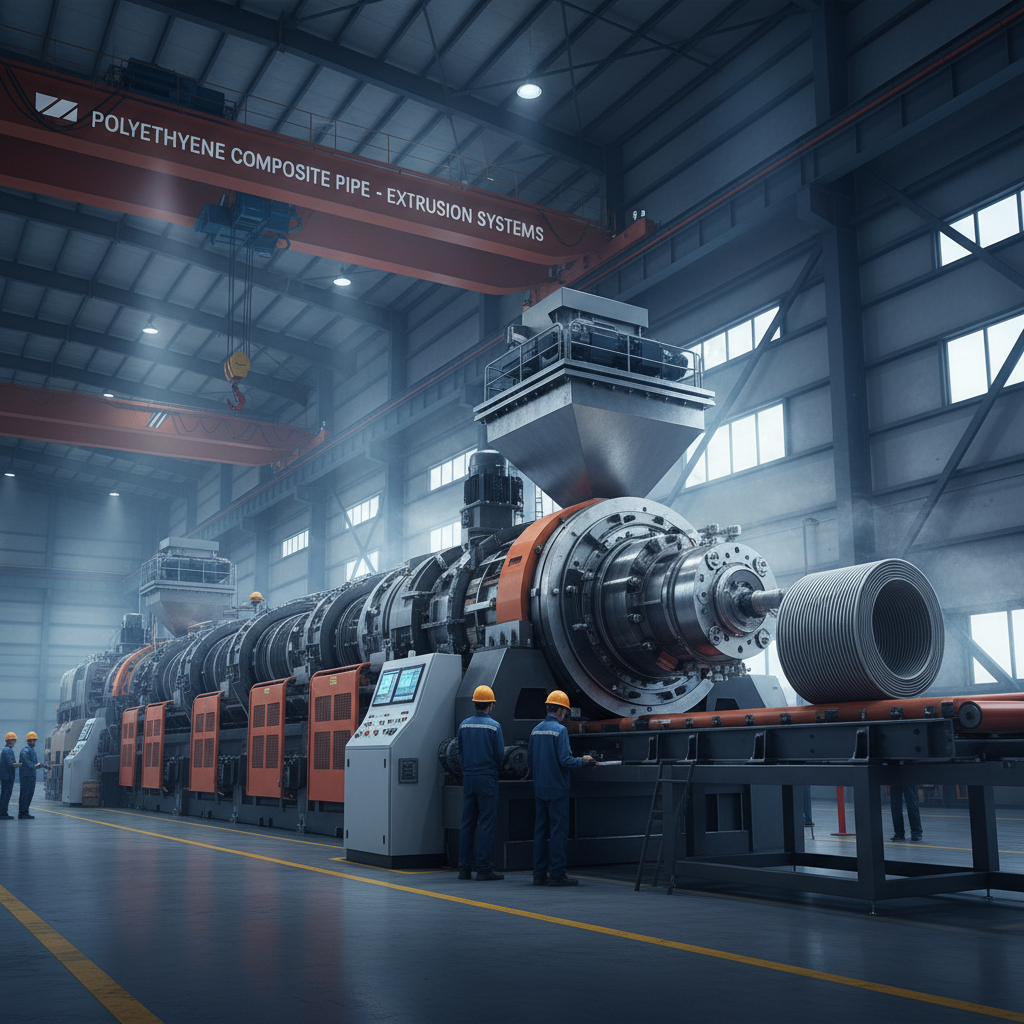
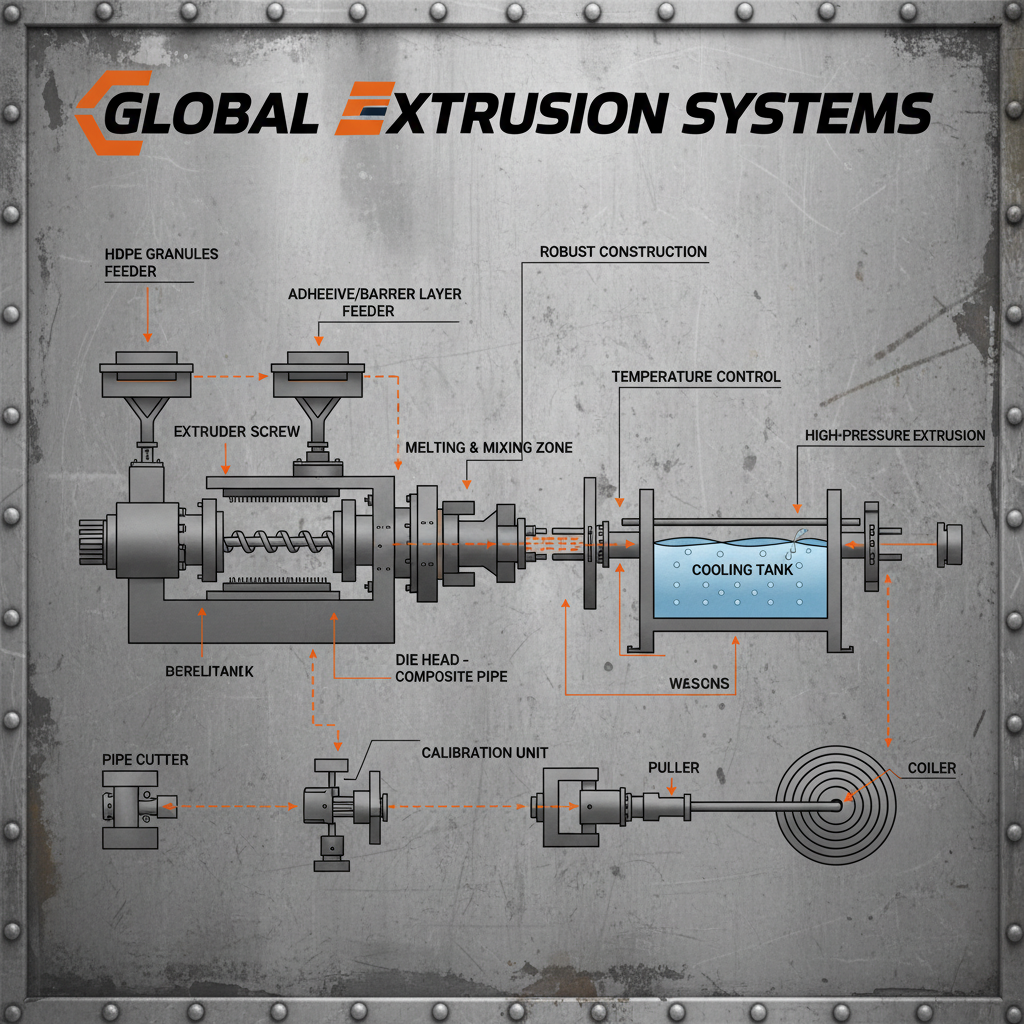
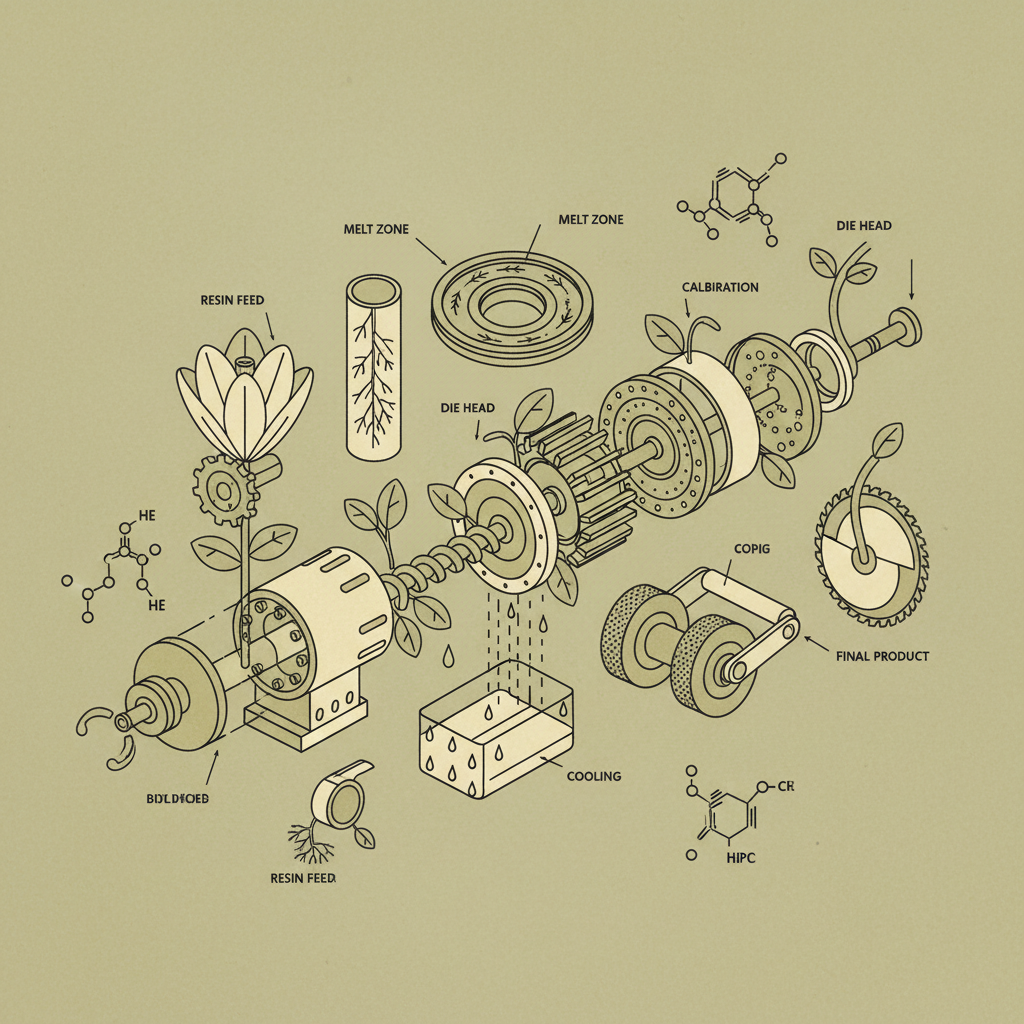
Essentially, plastic extruder machine manufacturers design, build, and service the equipment used to create plastic profiles. This includes single-screw extruders, twin-screw extruders, and specialized extrusion lines tailored for specific applications like pipe, sheet, film, and profiles. They're not limited to just the machine itself; they often provide ancillary equipment like mixers, dryers, granulators, and downstream processing systems.
What sets the good ones apart is their ability to customize solutions. Every project is different. Material types, desired output, and end-product requirements vary widely. A manufacturer that can adapt to those specific needs—offering custom die designs, screw configurations, and control systems—is invaluable.
It’s a vital link in the supply chain for countless industries. Without them, modern manufacturing as we know it simply wouldn’t function. Consider the PVC piping in your plumbing, the plastic trim in your car, the packaging around your food – all of it relies on the technology these manufacturers provide.
Key Attributes of Top Manufacturers
Durability is paramount. Construction sites aren't known for being gentle environments. Extruders need to withstand constant use, temperature fluctuations, and potential impacts. Top manufacturers use high-quality materials and robust construction techniques to ensure their machines can handle the demands of a real-world production environment. Scalability is also critical. A manufacturer should be able to provide solutions that can grow with your business, from small-scale pilot lines to high-volume production facilities.
Cost-efficiency isn’t just about the initial purchase price. It’s about minimizing downtime, reducing energy consumption, and optimizing material utilization. The best manufacturers focus on designing energy-efficient machines and providing training to help operators maximize throughput and minimize waste. Finally, a responsive customer service and robust after-sales support network, including readily available spare parts and skilled technicians, are essential for keeping your production line running smoothly.
Innovation is also a huge differentiator. The industry is constantly evolving with new materials and processes. Manufacturers who invest in research and development, and who actively seek feedback from their customers, are better positioned to deliver cutting-edge solutions. This includes incorporating automation, advanced control systems, and new technologies like additive manufacturing to enhance performance and efficiency. They understand that staying ahead of the curve is vital for both their own success and the success of their customers.
Technical expertise is something you really want to assess. You need a manufacturer whose engineers can not only build the machine but also troubleshoot problems, optimize processes, and provide guidance on material selection. I’ve seen far too many situations where a company purchased a machine without fully understanding its capabilities, and then struggled to get it working efficiently.
Global Applications and Industry Impact
The applications of extruded plastic products are incredibly diverse. In construction, they're used for piping, siding, window profiles, and roofing materials. In automotive, they’re essential for interior trim, dashboards, and under-the-hood components. Packaging relies heavily on extruded films and containers. Even the medical industry utilizes extruded tubing and components for devices and packaging.
The impact is truly global. We’re talking about providing infrastructure for developing nations, creating lightweight and fuel-efficient vehicles, and ensuring the safe delivery of food and medical supplies. I’ve seen these machines deployed in remote industrial zones, providing local manufacturing capabilities, and in post-disaster relief operations, producing emergency shelter components.
The demand is particularly strong in regions experiencing rapid urbanization and infrastructure development, like Southeast Asia and Africa. Manufacturers who can provide cost-effective, reliable solutions for these markets are well-positioned for growth.
Extrusion Method Performance Metrics
Advantages and Long-Term Value Proposition
The tangible benefits of investing in high-quality extrusion equipment are substantial. Lower operating costs due to energy efficiency, reduced material waste, and minimized downtime all contribute to a strong return on investment. But it's not just about the bottom line. Reliability and consistency are critical for maintaining product quality and customer satisfaction.
There's also a growing emphasis on sustainability. Modern extrusion machines can process recycled materials, reducing reliance on virgin plastics and minimizing environmental impact. Choosing a manufacturer committed to green technologies and sustainable practices is increasingly important, both for ethical reasons and to meet evolving regulatory requirements.
Future Trends in Plastic Extrusion Technology
We're seeing a definite push towards automation and digitalization. Integrating sensors, data analytics, and machine learning into extrusion lines allows for real-time monitoring, predictive maintenance, and optimized process control. This not only improves efficiency but also reduces the risk of costly breakdowns.
Another key trend is the development of new materials. Bioplastics, compostable polymers, and high-performance composites are gaining traction, driven by demand for more sustainable and environmentally friendly products. Manufacturers need to be able to adapt their equipment to handle these new materials effectively.
Challenges and Innovative Solutions
One of the biggest challenges is dealing with material variability. Different batches of plastic resin can have slightly different properties, which can affect the extrusion process. Manufacturers are addressing this with advanced control systems that can automatically adjust process parameters to compensate for these variations.
Another challenge is minimizing waste. Extrusion processes often generate scrap material, which needs to be recycled or disposed of. Manufacturers are developing techniques for reducing scrap rates, such as optimizing die designs and implementing closed-loop control systems.
Finally, skilled labor is becoming increasingly scarce. Automating extrusion lines and providing comprehensive training programs are essential for addressing this challenge.
Summary of Key Challenges and Solutions in Plastic Extrusion
| Challenge |
Impact on Production |
Innovative Solution |
Implementation Cost (1-10) |
| Material Variability |
Inconsistent product quality, increased scrap rates. |
Advanced process control with real-time adjustments. |
7 |
| Waste Generation |
Increased material costs, environmental impact. |
Optimized die design, closed-loop control, scrap recycling. |
6 |
| Skilled Labor Shortage |
Reduced productivity, increased error rates. |
Automation, comprehensive training programs. |
8 |
| Energy Consumption |
High operating costs, carbon footprint. |
Energy-efficient motors, optimized heating/cooling systems. |
5 |
| Maintaining Precision |
Dimensional inaccuracies, product defects. |
High-resolution sensors, automated calibration. |
7 |
| Adapting to New Materials |
Limited material compatibility, process inefficiencies. |
Modular screw designs, flexible heating zones. |
6 |
FAQS
When selecting a manufacturer, prioritize experience, reputation, and technical capabilities. Look for a company that offers customization options, robust after-sales support, and a commitment to innovation. Consider the specific materials you'll be processing, your production volume, and your budget. Don't solely focus on the initial purchase price; evaluate the long-term cost of ownership, including maintenance, energy consumption, and downtime. Checking references and visiting their facilities is also highly recommended.
Preventative maintenance is absolutely crucial. Regular inspections, lubrication, and component replacements can significantly extend the life of your equipment and minimize the risk of costly breakdowns. A well-maintained machine operates more efficiently, produces higher-quality products, and reduces downtime. Most manufacturers offer comprehensive maintenance schedules and can provide training for your in-house maintenance team. Neglecting preventative maintenance will invariably lead to expensive repairs and lost production.
Single-screw extruders are simpler and more cost-effective, suitable for processing relatively homogeneous materials. Twin-screw extruders, however, offer greater flexibility and control, making them ideal for processing more complex formulations, including recycled materials and compounds with additives. They provide better mixing and more consistent output, but are typically more expensive and require more skilled operators.
Quality control starts with selecting the right materials and maintaining precise process control. Regular monitoring of parameters like temperature, pressure, and screw speed is essential. Implementing in-line inspection systems and conducting thorough testing of finished products can help identify and address any defects. Working closely with your manufacturer to optimize the extrusion process and ensure proper die design is also crucial.
Automation is rapidly transforming the plastic extrusion industry. Automated systems can handle tasks like material feeding, process control, and quality inspection, reducing labor costs, improving efficiency, and minimizing errors. Integrating sensors, data analytics, and machine learning allows for real-time monitoring and optimization, leading to significant improvements in productivity and product quality. Investing in automation is becoming increasingly important for remaining competitive.
Lead times can vary significantly depending on the complexity of the line and the manufacturer's current workload. A standard extrusion line might take 8-12 weeks to deliver, while a fully customized solution could take 6 months or longer. It's essential to discuss your requirements with the manufacturer early in the process to get an accurate estimate of the lead time and plan accordingly. Factors like die design, screw configuration, and control system integration can all impact the delivery schedule.
Conclusion
Investing in the right plastic extrusion equipment, sourced from a reputable manufacturer, is a critical decision for any business involved in plastics processing. The key takeaways are to prioritize durability, scalability, innovation, and comprehensive support. Selecting a partner that understands your specific needs and can provide customized solutions is paramount.
The future of plastic extrusion lies in automation, digitalization, and sustainable practices. By embracing these trends and partnering with forward-thinking plastic extruder machine manufacturers, you can ensure your operations remain efficient, competitive, and environmentally responsible. Visit our website at www.ahdc11.com to learn more about our innovative solutions and how we can help you optimize your plastic extrusion process.