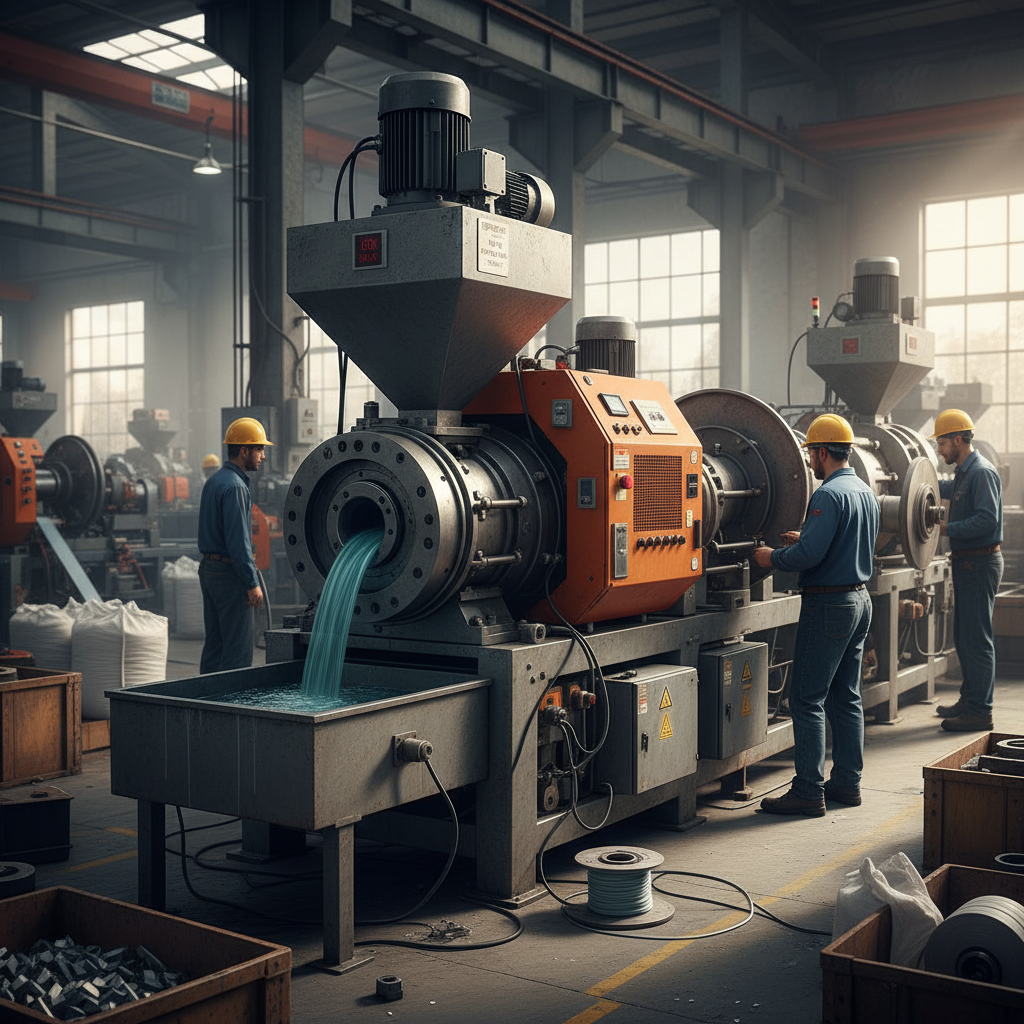
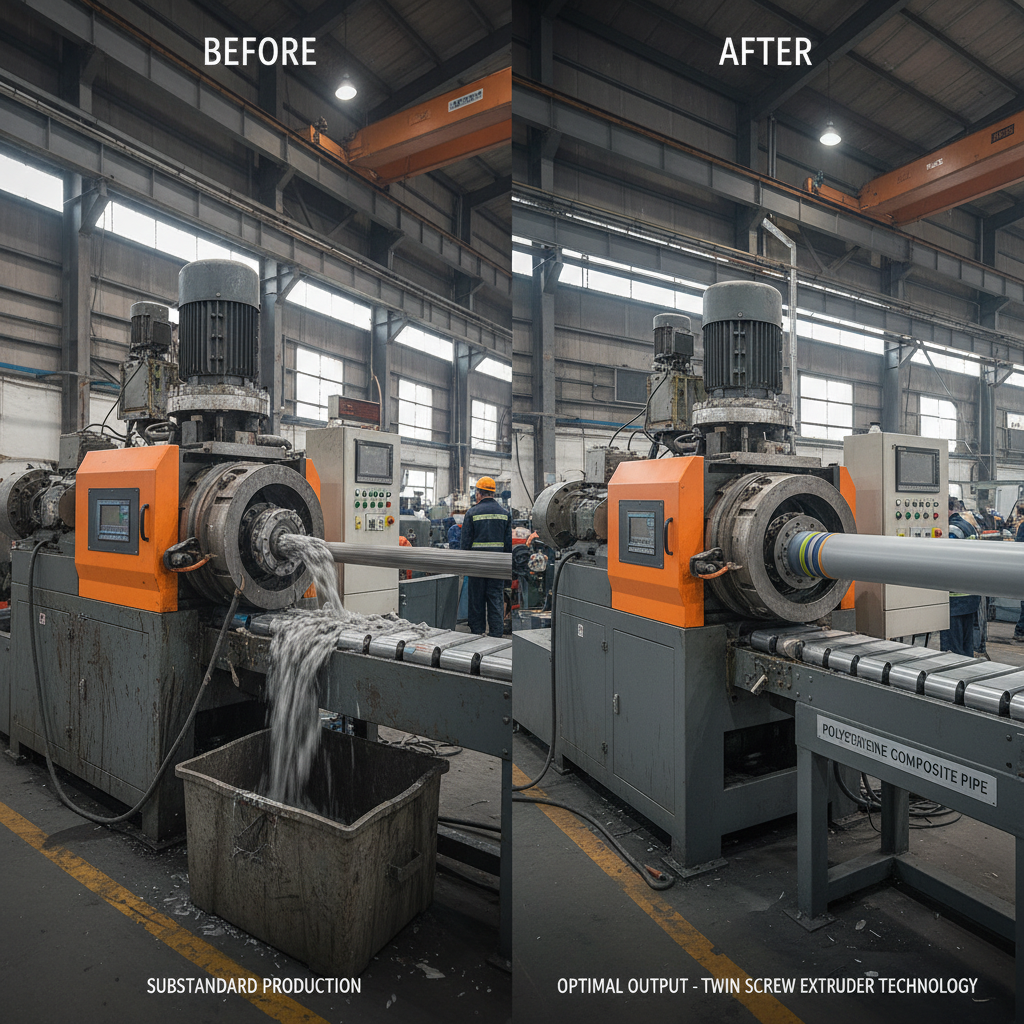
Pipeline equipment represents a critical infrastructure component across numerous industries, ensuring the safe and efficient transport of essential resources like oil, gas, water, and chemicals. The global demand for robust and reliable pipeline systems is constantly increasing, driven by population growth, industrial expansion, and the need for secure energy supplies. Understanding the intricacies of pipeline equipment is paramount for engineers, operators, and policymakers alike, impacting everything from economic stability to environmental protection.
The significance of well-maintained pipeline infrastructure extends beyond immediate resource delivery. It plays a vital role in facilitating global trade, supporting manufacturing processes, and even contributing to public health by providing access to clean water. Investment in advanced pipeline equipment and technologies is therefore crucial for long-term sustainability and resilience.
From the initial stages of construction to ongoing monitoring and maintenance, specialized pipeline equipment is essential for ensuring operational integrity and minimizing environmental risks. The advancements in materials science, corrosion prevention, and leak detection are continually evolving this field, offering innovative solutions to address complex challenges within the pipeline industry.
The Importance of Pipeline Equipment
The efficiency and safety of modern industrial processes are heavily reliant on high-quality pipeline equipment. Without durable and reliable pipes, valves, pumps, and monitoring systems, the transport of vital resources would be significantly hampered, leading to economic disruptions and potential environmental hazards.
Pipeline equipment isn’t just about the physical components; it also encompasses the advanced technologies used for inspection, maintenance, and leak detection. The integration of these technologies is essential for minimizing downtime, extending the lifespan of pipelines, and ensuring compliance with stringent safety regulations.
Defining Pipeline Equipment
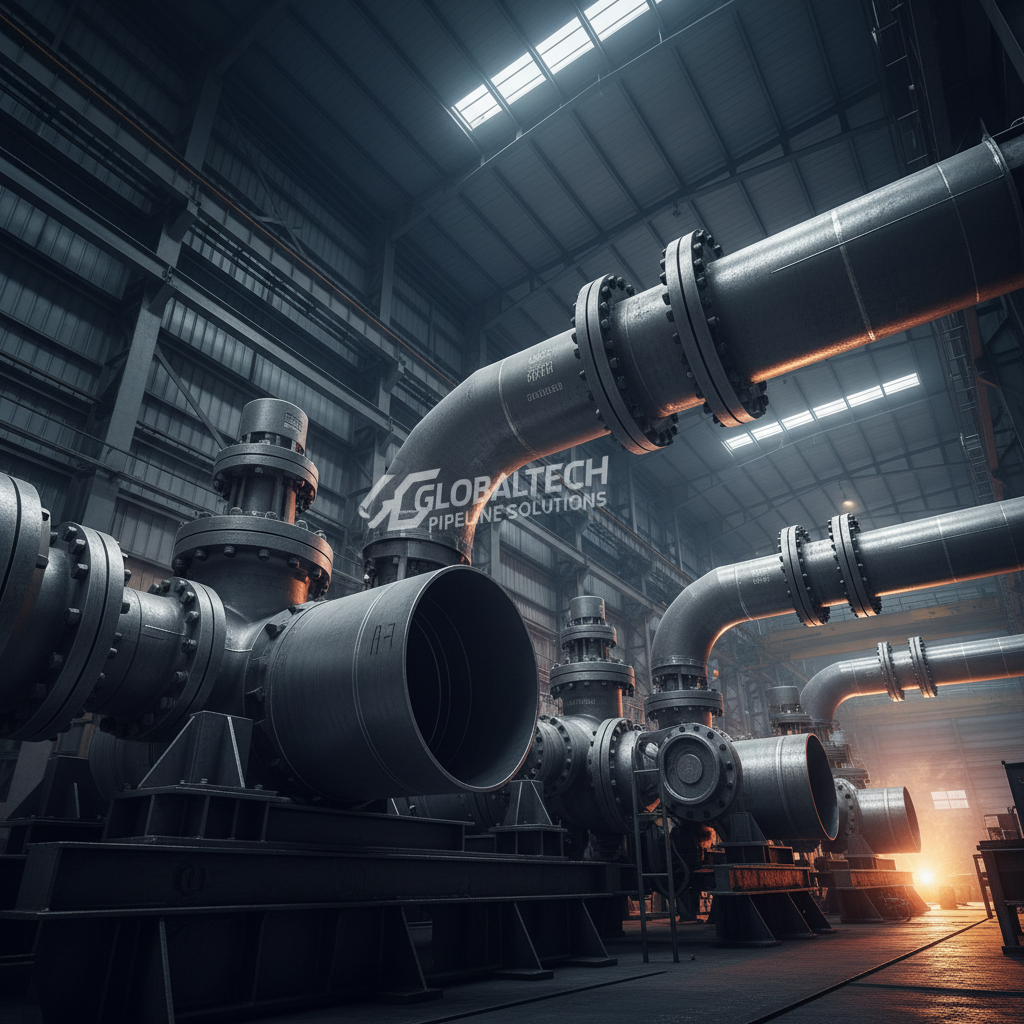
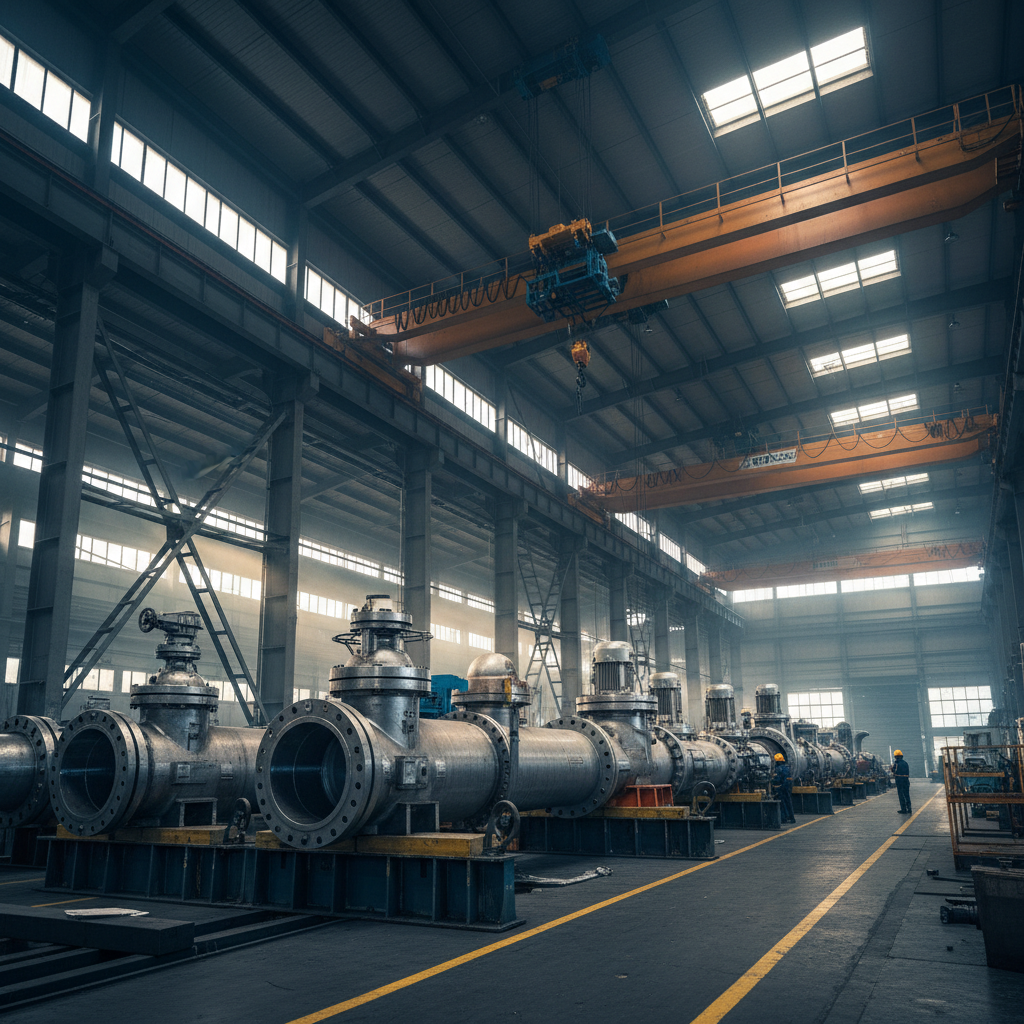
Pipeline equipment encompasses all the machinery, tools, and components necessary for the construction, operation, inspection, and maintenance of pipeline systems. This includes, but is not limited to, pipes themselves (constructed from various materials like steel, plastic, and composite materials), valves for controlling flow, pumps for moving fluids, compressors for gases, and specialized tools for welding, testing, and repair.
The term extends beyond the core transport components to include monitoring systems such as SCADA (Supervisory Control and Data Acquisition) systems, leak detection sensors, and cathodic protection equipment designed to prevent corrosion. Essentially, anything directly involved in the safe and efficient movement of fluids or gases through a pipeline is considered pipeline equipment.
This equipment is fundamentally linked to modern industry and humanitarian needs. Whether delivering clean water to communities, transporting energy resources to power cities, or facilitating the chemical processing required for manufacturing, pipeline systems are integral to daily life and economic progress.
Core Components & Key Features
Durability is a paramount feature of any effective pipeline equipment. Pipelines often operate in harsh environments, exposed to extreme temperatures, corrosive substances, and significant pressure. Equipment must be constructed from materials capable of withstanding these conditions for decades, minimizing the risk of failure and ensuring long-term operational reliability.
Scalability is another critical consideration. Pipeline systems need to be adaptable to changing demands, allowing for increased capacity or adjustments to flow rates as needed. Modular designs and flexible components facilitate this scalability, enabling efficient upgrades and expansions without requiring complete system overhauls.
Cost efficiency is a driving factor in the selection and maintenance of pipeline equipment. Initial investment costs, as well as long-term operational and maintenance expenses, must be carefully evaluated. Choosing equipment with a long lifespan, low maintenance requirements, and efficient energy consumption can significantly reduce overall costs.
Corrosion resistance is fundamental for pipeline longevity. Corrosion can lead to leaks, structural weakening, and environmental damage. Utilizing corrosion-resistant materials, applying protective coatings, and implementing cathodic protection systems are vital strategies for mitigating this risk.
Safety is of utmost importance. Pipeline equipment must adhere to strict safety standards and incorporate features such as pressure relief valves, emergency shutdown systems, and robust leak detection mechanisms to prevent accidents and protect personnel and the environment.
Finally, remote monitoring capabilities are becoming increasingly essential. Integrating sensors and data analytics allows for real-time monitoring of pipeline performance, early detection of potential issues, and proactive maintenance interventions, minimizing downtime and improving overall efficiency.
Global Applications of Pipeline Equipment
Pipeline equipment is vital for the oil and gas industry, transporting crude oil and natural gas across vast distances, both onshore and offshore. Major pipeline networks exist in regions like North America, Russia, the Middle East, and increasingly in Africa, facilitating the global energy supply chain.
Water infrastructure relies heavily on pipeline equipment to deliver potable water to cities and towns, as well as to manage wastewater and irrigation systems. In arid regions, efficient water pipelines are essential for agricultural sustainability and public health. Significant investments are being made in pipeline infrastructure in countries across Africa and Asia to address water scarcity challenges.
The chemical industry uses pipeline equipment to transport a wide range of hazardous and non-hazardous chemicals. Strict safety protocols and specialized equipment are required to prevent leaks and ensure the safe handling of these materials. In post-disaster relief operations, portable pipeline equipment is often deployed to provide emergency water supplies and sanitation facilities to affected communities.
Pipeline Equipment Performance Metrics
Advantages and Long-Term Value
Investing in high-quality pipeline equipment delivers significant cost savings over the lifecycle of a pipeline system. Durable materials, efficient designs, and reduced maintenance requirements translate into lower operational expenses and minimized downtime.
Pipeline transportation is generally more energy-efficient and environmentally friendly compared to alternative methods like trucking or rail transport. Reducing emissions and minimizing the risk of spills contribute to a more sustainable approach to resource delivery. Furthermore, advancements in leak detection technology are enhancing environmental protection and minimizing potential liabilities.
Future Trends in Pipeline Equipment
The integration of digital technologies, such as the Internet of Things (IoT) and artificial intelligence (AI), is revolutionizing pipeline monitoring and maintenance. Smart sensors, predictive analytics, and automated inspection systems are enabling proactive interventions, reducing the risk of failures and optimizing operational efficiency.
The development of new materials, including composite materials and advanced polymers, is offering improved corrosion resistance, reduced weight, and enhanced durability. These materials are also contributing to the development of more sustainable and environmentally friendly pipeline solutions.
Challenges & Innovative Solutions
Aging pipeline infrastructure presents a significant challenge in many parts of the world. Replacing or rehabilitating aging pipelines can be costly and disruptive, requiring careful planning and innovative approaches.
Corrosion remains a persistent threat, even with advanced materials and protective coatings. Continuous monitoring, proactive maintenance, and the development of new corrosion-resistant technologies are essential for mitigating this risk.
Ensuring the security of pipeline systems against potential threats, both physical and cyber, is becoming increasingly important. Implementing robust security protocols, employing advanced surveillance technologies, and conducting regular vulnerability assessments are crucial for protecting critical infrastructure.
Summary of Pipeline Equipment Challenges and Solutions
| Challenge |
Impact Area |
Potential Solution |
Implementation Cost (1-10) |
| Aging Infrastructure |
Safety & Reliability |
Pipeline Rehabilitation & Replacement |
8 |
| Corrosion |
Environmental & Economic |
Advanced Coatings & Cathodic Protection |
6 |
| Leak Detection |
Environmental & Safety |
Fiber Optic Sensing & Drone Inspections |
7 |
| Cybersecurity Threats |
Operational Security |
Enhanced Cybersecurity Protocols & Monitoring |
5 |
| Material Degradation |
Structural Integrity |
New Alloy Development & Material Testing |
9 |
| Remote Access Limitations |
Maintenance Efficiency |
Satellite Communication & Automated Systems |
4 |
FAQS
When choosing pipeline equipment for challenging environments, prioritize materials with high corrosion resistance, exceptional durability, and the ability to withstand extreme temperatures and pressures. Consider the potential for erosion, abrasion, and chemical attack. Look for equipment certified to relevant industry standards and ensure compatibility with the transported fluids or gases. Regular inspection and preventative maintenance are also crucial for extending equipment lifespan.
Leak detection technology is absolutely critical. Early detection minimizes environmental damage, prevents safety hazards, and reduces product loss. Modern systems utilize a variety of methods, including pressure monitoring, flow rate analysis, acoustic sensors, and satellite imaging. Investing in advanced leak detection systems is not just a matter of compliance, but a proactive approach to responsible pipeline operation.
Cathodic protection is a technique used to prevent corrosion of metallic pipelines. It works by creating an electrochemical cell that reduces the corrosion rate. There are two main methods: sacrificial anode and impressed current. This is essential as corrosion weakens pipelines, leading to leaks and potential failures. Proper cathodic protection significantly extends pipeline lifespan and enhances safety.
Recent advancements include high-resolution inline inspection (ILI) tools, utilizing magnetic flux leakage (MFL), ultrasonic testing (UT), and eddy current testing (ECT) to detect cracks, corrosion, and other defects. Drone-based inspections, equipped with thermal imaging and LiDAR, offer a cost-effective way to survey large pipeline segments. Robotics are also increasingly being used for internal pipeline inspections in hard-to-reach areas.
Data analytics enables predictive maintenance by identifying patterns and trends that indicate potential failures. Analyzing data from sensors, inspection reports, and historical maintenance records allows operators to proactively address issues before they escalate. This reduces downtime, lowers maintenance costs, and improves overall pipeline reliability. AI and machine learning algorithms are further enhancing these capabilities.
Sustainability considerations include minimizing energy consumption during operation, selecting materials with a lower carbon footprint, and designing for recyclability or reuse. Utilizing leak detection technology to prevent spills and reducing greenhouse gas emissions are also crucial. Choosing suppliers committed to sustainable manufacturing practices and responsible sourcing contributes to a more environmentally friendly pipeline industry.
Conclusion
Pipeline equipment plays an indispensable role in modern society, enabling the safe and efficient transport of essential resources. From the initial construction phases to ongoing maintenance and monitoring, the integrity of these systems is paramount for economic stability, environmental protection, and public safety. Advancements in materials science, digital technologies, and inspection techniques are continuously improving the performance and reliability of pipeline infrastructure.
Looking ahead, continued investment in research and development, coupled with a commitment to sustainable practices and robust safety protocols, will be essential for addressing the challenges and maximizing the long-term value of pipeline equipment. For innovative solutions and reliable pipeline equipment, visit our website today.