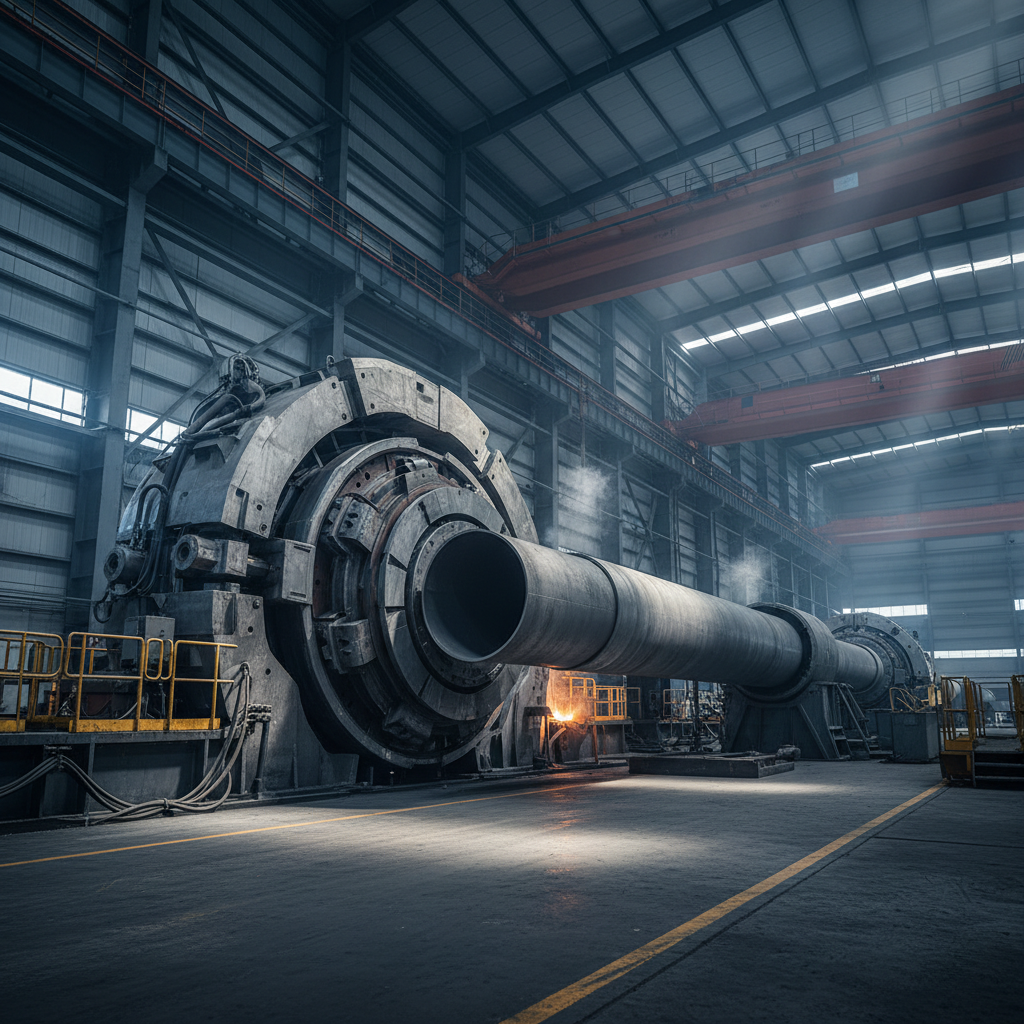
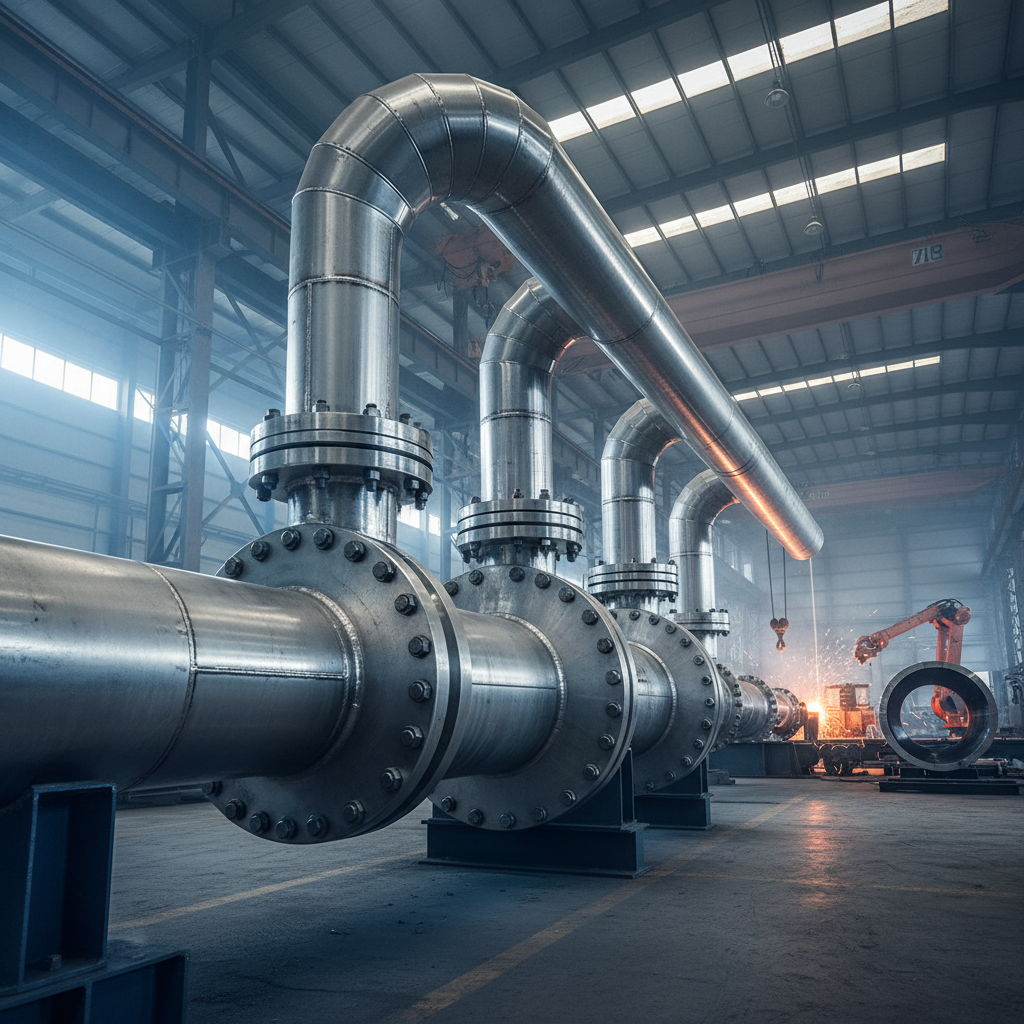
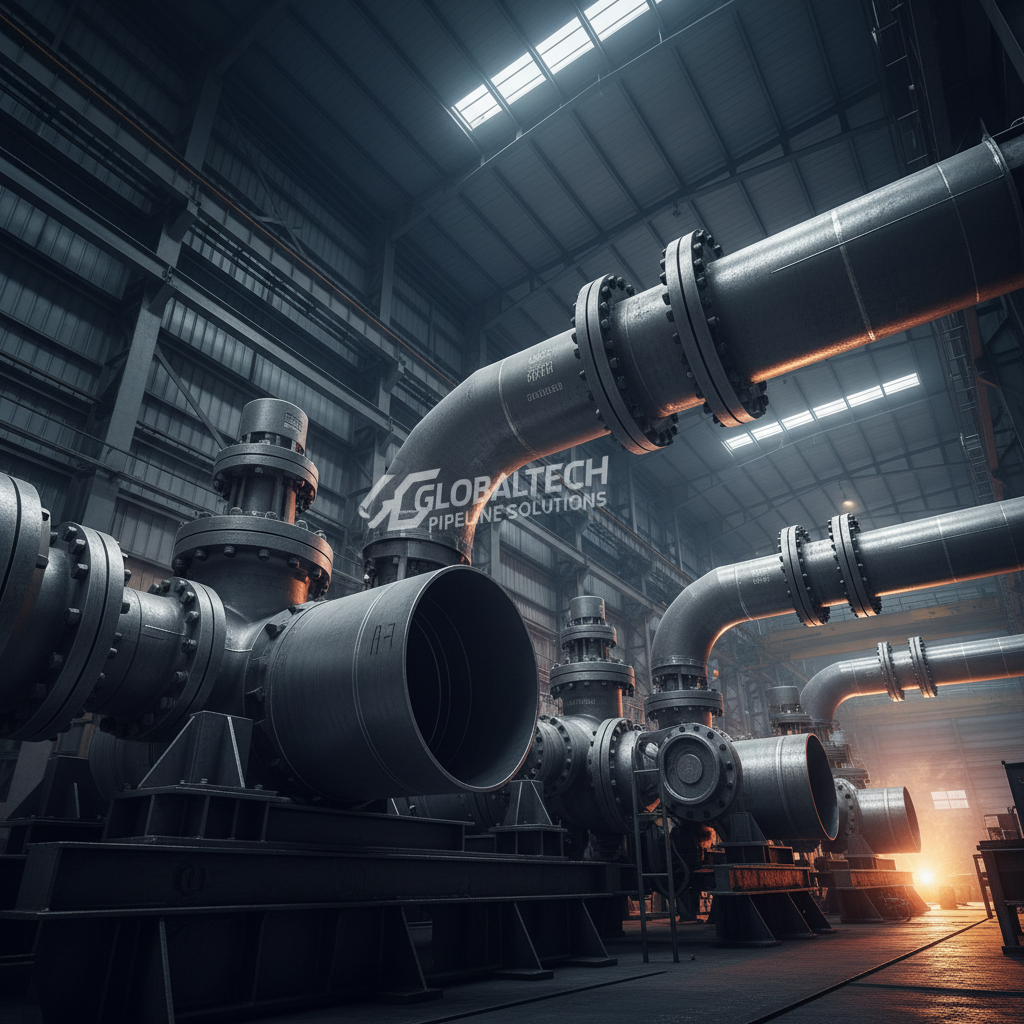
Pipe equipment, encompassing a vast range of components from valves and fittings to expansive pipeline systems, forms the backbone of modern infrastructure and industrial processes. Its significance lies in the safe and efficient transport of fluids and gases, crucial for everything from supplying clean water to powering industries. Globally, reliable pipe equipment is fundamental for economic growth, public health, and resource management.
The demand for robust and innovative pipe equipment is escalating, driven by factors like population growth, urbanization, and increasing energy needs. According to the World Bank, investments in water infrastructure alone require hundreds of billions of dollars annually, with pipes constituting a substantial portion of these costs. However, challenges like corrosion, leakage, and aging infrastructure pose significant risks, necessitating advancements in materials, monitoring technologies, and maintenance practices.
Understanding the nuances of pipe equipment – its materials, design, installation, and maintenance – is vital for engineers, technicians, project managers, and policymakers alike. Properly specified and maintained pipe systems ensure operational efficiency, minimize environmental impact, and safeguard public safety. Investing in knowledge and best practices within this domain translates to long-term sustainability and resilience.
The Importance of Pipe Equipment
The global economy relies heavily on the efficient and safe transportation of fluids and gases. Pipe equipment plays a critical role in achieving this, serving as the arteries and veins of industries such as oil and gas, water treatment, chemical processing, and power generation. A failure in pipe equipment can lead to costly downtime, environmental disasters, and even safety hazards, highlighting the paramount importance of quality and reliability.
Effective pipe equipment management isn’t merely about initial purchase cost. It encompasses lifecycle considerations including installation, maintenance, inspection, and eventual replacement. Implementing advanced technologies for monitoring corrosion, detecting leaks, and optimizing flow rates can significantly extend the lifespan of pipe systems and reduce operational expenses. pipe equipment is more than a collection of materials; it is a vital component of global infrastructure.
Defining Pipe Equipment
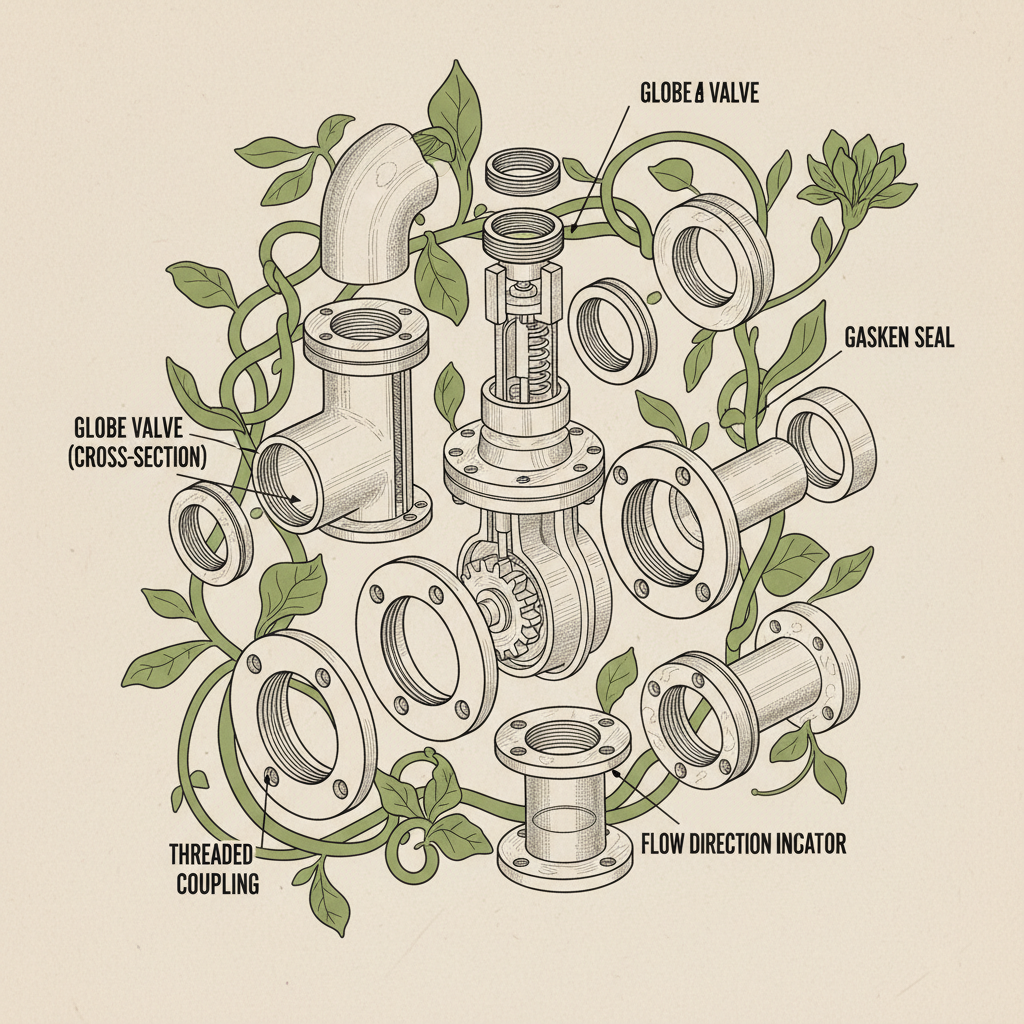
Pipe equipment broadly refers to all the components used to convey fluids or gases from one location to another. This includes not only the pipes themselves – available in materials like steel, PVC, copper, and polyethylene – but also a wide array of fittings (elbows, tees, reducers), valves (gate, globe, check), flanges, pumps, compressors, and related accessories.
The scope of pipe equipment extends beyond simple conveyance. It also encompasses systems for pressure regulation, flow control, filtration, and instrumentation. Modern pipe equipment often incorporates advanced sensors and control systems for remote monitoring and automated operation, enhancing efficiency and minimizing the need for manual intervention.
In the context of humanitarian aid and disaster relief, pipe equipment takes on a particularly crucial role. Rapidly deployable water purification and distribution systems, utilizing lightweight and durable pipe components, can provide access to clean water in emergency situations, saving lives and preventing the spread of disease.
Key Factors Influencing Pipe Equipment Selection
Selecting the appropriate pipe equipment requires careful consideration of several key factors. Firstly, material compatibility is paramount. The pipe material must be resistant to corrosion and degradation from the fluid or gas being conveyed. Secondly, pressure and temperature requirements dictate the need for pipes and fittings that can withstand the operating conditions without failure.
Thirdly, flow rate and capacity determine the pipe diameter and the type of pumps or compressors required. Insufficient capacity can lead to bottlenecks and inefficiencies, while excessive capacity can result in unnecessary costs. Finally, regulatory compliance and safety standards are crucial, ensuring that the equipment meets all applicable codes and guidelines.
Beyond these technical considerations, cost-effectiveness and long-term maintenance requirements also play a significant role in decision-making. A seemingly cheaper option may prove more expensive in the long run due to higher maintenance costs or a shorter lifespan. Proper planning and evaluation are essential.
Durability and Material Science in Pipe Equipment
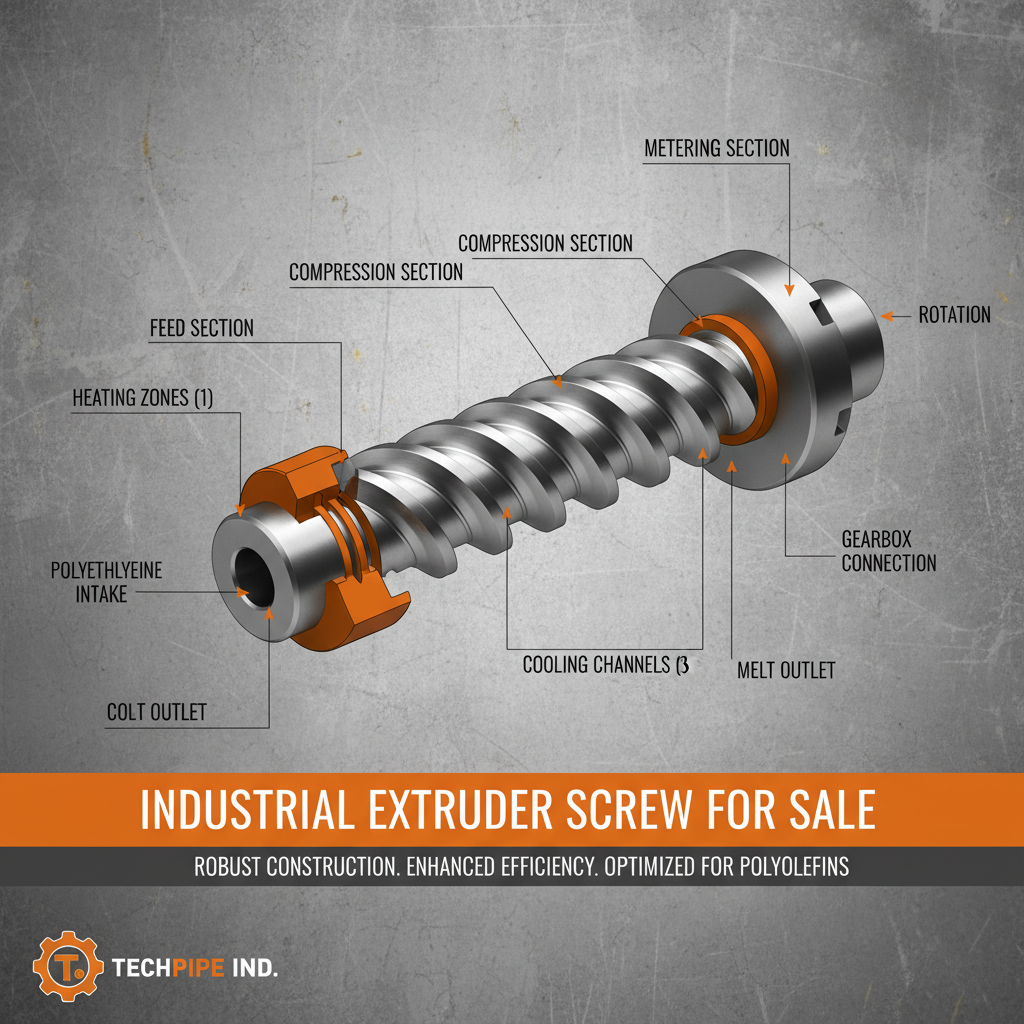
The durability of pipe equipment is directly linked to the materials used in its construction. Steel pipes, particularly those with corrosion-resistant coatings, are widely used for high-pressure and high-temperature applications. However, advancements in polymer science have led to the development of highly durable plastic pipes, such as HDPE and PVC, offering excellent resistance to corrosion and lightweight installation.
Material science plays a vital role in enhancing the longevity and performance of pipe equipment. Research into new alloys, coatings, and composite materials continues to yield improved resistance to corrosion, erosion, and fatigue. Nanomaterials are also being explored for their potential to create self-healing pipes that can automatically repair minor damage.
Pipe Equipment Material Performance Ratings
Global Applications and Use Cases of Pipe Equipment
The applications of pipe equipment are remarkably diverse. In the oil and gas industry, large-diameter pipelines transport crude oil and natural gas across continents. In municipal water systems, pipe networks deliver clean drinking water to homes and businesses. Chemical plants rely on corrosion-resistant pipe equipment to handle hazardous materials safely.
In post-disaster relief operations, portable water purification systems utilizing flexible pipe equipment provide immediate access to safe drinking water. In remote industrial zones, pipe equipment facilitates the transportation of raw materials and finished products. Agricultural irrigation systems employ pipe networks to deliver water efficiently to crops, enhancing food production.
Advantages and Long-Term Value of Quality Pipe Equipment
Investing in high-quality pipe equipment yields significant long-term benefits. Reduced maintenance costs, minimized downtime, and extended lifespan contribute to lower total cost of ownership. Enhanced safety features protect personnel and the environment from potential hazards. Sustainable materials and efficient designs minimize environmental impact.
The long-term value extends beyond purely economic considerations. Reliable pipe equipment ensures the continuity of essential services, safeguarding public health and supporting economic stability. It builds trust with stakeholders and demonstrates a commitment to responsible operations. It provides peace of mind knowing that critical infrastructure is robust and dependable.
The correct choice in pipe equipment can create a long-lasting impact on an entire organization or industry, going beyond just immediate needs.
Future Trends and Innovations in Pipe Equipment
The future of pipe equipment is being shaped by several key trends. The development of smart pipes, equipped with sensors and data analytics capabilities, is enabling predictive maintenance and optimized performance. The adoption of additive manufacturing (3D printing) is allowing for the creation of customized pipe components with complex geometries.
The demand for sustainable materials is driving research into bio-based plastics and recycled materials. The integration of digital twins – virtual representations of physical pipe systems – is facilitating remote monitoring and control. Advancements in robotic inspection technologies are enabling more efficient and accurate assessment of pipe integrity.
The transition to a green energy economy is also creating new opportunities for pipe equipment. Hydrogen pipelines, for example, are essential for transporting this clean fuel source, while geothermal energy systems rely on specialized pipe networks for heat extraction and distribution.
Key Considerations for Optimizing Pipe Equipment Lifecycle
| Component Type |
Material Degradation Rate |
Inspection Frequency |
Recommended Replacement Interval |
| Steel Pipelines |
Moderate (Corrosion Dependent) |
Annual Visual & Ultrasonic Testing |
20-50 Years |
| PVC Fittings |
Low (UV Exposure) |
Bi-Annual Visual Inspection |
50+ Years |
| Copper Valves |
Low-Moderate (Water Chemistry) |
Every 3 Years Leak Testing |
30-40 Years |
| HDPE Pipes |
Very Low |
Periodic Pressure Testing |
60+ Years |
| Stainless Steel Flanges |
Very Low (Specific Alloy Dependent) |
Every 5 Years Visual Inspection |
40+ Years |
| Rubber Seals & Gaskets |
High (Temperature & Pressure) |
Annual Replacement/Inspection |
5-10 Years |
FAQS
Pipe failure in industrial settings is often attributed to a combination of factors, including corrosion (internal and external), erosion, fatigue due to cyclic loading, stress corrosion cracking, and improper installation. Regular inspection and preventative maintenance, utilizing non-destructive testing methods, are crucial for identifying and mitigating these risks before they lead to catastrophic failures. Selecting appropriate pipe materials based on the conveyed fluid and operating conditions is also essential.
Water hammer, or hydraulic shock, occurs when there's a sudden change in flow velocity within a pipe system, generating pressure surges. This can damage valves, fittings, and even the pipes themselves. Prevention involves using slow-closing valves, installing surge suppressors (air chambers or accumulators), and properly anchoring the pipe system. Careful system design and flow control are also essential to minimize the risk of water hammer.
Non-destructive testing (NDT) methods, such as ultrasonic testing, radiographic testing, and eddy current testing, allow for the assessment of pipe integrity without causing damage. NDT can detect cracks, corrosion, erosion, and other defects that may compromise the pipe's structural integrity. Implementing a regular NDT program is a cost-effective way to identify potential problems early and prevent costly failures.
Composite materials, like fiber-reinforced polymers, offer several advantages over traditional materials. They are lightweight, corrosion-resistant, and can be molded into complex shapes. This makes them ideal for applications where weight reduction, durability, and resistance to harsh environments are critical. While initial costs may be higher, the extended lifespan and reduced maintenance requirements of composite pipes can result in long-term cost savings.
Pipe insulation plays a crucial role in both energy efficiency and corrosion prevention. By reducing heat transfer, insulation minimizes energy losses in hot fluid systems and prevents condensation in cold fluid systems. Preventing condensation is vital to avoid corrosion under insulation (CUI). Proper insulation selection and installation are essential to maximize its benefits and extend the lifespan of the pipe system.
Numerous standards and regulations govern pipe equipment, depending on the industry and application. Key organizations include ASME (American Society of Mechanical Engineers), API (American Petroleum Institute), ASTM International, and ISO (International Organization for Standardization). These standards cover materials, design, fabrication, inspection, and operation. Compliance with these standards is essential for ensuring safety, reliability, and legal compliance.
Conclusion
In conclusion, pipe equipment represents a foundational element of modern infrastructure and industrial operations. From ensuring the delivery of clean water to enabling the efficient transport of energy resources, its role is undeniably critical. Understanding the key factors influencing its selection, the importance of durability, and the evolving trends in materials and technologies are paramount for professionals in this field.
Looking ahead, embracing innovation – through smart pipes, advanced materials, and digital twins – will be crucial for optimizing performance, minimizing environmental impact, and ensuring the long-term reliability of pipe systems. For further information and a comprehensive range of high-quality pipe equipment, visit our website: www.ahdc11.com