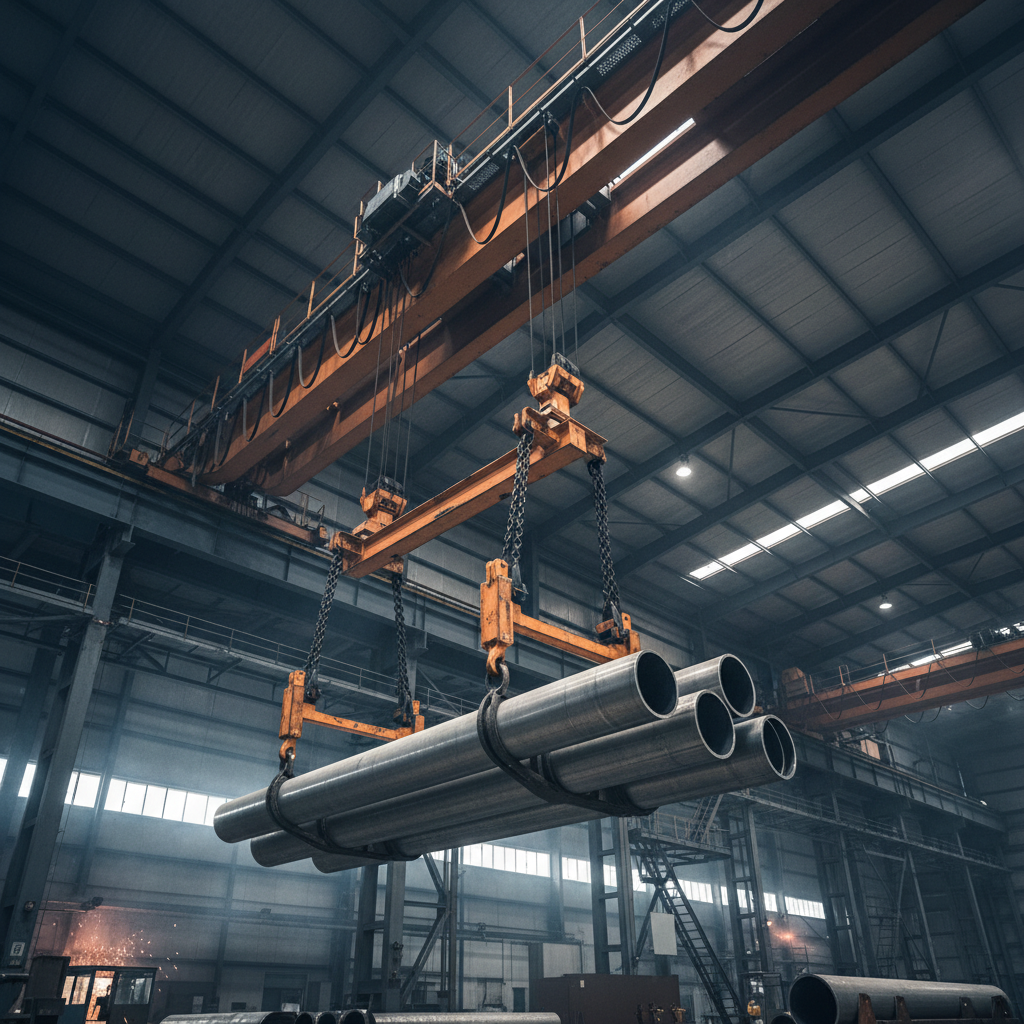
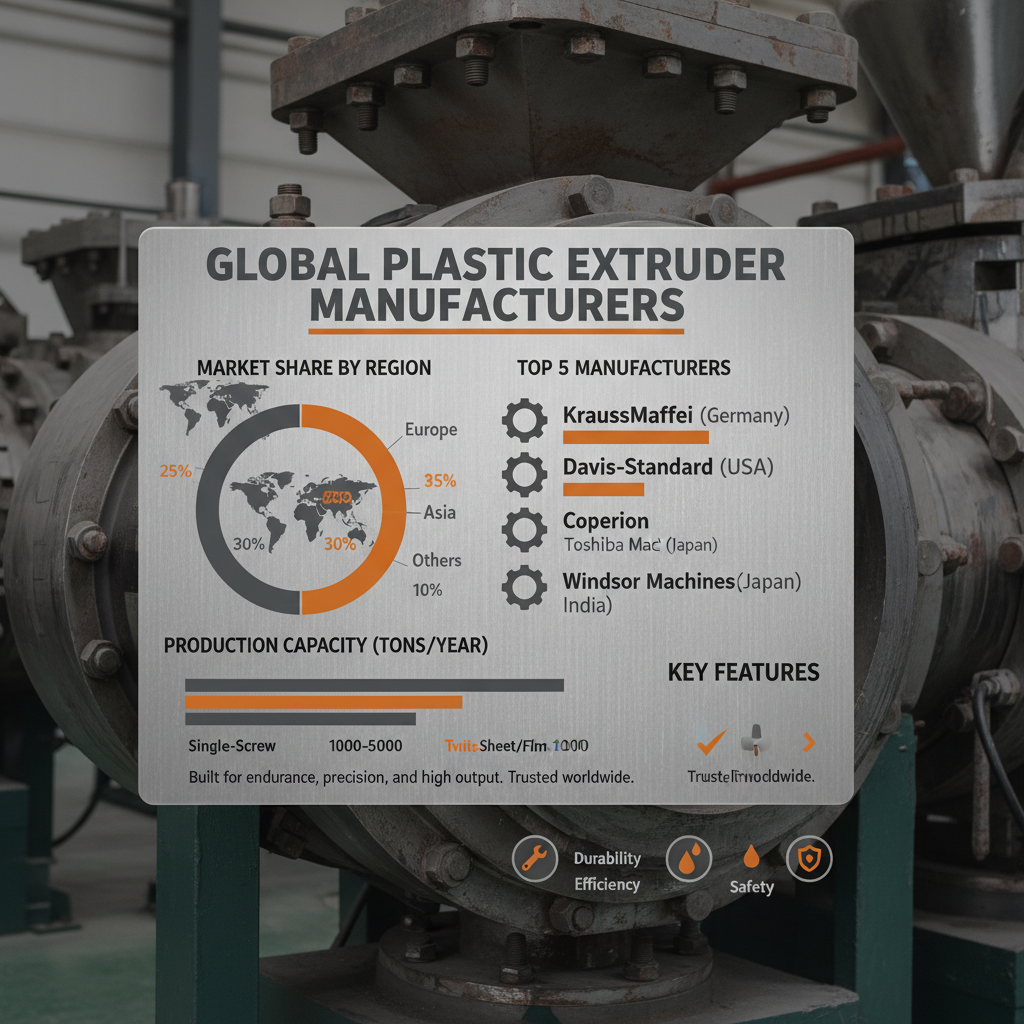
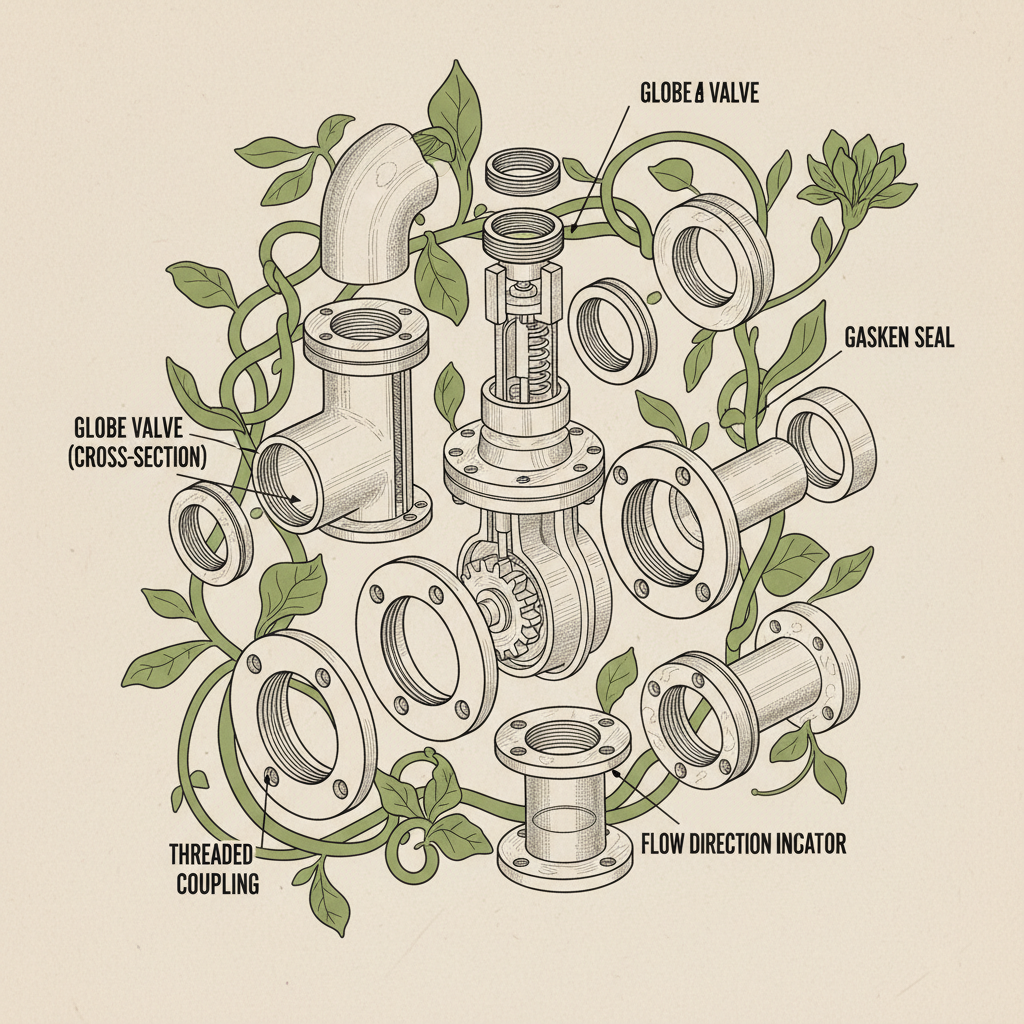
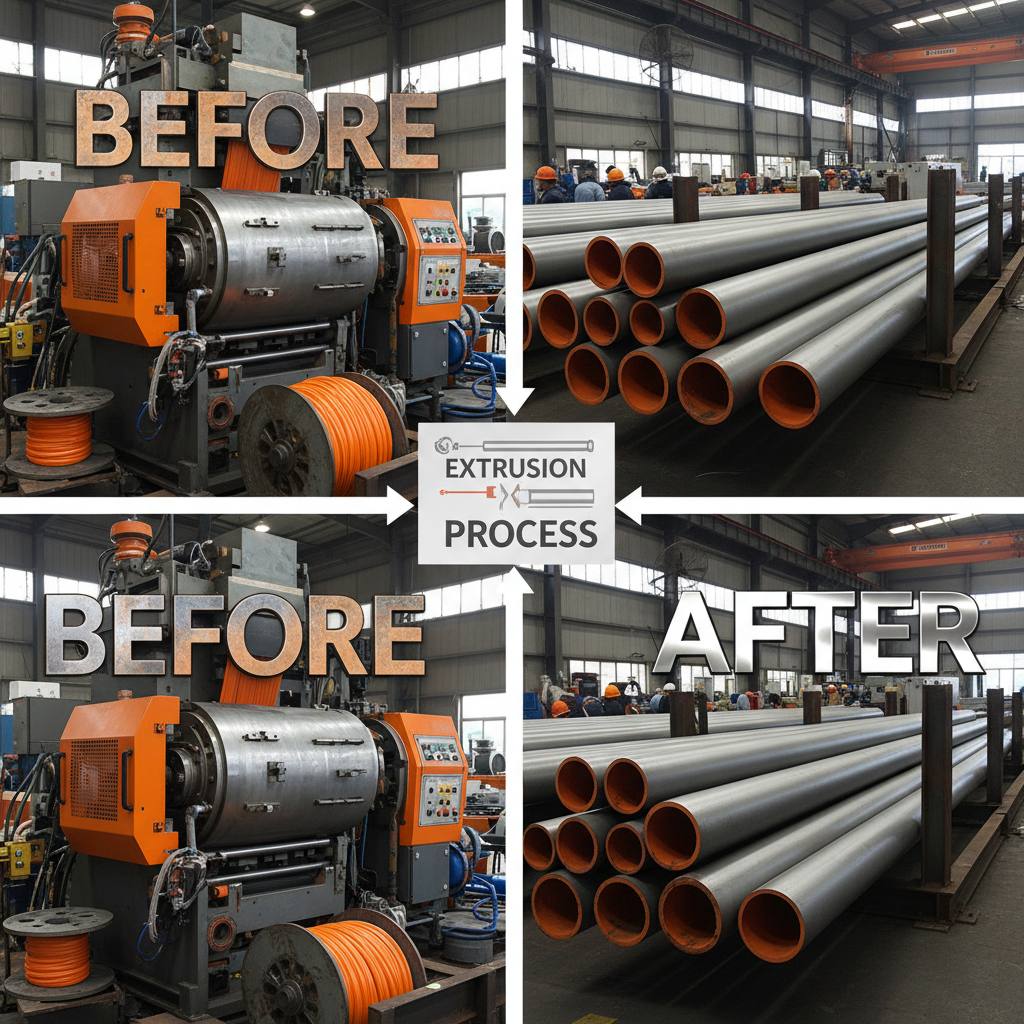
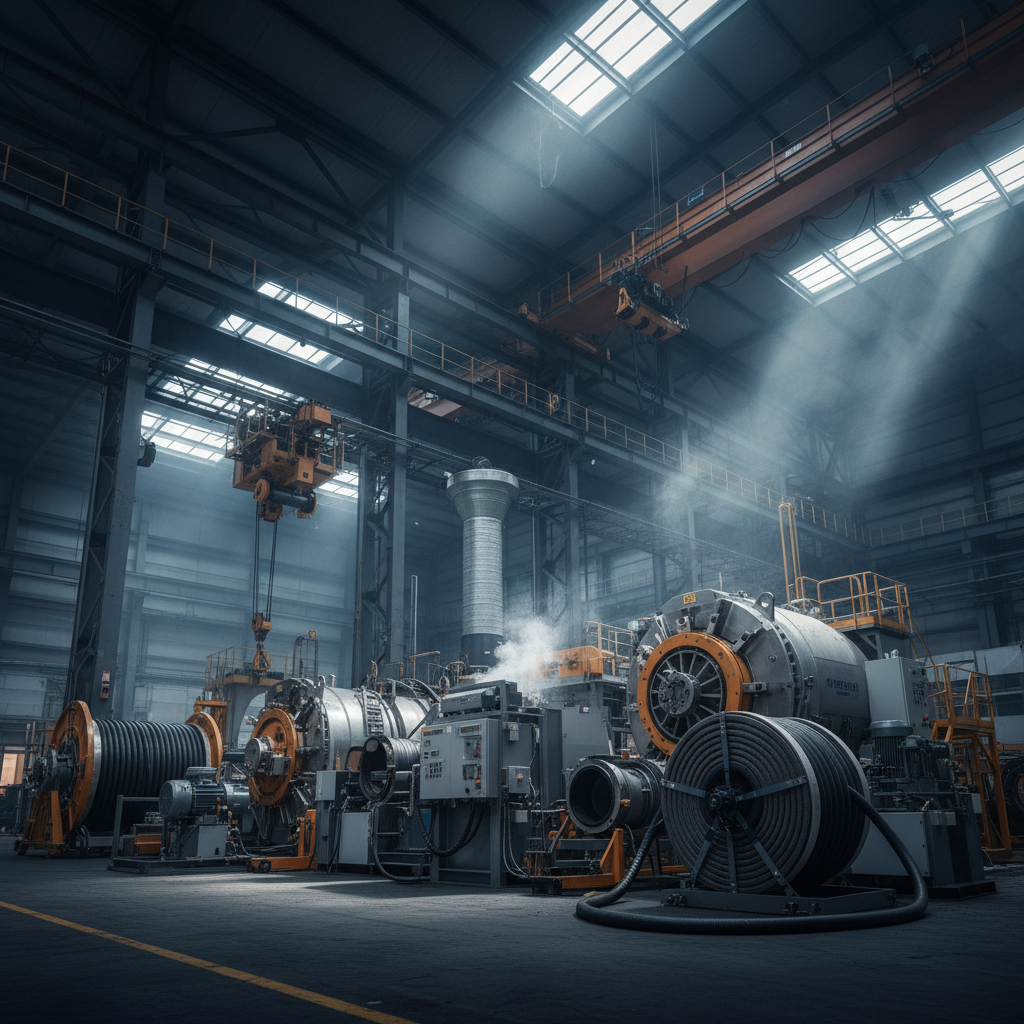
Pipe lifting equipment is essential for the safe and efficient handling of pipes across a multitude of industries. From oil and gas pipelines to water and sewage systems, the transportation, installation, and maintenance of these vital infrastructures rely heavily on specialized lifting solutions. Understanding the nuances of this equipment—its capabilities, limitations, and advancements—is crucial for project managers, engineers, and operators striving for optimal performance and safety. The global demand for robust and reliable pipe lifting equipment is continually increasing, driven by infrastructure development and the necessity for aging systems to be repaired and upgraded.
The significance of pipe lifting equipment extends beyond mere logistical convenience. Improper handling of pipes can lead to significant damage, project delays, and, most critically, safety hazards. Effective pipe lifting solutions minimize the risk of dropped loads, structural failures, and worker injuries. Moreover, the selection of appropriate equipment can directly impact project timelines and costs, optimizing resource allocation and streamlining operations. As industries prioritize safety and efficiency, investment in advanced pipe lifting technologies becomes increasingly vital.
Ultimately, proficiency in utilizing the correct pipe lifting equipment is paramount for the successful completion of large-scale infrastructure projects and the secure maintenance of existing systems. This understanding contributes to improved safety records, reduced operational costs, and enhanced overall project delivery.
Introduction: Global or Industry Context
The global demand for pipe lifting equipment is intrinsically linked to widespread infrastructure development, particularly in emerging economies and the continued maintenance of existing systems in developed nations. According to the UN, global infrastructure investment is projected to reach $79 trillion by 2040, a significant portion of which will involve the installation and repair of pipelines. This demand necessitates increasingly sophisticated and reliable pipe lifting equipment capable of handling diverse pipe sizes, materials, and environmental conditions.
The oil and gas industry remains a primary driver for advanced pipe lifting solutions, with projects often requiring the transport and installation of large-diameter, heavy-walled pipes in challenging terrains. Furthermore, the growing emphasis on sustainable infrastructure, including water and sewage systems, is fueling demand for equipment that can efficiently handle corrosion-resistant materials and minimize environmental impact. The World Bank estimates that approximately $1.5 trillion in annual investments are needed globally to meet the growing demand for water infrastructure.
A significant challenge facing the industry is the increasing complexity of pipeline projects, often involving remote locations, stringent safety regulations, and the need for minimal disruption to existing operations. This drives innovation in pipe lifting equipment, focusing on features such as remote operation, increased lifting capacity, and integrated safety systems. These advancements directly address the need for safer, more efficient, and more sustainable pipeline construction and maintenance practices.
Definition & Meaning
Pipe lifting equipment encompasses a range of specialized tools and machinery designed for the safe and efficient vertical and horizontal movement of pipes. This includes, but is not limited to, pipe lifters, pipe stands, lifting clamps, slings, and associated rigging hardware. These tools are engineered to distribute load effectively, preventing damage to the pipe material and ensuring the safety of personnel involved in lifting operations.
The connection to modern industry is direct and pervasive. Almost every sector—from energy and construction to water management and manufacturing—relies on pipelines for the transportation of essential resources. Effective pipe lifting equipment is therefore integral to ensuring the continuous and reliable operation of these critical infrastructure networks.
In humanitarian contexts, pipe lifting equipment also plays a role in providing access to clean water and sanitation. Rapid deployment of water pipelines in disaster relief scenarios, for instance, requires robust and portable lifting solutions. The ability to quickly and efficiently install pipelines can significantly improve public health and living conditions in affected areas.
Key Factors or Core Components
Durability: Pipe lifting equipment must withstand harsh operating conditions, including exposure to corrosive environments, extreme temperatures, and heavy loads. High-quality materials and robust construction are essential for ensuring long-term reliability and minimizing downtime. This directly impacts project costs and safety.
Load Capacity: The equipment’s maximum lifting capacity must be carefully matched to the weight and dimensions of the pipes being handled. Exceeding the load limit can lead to equipment failure and potentially catastrophic accidents. Precise load calculations and adherence to safety guidelines are paramount.
Safety Features: Modern pipe lifting equipment incorporates a range of safety features, such as overload protection, anti-slip mechanisms, and remote control operation. These features minimize the risk of accidents and protect personnel from injury. Regular inspection and maintenance of these features are critical.
Versatility: The ability to handle a variety of pipe sizes, materials, and configurations is a key consideration. Modular designs and adjustable components allow for greater flexibility and adaptability to different project requirements. This prevents the need for multiple, specialized pieces of equipment.
Global Applications & Use Cases
In the oil and gas sector, pipe lifting equipment is vital for the construction of onshore and offshore pipelines, handling large-diameter steel pipes weighing several tons. In remote industrial zones, such as those found in Siberia or the Canadian Arctic, specialized lifting equipment is used to overcome logistical challenges and operate in extreme weather conditions.
Within the water and wastewater management industry, pipe lifting equipment is essential for the installation and maintenance of underground pipelines, ensuring the reliable delivery of clean water and the safe disposal of wastewater. In post-disaster relief operations, lightweight and portable pipe lifting equipment is deployed to quickly establish temporary water pipelines, providing access to clean drinking water for affected populations.
Furthermore, in large-scale construction projects, such as the building of hydroelectric dams or nuclear power plants, precise and reliable pipe lifting solutions are required for the installation of complex piping systems. The increasing focus on renewable energy infrastructure also drives demand for specialized equipment capable of handling large-scale pipe installations for geothermal or biomass plants.
Comparison of Pipe Lifting Equipment Methods
Advantages & Long-Term Value
The tangible benefits of investing in quality pipe lifting equipment are multifaceted. Reduced project timelines, stemming from efficient pipe handling, translate directly into cost savings. Lower risks of damage to pipes during transport and installation minimize material waste and associated expenses. Furthermore, improved safety protocols contribute to a more productive workforce and reduced insurance premiums.
From a sustainability perspective, durable equipment with a long lifespan reduces the need for frequent replacements, minimizing resource consumption and environmental impact. The availability of remote operation features allows for safer working conditions, reducing the potential for worker injuries and promoting a culture of safety.
The long-term value lies in building trust with clients and stakeholders through consistent delivery of high-quality work, on time and within budget. Investing in reliable pipe lifting equipment signals a commitment to professionalism, innovation, and responsible project management.
Future Trends & Innovations
The future of pipe lifting equipment is inextricably linked to advancements in automation, robotics, and digital technologies. Remote-controlled and autonomous lifting systems are poised to become increasingly prevalent, minimizing human intervention in hazardous operations and improving precision. The integration of sensors and data analytics will enable predictive maintenance, reducing downtime and extending equipment lifespan.
Material science is also playing a crucial role, with the development of lighter, stronger, and more corrosion-resistant materials for lifting components. The use of composite materials and advanced alloys will enhance equipment durability and reduce overall weight, improving portability and maneuverability.
Challenges & Solutions
One common challenge is the handling of ultra-large-diameter pipes, requiring specialized equipment and engineering expertise. Solutions include the development of modular lifting systems that can be easily configured to accommodate varying pipe sizes and weights. Another challenge is operating in confined spaces, where maneuverability is limited. Compact and lightweight lifting devices, coupled with remote control capabilities, can address this issue.
Ensuring adequate operator training and certification is also critical. Investing in comprehensive training programs, including virtual reality simulations, can enhance operator skills and minimize the risk of accidents. Furthermore, adhering to industry standards and best practices, such as those established by ISO, is essential for maintaining safety and quality.
Finally, the integration of digital platforms for equipment tracking, maintenance scheduling, and performance monitoring can significantly improve operational efficiency and reduce lifecycle costs. Utilizing real-time data analytics can optimize equipment utilization and proactively identify potential issues before they escalate.
Summary of Challenges and Solutions in Pipe Lifting Equipment
| Challenge |
Impact |
Proposed Solution |
Implementation Cost (1-10) |
| Handling Ultra-Large Diameter Pipes |
Increased project complexity, higher costs |
Modular lifting systems, specialized engineering |
7 |
| Operation in Confined Spaces |
Limited maneuverability, safety hazards |
Compact lifting devices, remote control operation |
6 |
| Lack of Operator Training |
Increased accident risk, reduced efficiency |
Comprehensive training programs, VR simulations |
5 |
| Equipment Maintenance |
Downtime, repair costs |
Predictive maintenance, digital monitoring |
4 |
| Corrosion in Harsh Environments |
Reduced equipment lifespan, safety concerns |
Corrosion-resistant materials, protective coatings |
8 |
| Data Management and Analysis |
Inefficient resource allocation, lack of insight |
Digital platforms for equipment tracking & analysis |
6 |
FAQS
Safety is paramount. Always conduct a thorough pre-lift inspection of the equipment, ensuring all components are in good working order. Adhere strictly to load limits, utilize appropriate rigging techniques, and ensure operators are properly trained and certified. Establishing a clear communication protocol and maintaining a safe working zone are also crucial to prevent accidents. Regular maintenance and adherence to industry standards further enhance safety.
Selecting the appropriate equipment depends on factors such as the pipe's weight, diameter, material, and the project's specific requirements. Consider the lifting height, available space, and environmental conditions. Consulting with a qualified engineer or pipe lifting equipment supplier can provide valuable guidance. Prioritize versatility and ensure the equipment meets relevant safety standards.
Regular maintenance is vital for ensuring the longevity and safe operation of pipe lifting equipment. This includes routine inspections, lubrication of moving parts, and replacement of worn or damaged components. Maintain a detailed maintenance log and adhere to the manufacturer's recommendations. Periodic load testing and certification by a qualified inspector are also essential.
Remote-controlled pipe lifting equipment enhances safety by minimizing operator exposure to hazardous environments. It also improves precision and efficiency, allowing for more accurate pipe placement. Reduced manual handling contributes to a more ergonomic and comfortable working environment. Remote operation is particularly valuable in confined spaces or situations where direct visibility is limited.
The pipe's weight is the most crucial factor in selecting lifting equipment. The equipment's rated capacity must exceed the weight of the pipe, with a sufficient safety margin. Incorrectly estimating the weight or exceeding the equipment's capacity can lead to catastrophic failure. Always verify the pipe's weight and consult load charts to ensure safe operation.
Improper techniques can lead to a range of risks, including pipe damage, equipment failure, and serious worker injuries. Dropped loads, instability during lifting, and collisions with surrounding objects are common occurrences. Insufficient training, inadequate rigging, and failure to follow safety protocols all contribute to these risks. Prioritizing safety and adhering to best practices is essential for mitigating these hazards.
Conclusion
In conclusion, effective pipe lifting equipment is indispensable for the modern infrastructure landscape, contributing to safer, more efficient, and more sustainable project outcomes. From minimizing risks to optimizing costs, the benefits extend across industries and applications. Understanding the core components, evolving trends, and associated challenges is crucial for maximizing the value of these essential tools.
Looking ahead, continued innovation in automation, materials science, and digital technologies will further enhance the capabilities and reliability of pipe lifting equipment. By embracing these advancements and prioritizing operator training, we can create a future where pipeline construction and maintenance are conducted with unparalleled safety and efficiency. Visit our website at www.ahdc11.com to learn more about our range of advanced pipe lifting solutions.