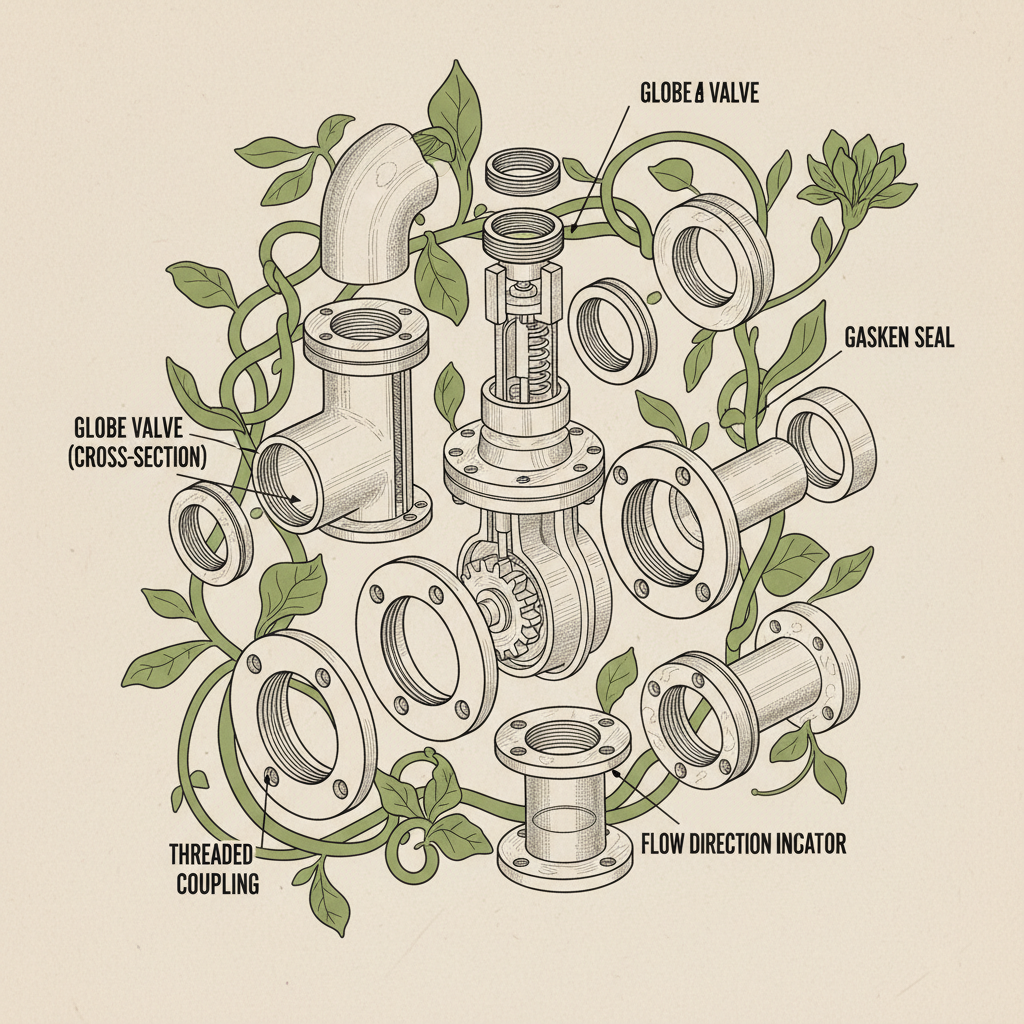
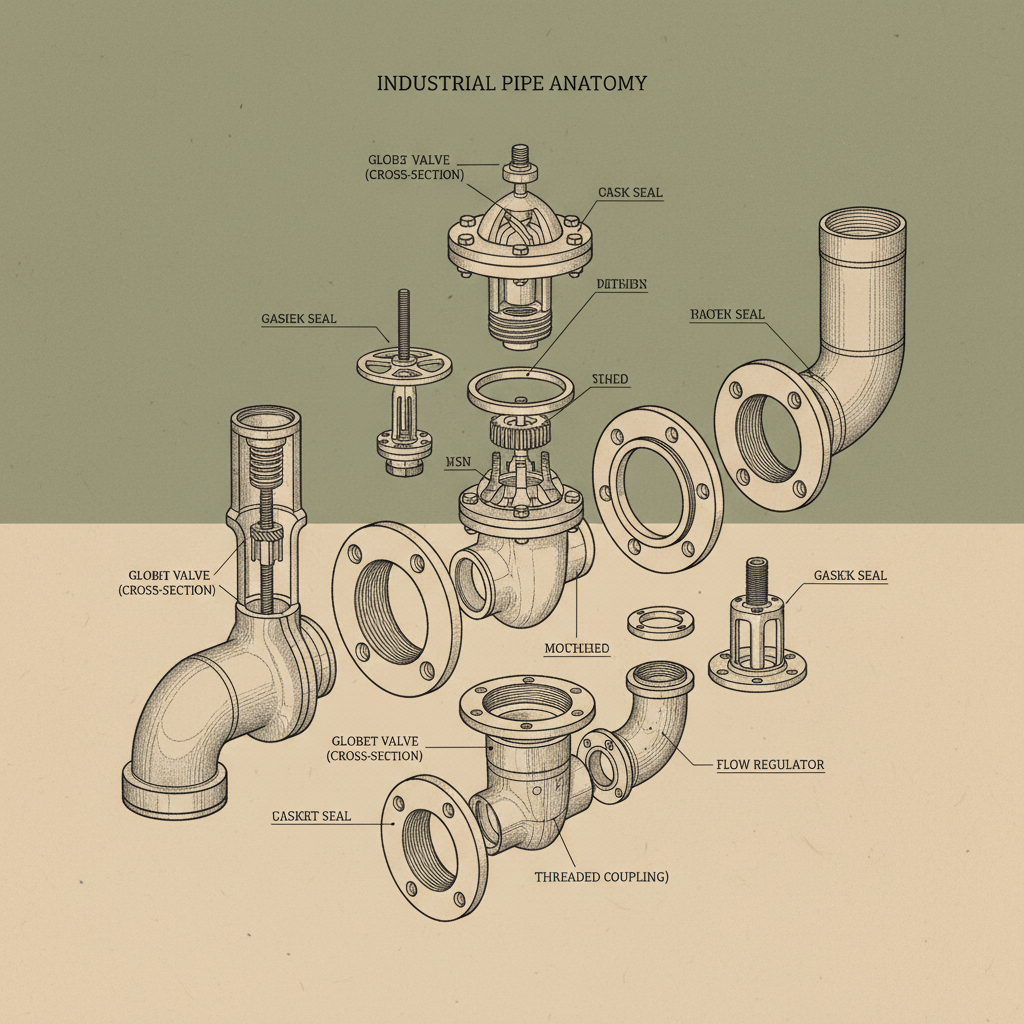
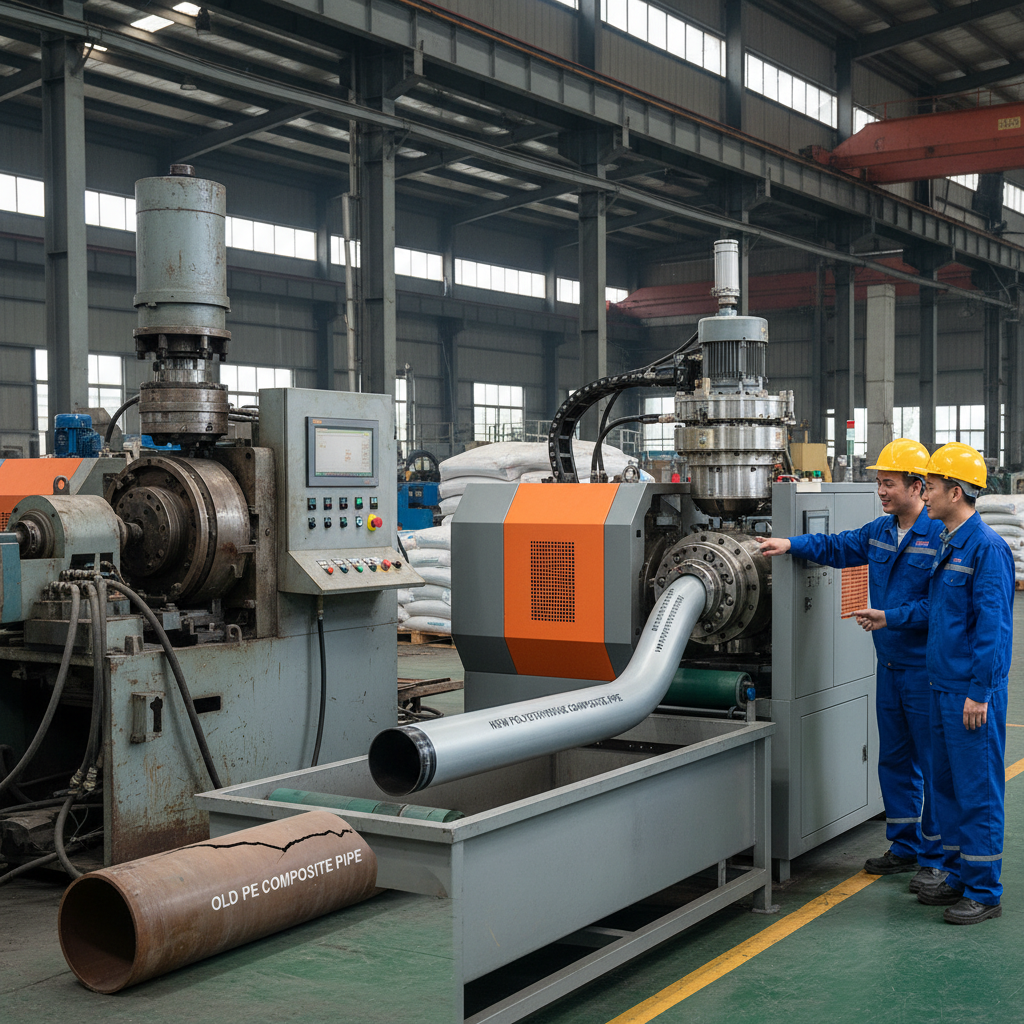
You know, after running around construction sites all year, breathing in dust and dealing with every kind of engineer, you start to see patterns. Lately, everyone’s talking about prefabrication. It's not new new, but it’s finally getting traction. People are realizing that building things in a controlled environment, then shipping them out, saves a ton of headaches. Honestly, the biggest driver isn't even efficiency, it's finding skilled labor. Good welders, fitters… they're becoming rarer than hen's teeth. Prefab solves that.
And it's not just about big modules either. It’s smaller stuff too, like pipe spools – pre-cut, pre-welded, ready to bolt in. That’s where we’re seeing a real demand for good quality pipe equipment for sale. To be honest, though, a lot of guys are still trying to cut corners on the materials.
Which brings me to a point… have you noticed how many companies are pushing “high strength” alloys that are just a nightmare to work with? They’ll say it's easier, but try getting a clean weld on that stuff in a humid environment. Forget it. I encountered this at a factory in Tianjin last time, they were using some new type of stainless steel… smelled vaguely like burnt sugar when you cut it. Absolutely dreadful.
Industry Trends & Material Pitfalls
Strangely enough, the biggest trend isn’t the material itself, but the pressure on lead times. Everyone wants it yesterday. And that pushes people into using stuff they shouldn’t. We see a lot of compromises made on corrosion resistance, especially in coastal environments. They’ll go for a cheaper carbon steel and slap a coat of epoxy on it, thinking it'll hold up. It rarely does. It’s always a headache later on.
Another thing I've been noticing... designers are getting lazy. They’re relying too much on software simulations and not enough on good old-fashioned practical experience. You can run a finite element analysis all day long, but it won't tell you how a pipe will react to a dropped wrench on a windy day. Later... Forget it, I won't mention it.
Material Deep Dive: Steel, HDPE, and Beyond
Now, let's talk materials. Steel, obviously, is still king for a lot of applications. But even within steel, there's a huge range. 304 stainless? Good stuff, but pricey. Carbon steel with a proper lining? Can work, but you’ve got to monitor the lining constantly. And HDPE – High-Density Polyethylene – that’s become huge for drainage and irrigation. It’s lightweight, flexible, and doesn’t corrode. But it’s also… soft. You can’t just throw a pallet of it onto a concrete floor without expecting dents.
I’ve worked with CPVC – Chlorinated Polyvinyl Chloride – and that stuff's a beast. Can handle higher temperatures than regular PVC, but it's brittle as hell. You need to be super careful with the threading. And the smell when you're cutting it… like burning plastic mixed with something else unpleasant. Anyway, I think the key is knowing where each material shines.
Fiberglass reinforced plastic (FRP)? That's the one everyone’s talking about now. Lightweight, strong, corrosion-resistant… but the tooling costs are through the roof. You need specialized equipment to cut and join it. It's not something you can just do with a hacksaw and some PVC cement.
Real-World Testing & Failure Points
Testing? Forget the lab reports. The real test is seeing how it holds up on a jobsite. We routinely pressure test everything before installation, of course. But even then, things can go wrong. I saw a brand new stainless steel pipe burst last year because someone used the wrong type of sealant. Simple mistake, but cost a fortune in downtime.
One common failure point? Vibration. Especially in industrial settings. Pipes carrying fluids can start to vibrate, and that can lead to fatigue and eventual failure. Proper bracing and support are critical, but a lot of contractors skimp on that to save money. They always regret it later. Always.
We also do drop tests – yeah, literally dropping sections of pipe onto concrete. Sounds barbaric, but it's a quick way to assess impact resistance. And we've got a corrosion chamber, which we use to simulate years of exposure to harsh environments. It doesn't always perfectly replicate real-world conditions, but it gives you a good indication of how a material will hold up.
How Users Actually Utilize Pipe Equipment
You’d think people would follow the manufacturer’s instructions, right? Wrong. I’ve seen guys use pipe wrenches on HDPE – absolutely butcher the fittings. They don't understand that you need special tools for that stuff. It's just… frustrating. And the amount of improper threading I've witnessed… incredible.
A lot of times, the issue isn’t lack of knowledge, it's just plain laziness. They want to get the job done quickly, so they cut corners. And then they wonder why things leak. It's a constant battle. Good pipe equipment for sale is wasted on folks who don’t know how to use it.
Advantages, Disadvantages, and Customization Options
The biggest advantage of modern pipe equipment? Versatility. You can build almost anything you want. Disadvantage? The sheer choice. Too many options can be paralyzing. And customization… that's where it gets really interesting.
We had a client last year who needed a custom flange for a particularly tricky application. They needed a specific bolt pattern and a unique material combination. It wasn’t off-the-shelf, so we had to work with a specialized manufacturer to get it made. It added a few weeks to the schedule, but it was worth it to get it right.
Pipe Equipment Performance Metrics
A Shenzhen Smart Home Story
Last month, that small boss in Shenzhen who makes smart home devices insisted on changing the interface to on all his sensors. He thought it looked “modern.” The sensors use a tiny amount of power and a simple micro-USB would've been perfectly fine, and readily available. But no, he needed . Well, the connectors kept failing because the plastic housing wasn’t strong enough to support it. He ended up having to redesign the entire enclosure and wasted a ton of money. I told him, “Sometimes, simpler is better.” He didn't listen.
Performance Metrics & Comparative Analysis
Let’s talk numbers, if you like that sort of thing. We track a lot of data, from weld strength to corrosion rates. But honestly, the most important metric is just… whether it leaks or not.
We’ve got a system for rating different types of connections based on their failure rate. Butt-fused HDPE joints consistently score high – they're almost always leak-free. Threaded connections, on the other hand, are a crapshoot. It all depends on the skill of the installer.
Here’s a quick look at some typical performance characteristics:
Typical Pipe Equipment Performance Characteristics
| Material Type |
Typical Burst Pressure (PSI) |
Corrosion Resistance (1-10) |
Installation Complexity (1-5) |
| Carbon Steel |
2500 |
3 |
2 |
| Stainless Steel 304 |
3000 |
7 |
3 |
| HDPE |
1800 |
9 |
1 |
| CPVC |
1500 |
6 |
3 |
| FRP Composite |
4000 |
10 |
4 |
| PVC |
1200 |
5 |
1 |
FAQS
For really corrosive stuff – think chemical plants or saltwater exposure – you're looking at either specialized stainless steels (like Duplex or Super Duplex) or high-performance plastics like PVDF or ECTFE. The cost is significantly higher, but the lifespan will be much longer. Don't even think about carbon steel without a robust coating system. And even then, regular inspection is crucial.
It’s all about pressure, temperature, and the fluid being carried. Compression fittings are good for low-pressure applications, but threaded fittings are more versatile. Welded connections are strongest, but require skilled welders. And don't forget about the material compatibility! You can't mix and match materials willy-nilly; you'll end up with galvanic corrosion.
Oh, where do I even start? Improper installation is a big one – overtightening, undertightening, using the wrong sealant. Corrosion is another major culprit, especially with older pipes. Vibration can loosen connections over time. And sometimes, it's just plain old material failure. Regular inspection and maintenance are key to preventing leaks.
Hugely important! Insulation prevents heat loss or gain, which can affect the efficiency of your system. It also prevents condensation, which can lead to corrosion. And in some cases, it can even reduce noise. The type of insulation you need depends on the application, but it's always a good idea to invest in quality insulation.
Quality, quality, quality. Don't go for the cheapest option; you'll regret it. Make sure the equipment meets industry standards. Check the materials of construction. And look for a supplier with a good reputation. It's worth paying a little extra for peace of mind. Finding reliable pipe equipment for sale is key.
Insulation is the first line of defense. Heat tracing – electric heating cables – can also be used. And make sure your pipes are properly sloped to allow for drainage. If you're really worried, you can bury your pipes below the frost line. But that's expensive. The key is to be proactive and take steps to protect your pipes before the temperature drops.
Conclusion
So, what have we learned? Pipe equipment for sale is a lot more complex than it looks. It’s not just about the pipes themselves, it’s about the materials, the connections, the installation, and the environment. It's a system, and all the parts have to work together. And ultimately, you’ve got to choose the right materials for the job and make sure they’re installed correctly.
Looking ahead, I think we’ll see even more emphasis on prefabrication and modular construction. The demand for skilled labor will only continue to increase, and prefabrication is a way to mitigate that. And I suspect we'll see more innovation in materials, with a focus on sustainability and corrosion resistance. Ultimately, whether this thing works or not, the worker will know the moment he tightens the screw.