
The Role of Recycled Plastic Extruder Machines in Sustainable Manufacturing
Worldwide plastic waste is a growing menace — and frankly, it’s one of those problems that feels simultaneously huge and personal. Understanding the role of a recycled plastic extruder helps us see a concrete, technical answer to this challenge. These machines turn discarded plastic into usable raw material, which can be remolded into everything from packaging to construction materials. The global benefits? Reduced landfill pressure, lowered demand for virgin plastics, and a push towards a circular economy that’s frankly overdue.
Introduction: Why Recycled Plastic Extruders Matter Globally
The world produces roughly 300 million tons of plastic each year, with a staggering portion ending up as pollution in oceans, landfills, or informal dumpsites. According to the United Nations Environment Programme, less than 20% of plastic waste is effectively recycled worldwide. The manufacturing sector faces a significant challenge: how to turn this waste into usable resources without excessive energy consumption or environmental harm.
This is where the recycled plastic extruder comes in. By converting waste plastics back into pellets or filament, extruders allow manufacturers and recycling centers to reintroduce materials into the supply chain. This not only reduces dependency on fossil fuel-derived plastics but also fosters industrial innovation in regions hit hardest by plastic waste pollution.
What Is a Recycled Plastic Extruder?
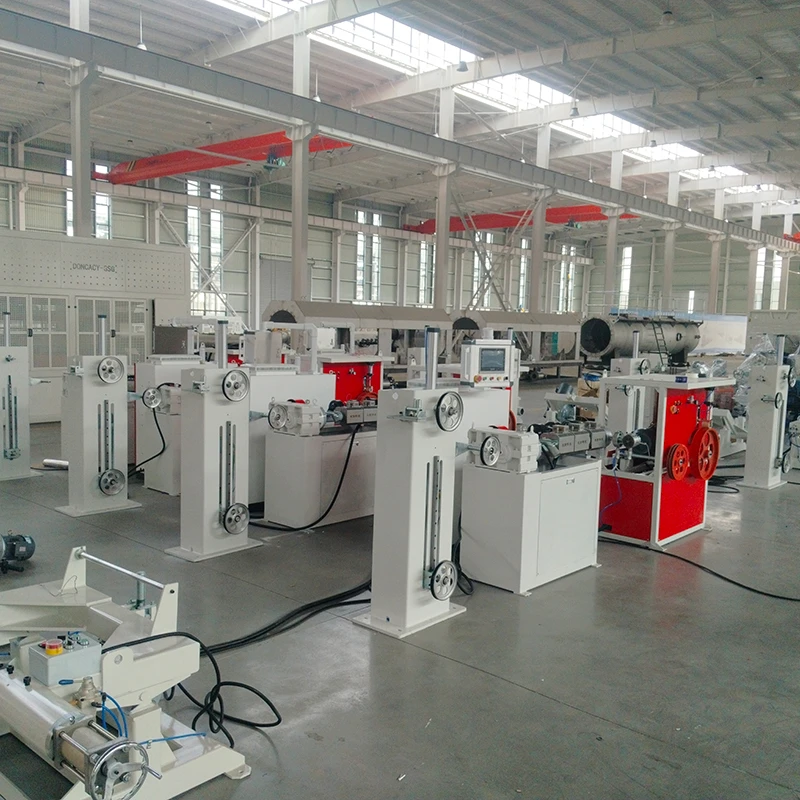
At its core, a recycled plastic extruder is a machine that melts down shredded or pelletized plastic waste and pushes it through a die to form continuous shapes—typically strands or pellets ready for remanufacturing. Imagine it as a giant pasta maker for plastic: you feed in waste material, the extruder melts and shapes it, producing new raw material to use again.
These extruders are essential for industries aiming to integrate recycled content into their products, supporting sustainability goals and helping reduce the plastic pollution burden on communities — especially in regions where waste management infrastructure is limited.
Key Components of Recycled Plastic Extruders
1. Screw and Barrel Design
The heart of the machine, the screw, compresses and melts the plastic. Different designs target various types of plastic feedstock and desired output quality. For example, twin-screw extruders offer better mixing and can handle mixed plastic waste more effectively.
2. Heating System
Precision heating zones along the barrel ensure efficient melting without degrading the plastic’s polymer chains. Incorrect temperatures can ruin the quality of recycled pellets.
3. Die and Cooling System
The die shapes the molten plastic, while cooling systems — often water baths — solidify the extruded material into pellets or filaments.
4. Control System and Automation
Modern extruders feature computerized controls for temperature, pressure, and screw speed, reducing operator error and improving consistency.
5. Energy Efficiency
Given the global push toward sustainability, extruders that optimize energy consumption without compromising output quality are in demand.
Mini Takeaway: The recycled plastic extruder is a sophisticated, customizable machine tailored to the types of plastic waste and the intended product. The design details matter more than you might guess at first glance.
Global Applications & Use Cases of Recycled Plastic Extrusion
- Post-Disaster Relief: In areas struck by flooding or hurricanes, rapid recycling can convert debris into construction materials, aiding recovery efforts.
- Remote Industrial Zones: Countries with poor waste infrastructure use mobile recycled plastic extruders to manage plastic onsite, reducing imports and landfill use.
- Manufacturing Sectors: From packaging firms to automotive component makers, recycled plastic extruders feed sustainable raw materials into production.
- NGOs & Community Programs: Social enterprises employ small-scale extruders to create goods locally from waste, boosting local economies.
Regions like Southeast Asia and parts of Africa lead innovative uses of recycled plastic extruders to turn mountains of waste into entrepreneurial opportunities. Oddly enough, the informal recycling communities often pioneer more sustainable solutions than large corporate recyclers.
Advantages and Long-Term Value of Integrating Recycled Plastic Extruders
First off, the economic advantage is tangible: plastic waste becomes a sellable input, reducing raw material costs significantly. Environmentally, the impact is huge—less plastic waste accumulation, decreased need for virgin plastic production (which ties heavily to fossil fuels), and overall carbon footprint reduction.
Socially, these extruders contribute to communities' dignity by creating jobs and fostering sustainability. It’s a technology that marries innovation with trust — when managed well, it offers safety through better waste handling and sparks pride in circular economy practices.
Product Specification Table of a Typical Recycled Plastic Extruder
| Feature | Specification |
|---|---|
| Screw Diameter | 65 mm |
| Motor Power | 22 kW |
| Max Temperature | 250 °C |
| Output Capacity | 150 kg/h |
| Cooling Method | Water bath |
| Control System | PLC with touchscreen interface |
Vendor Comparison: Leading Recycled Plastic Extruder Manufacturers
| Brand | Capacity Range (kg/h) | Energy Efficiency | Price Range (USD) |
|---|---|---|---|
| EcoPlastics Inc. | 50-300 | High | 30,000 - 60,000 |
| GreenExtrude | 100-500 | Medium | 45,000 - 80,000 |
| ReCycleTech | 30-200 | High | 25,000 - 50,000 |
Future Trends & Innovations in Recycled Plastic Extrusion
There’s a lot of buzz around automation in extrusion machines—sensors and AI-driven controls promise to optimize throughput while minimizing waste and energy. Also, innovations in feedstock pre-treatment allow for more contaminated or mixed plastic waste to be processed effectively. The integration of green energy sources, like solar-powered extrusion plants, is emerging too.
Additionally, advances in polymers that blend virgin and recycled plastic seamlessly are under active development, expanding the range of viable products made from recycled pellets.
Challenges & Solutions in Using Recycled Plastic Extruders
One challenge is the variability in plastic waste quality — impurities and mixed polymers can degrade output quality. To combat this, some extruders include powerful degassing and filtering systems. Another issue is initial capital cost, which is high for advanced extrusion lines. Leasing and scaled-down models help smaller operators get started.
Finally, many operators struggle with insufficient technical know-how. Thankfully, industry associations and manufacturers are increasing training and remote support, which is crucial to scaling impact.
FAQ: Common Questions About Recycled Plastic Extruders
- Q: What types of plastic waste can recycled plastic extruders process?
A: Most extruders handle thermoplastics like PE, PP, PS, and PET. Mixed plastic waste is tougher but twin-screw extruders can manage blends. Avoid PVC unless the machine is designed specifically for it. - Q: How energy-intensive are these machines?
A: Energy use varies by size and design, but modern extruders prioritize efficiency. Many consume less than 30 kW for medium-capacity models, and integrating green energy can drastically cut operational carbon footprints. - Q: How quickly can recycled pellets be turned into new products?
A: Once extruded into pellets, the material can feed directly into injection molding or film production lines. Turnaround can be as fast as hours to days, supporting just-in-time manufacturing. - Q: Is training required to operate an extruder?
A: Yes, due to complex control systems and feedstock variability. Most manufacturers offer training programs to ensure safe, efficient handling and maintenance.
Conclusion: Embracing the Circular Future with Recycled Plastic Extruders
In real terms, the recycled plastic extruder represents more than a machine; it’s a gateway to circular manufacturing that blends environmental stewardship with economic opportunity. For industries, communities, and governments committed to reducing plastic waste, investing in these technologies is a no-brainer. If you want to explore effective solutions tailored to your needs, visit our website: https://www.ahdc11.com.
Oddly enough, sometimes the best innovations arise from tackling messy problems head-on, and recycling plastic waste is a mess worth solving.
References:
-
High Efficiency PE Extrusion Line Guide for Plastic ManufacturingNewsApr.16,2026
-
High Speed Steel Wire Mesh HDPE Composite Pipe Production Line - Anhui Dongchai|High Automation&Energy EfficiencyNewsApr.13,2026
-
High Speed Steel Wire Mesh HDPE Composite Pipe Production Line - Anhui Dongchai|High Automation&Energy EfficiencyNewsApr.13,2026
-
Guide to Choosing High Efficiency ppr pipe extrusion machineNewsApr.09,2026
-
Comprehensive Guide to Modern Pipe Production Line Technologies and OptimizationNewsApr.07,2026
-
Choosing the Right Extrusion Pipe Machine for Optimal Plastic Pipe ProductionNewsApr.04,2026
-
Comprehensive Guide to PPR Pipe Extrusion Line Technology and ApplicationsNewsMar.31,2026


