
Understanding the Hot Melt Extruder Machine: A Global Industrial Asset
When you first hear “hot melt extruder machine,” it may sound like some niche piece of industrial kit. But frankly, this device is a cornerstone in manufacturing lines worldwide, especially when it comes to producing adhesives, coatings, and polymer-based products. As industries grow more complex and environmentally conscious, knowing how these machines work and their benefits is more important than ever. So, whether you’re in manufacturing, product design, or supply chain management, getting a hold of this concept can unlock efficiency and sustainability gains.
Introduction: Why Hot Melt Extruder Machines Matter Globally
Let’s set the stage with a bit of context. The global adhesive market alone is expected to surpass $60 billion by 2027, according to Mordor Intelligence. Hot melt extruder machines play a major role here—they help produce the thermoplastic adhesives widely used across automotive, packaging, construction, and electronics industries. As the United Nations pushes for greener industrial processes in line with its Sustainable Development Goals (SDGs), technologies like these that reduce solvent use are gaining traction.
But there’s a tricky puzzle: manufacturers need machines that are efficient yet adaptable, durable yet precise. Hot melt extruders meet this challenge by offering fast production speeds with reduced emissions. This not only helps companies stay competitive but also meets regulatory pressures worldwide, notably ISO standards on environmental management (ISO 14001) and quality (ISO 9001).
What Is a Hot Melt Extruder Machine?
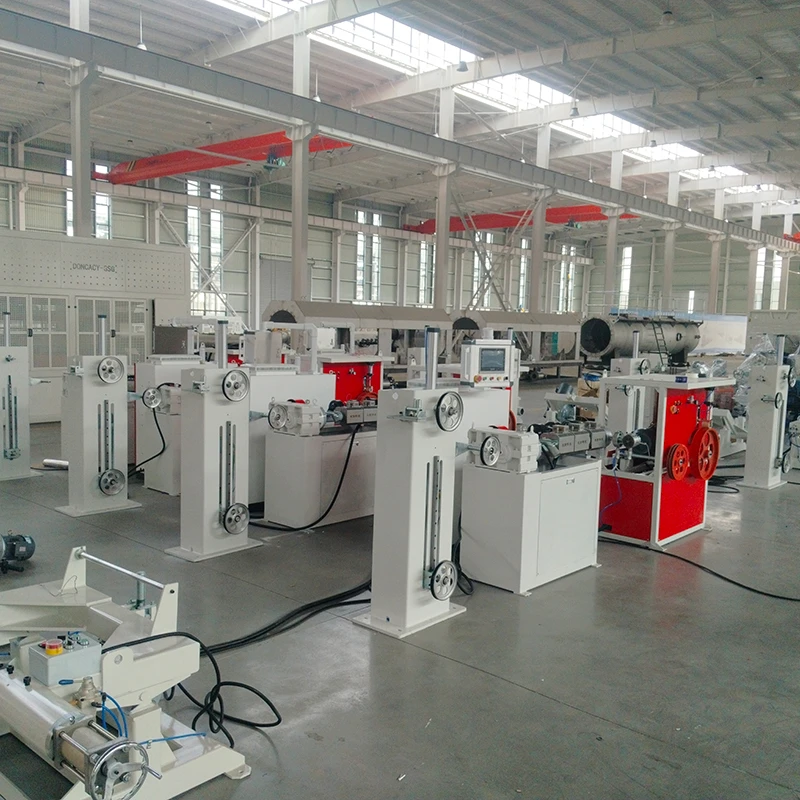
Simply put, a hot melt extruder machine melts and processes polymers into a continuous form, such as pellets or films, that can then cool and solidify into functional products—mostly adhesives or coatings. The “hot melt” part means it uses heat to soften materials instead of chemical solvents, making production cleaner and faster.
Think of it as a kitchen blender but for thermoplastics—feeding raw pellets, mixing and heating them until they liquefy, then pushing that melt through a shaped die to form the desired product. This intersection of heat, pressure, and precision engineering is what makes it indispensable in modern manufacturing and humanitarian contexts, such as producing sealants for emergency shelters.
Core Components and Key Factors of Hot Melt Extruder Machines
1. Durability and Build Quality
Many engineers emphasize the importance of robust construction—often stainless steel barrels and screws that withstand high temperatures and abrasive materials over continuous runs. Durability directly translates to less downtime and lower maintenance costs.
2. Scalability and Throughput
Depending on your needs, machines vary in output capacity—from small lab-scale extruders to high-capacity industrial ones pushing hundreds of kilograms per hour. Flexibility in scaling allows businesses to optimize production without overspending.
3. Energy Efficiency
Since the process involves heating polymers, energy consumption is a concern. Advances include improved barrel insulation and servo-driven motors that reduce wasted power, aligning with global green energy trends.
4. Control and Precision
Modern extruders come with sophisticated control systems that monitor temperature, pressure, and output rate in real-time, ensuring consistent product quality. This closed-loop system helps reduce material waste.
5. Cost Efficiency and Maintenance
While upfront investment can be significant, many manufacturers report ROI within a few years due to lower solvent disposal costs, higher production speeds, and minimal downtime. Plus, vendor support and modular parts can simplify servicing.
| Specification | Typical Range/Value |
|---|---|
| Output Capacity | 5 - 500 kg/hr |
| Operating Temperature | 150 - 300°C |
| Screw Diameter | 20 - 120 mm |
| Power Consumption | 3 - 50 kW |
| Control System | PLC with touchscreen |
Global Applications & Use Cases of Hot Melt Extruder Machines
Where do these machines shine? Quite literally all over—industries from automotive parts manufacturing in Germany to packaging production in China rely heavily on hot melt extrusion. In post-disaster relief zones, organizations produce rapid-curing adhesives for emergency shelters, improving safety and shelter integrity.
For example, remote industrial sites in Canada have adopted these extruders to locally produce sealants and insulation materials, reducing dependency on long supply chains. The packaging sector, responsible for a large share of industrial waste, is using hot melt extruders to develop recyclable and biodegradable films that help combat global plastic challenges.
Mini takeaway: The broad footprint means knowledge of this machine is relevant to diverse sectors, each with unique operational demands.
Advantages and Long-Term Benefits
- Cost-Effective Production: Eliminates need for solvents, reducing both expenditure and environmental costs.
- Sustainability: Aligns with global eco-friendly initiatives and cuts volatile organic compound (VOC) emissions.
- Reliability: Consistent output quality improves final product performance, boosting user trust.
- Social Impact: In humanitarian contexts, it fast-tracks the manufacture of vital materials, saving lives.
Oddly enough, many who work with this equipment say it feels like a “quiet revolution” in manufacturing—keeping pace with innovation while respecting the planet. And given rising regulations and customer demands for greener products, these benefits aren’t just nice-to-have—they’re essential.
Future Trends & Innovations in Hot Melt Extrusion
The future holds some exciting developments. We’re seeing pushes toward integrating hot melt extruder machine systems with IoT-enabled sensors for predictive maintenance, reducing unexpected breakdowns. Green chemistry is inspiring the use of bio-based polymers, which these extruders can handle with tweaks to temperature and screw design.
Automation is another trend, with robotics streamlining loading and unloading, maximizing uptime. Plus, the rise of digital twins—virtual models of physical machines—is allowing engineers to optimize extrusion setups before physically testing, saving time and resources.
Challenges & Solutions
Of course, no tech is perfect. Challenges include high energy consumption, potential for material degradation at excessive heat, and initial capital costs. But many manufacturers tackle this through better machine design and advanced cooling methods. Also, modular systems enable phased investments to reduce financial barriers.
Another hurdle is sourcing skilled operators. Here, vendor training programs and user-friendly controls minimize the learning curve, supporting smoother adoption in diverse regions.
| Vendor | Price Range (USD) | Features | Warranty & Support |
|---|---|---|---|
| Vendor A | $20,000 - $100,000 | Energy efficient, IoT enabled | 3-year warranty, online support |
| Vendor B | $15,000 - $80,000 | Modular design, easy maintenance | 2-year warranty, onsite training |
| Vendor C | $30,000 - $120,000 | High throughput, custom control systems | 5-year warranty, comprehensive support |
FAQ: Common Questions About Hot Melt Extruder Machines
- Q1: What industries most benefit from hot melt extruder machines?
- A1: Mostly packaging, automotive, textiles, electronics, and construction. Any sector needing thermoplastic adhesives or polymers finds these machines essential due to their speed and solvent-free process.
- Q2: How energy-intensive are hot melt extrusion processes?
- A2: Energy consumption varies by machine size and material, typically between 3 kW to 50 kW. Modern energy-efficient models and improved process controls greatly reduce the overall footprint.
- Q3: Can hot melt extruder machines handle bio-based polymers?
- A3: Yes, with some adjustments in temperature profiling and screw design, many extruders process bio-polymers effectively, aligning with sustainable manufacturing goals.
- Q4: Are these machines suitable for small-scale production?
- A4: Absolutely. Smaller extruders designed for R&D or boutique manufacturing offer flexibility without large capital outlay, ideal for startups or labs.
- Q5: How can companies ensure proper maintenance?
- A5: Preventive maintenance programs coupled with operator training and using modular parts help minimize downtime and extend machine life.
Conclusion: Embracing the Hot Melt Extruder Machine Advantage
The hot melt extruder machine is much more than just industrial machinery—it’s a facilitator of innovation, sustainability, and efficiency. As global demands tighten on fast, eco-friendly production, these machines position industries to thrive while meeting environmental standards. Whether you’re aiming to enhance your manufacturing line or explore greener adhesives, understanding and investing in a hot melt extruder machine is a smart move.
Curious to learn more or ready to take the next step? Visit our website for detailed specs, custom solutions, and expert guidance: hot melt extruder machine.
It’s impressive how a piece of equipment can quietly transform industries—we’ll probably hear even more about these extruders in the years to come.
References
-
High Efficiency PE Extrusion Line Guide for Plastic ManufacturingNewsApr.16,2026
-
Guide to Choosing High Efficiency ppr pipe extrusion machineNewsApr.09,2026
-
Comprehensive Guide to Modern Pipe Production Line Technologies and OptimizationNewsApr.07,2026
-
Choosing the Right Extrusion Pipe Machine for Optimal Plastic Pipe ProductionNewsApr.04,2026
-
Comprehensive Guide to PPR Pipe Extrusion Line Technology and ApplicationsNewsMar.31,2026
-
Understanding the Functionality and Applications of a Pipe Extruder SystemNewsMar.28,2026
-
Comprehensive Guide to Pipe Extrusion Machine Technology and ApplicationsNewsMar.26,2026


