
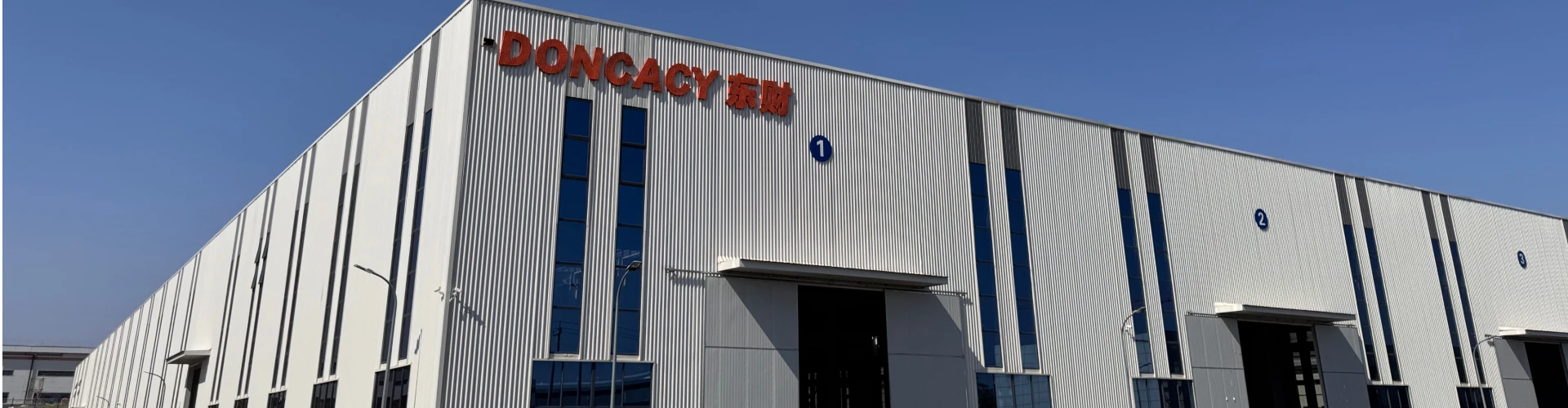
Understanding HDPE Machine Price: Why It Matters More Than You Think
High-density polyethylene (HDPE) machines have quietly become a backbone to countless industries worldwide — from packaging to construction. But the hdpe machine price isn’t just a figure on a quote sheet; it signals accessibility, innovation, and even sustainability on an industrial scale. Globally, as demand for plastic products rises, understanding the cost and value tied to HDPE machinery can make all the difference in operational success and environmental responsibility.
The Global Context: Why HDPE Machine Price is Front and Center
According to the United Nations Environment Programme, plastics production is expected to triple by 2060, with polyethylene being one of the dominant polymers. Meanwhile, ISO standards for plastic processing machines have evolved to ensure safer, more efficient production methods — a trend pushing new buyers to seriously weigh the hdpe machine price against long-term operational savings and energy consumption.
But there’s a catch: many emerging economies face steep upfront costs, limiting their ability to adopt advanced HDPE processing technology. This is where understanding pricing nuances—such as mold capabilities, cycle times, and material grades—becomes essential for decision makers.
Mini Takeaway:
- HDPE usage is booming globally.
- Machine price influences industrial growth and sustainability efforts.
- Cost barriers exist but can be navigated with informed choices.
What Exactly Does ‘HDPE Machine Price’ Mean?
At its core, the hdpe machine price reflects the investment required to acquire equipment capable of processing high-density polyethylene — a plastic known for durability and versatility. We're talking about machines like extrusion lines, blow molding units, and injection molds, which transform raw pellets into pipes, containers, films, and more.
In more human terms, these machines enable industries to create products that support everything from clean water delivery systems to hygienic packaging, echoing a direct link between cost and impact on modern infrastructure and humanitarian needs.
Breaking Down Core Components Affecting HDPE Machine Price
1. Durability and Build Quality
The better machined parts and sturdier frames you get, the higher the price typically climbs, but so does the lifespan and reliability — no one wants to deal with constant repairs or downtime.
2. Scalability and Throughput Capacity
Machines that can handle larger volumes typically cost more but repay that investment by increasing production output, which is crucial as companies grow or take on bigger contracts.
3. Automation and Control Features
Advanced control panels, computer integration, and automation usually push the price up. Still, they improve precision, reduce waste, and allow for easier handling by operators.
4. Energy Efficiency
Machines built for lower power consumption might have a higher upfront cost but save money long-term.
5. Compliance & Certification
Equipment adhering to international quality and safety standards (like ISO certifications) may carry a premium but reduce legal or operational risks.
Mini Takeaway:
- Price influences machine longevity and performance.
- Automation and energy use factor heavily into cost.
- Certification adds value beyond the price tag.
HDPE Machines in Action: Where and How They Make a Difference
From the dusty roads of rural India to high-tech manufacturing hubs in Germany, HDPE machinery finds diverse applications:
- Infrastructure: Producing HDPE pipes for water and gas conveyance, crucial for urban and rural development.
- Packaging: Manufacturing containers that keep food safe while cutting down plastic waste through recyclable HDPE.
- Humanitarian Relief: In disaster zones, HDPE pipes and sheets quickly rebuild sanitation facilities — a life-saving use case.
- Remote Industrial Sites: Durable HDPE tanks and fittings engineered for harsh environments support mining and oil extraction.
These real-world use cases underscore why hdpe machine price needs to be evaluated not just as a purchase cost but as an enabler for critical services and innovations.
Quick Product Specification Table
| Specification | Typical Value | Notes |
|---|---|---|
| Extrusion Capacity | 150 - 800 kg/hr | Varies by model and size |
| Operating Voltage | 380V / 415V (3-phase) | Standard industrial power supply |
| Automation Level | Semi to Full Automation | Customer choice |
| Energy Consumption | 85 - 110 kWh/ton | Dependent on machine efficiency |
| Price Range | $30,000 - $150,000 | Based on capacity & features |
Vendor Comparison: Finding the Best Value for HDPE Machines
| Vendor | Price Range | Warranty | Energy Efficiency | Automation Level |
|---|---|---|---|---|
| Vendor A | $30k - $70k | 1 year | Moderate | Semi |
| Vendor B | $80k - $120k | 2 years | High | Full |
| Vendor C | $50k - $90k | 1.5 years | Moderate-High | Semi to Full |
Advantages and Lasting Value of Investing Wisely
Sure, price matters. But what many overlook is how a good HDPE machine doubles as a social and environmental investment. More efficient machines reduce energy drain and material waste, hedge operational costs, and bolster brand trust in eco-conscious markets. They also deliver consistency, critical for manufacturers meeting strict regulatory standards. On a more human level, reliable machinery means safer workplaces and better product outcomes — things that can sometimes get lost in the spreadsheet comparisons.
Looking Ahead: Future Innovations Impacting HDPE Machine Pricing
The horizon is bright with potential. Automation continues speeding production shifts, with AI-powered sensors tuning parameters in real time. Resource-saving features leveraging renewable energy sources are creeping into mid-range machines, narrowing the cost gap with traditional models. Some companies are even experimenting with biodegradable HDPE blends needing specialized machines, which might shake up pricing structures quite a bit.
Challenges in the Current Landscape and Smart Solutions
However, HDPE machine pricing remains volatile due to fluctuating raw material costs (like steel and electronics), and supply chain bottlenecks. Plus, smaller firms confront challenges balancing quality with limited budgets. One clever workaround has been modular design, where buyers upgrade core systems incrementally. Another is entering group purchasing consortia to negotiate better pricing. Frankly, being informed about market trends and vendor offerings is key — not just fixating on the sticker price.
Frequently Asked Questions About HDPE Machine Price
Q1: How does HDPE machine price affect production costs?
A1: The machine price influences fixed costs, but better machines can improve energy efficiency and reduce scrap rates, lowering overall production expenses long-term.
Q2: Are more expensive HDPE machines always better?
A2: Not necessarily. It depends on your production volume, required features, and maintenance capacity. Sometimes mid-range machines with good support offer the best ROI.
Q3: Can I find financing options to manage hdpe machine price?
A3: Many vendors and financial institutions offer leasing or installment plans to ease upfront investment. Exploring these can make advanced technology accessible.
Q4: What industries benefit most from investing in quality HDPE machines?
A4: Packaging, water infrastructure, agriculture, and medical supplies manufacture all heavily rely on high-quality HDPE products and thus benefit from better machines.
Q5: How can I ensure I’m buying an ISO-compliant HDPE machine?
A5: Insist on vendor documentation of certifications and third-party audit reports. Also, request references or case studies from similar operations.
In Closing: The Pricelessness of Understanding HDPE Machine Cost
At the end of the day, hdpe machine price is more than a mere number; it’s a gateway to scalability, sustainability, and industrial resilience. For companies ready to embrace the future of manufacturing, choosing the right machinery can unlock new operational heights — and as I like to say, it’s an investment that pays off quietly, steadily, and often unexpectedly. If you’re considering your next step, I’d suggest starting with a trusted source to get a sense of true market pricing. You can kick off that search by checking out hdpe machine price listings that blend transparency with industry insights.
Wishing you a smooth journey through machinery and markets!
References:
-
High Efficiency PE Extrusion Line Guide for Plastic ManufacturingNewsApr.16,2026
-
High Speed Steel Wire Mesh HDPE Composite Pipe Production Line - Anhui Dongchai|High Automation&Energy EfficiencyNewsApr.13,2026
-
High Speed Steel Wire Mesh HDPE Composite Pipe Production Line - Anhui Dongchai|High Automation&Energy EfficiencyNewsApr.13,2026
-
Guide to Choosing High Efficiency ppr pipe extrusion machineNewsApr.09,2026
-
Comprehensive Guide to Modern Pipe Production Line Technologies and OptimizationNewsApr.07,2026
-
Choosing the Right Extrusion Pipe Machine for Optimal Plastic Pipe ProductionNewsApr.04,2026
-
Comprehensive Guide to PPR Pipe Extrusion Line Technology and ApplicationsNewsMar.31,2026


