

Understanding the Sheet Extrusion Line: A Veteran's Take
Having spent a fair chunk of my career in the industrial equipment sector, particularly around plastic processing machinery, I can tell you that the sheet extrusion line isn’t just another piece of factory hardware — it’s a workhorse. If you’re new to the scene or even just curious, it’s essentially a system that turns plastic pellets into continuous sheets, which then get shaped into everything from automotive panels to signage and packaging.
The sheet extrusion line combines precision, speed, and flexibility, but those qualities come after years of refining design and material handling. Frankly, it feels like the backbone of many manufacturing lines. Let me walk you through what makes these lines tick — and maybe share some insights you won’t find in brochures.
Behind the Design: How It Works
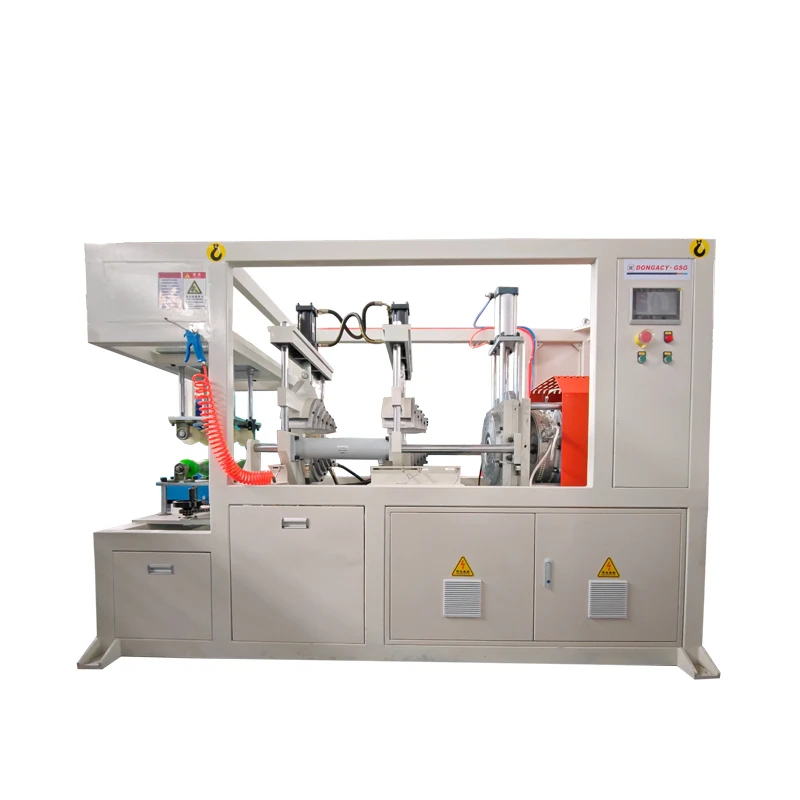
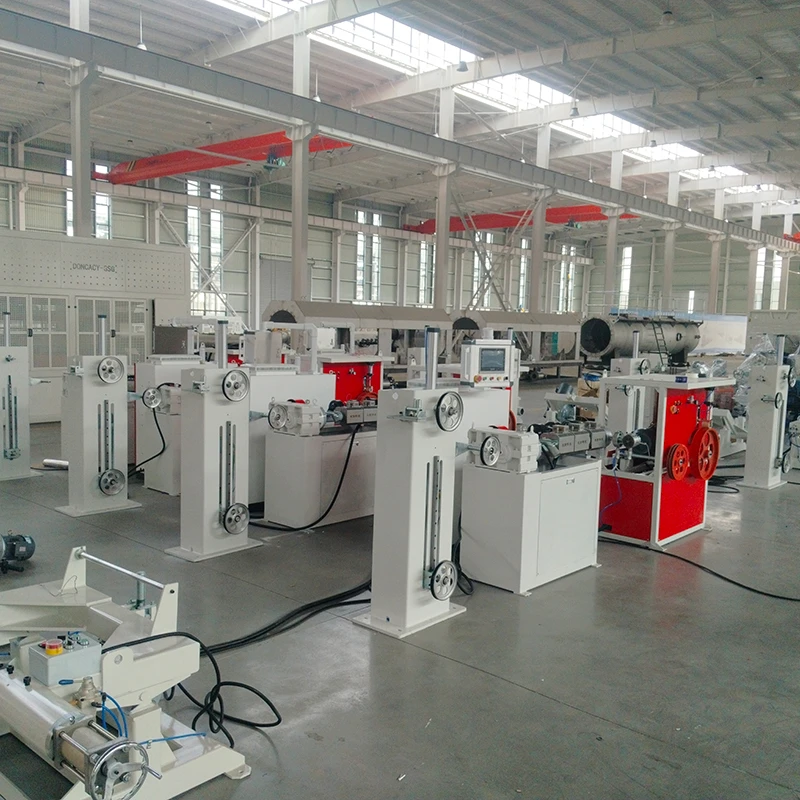
At the heart, you've got an extruder that melts and mixes plastic resin — typically PVC, ABS, or polyethylene — and shapes it through a wide flat die, forming molten sheets. Downstream equipment calibrates and cools these sheets to spec. You might find chill rolls that cool the sheets smoothly while controlling thickness — the unsung heroes of uniformity. The whole setup includes haul-off units pulling the sheet steadily, followed by cutting or winding stations, depending on the end product.
In my experience, the key challenge has always been balancing throughput with quality. Push the speed too much and you risk defects; go too slow and the cost per pound skyrockets. Also, oddly enough, even small changes in resin formulation or moisture can impact the final sheet’s optical clarity and mechanical strength.
Common Specifications to Expect
| Parameter | Typical Range |
|---|---|
| Sheet Thickness | 0.3 mm to 10 mm |
| Sheet Width | 500 mm to 2500 mm |
| Output Capacity | 200 to 1000 kg/hr |
| Extruder Screw Diameter | 90 mm to 150 mm |
| Motor Power | 75 kW to 200 kW |
Choosing a Vendor: What to Look For
Now, there are plenty of manufacturers out there, each touting their latest innovation or cost-saving feature. But from my perspective — having seen lines that ran 24/7 without hiccups, and others that gave headaches after a few months — here’s what frankly matters most:
| Feature | Vendor A | Vendor B | Vendor C |
|---|---|---|---|
| Customization Options | High | Medium | Low |
| Energy Efficiency | Good | Excellent | Fair |
| After-Sales Support | Responsive | Moderate | Slow |
| Initial Cost | High | Medium | Low |
| Build Quality | Excellent | Good | Average |
Real-World Insights
To bring this alive, let me share a quick story. A client of mine once tested a sheet extrusion line that claimed a 15% higher output. After a few weeks, they found it truly made a difference—but only after tweaking cooling rollers and screw configuration. It required patience and expertise, but the payoff was worth it.
In real terms, investing in such equipment isn’t just about specs, though they help – it’s about understanding your material, your production speed, and yes, the subtle nuances that only come with experience on the floor.
Many engineers I know say it’s a blend of art and science. While automation and sensors advance, nothing quite replaces the trained eye scanning for anomalies or adjusting on the fly.
If you’re in the market, take time to discuss with vendors, ask for samples, and don’t hesitate to inquire about custom setups. Often, these lines can be fine-tuned for specific output characteristics — thickness tolerances, surface finish, even color consistency — that matter more than you might think.
Whether you’re upgrading from a dated line or starting fresh, the sheet extrusion line will likely be one of the biggest investments on your floor, so treat it as a partnership, not just a purchase.
At the end of the day, it’s those little details — the perfect melt temperature, the right cooling speed, and yes, a vendor who listens — that separate a good extrusion line from a great one.
References:
1. Plastics Technology Handbook, 6th Edition, 2021.
2. Industry interviews with extrusion engineers, 2018-2023.
3. Vendor product manuals and white papers, various sources.
-
High Efficiency PE Extrusion Line Guide for Plastic ManufacturingNewsApr.16,2026
-
High Speed Steel Wire Mesh HDPE Composite Pipe Production Line - Anhui Dongchai|High Automation&Energy EfficiencyNewsApr.13,2026
-
High Speed Steel Wire Mesh HDPE Composite Pipe Production Line - Anhui Dongchai|High Automation&Energy EfficiencyNewsApr.13,2026
-
Guide to Choosing High Efficiency ppr pipe extrusion machineNewsApr.09,2026
-
Comprehensive Guide to Modern Pipe Production Line Technologies and OptimizationNewsApr.07,2026
-
Choosing the Right Extrusion Pipe Machine for Optimal Plastic Pipe ProductionNewsApr.04,2026
-
Comprehensive Guide to PPR Pipe Extrusion Line Technology and ApplicationsNewsMar.31,2026


