
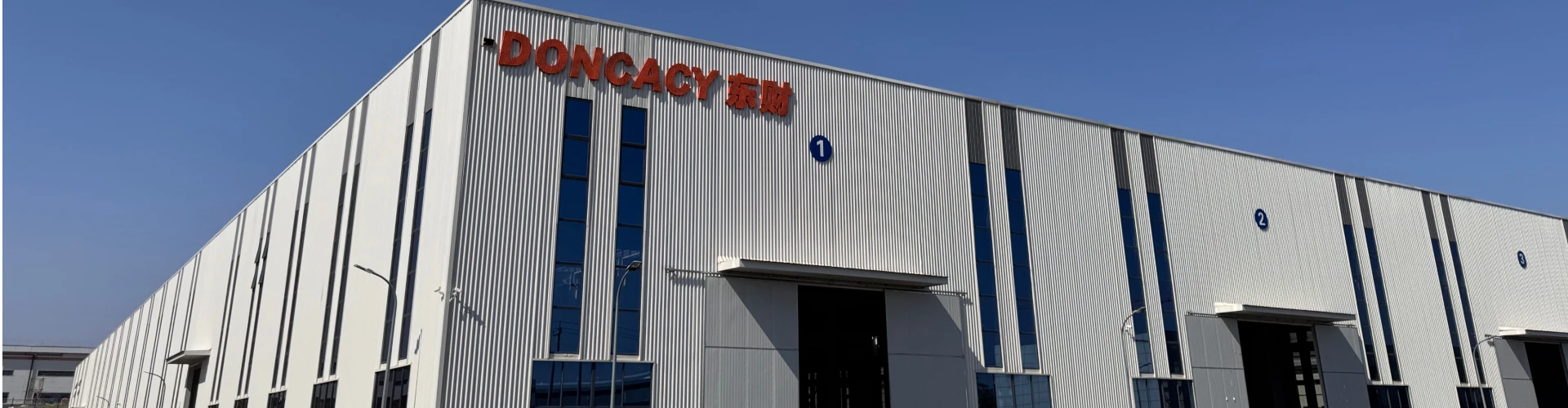
Understanding Plastic Extrusion Machinery: A Global Industrial Backbone
Plastic extrusion machinery is, in many ways, the unsung hero behind countless everyday products. From the packaging that keeps our food fresh to durable construction materials, this technology quietly powers an industry that touches nearly every corner of the world. But why does it matter so much globally? How does mastering the nuances of plastic extrusion influence economies, sustainability efforts, and innovation?
To begin with, plastic extrusion machinery enables the continuous production of plastic shapes by melting raw plastic and forcing it through molds called dies. Think about plastic pipes, sheets, films, or even complex profiles that are everywhere — these come from extrusion lines. Given the vast consumption of plastic products worldwide (the UN estimated globally over 300 million tons annually), the efficiency and adaptability of these machines directly impact manufacturing costs, environmental footprints, and supply chain reliability.
Global Context: Why Plastic Extrusion Machinery Is Essential Today
On a macro level, plastic extrusion machinery is integral to industries driving the modern economy—packaging, automotive, construction, agriculture, medical devices, and more. According to recent ISO reports, plastic processing technologies including extrusion account for a large share of polymer-based product output worldwide.
Yet, there’s a problem looming: how to meet increasing plastic demands while addressing environmental challenges. In real terms, this means machines must become more energy-efficient, adaptable to recycled materials, and support innovation like bioplastics. For manufacturers aiming to stay competitive—or for humanitarian organizations needing fast-deployed infrastructure—understanding the strengths and limitations of these extrusion technologies is crucial.
What Is Plastic Extrusion Machinery?
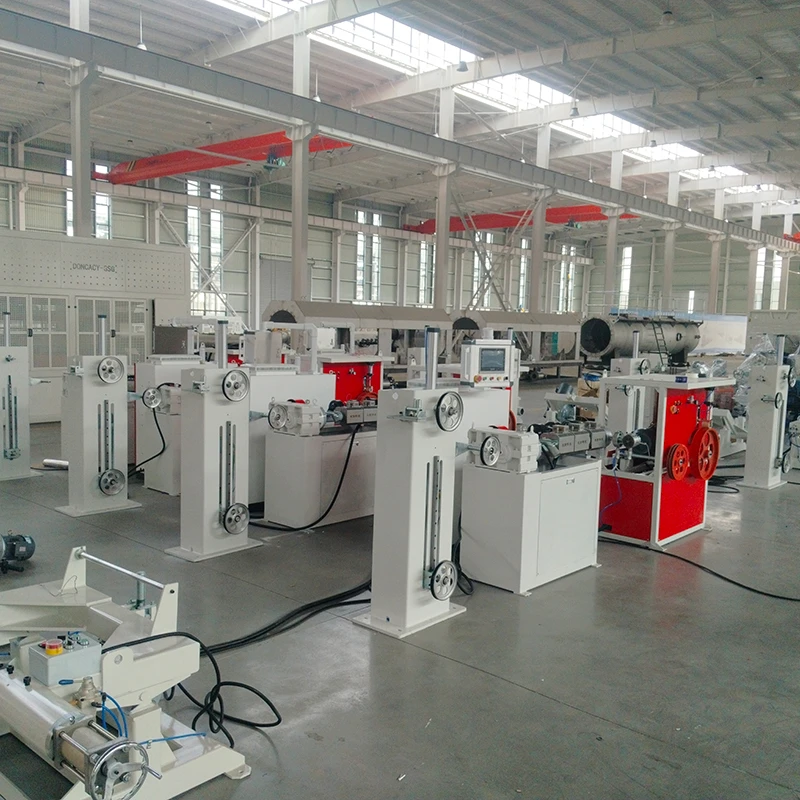
Simply put, plastic extrusion machinery melts raw polymer pellets or granules and pushes them through a shaped die to create continuous plastic profiles. The process is continuous: you feed raw material into one end and get a shaped plastic product on the other. Operators monitor temperature, pressure, and output speed to ensure consistent quality.
This machinery is connected to both industrial needs and humanitarian efforts. For instance, NGOs constructing temporary shelters use plastic extrusion to produce lightweight wall panels quickly. In agriculture, irrigation pipes grown from extrusion lines support food security in drought-prone areas. So, it’s not just industry jargon — it’s the backbone of practical solutions worldwide.
Core Components & Key Factors in Plastic Extrusion Machinery
1. Durability
These machines often run 24/7, so components like screws, barrels, and motors must withstand heat, friction, and mechanical stress. Durability ensures minimal downtime and less maintenance cost.
2. Scalability
Whether a small workshop or a large plant, extrusion lines come in modular sizes. Scalability allows businesses to increase output without huge re-investment.
3. Energy Efficiency
This is perhaps one of the hottest topics lately. Modern extruders feature advanced heating elements and insulation, reducing electricity consumption — critical for sustainability and profitability.
4. Material Compatibility
From virgin polypropylene to recycled PET and emerging bioplastics, the machine’s flexibility to process diverse polymers is a major practical advantage.
5. Precision & Quality Control
Consistent temperature control, screw design, and die configuration affect product uniformity, an essential factor for downstream applications like lamination or molding.
Product Specification Table: Typical Plastic Extrusion Machinery Specs
| Parameter | Typical Range | Description |
|---|---|---|
| Screw Diameter | 30 - 120 mm | Determines throughput capacity |
| Output Rate | 5 - 500 kg/hr | Mass of plastic produced per hour |
| Max Temperature | 200 - 350 °C | Melting range for typical polymers |
| Power Consumption | 2 - 100 kW | Depends on machine size and speed |
| Control System | PLC / CNC | Automated process regulation and monitoring |
Mini takeaway: Plastic extrusion machines vary significantly by scale and complexity but share common traits—durability, energy efficiency, and adaptability to materials control their success in production lines worldwide.
Global Applications & Use Cases of Plastic Extrusion Machinery
Plastic extrusion isn’t just a factory-floor operation—it’s integral to industries and relief efforts alike:
- Packaging Industry: Produces flexible films and sheets essential for food and consumer goods. Southeast Asia and North America are hotspots for these applications.
- Construction: Extruded pipes, window frames, and insulation profiles support infrastructure worldwide. For example, in remote African communities, locally extruded pipes enable water access projects.
- Agriculture: Irrigation tubing from extrusion lines contributes to sustainable food production in drought-prone zones.
- Medical: Plastic tubing and components for devices, where precision extrusion machinery ensures quality and sterility.
- Disaster Relief: NGOs use extruded plastic panels and modular parts for fast-deployed shelters in crisis zones.
Oddly enough, because extrusion can be modular and adapted, it’s even found uses in remote industrial setups where importing finished goods is costly. The ability to produce parts on-site cuts lead times dramatically.
Vendor Comparison Table: Leading Plastic Extrusion Machinery Providers
| Vendor | Energy Efficiency | Material Compatibility | Price Range | Support & Warranty |
|---|---|---|---|---|
| ExtrudoTech | High (Advanced heaters & insulation) | Virgin & recycled polymers, some bioplastics | $$$ | 5 years; onsite service available |
| PolyLine Systems | Moderate | Mostly virgin polymers | $$ | 3 years; remote diagnostics |
| EcoExtrude | Very High (solar-powered options) | Recycled plastics & biopolymers | $$$ | 4 years; sustainability consulting |
Mini takeaway: Choosing a machine depends on energy goals, material needs, and service expectations. It pays to align vendor strengths with your operational priorities.
Advantages & Long-Term Value of Plastic Extrusion Machinery
Thinking about it broadly, the benefits run deeper than production speed or cost savings. Extrusion machinery offers:
- Cost Efficiency: Produces a high volume of consistent shapes, reducing labor and waste.
- Sustainability: Newer machines can handle recycled materials and run on green energy, aiding environmental goals.
- Social Impact: Enables localized manufacturing, supporting communities and reducing transport emissions.
- Reliability: Robust designs yield fewer breakdowns, critical for industries like medical or food that require tight standards.
On an emotional level, it feels reassuring to know the products made by extrusion lines are often part of solutions that improve health, safety, and dignity—whether clean water pipes or temporary housing components. This technology blends innovation and trust in interesting ways.
Future Trends & Innovations in Plastic Extrusion Machinery
The horizon holds exciting developments:
- Automation & Digital Twins: Real-time monitoring and predictive maintenance reduce downtime and improve quality.
- Green Materials: Bioplastics and recycled blends will dominate feedstocks, pushing machines to evolve.
- Modular Systems: Faster retooling and easier upgrades for agility in fluctuating markets.
- Energy Recovery: Innovative heating systems might recycle heat or use renewable energy sources.
Frankly, the most successful manufacturers will be those embracing this transformation with an eye on sustainability and efficiency.
Challenges & Solutions
However, extrusion machinery isn’t without its issues. Common challenges include:
- Material Degradation: Processing recycled plastics can be tricky due to inconsistent feedstock quality.
- High Energy Use: Old machines may guzzle power, inflating costs and environmental impact.
- Skilled Operator Shortage: These machines need knowledgeable staff to optimize performance.
Luckily, solutions are figuring out. Advanced sorting and pre-processing improve recycled plastic feed, while automation can reduce operator dependency. Retrofitting older machines with energy-saving components also offsets power consumption.
Frequently Asked Questions About Plastic Extrusion Machinery
- What materials can plastic extrusion machines process?
- Modern extrusion machinery processes a broad range of materials, including virgin polymers like polyethylene, polypropylene, PVC, recycled plastics, and newer bioplastics. Material compatibility depends on machine temperature control and screw design.
- How energy-efficient are today’s extrusion lines?
- Newer lines feature advanced heaters and insulation, reducing energy consumption by up to 30% compared to older models. Some vendors even offer solar-powered or waste heat recovery options for greener operation.
- Can extrusion machinery be scaled for small businesses?
- Absolutely. Extrusion lines come in various sizes—from small benchtop models ideal for startups or local workshops to large industrial systems. Scalability lets businesses expand production as needed.
- Is maintenance complicated for extrusion equipment?
- While extrusion machines have mechanical and electronic components requiring upkeep, most vendors provide training and remote diagnostics to simplify maintenance. Regular checks on screws and barrels yield long-term reliability.
- How does plastic extrusion support disaster relief operations?
- Extruded plastic panels, pipes, and profiles enable quick, affordable construction of shelters, water systems, and infrastructure in crisis zones, facilitating fast deployment and durability in challenging environments.
Conclusion
Plastic extrusion machinery is more than just industrial equipment—it’s a pivotal technology shaping economies, sustainability efforts, and humanitarian solutions worldwide. Its ability to adapt to new materials, reduce costs, and deliver consistent product quality ensures it will remain at the heart of manufacturing processes for years to come.
If you want to dive deeper or explore solutions tailored for your needs, visit our website: plastic extrusion machinery. Unlock the potential of modern extrusion technologies and stay ahead in a shifting global landscape.
Oddly enough, understanding plastic extrusion machinery often feels like piecing together a mechanical puzzle that powers much of our daily life. If you ever get a chance to tour a plant or talk to an extrusion operator, the sheer blend of precision, ruggedness, and innovation is quite something.
-
High Efficiency PE Extrusion Line Guide for Plastic ManufacturingNewsApr.16,2026
-
High Speed Steel Wire Mesh HDPE Composite Pipe Production Line - Anhui Dongchai|High Automation&Energy EfficiencyNewsApr.13,2026
-
High Speed Steel Wire Mesh HDPE Composite Pipe Production Line - Anhui Dongchai|High Automation&Energy EfficiencyNewsApr.13,2026
-
Guide to Choosing High Efficiency ppr pipe extrusion machineNewsApr.09,2026
-
Comprehensive Guide to Modern Pipe Production Line Technologies and OptimizationNewsApr.07,2026
-
Choosing the Right Extrusion Pipe Machine for Optimal Plastic Pipe ProductionNewsApr.04,2026
-
Comprehensive Guide to PPR Pipe Extrusion Line Technology and ApplicationsNewsMar.31,2026


