
Understanding the PVC Window Profile Extrusion Line: Why it Matters Globally
At its core, a pvc window profile extrusion line is a specialized manufacturing system that creates the essential building blocks for window frames—PVC (polyvinyl chloride) profiles. These profiles are the backbone of modern window design, offering durability, energy efficiency, and affordability worldwide. As urbanization accelerates and sustainability demands intensify, understanding this extrusion technology has become pivotal not only for manufacturers but for industries tied to construction, energy, and even humanitarian aid.
Globally, the way we manufacture window profiles shapes how we approach energy conservation, housing affordability, and green building projects. So, the extrusion line isn’t just a machine setup; it’s a crucible of innovation affecting window quality — and indirectly, the comfort and energy bills of millions.
Global Industry Context: Why PVC Window Profile Extrusion Lines are Gaining Momentum
Across the world, construction and housing industries are under immense pressure to meet stricter energy efficiency standards and affordability targets. According to the International Energy Agency, buildings are responsible for roughly 40% of global energy consumption and nearly 30% of energy-related CO2 emissions (1). Windows and their frames significantly influence these numbers.
Here’s the kicker: traditional materials like wood or aluminum, while classic, are either costly, resource-intensive, or have high thermal conductivity – meaning they waste energy. That’s where PVC profiles come in. The global market for PVC window profile extrusion lines is forecasted to grow steadily, driven by rising construction in Asia-Pacific and Europe, where green building codes are tightening.
However, the industry faces challenges too — from raw material fluctuations to environmental pressure to adopt greener processes. The extrusion line helps tackle some of these by enabling efficient, scalable production and by supporting recyclability schemes.
Mini takeaway:
As energy-conscious architecture and rapid urbanization grow, PVC window profile extrusion lines form a key technology enabling sustainable construction at scale.
What Exactly is a PVC Window Profile Extrusion Line?
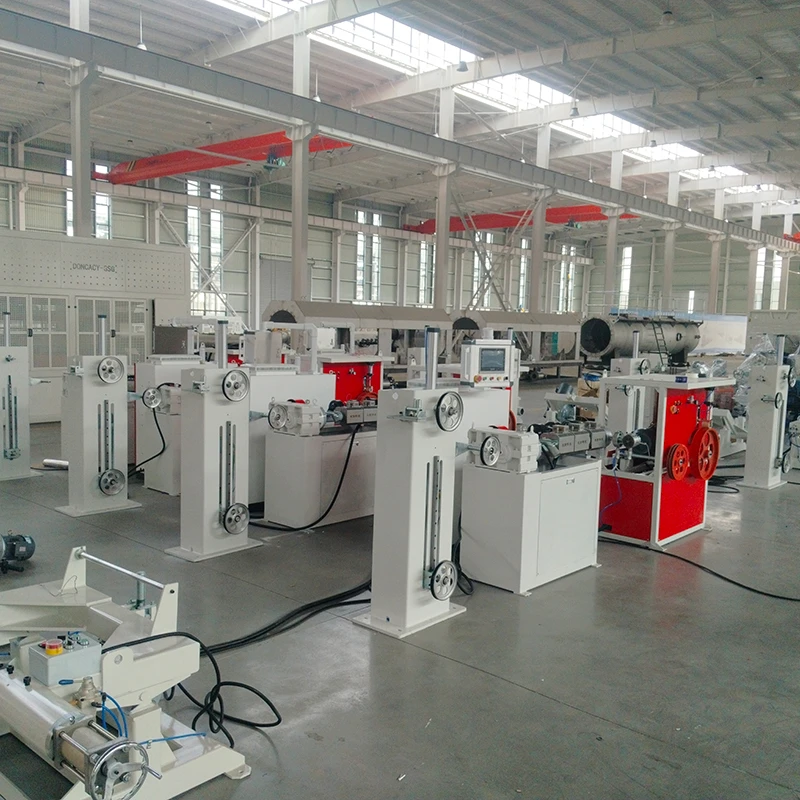
Put simply, a pvc window profile extrusion line is an automated assembly that melts raw PVC granules, mixes them with additives, and forces the molten plastic through a shaped die to form long window frame profiles. These profiles can be cut, welded, and assembled into fully functional window units.
Think of it as a streamlined plastic pipe-maker but designed for precise, multi-chambered, complex shapes that deliver thermal insulation and rigidity. This technology has revolutionized how windows are made, shifting the industry from bespoke manual work to industrial-scale precision.
On a broader scale, such extrusion lines respond to modern needs—faster housing, improved energy consumption, and more durable products that serve communities and environments better.
Core Components of PVC Window Profile Extrusion Lines
1. Extruder Unit
The heart of the line, this machine melts the PVC compounds at precise temperatures and pressures. Various screw designs control material flow, directly influencing output quality and consistency.
2. Profile Die
This tool shapes the molten PVC into the profile's exact cross-section. It requires careful engineering to maintain window frame standards — like multi-chambered profiles that trap heat.
3. Calibration and Cooling System
After extrusion, profiles are fragile and hot. This system cools them rapidly with water tanks and calibrates their shape through precision tools, ensuring dimensional accuracy.
4. Haul-off Unit
It pulls the profile steadily, synchronizing speed so the whole extrusion happens consistently without stretching or deforming.
5. Cutting System
Profiles are cut into predetermined lengths. Modern lines offer digital control to match exact customer specs, minimizing waste.
6. Control Panel and Automation
The increasingly digitized brain of the line, overseeing temperature, speed, pressure, all to optimize output and reduce downtime. Some even integrate with MES (Manufacturing Execution Systems) for data-driven production.
Mini takeaway:
From melting to cutting, each component plays a critical role in delivering energy-efficient, durable window profiles.
How and Where Are PVC Window Profile Extrusion Lines Used Globally?
The versatility and efficiency of these lines make them essential in many regions:
- Asia-Pacific: High demand in urbanizing countries like China and India for affordable housing and energy-efficient green buildings.
- Europe: Strict regulations on thermal performance mean extrusion lines must deliver quality multi-chamber profiles that meet ISO standards (2).
- North America: Retrofit markets seek durable, weather-resistant windows capable of withstanding harsh climates.
- Disaster Relief and Remote Locations: NGOs and temporary housing producers utilize pre-cut PVC profiles fashioned via extrusion lines to rapidly build lightweight, insulated windows under time pressure.
For example, in post-earthquake reconstruction in Nepal, locally produced PVC window profiles allowed swift shelter assembly, balancing speed, cost, and durability.
Mini takeaway:
The extrusion line’s output is central to housing innovation, disaster resilience, and sustainable infrastructure worldwide.
Advantages and Long-Term Value of Using PVC Window Profile Extrusion Lines
- Cost Efficiency: PVC is inexpensive compared to wood and aluminum. Extrusion lines enable mass production, lowering unit costs dramatically.
- Durability & Maintenance: PVC windows resist rot, corrosion, and require minimal upkeep — crucial for long-term building health.
- Energy Saving: Multi-chambered profiles improve thermal insulation, reducing heating and cooling bills significantly.
- Environmental Impact: Modern lines accommodate recycled PVC and produce profiles with less waste, aligning with circular economy goals.
- Social Impact: Affordable window frames enhance living standards, improving light, ventilation, and safety — a dignity factor often overlooked.
- Innovation Potential: Automation and digital controls make lines adaptable to new profile designs and rapid market shifts.
Mini takeaway:
PVC window profile extrusion combines affordability, sustainability, and performance, making it a clear win for builders and end-users alike.
Product Specification Table
| Specification | Typical Range / Feature |
|---|---|
| Output Capacity | 200-800 kg/hour (varies by extruder size) |
| Profile Width | 20 to 200 mm |
| Profile Thickness | 2 to 5 mm |
| Screw Diameter | 45mm to 130mm |
| Automation Level | Manual to Fully Automated PLC Control |
| Cooling System | Water tank with adjustable temperature |
Comparing Key Vendors of PVC Window Profile Extrusion Lines
| Vendor | Output Capacity | Automation | Price Range (USD) | Customization Options |
|---|---|---|---|---|
| Alpha Extrusion Tech | 500 kg/h | High (PLC & MES enabled) | $200,000 - $300,000 | Die design, cooling length, profile shapes |
| Beta Profile Systems | 300 kg/h | Moderate (PLC control) | $150,000 - $220,000 | Standard die sets, color feeding options |
| Gamma Extrusions | 800 kg/h | Full Automation & Remote Monitoring | $350,000 - $450,000 | Highly customizable, advanced software integration |
Looking Ahead: Future Trends & Innovations in PVC Window Profile Extrusion
Oddly enough, extrusion technology isn’t just about pipes and frames anymore. The future is tightly intertwined with sustainability and smart manufacturing.
- Green Materials: Use of bio-based additives and recycled PVC is trending. Experts say this significantly reduces carbon footprint without compromising quality.
- Industry 4.0 and Automation: Real-time quality control, AI-driven parameter adjustments, and cloud-based monitoring are becoming the norm.
- Energy Efficiency: Profiles designed for triple-glazed windows and smart glass integration need extrusion lines with handling of ultra-thin walls and intricate shapes.
- Customization at Speed: Quick-change die technology enables shorter runs tailored to local market needs and unique climates.
Mini takeaway:
The extrusion line of tomorrow is smarter, greener, and more agile — transforming how windows contribute to a sustainable built environment.
Challenges and Practical Solutions in PVC Window Profile Extrusion
Like most mature industries, extrusion lines face hurdles:
- Raw Material Variability: Price volatility and impurities in PVC can disrupt quality. Solution? Investing in better screwing designs and purification systems.
- Energy Consumption: Extruders can be energy-intensive. Modern lines use variable frequency drives (VFDs) and heat recovery to mitigate this.
- Waste Management: Profile defects and trimmings need recycling loops — many factories are building closed systems.
- Skilled Labor Shortage: Automation partially offsets by simplifying operations and offering remote diagnostics.
FAQ: Your Main Questions About PVC Window Profile Extrusion Lines
Q1: What makes a PVC window profile extrusion line better than traditional profile manufacturing methods?
A1: Extrusion lines automate profile production, ensuring uniform quality, higher output speeds, and less waste compared to manual shaping or milling. This efficiency lowers costs and enables complex profiles with multiple chambers for better insulation.
Q2: How long do profiles made from these extrusion lines typically last in moderate climates?
A2: PVC profiles generally last 30-50 years with proper installation and minimal maintenance. Their resistance to corrosion, UV degradation, and rot makes them durable even in weather-exposed conditions.
Q3: Is it feasible to integrate recycled PVC resin into extrusion line feedstock?
A3: Yes, many extrusion lines can handle up to 30-40% recycled PVC without large compromises in strength or appearance, provided the recycled material is properly processed.
Q4: How can small manufacturers access extrusion line technology without huge upfront investments?
A4: Leasing options, joint ventures, or purchasing modular extrusion units are ways smaller producers can scale gradually while testing market demand.
Q5: Are PVC windows produced via extrusion lines considered eco-friendly?
A5: While PVC itself is a plastic, advances in recycling, energy-efficient production, and long service life contribute to reducing overall environmental impact, especially when replacing less efficient alternatives.
Conclusion: The Long-Term Value Proposition of PVC Window Profile Extrusion Lines
All things considered, the pvc window profile extrusion line is far more than just industrial machinery. It’s a foundation for affordable, durable, energy-saving, and eco-conscious housing worldwide. As construction adapts to climate challenges and urban population growth, these lines empower manufacturers and architects to deliver smarter homes faster.
If you’re in manufacturing, construction, or simply interested in how building tech shapes our world, delving into extrusion line technology is rewarding. Need to explore specific machines or services? Visit us at https://www.ahdc11.com to get started on a line that fits your needs.
References
- International Energy Agency (IEA) - "Energy Efficiency 2023" Report
- ISO 10077-1: Thermal Performance of Windows, Doors, and Shutters
- United Nations Environment Programme - Circular Economy and Plastics
-
High Efficiency PE Extrusion Line Guide for Plastic ManufacturingNewsApr.16,2026
-
High Speed Steel Wire Mesh HDPE Composite Pipe Production Line - Anhui Dongchai|High Automation&Energy EfficiencyNewsApr.13,2026
-
High Speed Steel Wire Mesh HDPE Composite Pipe Production Line - Anhui Dongchai|High Automation&Energy EfficiencyNewsApr.13,2026
-
Guide to Choosing High Efficiency ppr pipe extrusion machineNewsApr.09,2026
-
Comprehensive Guide to Modern Pipe Production Line Technologies and OptimizationNewsApr.07,2026
-
Choosing the Right Extrusion Pipe Machine for Optimal Plastic Pipe ProductionNewsApr.04,2026
-
Comprehensive Guide to PPR Pipe Extrusion Line Technology and ApplicationsNewsMar.31,2026


