
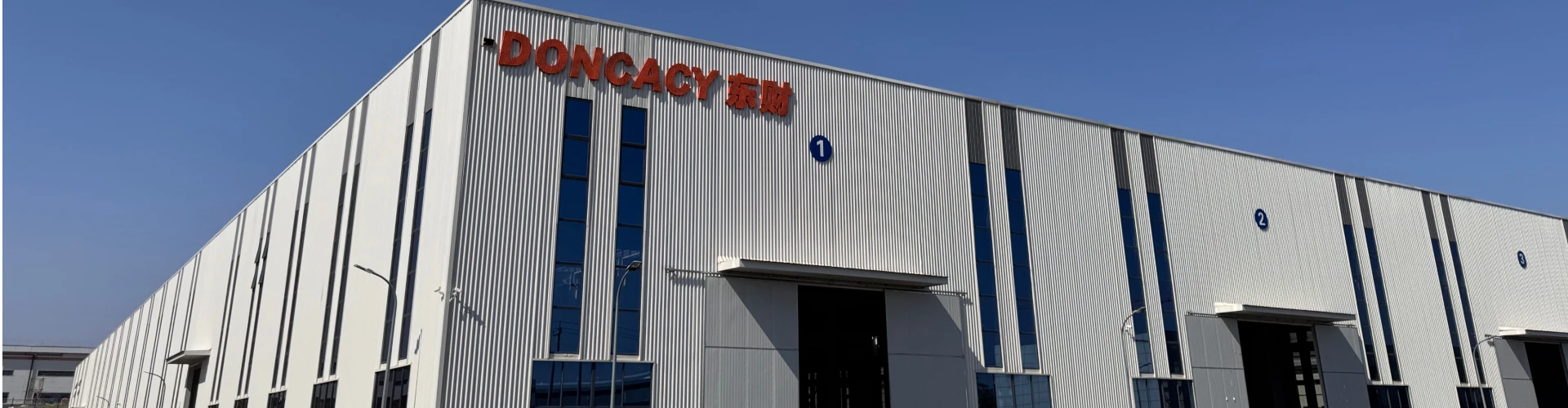
A Close Look at the profile extrusion machine in Modern Industrial Production
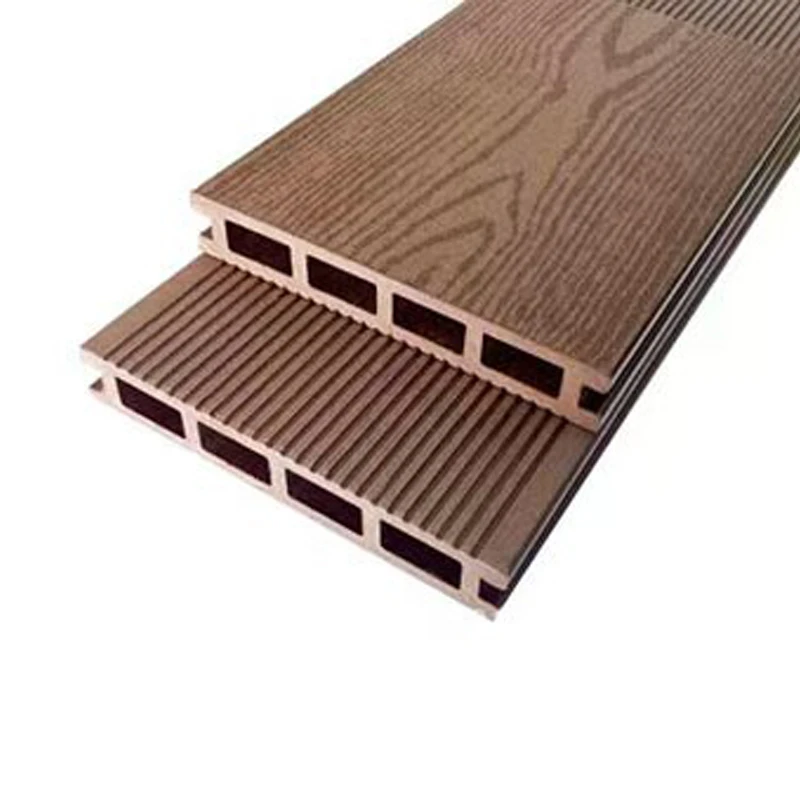
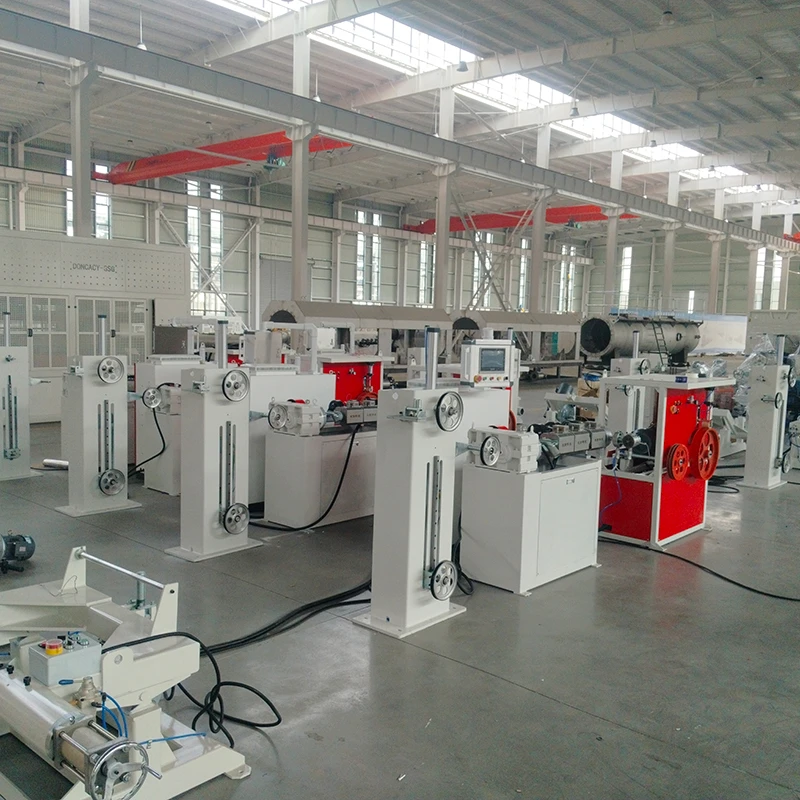
Having cut my teeth in the industrial equipment sector for well over a decade, I can say there’s something quietly impressive about the profile extrusion machine. Frankly, it's one of those pieces of equipment people tend to undervalue until they see how deftly it shapes raw materials into complex, durable profiles, day in and day out. You know, those long strips of plastic or metal you see framing windows or forming weather seals? Odds are they were born from one of these machines.
Profile extrusion machines aren’t exactly flashy, but their role is essential—especially as industries move toward more customized components and tighter tolerances. The trend toward lightweight yet strong materials means these machines often have to handle a variety of polymers and alloys, sometimes switching between them to meet production demands. This makes reliability and flexibility key features to look for when choosing one.
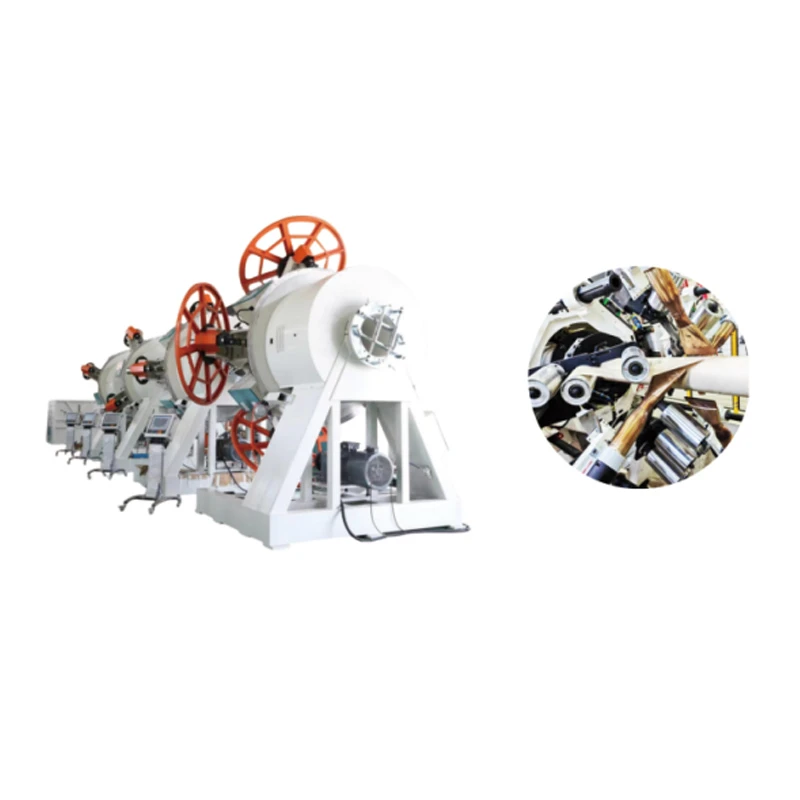
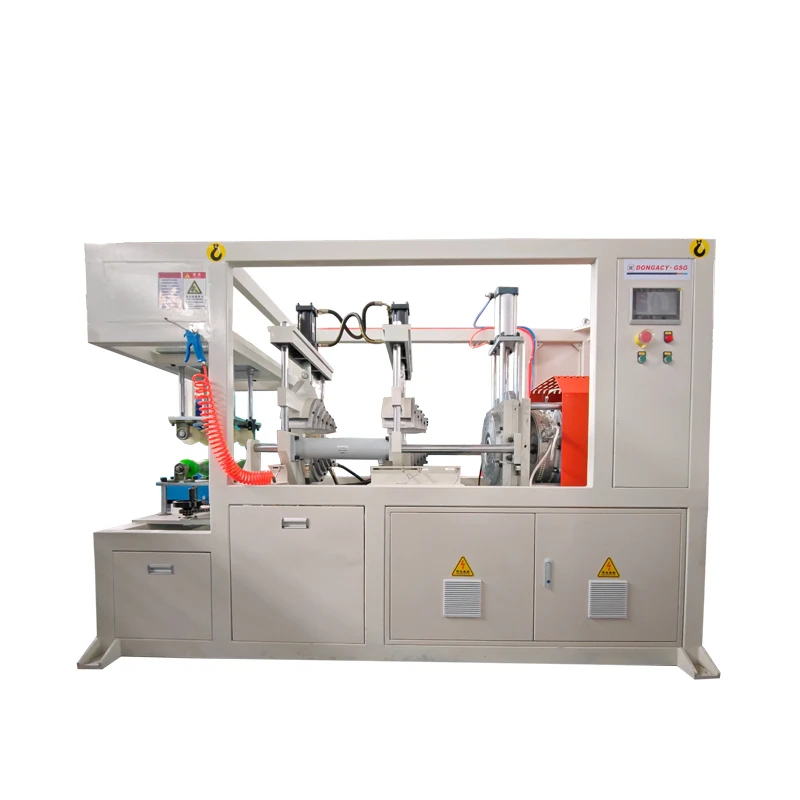
One thing I’ve always appreciated is how manufacturers design these machines with modular customization in mind. It’s not just about pushing material through a die anymore. The machine’s temperature control, screw design, and downstream cutting or coiling equipment can all be tailored to specific product lines. This adaptability can be a godsend when clients want to pivot quickly.
| Specification | Details |
|---|---|
| Max Output Rate | 500 kg/h |
| Screw Diameter | 45 - 90 mm |
| Line Length | 15 - 35 meters |
| Control System | PLC with touchscreen interface |
| Material Compatibility | PVC, PE, PP, TPE, and other thermoplastics |
In real terms, having a robust control system on these machines is crucial. I remember one project where temperature fluctuations caused all sorts of headaches until we upgraded the PLC control. Suddenly, the quality of extrusion was consistent, and downtime dropped noticeably. Small tweaks like this can make a big difference in industrial output.
It’s also worth noting how the industry leans toward sustainability. More and more, profile extrusion machines are designed to minimize energy consumption and support recycled material use without sacrificing quality. There’s a distinct pride among engineers when they manage to extrude complex profiles using a high percentage of post-consumer plastic.
| Feature | Vendor A | Vendor B | Vendor C |
|---|---|---|---|
| Custom Die Design | In-house expertise | Outsourced partners | Limited customization |
| Energy Efficiency | High (IE3 motors) | Moderate | Basic |
| Smart Control Options | Full PLC touchscreens | Partial automation | Manual adjustments |
| Warranty & Support | 24 months, on-site | 12 months, remote | Limited to 6 months |
A little anecdote: I once met a small producer who used a profile extrusion machine from Vendor A to fabricate custom weatherstripping for classic cars. They swore by the machine’s precision and the vendor’s hands-on support. That client’s ability to respond quickly to orders was largely because the machine didn’t need constant tweaking. It was, as they put it, “like a musician knowing their instrument.”
All that being said, picking the right profile extrusion machine boils down to your product specs and production goals. Would you opt for the energy-efficient but pricier model? Or a more affordable but less automated option? For smaller shops, turnkey simple lines often make sense, but for large-scale operations, investing in customization, like the modular systems from the source I linked, really pays off.
In conclusion, the profile extrusion machine remains a cornerstone of many manufacturing lines. Whether you’re producing PVC window frames or flexible tubing, understanding the machine’s capabilities, and balancing cost with features, can elevate your production efficiency significantly. I suppose it truly reflects how industrial equipment rarely gets the spotlight — yet quietly shapes our daily lives through countless products.
— A seasoned industry observer
References:
1. Industry reports on extrusion technology trends.
2. Vendor specification sheets and product demos.
3. Conversations with extrusion operators and engineers.
-
High Efficiency PE Extrusion Line Guide for Plastic ManufacturingNewsApr.16,2026
-
High Speed Steel Wire Mesh HDPE Composite Pipe Production Line - Anhui Dongchai|High Automation&Energy EfficiencyNewsApr.13,2026
-
High Speed Steel Wire Mesh HDPE Composite Pipe Production Line - Anhui Dongchai|High Automation&Energy EfficiencyNewsApr.13,2026
-
Guide to Choosing High Efficiency ppr pipe extrusion machineNewsApr.09,2026
-
Comprehensive Guide to Modern Pipe Production Line Technologies and OptimizationNewsApr.07,2026
-
Choosing the Right Extrusion Pipe Machine for Optimal Plastic Pipe ProductionNewsApr.04,2026
-
Comprehensive Guide to PPR Pipe Extrusion Line Technology and ApplicationsNewsMar.31,2026


