
Profile Extrusion Line: What I’ve Learned Over the Years
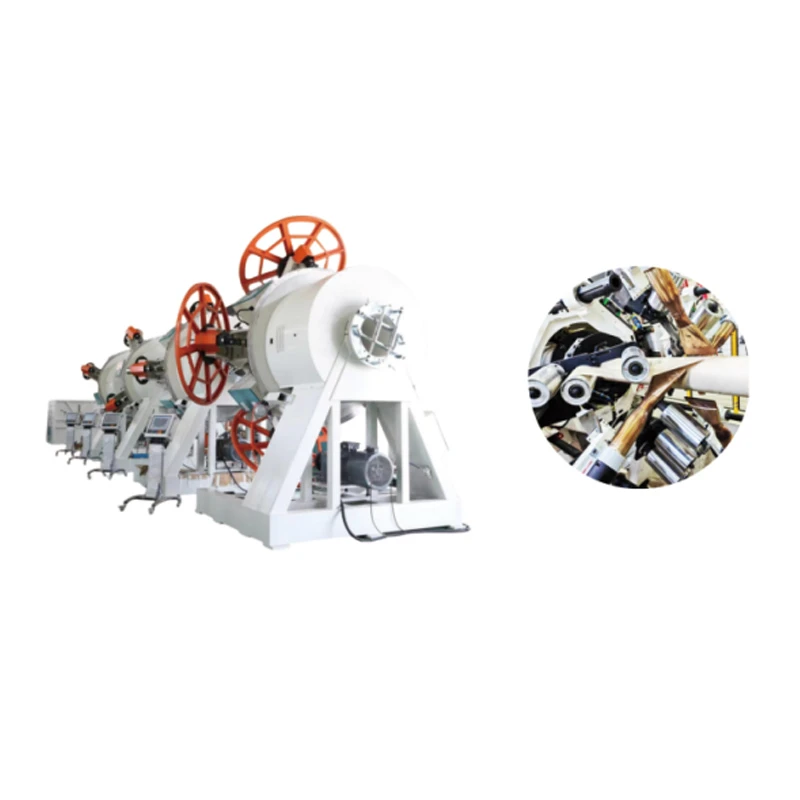
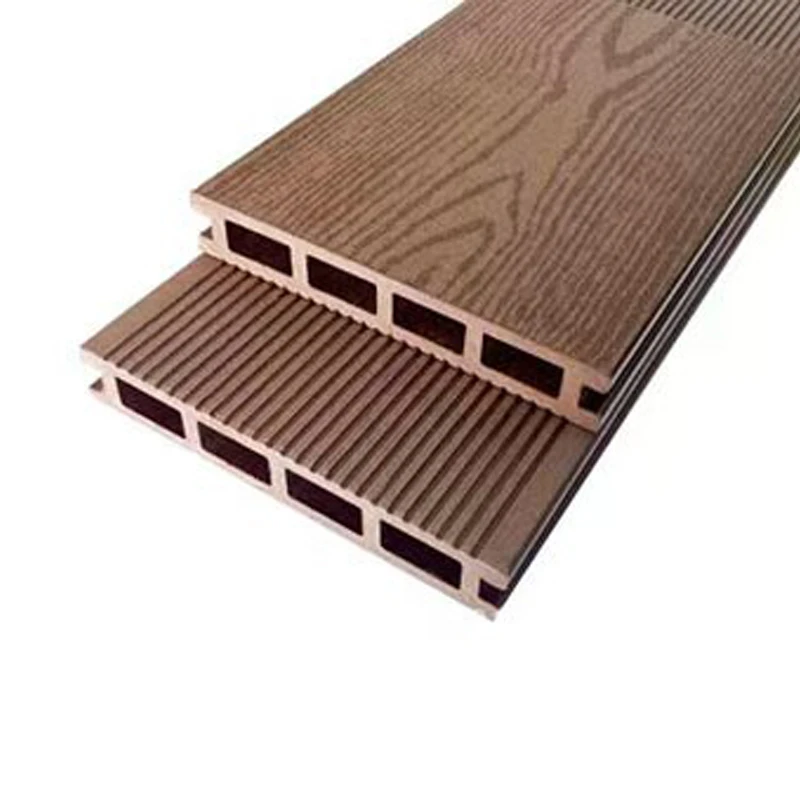
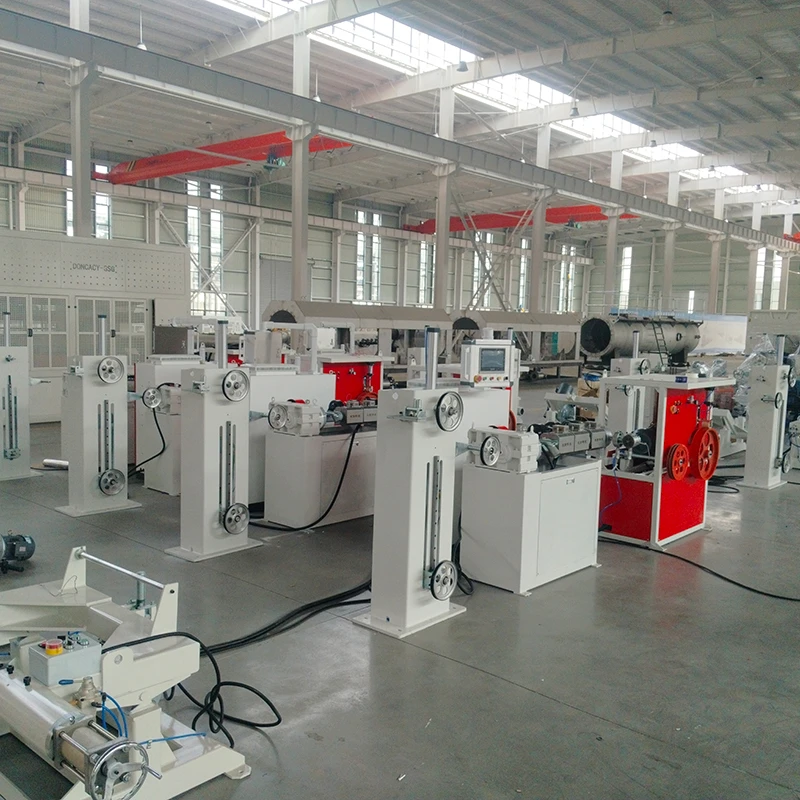
Having spent a good chunk of my career around industrial equipment—specifically in the plastics and metalworking sectors—I’ve come to appreciate just how critical a well-designed profile extrusion line can be for manufacturers. These systems aren’t just machines; they’re the backbone of creating precision profiles used widely across window frames, automotive trims, and countless other applications.
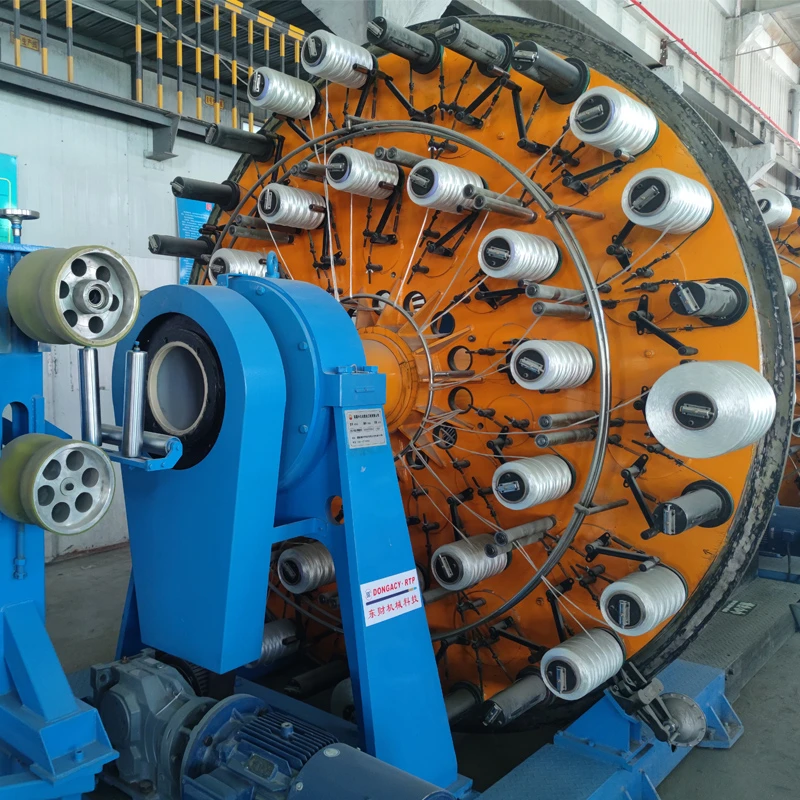
Frankly, what always struck me about profile extrusion lines is the balance between sheer power and subtle precision. You’re pushing hot materials through a die, shaping them accurately in real time—there’s a lot riding on things like temperature control, screw design, and pulling speed. Oddly enough, the smallest tweak in these parameters can mean the difference between a flawless run and wasted material.
A Quick Look at the Technical Specs
| Parameter | Description |
|---|---|
| Screw Diameter | 45–90 mm (depending on material & throughput) |
| Line Speed | 0.5 to 6 m/min (adjustable) |
| Heating Zones | 4 to 6 zones with PID control |
| Materials Supported | PVC, PE, PP, TPE, and custom compounds |
| Cooling System | Air or water-cooled, customizable |
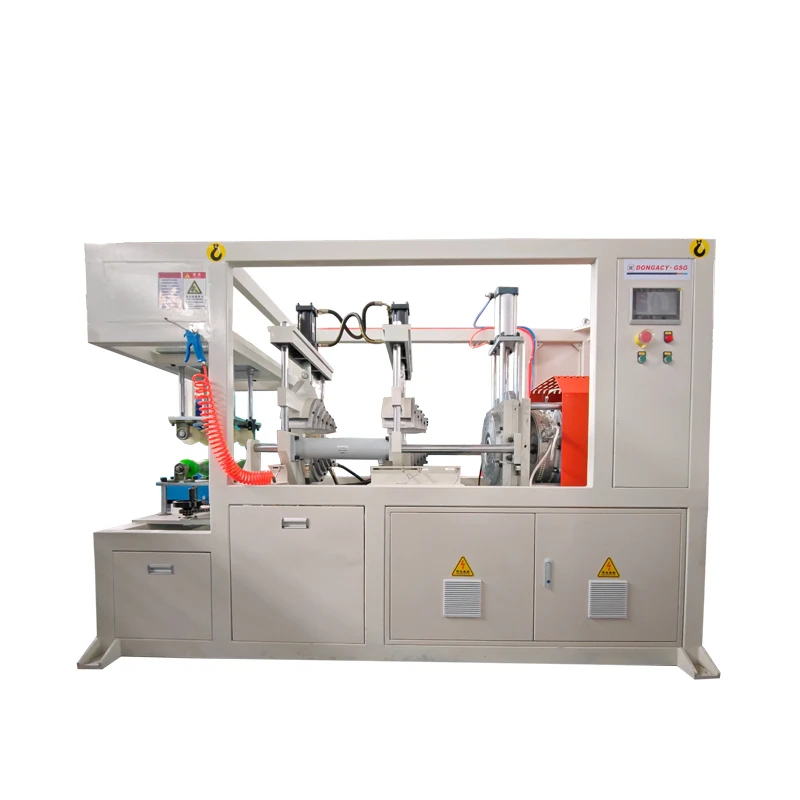
| Cutting Mechanism | Automatic saw or hot knife |
In my experience, one of the biggest factors when selecting a profile extrusion line is customization. You don’t just buy a one-size-fits-all unit; each line has to match the profile shapes, the throughput needs, and even the raw material quirks of your operation. As an example, I once worked with a client who needed ultra-thin cable channels — they required a line that could operate at a lower temperature and with slower pull speeds to avoid warping. We ended up tweaking the cooling system in a remarkably efficient way.
Comparing Major Vendors: What to Watch For
| Feature / Vendor | Vendor A | Vendor B | Vendor C |
|---|---|---|---|
| Customization Options | High – modular dies & cooling | Medium – standard sizes only | Low – limited profiles, fewer variables |
| Energy Efficiency | Advanced PID temp control | Standard heating zones | Basic electric heating |
| After-Sales Support | 24/7 remote & onsite | Business hours only | Limited warranty & support |
| Price Range | $$$ - premium | $$ - mid-range | $ - budget |
I suppose it’s no surprise that the higher-end machines often come with more adaptable controls and better energy management. That kind of flexibility translates directly into savings on your raw material and energy bills. Yet, you do get what you pay for—I've seen some folks gamble on cheaper options only to end up frustrated with downtime and limited service access.
One little anecdote: I once visited a plant where the operators joked that the profile extrusion line was their "silent partner." The line ran so smoothly they almost forgot it was there—settings dialed in perfectly for weeks on end, producing parts with remarkably little intervention. That’s the kind of reliability you want, especially when handling custom profiles that demand absolute consistency.
Lastly, for those wondering about the materials — many engineers say PVC remains king due to its versatility and cost. But there’s a growing interest in TPE and bioplastics as regulations and environmental awareness push manufacturers toward greener options. It’s exciting to watch the technology adapt to these changes.
If you’re exploring solutions, I highly recommend checking out profile extrusion line options that emphasize modularity and precision controls. They tend to offer the best long-term value in my experience.
So, whether you’re a startup or scaling a seasoned manufacturing line, keep these considerations in mind. Remember, the detail is in the design — and honestly, that’s where you spot the difference between a machine that just runs and one that runs smart.
References:
1. Plastic Extrusion Technology, 4th Ed. by Paul F. Britt
2. Industry Whitepaper: Advances in PVC Extrusion, 2023
3. Manufacturer case studies, personal experience
All in all, it feels like investing in a top-tier profile extrusion line is a smart move for anyone serious about quality and efficiency.
-
High Efficiency PE Extrusion Line Guide for Plastic ManufacturingNewsApr.16,2026
-
High Speed Steel Wire Mesh HDPE Composite Pipe Production Line - Anhui Dongchai|High Automation&Energy EfficiencyNewsApr.13,2026
-
High Speed Steel Wire Mesh HDPE Composite Pipe Production Line - Anhui Dongchai|High Automation&Energy EfficiencyNewsApr.13,2026
-
Guide to Choosing High Efficiency ppr pipe extrusion machineNewsApr.09,2026
-
Comprehensive Guide to Modern Pipe Production Line Technologies and OptimizationNewsApr.07,2026
-
Choosing the Right Extrusion Pipe Machine for Optimal Plastic Pipe ProductionNewsApr.04,2026
-
Comprehensive Guide to PPR Pipe Extrusion Line Technology and ApplicationsNewsMar.31,2026


