
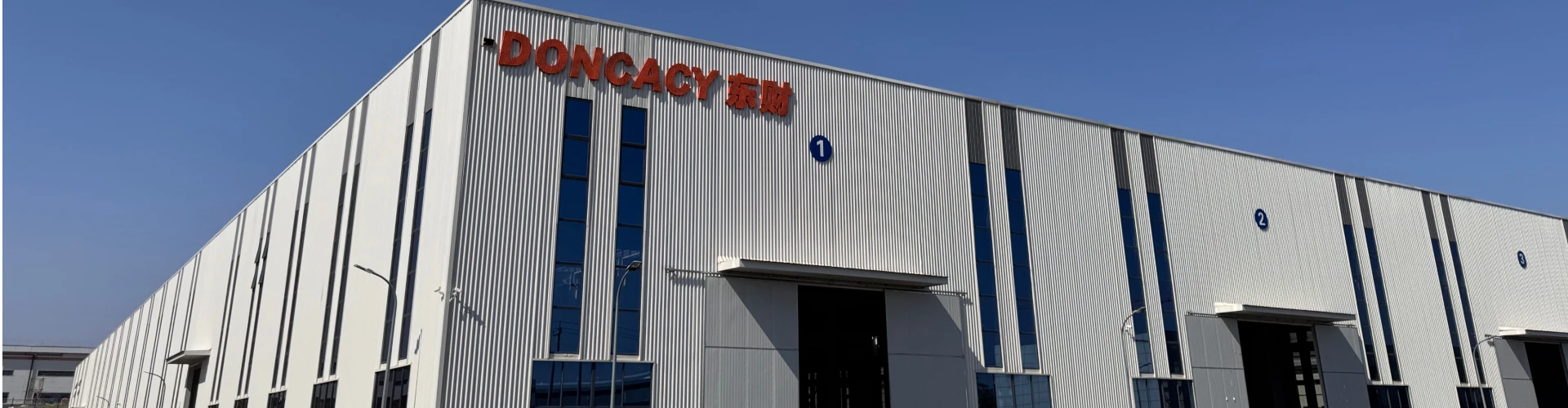
Inside a Modern PPR Pipe Production Line: What’s Really Changing on the Shop Floor
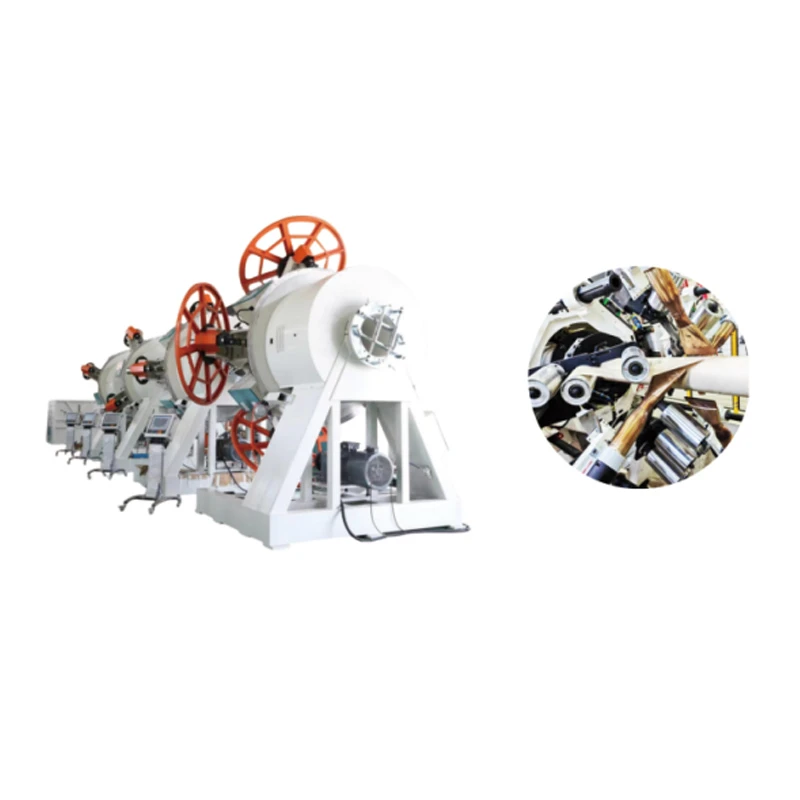
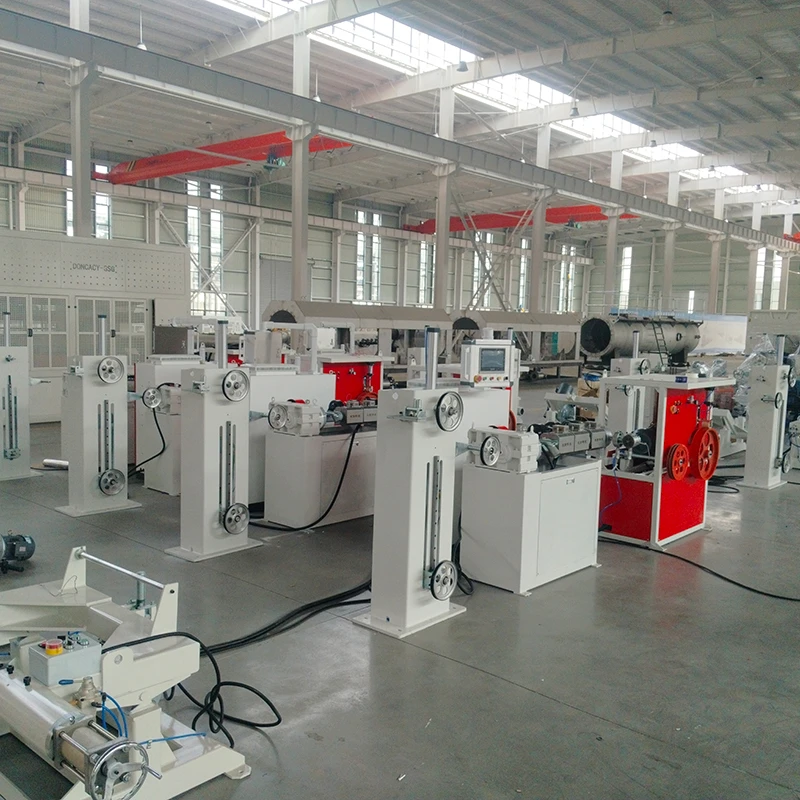
If you’re scouting a ppr pipe production line in 2025, here’s the candid view from someone who’s spent too many hours next to hot die-heads and vacuum tanks. The newest HDPE/PPR-capable platforms—like the “Hdpe High Speed Solid Wall Pipe Extrusion Production Line” built in Anhui (No. 26 Huzhou Road, Nanqiao District, Chuzhou)—lean heavily into energy-efficient drives, tighter wall-thickness control, and, surprisingly, simpler changeovers. In fact, many customers say uptime beats brochure promises when the upstream resin and masterbatch are dialed in.
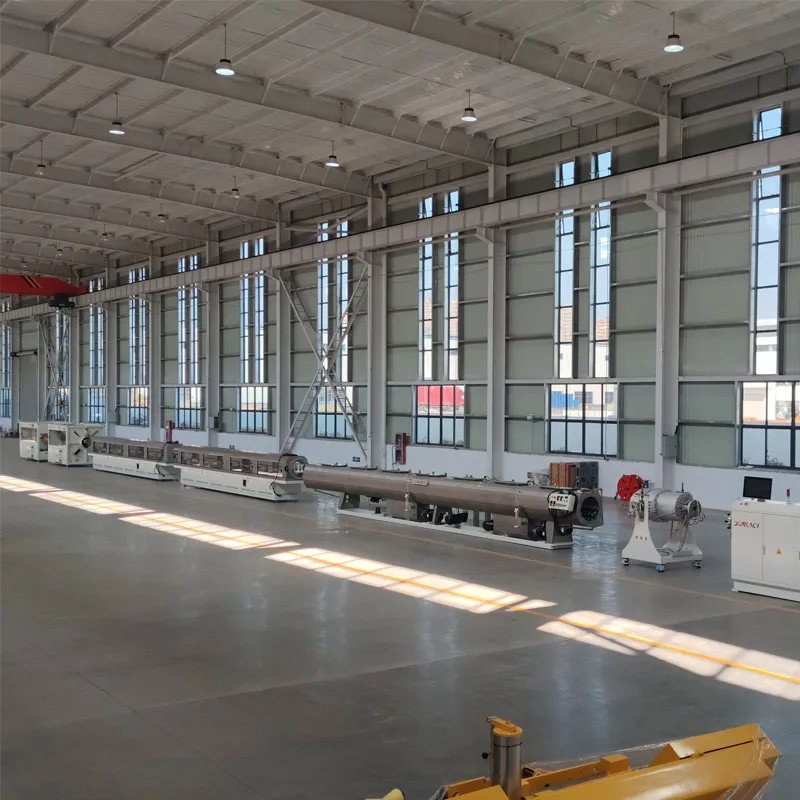
Industry trends you can’t ignore
- Real-time gravimetric dosing + laser diameter gauges to keep SDR targets steady.
- Servo haul-offs and low-inertia cutters: smoother OD control, less scrap.
- Predictive maintenance via OPC UA data taps—actually useful, not just buzzwords.
- Multi-layer co-ex with thin color stripes for identification in municipal/industrial networks.
Process flow (PPR and HDPE)
Materials: PP-R (Type 3 per ISO 15874) for hot/cold water; HDPE PE100 (ISO 4427/EN 12201) for water/gas and conduits. Typical masterbatch 2–4% for color/UV. PP-R isn’t hygroscopic, so drying is usually skipped; HDPE likewise, though some run low-temp conditioning.
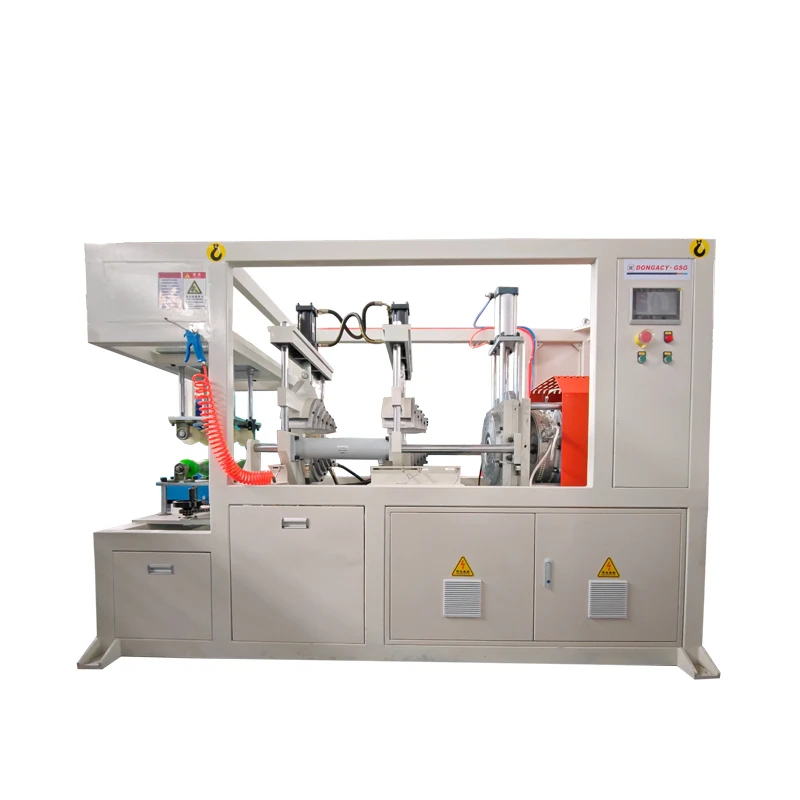
Method: Single-screw extruder (L/D 33–38) → melt filtration → co-ex stripe (optional) → spiral die-head → vacuum calibration (multi-chamber) → spray cooling → haul-off → chipless cutter → chamfer/inkjet print → stacking. Testing inline: laser diameter/ovality; offline: ISO 1167 hydrostatic tests, DSC, MFR (ISO 1133).
Service life: engineered for ≈50 years at 20°C (design-dependent); hot-water PPR follows pressure ratings in ISO 15874 tables—real-world use may vary with SDR, temperature, and installation.
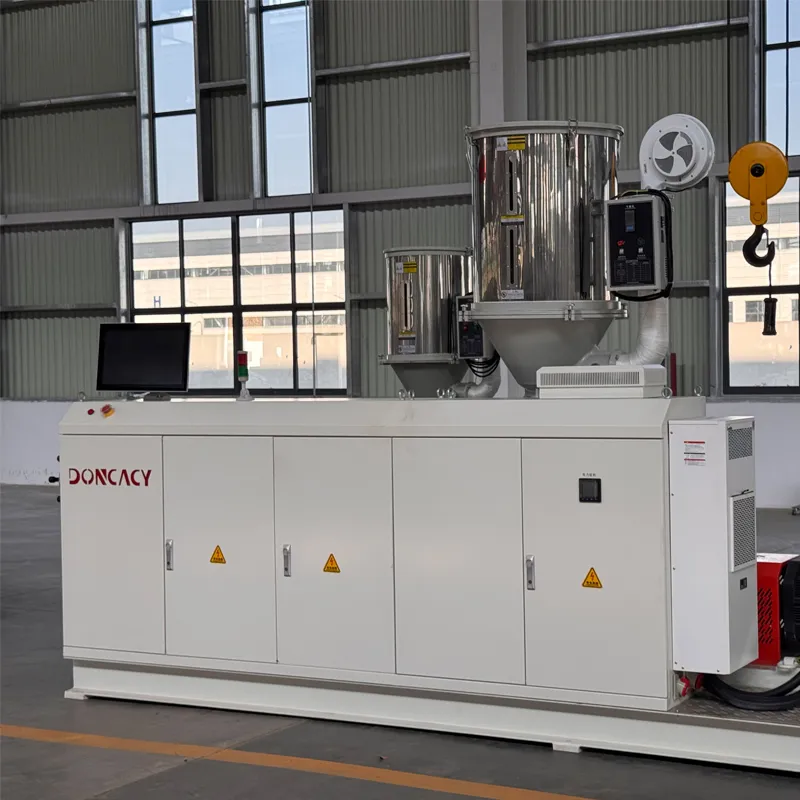
Typical line specifications (HDPE/PPR-capable)
| Product name | Hdpe High Speed Solid Wall Pipe Extrusion Production Line |
| Pipe OD range | 16–315 mm (options up to 630 mm) |
| Wall thickness tolerance | ±0.1–0.3 mm (≈SDR 11–26) |
| Max line speed | Up to 25 m/min (OD-dependent) |
| Extruder | Single screw, L/D 38:1, barrier screw for PP/PE |
| Layers | 1–3 (stripe or full co-ex) |
| Controls | PLC + HMI, gravimetric dosing, diameter gauge, OPC UA |
| Energy | ≈0.35–0.55 kWh/kg (recipe/speed dependent) |
Vendor snapshot (quick compare)
| Vendor | Core strengths | Certs | Lead time | Price level |
|---|---|---|---|---|
| Anhui DC Machinery (Chuzhou) | High-speed HDPE/PPR, stable sizing, good value | ISO 9001, CE (line components) | 6–10 weeks | $$ |
| EU Tier‑1 Maker | Premium automation, deep service network | CE, ISO 9001 | 12–20 weeks | $$$–$$$$ |
| Local Integrator | Fast spares, flexible customization | Varies | 4–8 weeks | $–$$ |
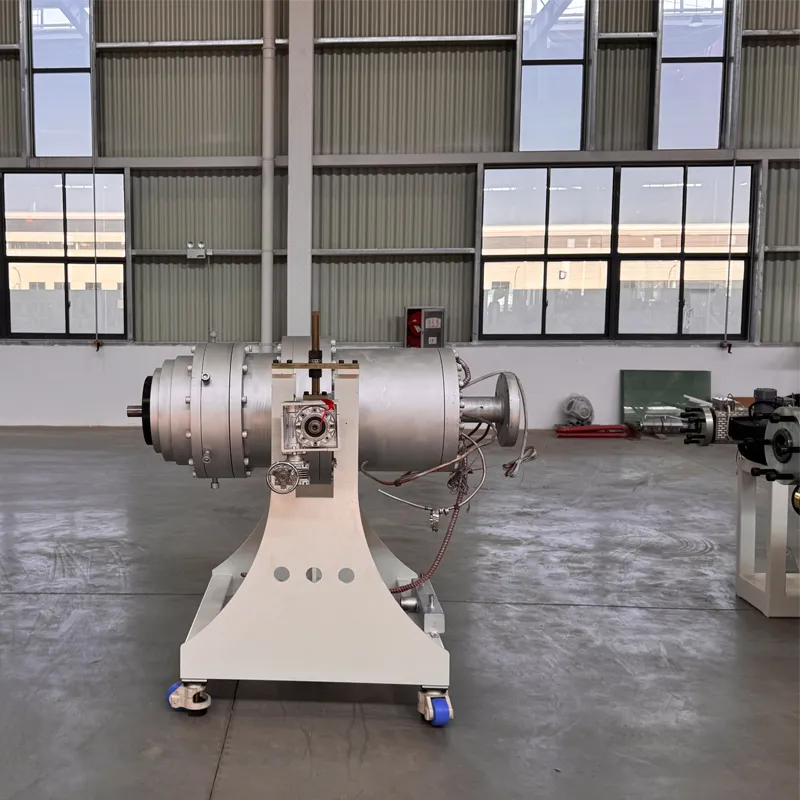
Applications and why it matters
Water supply and drainage, chemical lines, ventilation, and communication conduits—municipal engineering, industrial plants, agricultural irrigation, construction, and telco trenches all benefit from tight wall control. Advantages users cite: fewer ovality alarms, clean stripe definition, and quieter cutting (nice for night shifts). With ppr pipe production line setups, hot-water domestic piping and HVAC loops are the usual wins; for HDPE, think long-run mains and data conduits.
Customization highlights
- Quick-change die-head carts; recipe presets for PP-R/PE100.
- Inline printers, spark testers, automatic chamfering/stackers.
- Calibration sleeves tailored to SDR; extra vacuum chambers for big OD.
Real-world results
Southeast Asia, municipal water: PE100 OD 160 mm at 8–12 m/min, ovality ≤1.5%, hydrostatic test (ISO 1167) passed at 12.4 MPa/20°C (time-to-failure >100 h). Customer feedback: “Changeovers under 45 minutes—better than we thought.” Another site (data center): conduit OD 50 mm, stripe co-ex; scrap rate cut to ≈1.2%.
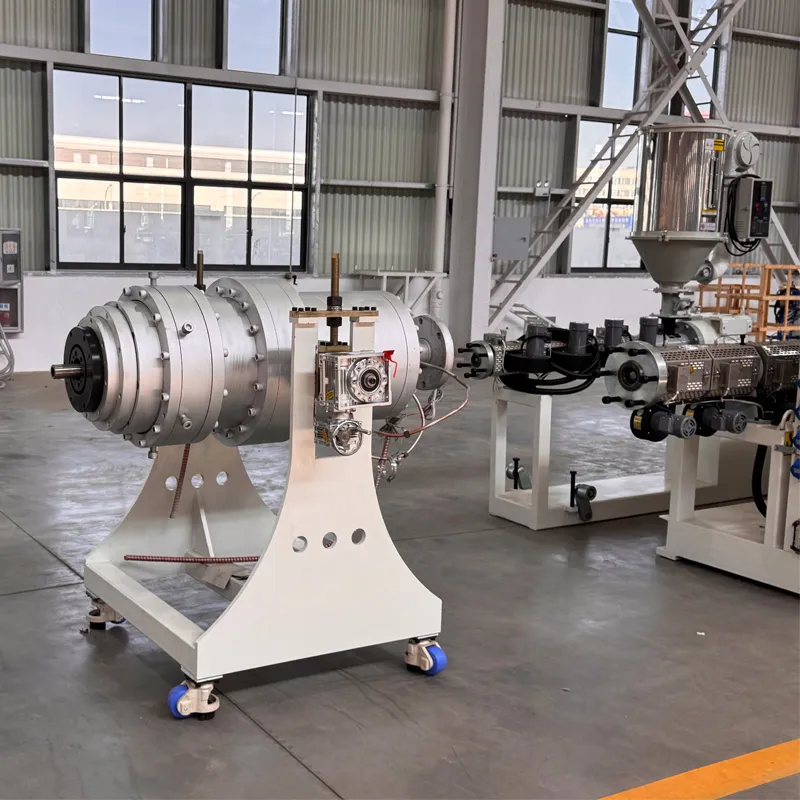
Bottom line: a capable HDPE/PPR line with solid automation beats raw kilowatts. If you’re benchmarking, put hydrostatic consistency, diameter stability, and service response at the top. And yes, a ppr pipe production line that doubles for PE with the right screws and dies is often the smartest capex.
Authoritative citations
- ISO 15874: Plastics piping systems for hot and cold water installations — Polypropylene (PP-R). https://www.iso.org/standard/59127.html
- ISO 4427-2: Polyethylene (PE) pipes for water supply. https://www.iso.org/standard/69043.html
- EN 12201: Plastics piping systems for water supply, PE. https://standards.iteh.ai/catalog/standards/cen/
- ISO 1167: Thermoplastics pipes—Resistance to internal pressure. https://www.iso.org/standard/54194.html
-
High Efficiency PE Extrusion Line Guide for Plastic ManufacturingNewsApr.16,2026
-
High Speed Steel Wire Mesh HDPE Composite Pipe Production Line - Anhui Dongchai|High Automation&Energy EfficiencyNewsApr.13,2026
-
High Speed Steel Wire Mesh HDPE Composite Pipe Production Line - Anhui Dongchai|High Automation&Energy EfficiencyNewsApr.13,2026
-
Guide to Choosing High Efficiency ppr pipe extrusion machineNewsApr.09,2026
-
Comprehensive Guide to Modern Pipe Production Line Technologies and OptimizationNewsApr.07,2026
-
Choosing the Right Extrusion Pipe Machine for Optimal Plastic Pipe ProductionNewsApr.04,2026
-
Comprehensive Guide to PPR Pipe Extrusion Line Technology and ApplicationsNewsMar.31,2026


