
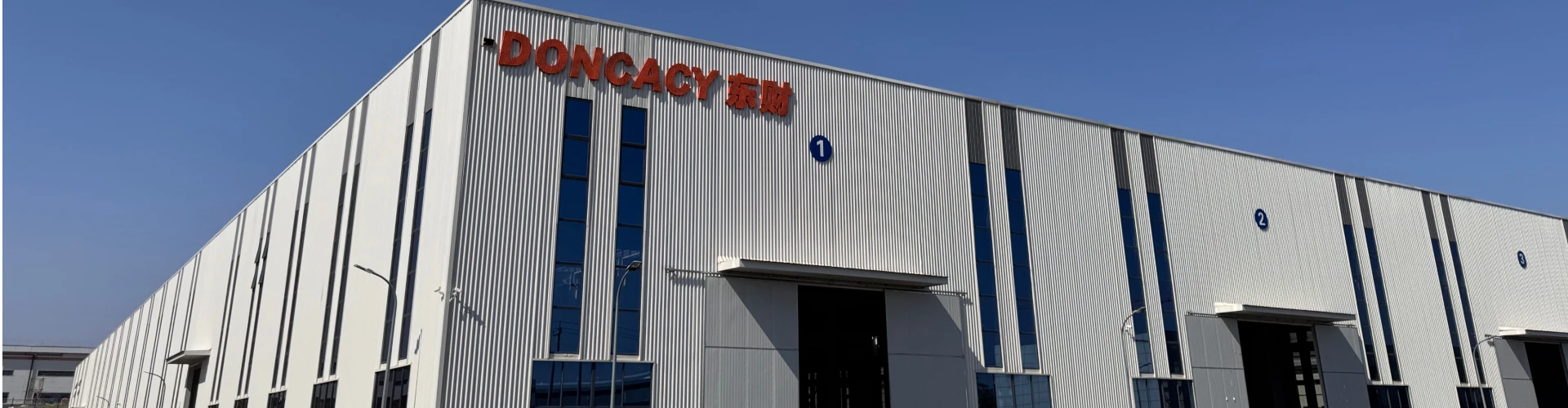
Understanding Plastic Extruder Manufacturers: Global Drivers & Industry Impact
Plastic extruder manufacturers play a surprisingly pivotal role in shaping modern industries worldwide — yet it’s a niche that doesn't get nearly enough spotlight. At its core, this sector focuses on producing specialized machinery used to shape plastic materials into useful products, from household goods and industrial parts to packaging and construction components. That might sound dry, but when you consider plastics’ ubiquity in daily life and critical sectors, the importance becomes crystal clear.
Globally, the demand for plastic extruders is sky-rocketing alongside the push for lightweight, durable, and cost-effective materials. According to a recent ISO report, the plastic industry contributes trillions of dollars annually, making the manufacturers behind extrusion technology key enablers in this vast ecosystem.
However, we face challenges around sustainability and waste management, so understanding how plastic extruder manufacturers innovate in energy efficiency and material flexibility is not just technical curiosity — it’s critical for a future that balances industrial growth and environmental care.
What Is a Plastic Extruder Manufacturer?
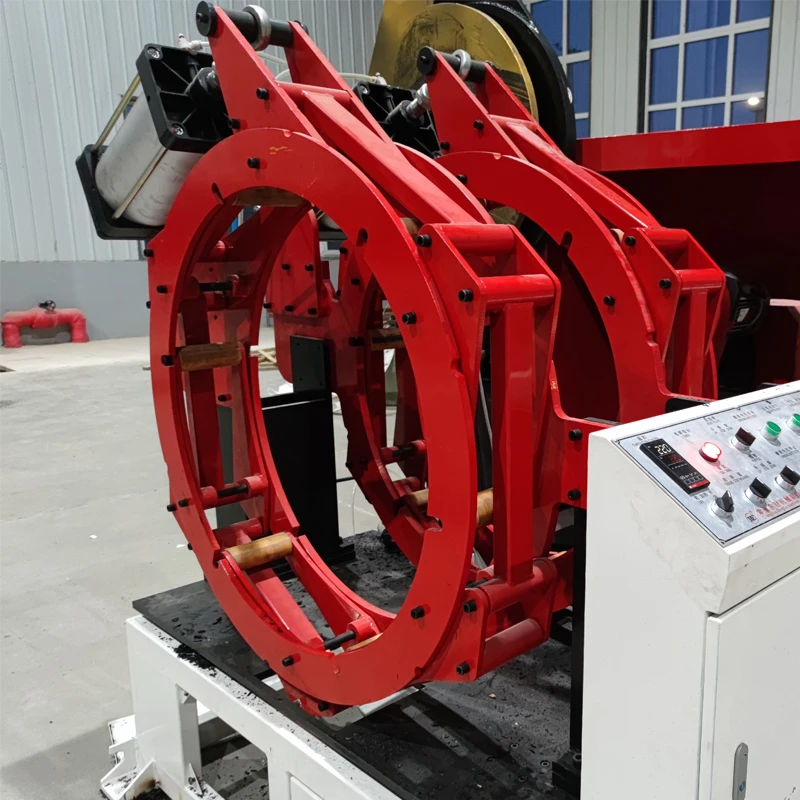
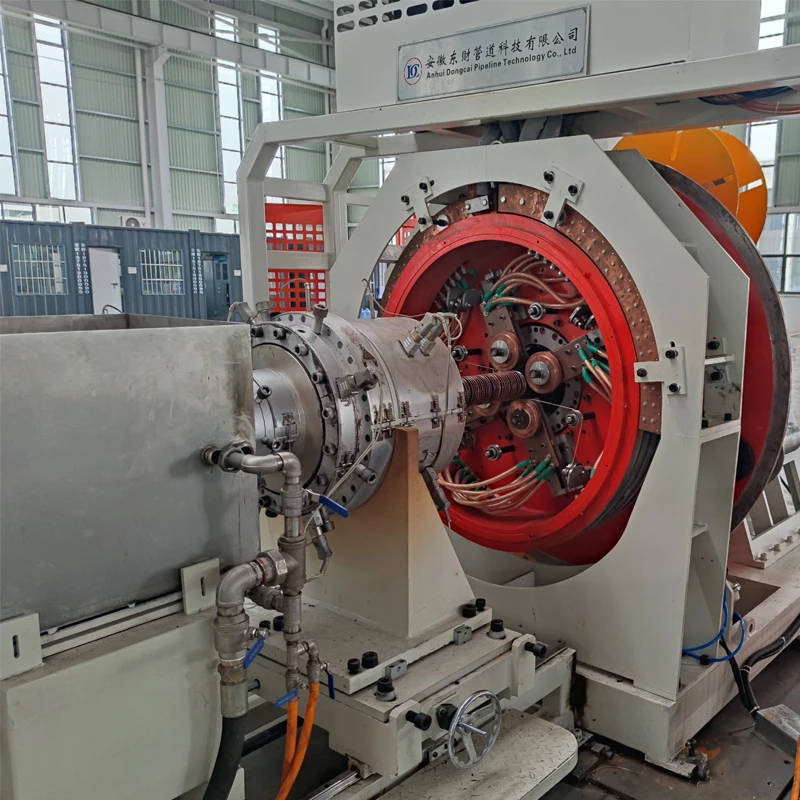
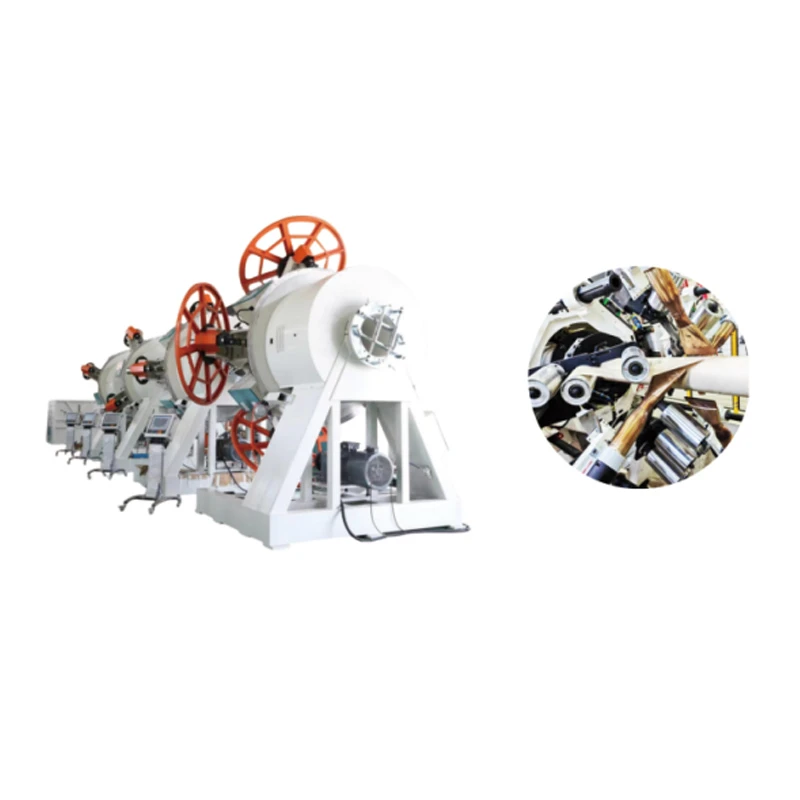
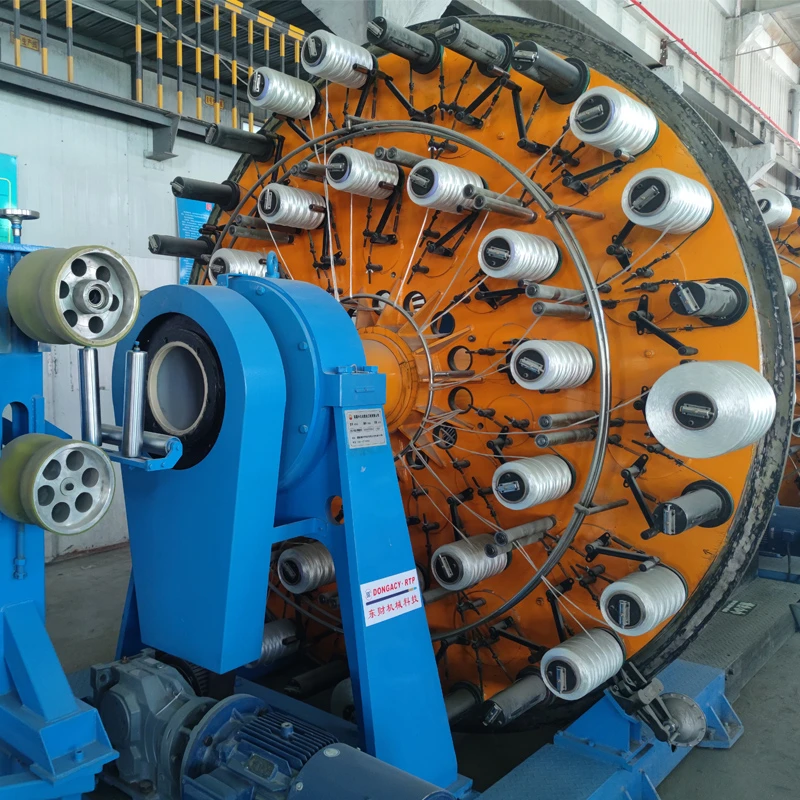
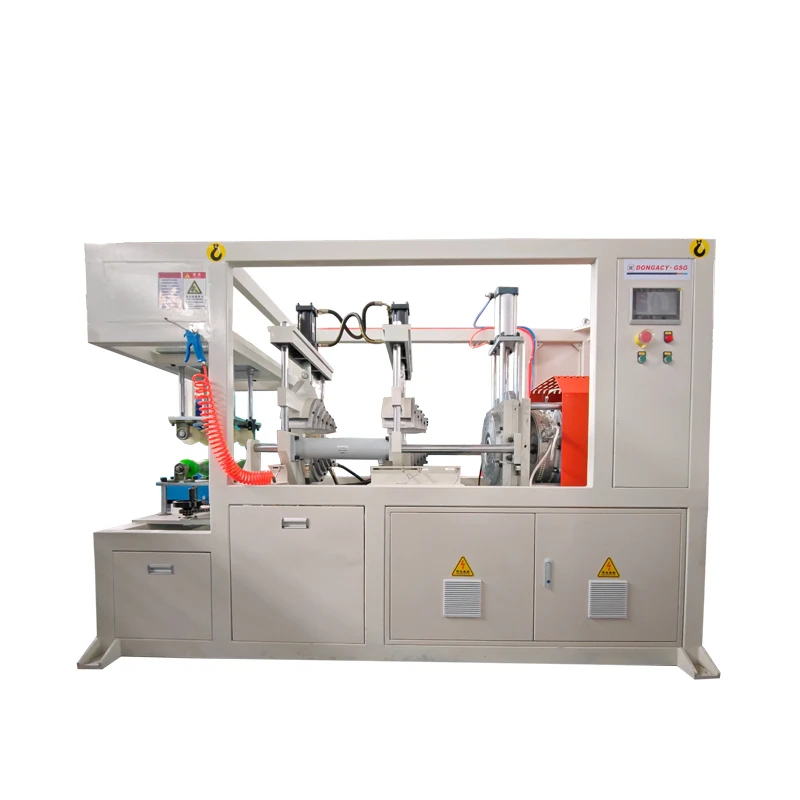
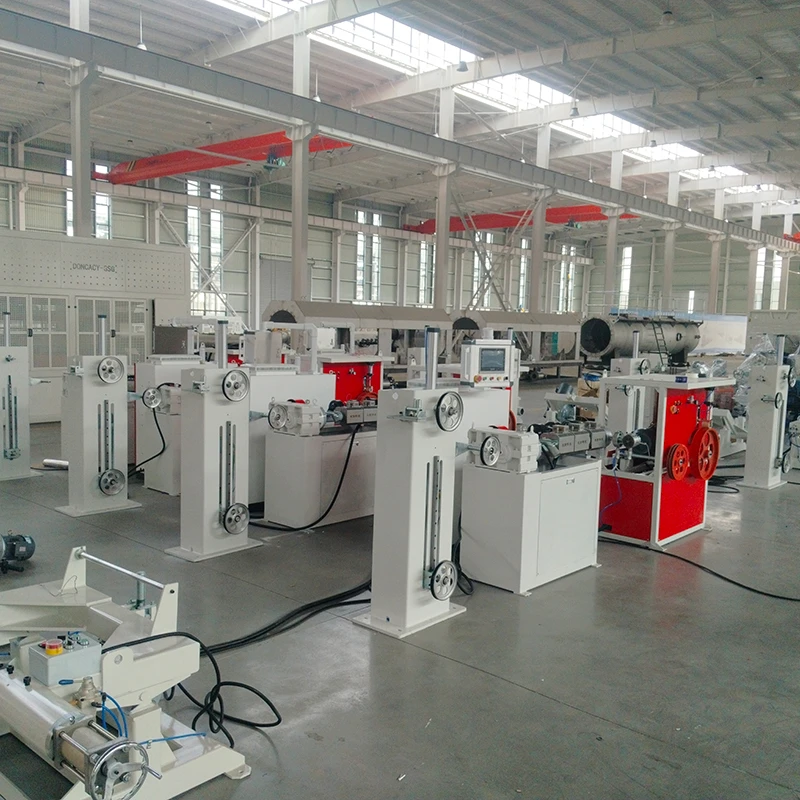
Simply put, plastic extruder manufacturers design and build the machines that melt, shape, and mold plastic polymers into continuous profiles — imagine everything from pipes and sheets to films and straws. These companies combine mechanical engineering, polymer science, and automation technology to produce equipment tailored to diverse industrial needs.
In real terms, without these manufacturers, the mass production of many everyday and advanced materials would grind to a halt. They’re the unsung backbone connecting raw plastic materials to the finished products that consumers and industries rely on worldwide.
Core Components That Define Plastic Extruder Manufacturers
1. Durability & Material Compatibility
Quality extruders withstand high temperatures and mechanical stresses, continuously processing varied polymers, from common polyethylene (PE) to specialty materials like polycarbonate (PC). Durability here isn’t optional; it dictates uptime, product quality, and cost efficiency.
2. Scalability & Customization
Manufacturers offer modular designs enabling quick adaptation to new production runs or materials. Whether a small startup or a large-scale industrial plant, scalable extruders help meet fluctuating demands without massive reinvestment.
3. Energy Efficiency
Energy costs are a big operational concern. Leading producers integrate advanced motors, screw designs, and heat recovery systems to minimize consumption—some reporting up to 30% energy savings compared to older models.
4. Automation & Digital Integration
Smart extruders with IoT sensors and control systems allow real-time monitoring and predictive maintenance, reducing downtime and ensuring consistent product quality. This shift is rapidly becoming industry standard.
Mini Takeaway:
- Plastic extruder manufacturers merge mechanical resilience, flexibility, and smart tech to meet modern industrial challenges — a balance crucial in sustainability and cost control.
Global Applications & Use Cases of Plastic Extruders
Their applications span continents and industries. In Asia’s booming packaging markets, these machines produce films and sheets that help extend food shelf life. In Europe, industries use extruded plastic components for automotive lightweighting, reducing fuel consumption and emissions.
Oddly enough, in disaster relief operations — say post-tsunami or earthquake zones — portable extruders form makeshift shelters by rapidly producing plastic panels onsite. This kind of deployment is growing, as rapid, locally produced solutions reduce logistics costs and provide quick shelter options.
Remote industrial zones in Africa and South America also depend on durable plastic piping extruded onsite to build plumbing and water systems, often assisted by NGOs integrating extrusion technology for infrastructure development.
Advantages & Long-Term Value
Some benefits are straightforward—continuous extrusion means high throughput and reduced labor costs. Others, like environmental sustainability, require nuance. Using recycled plastics in extrusion is increasingly feasible, closing the loop on plastic waste. Also, durable extrusions mean longer product lifespans, reducing replacement frequency.
From a social point of view, these manufacturers help create safer products and infrastructures: think child-safe piping, non-toxic packaging, or robust casings for medical devices. There's also the trust factor with quality machinery—knowing your production line won’t fail matters a lot.
| Model | Screw Diameter (mm) | Output Capacity (kg/hr) | Max Temperature (°C) | Energy Consumption (kW) |
|---|---|---|---|---|
| PX-1200 | 45 | 150 | 280 | 12 |
| EX-500 | 60 | 300 | 320 | 18 |
| GreenLine G-7 | 50 | 200 | 300 | 9 |
Emerging Trends & Future Innovations
Seeing how digital transformation is touching every corner of manufacturing, plastic extruder manufacturers are no exception. IoT-enabled extruders enable more precise control, while AI-driven analytics optimize throughput and identify issues before breakdowns occur.
Environmentally, there's a strong pivot towards extruders that can process recovered plastics or bio-based polymers. Some new machines even feature solar-powered auxiliary systems to reduce carbon footprints. The wave of “green manufacturing” is definitely cresting here.
Vendor Comparison: Leading Plastic Extruder Manufacturers
| Vendor | Energy Efficiency | Customization | Automation Features | Regional Support |
|---|---|---|---|---|
| PlastiTech Industries | High | Extensive | Advanced IoT | Global |
| EcoExtrude Corp. | Very High | Moderate | Basic Automation | Europe & Asia |
| Global Polymer Solutions | Medium | High | Emerging IoT | Americas |
Challenges & Practical Solutions
Yet, it’s not all smooth sailing. One common limitation is the difficulty in processing increasingly complex or recycled polymers without compromising machine longevity or output quality. Many manufacturers tackle this by innovating screw designs or incorporating specialized coatings.
On the operational side, the integration of digital systems demands skilled workers, which not all regions have ready access to. Training programs and partnerships with technology providers are emerging as key solutions.
FAQ about Plastic Extruder Manufacturers
- Q: What factors should I consider when choosing a plastic extruder manufacturer?
A: Look for durability, energy efficiency, customization options, and support network. Also, match machine specs with your material types and production volume for the best ROI. - Q: Can plastic extruders process recycled plastics effectively?
A: Yes, but it depends on the extruder design. Machines with specialized screws and temperature controls handle recycled polymers more reliably, reducing contamination and degradation. - Q: How do manufacturers ensure consistent product quality in extrusion?
A: Automation tools and sensors play a big role, allowing real-time adjustments to temperature, pressure, and output speed, minimizing defects and waste. - Q: Are automated extruders expensive compared to traditional models?
A: Initially, yes. But they typically save money in the long term via reduced downtime, less waste, and lower energy consumption. - Q: Where can I find reputable plastic extruder manufacturers?
A: A great starting point is industry directories or specialized platforms like plastic extruder manufacturers listings. Always verify certifications and client references.
Conclusion
At the intersection of engineering and sustainability, plastic extruder manufacturers are quietly leading the charge toward smarter manufacturing and greener plastics. Their innovations ripple through industries, creating lasting benefits in cost, product quality, environmental impact, and social value. If your operations depend on reliable plastic processing, exploring state-of-the-art extruder technologies is not just wise, it’s essential.
To discover tailored solutions or connect with trusted manufacturers, visit https://www.ahdc11.com and start the conversation today.
Oddly enough, mastering the nuances of these machines can feel like unlocking a whole new dimension of plastic innovation — it’s worth the ride.
References
-
High Efficiency PE Extrusion Line Guide for Plastic ManufacturingNewsApr.16,2026
-
Guide to Choosing High Efficiency ppr pipe extrusion machineNewsApr.09,2026
-
Comprehensive Guide to Modern Pipe Production Line Technologies and OptimizationNewsApr.07,2026
-
Choosing the Right Extrusion Pipe Machine for Optimal Plastic Pipe ProductionNewsApr.04,2026
-
Comprehensive Guide to PPR Pipe Extrusion Line Technology and ApplicationsNewsMar.31,2026
-
Understanding the Functionality and Applications of a Pipe Extruder SystemNewsMar.28,2026
-
Comprehensive Guide to Pipe Extrusion Machine Technology and ApplicationsNewsMar.26,2026


