
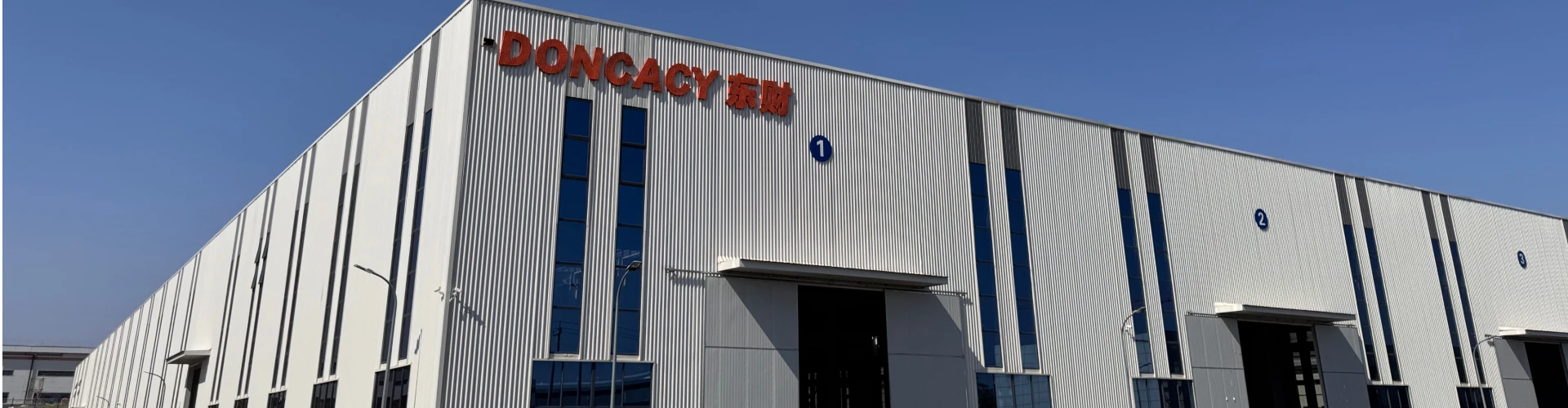
Understanding Extruder Manufacturers: Driving Innovation Across Industries
Extruder manufacturers might not be a topic that pops up in daily conversations, but these manufacturers are quite literally shaping modern manufacturing landscapes worldwide. At its core, an extruder manufacturer produces machines that shape raw materials — often plastics, food, or metals — by forcing them through a die to create consistent, usable products. This process influences everything from automotive parts and consumer packaging to medical tubing and even food items.
Knowing who these manufacturers are, what they bring to the table, and the future of extrusion technology matters globally. As industries seek sustainability, efficiency, and precision, extruder manufacturers hold solutions that tackle these challenges head-on. Understanding their role can illuminate how products are made, why some are more affordable or eco-friendly, and where innovation is heading next.
Global Importance of Extruder Manufacturers
Let’s zoom out: according to ISO and industry reports, the global plastic extrusion market alone is projected to exceed $40 billion by 2027, growing at an annual rate above 5%. And this doesn’t even consider food, rubber, or metal extrusions, which play vital roles in sectors like construction, automotive, and healthcare.
Yet, with increasing regulatory pressure worldwide to limit waste and reduce carbon footprints, extruder manufacturers face the challenge of tweaking legacy machines to be more energy-efficient and adaptable. This challenge, frankly, is a driving force behind much innovation in the space.
What Exactly Are Extruder Manufacturers?
Simply put, extruder manufacturers design and build machines—extruders—that push material through a precisely shaped die to produce continuous profiles or items. Imagine squeezing toothpaste out of a tube but on an industrial scale, with materials ranging from molten plastics to food dough or metal billets.
These manufacturers serve a bridge between raw materials and finished or semi-finished products, making them essential to modern supply chains. Their machines enable mass production, which is critical both for commercial demand and humanitarian aid—for example, fast-producing water pipes or food supplies in disaster zones.
Key Components That Define Extruder Manufacturers
1. Durability and Build Quality
Extruder machines operate under enormous pressure and heat, so durability influences uptime and maintenance costs heavily. Manufacturers known for robust engineering tend to use high-grade steel shafts, corrosion-resistant barrels, and precision components that last thousands of hours.
2. Scalability and Customization
Different industries require different throughput sizes — from small-batch custom food extrusion to massive polymer profile production. Leading extruder manufacturers offer customizable screw designs, barrel lengths, and heating zones to fit unique needs perfectly.
3. Energy Efficiency
With rising energy costs and environmental concerns, machines that can operate at lower power consumption without sacrificing output are increasingly sought after. Variable frequency drives (VFDs), optimized screw geometry, and improved insulation techniques all add up.
4. Automation and Control Systems
A modern extrusion line might be integrated with IoT sensors and advanced PLC controls, letting operators monitor temperature, pressure, and throughput with granular precision. This reduces downtime and waste, improving yield. It’s an area several manufacturers are investing heavily in.
Typical Specifications of Top-Tier Extruder Machines
| Specification | Details |
|---|---|
| Screw Diameter | 50–150 mm |
| Output Capacity | 50 to 500 kg/hr (varies by material) |
| Temperature Control Zones | 4-8 zones typical, programmable |
| Power Consumption | 15–100 kW (dependent on size) |
| Control Interface | PLC with touchscreen and IoT capabilities |
Global Use Cases and Applications
Extruder manufacturers’ products find their way into many industries and contexts worldwide. In the packaging industry, for example, extruded films and sheets reduce plastic waste via thinner materials with the same strength. Food extrusion machines produce popular snacks and pasta in Europe, Asia, and the Americas.
Interestingly, in remote industrial zones, extruders help fabricate piping and cable conduits onsite, saving enormous shipping costs. NGOs engaged in post-disaster relief collaborate directly with extruder manufacturers to rapidly produce construction materials or water purification tubing—helping displaced populations more quickly regain dignity and safety.
Vendor Comparison: Popular Extruder Manufacturers
| Manufacturer | Specialization | Energy Efficiency | Customization Level | Global Reach |
|---|---|---|---|---|
| Alpha Extrusion Co. | Plastic & Packaging | High | Custom Screws & Dies | Europe, Asia |
| Beta Machinery | Food & Snack Production | Medium | Standard Models | North America, Europe |
| Gamma Tech | Metal & Industrial | High | Fully Custom Solutions | Global |
Advantages & Long-Term Value of Investing in Reliable Manufacturers
At first glance, you might think an extruder is just a workhorse machine. But investing in quality extruder manufacturers brings wider benefits beyond sheer output volume. Cost savings on power consumption and materials translate directly into lower production expenses. Meanwhile, reliability and reduced downtime add predictability and trust—something many factory managers tell me is priceless.
On a deeper level, these machines support sustainability goals by enabling recyclable materials’ reuse and innovative bioplastics extrusion. That links to growing social expectations for brands to demonstrate environmental responsibility, which is another powerful incentive to source from responsible extruder manufacturers.
Emerging Trends & Innovations in Extrusion Technology
The future is exciting—extruder manufacturers are exploring digital twin simulations to optimize processes before building physical machines, cutting R&D costs. Green energy integration, like solar-powered extrusion units, and the use of biodegradable or composite materials in extrusion lines are gaining traction.
Automation advancements also mean remote monitoring, predictive maintenance, and even AI-assisted process control are closer to becoming standard. Frankly, this helps industries minimize waste and speed up innovation cycles, keeping pace with fast-changing consumer demands.
Common Challenges & How Manufacturers Are Tackling Them
One challenge that still puzzles manufacturers is balancing machine complexity with ease of use. Some operators find highly automated controls intimidating. To solve this, many vendors now bundle comprehensive training and intuitive UI designs. Material variability—especially when using recycled or natural polymers—can cause clogging or inconsistent outputs. Smart sensors and adaptive screw designs are innovations helping to mitigate this.
Frequently Asked Questions About Extruder Manufacturers
- Q: How do extruder manufacturers customize machines for different industries?
A: Manufacturers offer modular designs, adjustable screw configurations, and interchangeable dies so that extrusion lines can be tailored for unique material properties and product shapes required across sectors like food, plastics, or metal fabrication. - Q: What is the typical lifespan of an industrial extruder?
A: With proper maintenance, industrial extruders can last 10–20 years. Routine servicing, timely replacement of wear parts, and avoiding overloading help prolong machine life. - Q: Are plastic extruders energy-intensive?
A: Traditionally, extrusion consumes significant energy, but modern machines with optimized screw designs, VFD motors, and insulation can reduce consumption by up to 30%, making them more sustainable and cost-effective. - Q: How can a company select the right extruder manufacturer?
A: Prioritize vendors who offer custom solutions, robust after-sales support, and can provide references or case studies relevant to your product needs and scale. - Q: Is it feasible for NGOs to import extrusion machines for field use?
A: Yes, many extruder manufacturers work with international logistics partners and provide compact mobile extrusion units suitable for on-site production, ideal for humanitarian applications.
Conclusion: Why Extruder Manufacturers Matter Now and Tomorrow
Maritime shipping, consumer packaging, construction materials — extruded products form a backbone of countless industries. Reliable extruder manufacturers make this continuous, high-volume production possible with innovations that reduce environmental impact and improve operational efficiency. The evolving technologies promise a future where materials are recycled more effectively, manufacturing defects drop, and small communities gain access to essential products swiftly.
If you’re navigating the space of industrial production or humanitarian manufacturing solutions, it’s worth staying in touch with these manufacturers’ latest trends and offerings. For further insights and trusted partnerships, visit our website: extruder manufacturers.
Even as technology advances, it feels like at the heart of it, extrusion remains a timeless process—simple in concept yet capable of astonishing variety. That’s the kind of blend that keeps industries moving forward, don’t you think?
References
-
High Efficiency PE Extrusion Line Guide for Plastic ManufacturingNewsApr.16,2026
-
High Speed Steel Wire Mesh HDPE Composite Pipe Production Line - Anhui Dongchai|High Automation&Energy EfficiencyNewsApr.13,2026
-
High Speed Steel Wire Mesh HDPE Composite Pipe Production Line - Anhui Dongchai|High Automation&Energy EfficiencyNewsApr.13,2026
-
Guide to Choosing High Efficiency ppr pipe extrusion machineNewsApr.09,2026
-
Comprehensive Guide to Modern Pipe Production Line Technologies and OptimizationNewsApr.07,2026
-
Choosing the Right Extrusion Pipe Machine for Optimal Plastic Pipe ProductionNewsApr.04,2026
-
Comprehensive Guide to PPR Pipe Extrusion Line Technology and ApplicationsNewsMar.31,2026


