
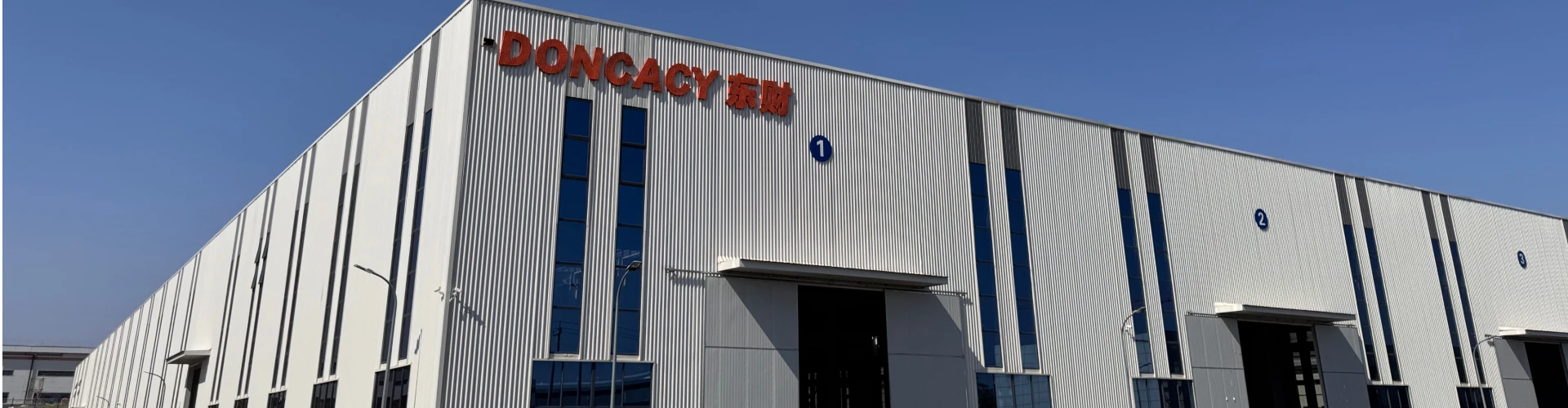
Understanding the Plastic Extruder Machine: An Industrial Game-Changer
When it comes to manufacturing polymer products, the plastic extruder machine is a true workhorse. If you aren’t familiar, this machine melts and shapes raw plastic pellets into continuous profiles — tubing, sheets, films, you name it. Given how plastics underpin so many industries globally, understanding this machine is frankly essential for both manufacturers and supply chain strategists.
Why does it matter on a global scale? Consider that the global plastics market was valued at over $600 billion in 2023, and the continuous demand for lightweight, cost-effective materials keeps growing. Extrusion technology is at the heart of producing these essential components efficiently. Moreover, with sustainability pressures increasing worldwide, innovations in plastic extruder machines can reduce energy use and waste, bringing practical environmental benefits.
Mini takeaway: The plastic extruder machine is not just industrial hardware — it’s a key driver in modern manufacturing and environmental adaptation.
Industry Context: Why Plastic Extruder Machines Are More Relevant Than Ever
The World Bank estimates that approximately 300 million tons of plastic are produced annually worldwide, much of which involves extrusion processing. As emerging markets industrialize and developed regions push sustainable materials, plastic extruder machines meet vital demand.
That said, the industry faces challenges: raw material volatility, energy consumption, and recycling integration. Efficient extruders can tackle these by enabling lower material usage and recycling-friendly processing. According to the International Organization for Standardization (ISO), standardizing extruder performance helps improve durability and output consistency globally.
Mini takeaway: Extruder technology both responds to and shapes global manufacturing trends, making efficiency and sustainability key drivers for innovation.
What Exactly Is a Plastic Extruder Machine?
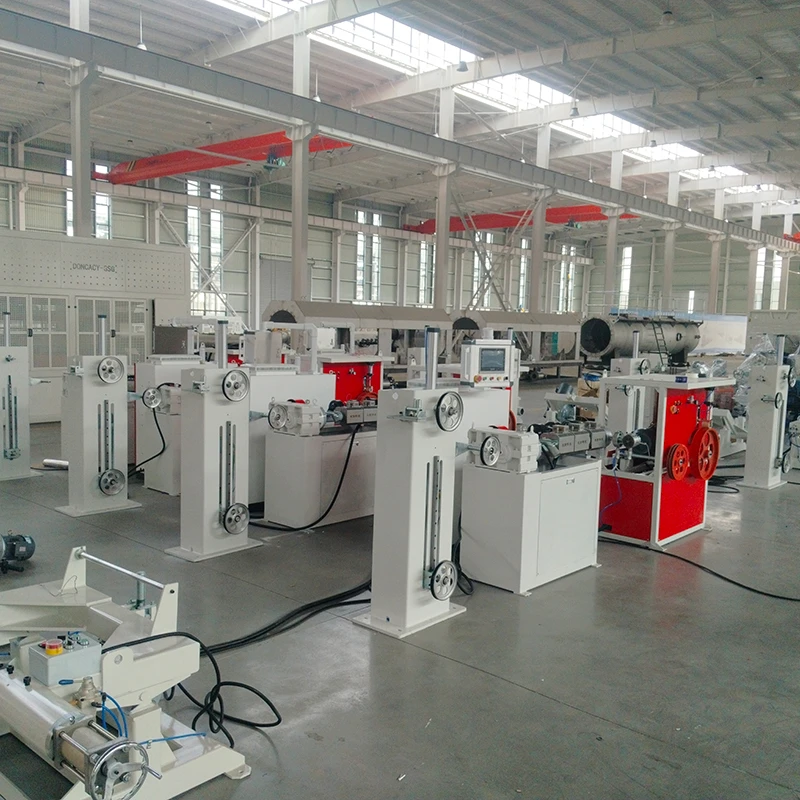
Simply put, a plastic extruder machine mechanically heats and forces melted plastic through a shaped die to create continuous lengths of plastic products. Components include the hopper (where pellets enter), screw(s) that turn and convey the plastic, heater bands for melting, and the die that shapes the output.
Beyond factory floors, these machines support humanitarian goals, too — for example, making affordable piping for water distribution in developing regions. Some NGOs rely on compact versions for on-site manufacturing, reducing transport costs and emissions.
Mini takeaway: Plastic extruders convert raw polymers into usable shapes, bridging industrial needs and practical humanitarian solutions.
Core Components and Key Factors in Plastic Extruder Machines
1. Screw Design and Durability
The screw’s geometry impacts melting efficiency and material mixing. Some machines feature co-rotating twin screws for better compounding. Materials like hardened steel increase lifespan, essential in abrasive plastics.
2. Heating and Temperature Control
Uniform heating ensures consistent extrusion. Advanced machines use precise digital controls for temperature zones, balancing energy use and product quality.
3. Scalability and Throughput
Different machines handle different production volumes — from lab-scale extruders to industrial units producing tons daily. Scalability affects cost-effectiveness and flexibility.
4. Automation and Monitoring
Modern extruders integrate sensors and IoT for real-time performance tracking. This reduces downtime and allows predictive maintenance, a big plus in continuous manufacturing lines.
5. Energy Efficiency
Newer extruder models emphasize reduced power consumption. Some incorporate regenerative drives and insulation to reduce waste heat.
| Specification | Typical Range / Features |
|---|---|
| Screw Diameter | 20mm - 150mm |
| Output Capacity | 5 kg/hr - 1000+ kg/hr |
| Temperature Zones | 3 to 8 zones, digitally controlled |
| Power Consumption | 5 kW - 200 kW |
| Automation Features | IoT-enabled monitoring, fault detection |
Mini takeaway: Critical machine components like screw design, heating precision, and automation shape extrusion quality and operational cost.
Global Applications and Use Cases of Plastic Extruder Machines
Industries worldwide benefit from plastic extruder machines:
- Packaging: Film and sheet extrusion for consumer goods packaging is widespread, notably in Asia-Pacific, which leads global production.
- Construction: Extruded plastic pipes, window frames, and insulation profiles are essential in housing development globally.
- Automotive: Lightweight plastic profiles reduce vehicle weight and improve fuel efficiency.
- Healthcare: Extruded tubing used in medical devices and sterile packaging.
- Disaster Relief: NGOs employ portable extruders to produce water pipes and temporary shelters swiftly after crises.
For example, in post-tsunami Japan, rapid deployment of plastic piping via extrusion manufacturing helped re-establish plumbing faster than traditional methods. Oddly enough, remote industrial zones in Africa and South America also rely on small-scale extruders to make custom parts onsite, reducing downtime.
Mini takeaway: Plastic extrusion is everywhere — from massive factories to remote aid operations — proving its versatility.
Advantages and Long-Term Value of Plastic Extruder Machines
Extruders offer solid benefits across financial, environmental, and social realms:
- Cost Efficiency: Low material waste and fast cycle times keep production costs manageable.
- Sustainability: Ability to process recycled plastics helps circular economy goals.
- Reliability: Durable machines minimize breakdowns, preserving supply chains.
- Impact: Providing accessible plastic products enhances water safety, housing, and infrastructure worldwide.
Emotionally, the technology fosters trust and innovation — companies investing in advanced extruders signal commitment to quality and future readiness, which stakeholders appreciate.
Mini takeaway: Plastic extruder machines are not just tools, but long-term investments in efficiency, sustainability, and societal well-being.
Future Trends and Innovations in Plastic Extrusion
Looking forward, extrusion tech is embracing greener and smarter approaches:
- Green Energy: Solar- and grid-integrated extruder drives reduce carbon footprints.
- Advanced Materials: Bioplastics and composites necessitate new screw profiles and temperature controls.
- Digital Transformation: AI-driven process control optimizes quality and energy use in real time.
- Automation: Fully autonomous extrusion lines reduce labor and human error.
These trends echo ISO’s continued push for global manufacturing standards that encourage innovation with accountability — a good sign Extruder tech won’t just sit still.
Mini takeaway: Plastic extruder machines will become greener, smarter, and even more adaptable to emerging materials and markets.
Challenges and Expert Solutions in Plastic Extrusion
Despite its strengths, extrusion has hurdles:
- Material Variability: Composite or recycled plastics can cause inconsistent melt properties.
- Energy Use: Older machines may consume excessive power.
- Maintenance: Screw wear and die damage interrupt production.
Experts recommend continuous monitoring, adopting modular screw designs for different materials, and upgrading control systems to tackle these. Some companies even use AI-driven predictive maintenance to catch faults before they become costly.
Mini takeaway: Proactive adaptation and technology upgrades keep extrusion competitive and reliable.
FAQ: Frequently Asked Questions About Plastic Extruder Machines
- What types of plastic can a plastic extruder machine handle?
- Most extruders process thermoplastics like polyethylene (PE), polypropylene (PP), PVC, and polystyrene (PS). Specialized screws and temperature controls enable handling composites and recycled plastics.
- How do I choose the right extruder size for my application?
- Consider your output capacity needs, material type, and product size. Small-scale extruders suit R&D or specialty products, while industrial-scale machines meet mass production demands.
- Can plastic extruders help reduce environmental impact?
- Yes, especially when optimized for energy efficiency and designed to process recycled plastics, reducing raw material consumption and carbon footprint.
- Is training required to operate or maintain an extruder?
- Absolutely. Proper training in screw replacement, temperature management, and troubleshooting helps maximize machine life and product quality.
- How do I find a reliable plastic extruder machine supplier?
- Look for vendors with strong service support, proven quality certifications (ISO), and product customization options aligned with your industry needs.
Vendor Comparison Table
| Vendor | Machine Capacity | Automation Level | Energy Efficiency | Price Range (USD) |
|---|---|---|---|---|
| ExtrudeTech | 100 - 800 kg/hr | High (IoT-enabled) | A+ | $120,000 - $500,000 |
| PolyForm Inc. | 50 - 600 kg/hr | Medium | B | $80,000 - $350,000 |
| GreenExtrude | 20 - 400 kg/hr | High | A++ (Eco-focused) | $150,000 - $450,000 |
Conclusion & Call to Action
The plastic extruder machine is a cornerstone of modern manufacturing, enabling efficient production across sectors and geographies. Its role in sustainability and innovation cannot be overstated as industries seek greener, smarter solutions. Whether you’re modernizing your production line or exploring plastic extrusion for the first time, the right machine can transform your operations — reducing costs, increasing quality, and supporting environmental goals.
Interested in learning more or finding the perfect plastic extruder machine for your needs? Visit us at https://www.ahdc11.com and explore our comprehensive product line and expert support.
Final thought: Investing in plastic extrusion technology today sets you up for a more sustainable, competitive tomorrow.
References
-
High Efficiency PE Extrusion Line Guide for Plastic ManufacturingNewsApr.16,2026
-
High Speed Steel Wire Mesh HDPE Composite Pipe Production Line - Anhui Dongchai|High Automation&Energy EfficiencyNewsApr.13,2026
-
High Speed Steel Wire Mesh HDPE Composite Pipe Production Line - Anhui Dongchai|High Automation&Energy EfficiencyNewsApr.13,2026
-
Guide to Choosing High Efficiency ppr pipe extrusion machineNewsApr.09,2026
-
Comprehensive Guide to Modern Pipe Production Line Technologies and OptimizationNewsApr.07,2026
-
Choosing the Right Extrusion Pipe Machine for Optimal Plastic Pipe ProductionNewsApr.04,2026
-
Comprehensive Guide to PPR Pipe Extrusion Line Technology and ApplicationsNewsMar.31,2026


