
Understanding the PE pipe extrusion line: What I've Learned on the Factory Floor
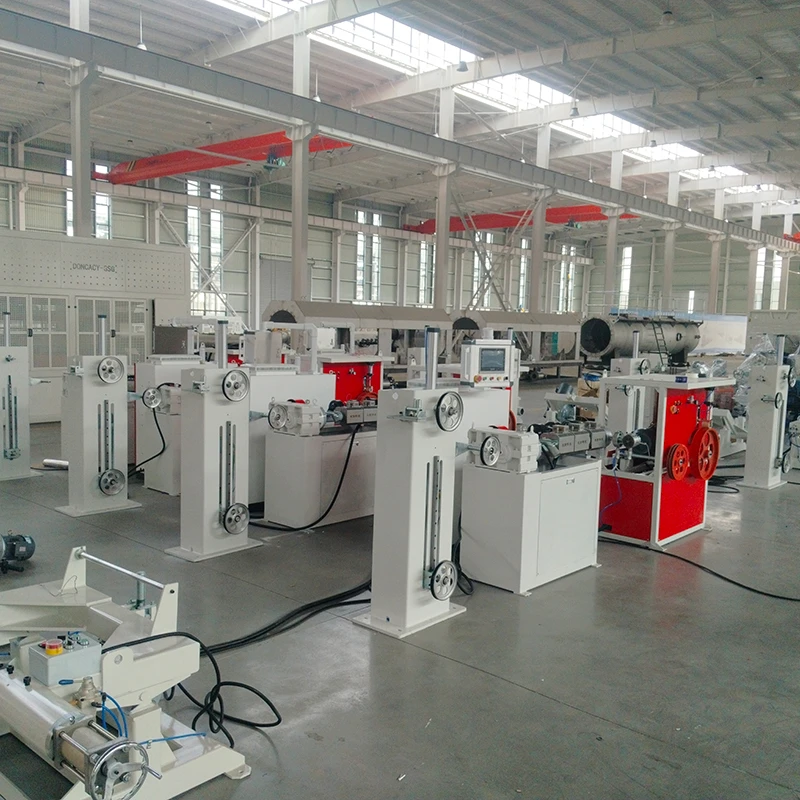
Having spent countless hours amidst the hum of heavy machinery and the scent of molten polymers, I can say one thing for sure — the PE pipe extrusion line is one of those pieces of equipment that’s deceptively simple but endlessly complex. If you’re diving into industrial pipe production, or just curious about how those durable polyethylene pipes come to life, well, buckle up. I’ll take you through some real-world insights from my years working with extrusion lines, the nitty-gritty specs that matter, and a glance at how different vendors stack up.
Now, extrusion isn’t exactly new. What’s fascinating is how ongoing innovation has improved the reliability and output of these lines. For instance, newer PE pipe extrusion lines boast better screw designs and advanced control systems that many engineers swear by. It’s like baking bread: the right temperature, the right dough mix, and timing all have their say. If the screw isn’t optimal, the melt won’t be consistent and defects creep in.
One thing I often notice is the variety of pipe diameters these lines can handle — from tiny irrigation pipes to stout sewer lines. Flexibility here isn’t just a selling point; it can make or break a plant’s versatility. Plus, customization options for cooling tanks and haul-off speeds can differ wildly. You get a sense of how much the manufacturing partner really understands your needs in these small but crucial details.
| Parameter | Typical Range | Notes |
|---|---|---|
| Screw Diameter | 45 – 90 mm | Depends on pipe size and output rate |
| Output Capacity | 150 – 1200 kg/hr | Higher output models use twin-screw extruders |
| Pipe Diameter Range | 20 – 1600 mm | Varies by die head compatibility |
| Power Requirement | 50 – 150 kW | Depends on motor choice and line length |
| Control System | PLC + HMI | Most modern lines use touchscreen interfaces |
On the materials side, PE (polyethylene) itself is quite forgiving. But odd though it sounds, the exact grade of PE resin can hugely affect the extrusion process and pipe quality. High-density PE (HDPE) is often the go-to, valued for its strength and chemical resistance. It’s the kind of pipe you’d see standing up to underground water or gas delivery. I remember a client telling me how switching resin suppliers improved their scrap rate by almost 20%. That kind of difference hits profits directly.
Speaking of clients, one small manufacturer I worked with struggled initially with poor line synchronization — what I call the “dance” between extruder, die, cooling tank, and haul-off. The pipes looked fine on the surface but had internal stresses that showed up under pressure testing. After tweaking their line setup and investing in good temperature sensors, they noticed a real drop in rejects. It’s the kind of learning curve many new operators face, frankly.
| Feature | Vendor A (AHDC11) | Vendor B | Vendor C |
|---|---|---|---|
| Maximum Pipe Diameter | 1600 mm | 1200 mm | 1500 mm |
| Output Capacity | Up to 1200 kg/hr | Up to 900 kg/hr | Up to 1000 kg/hr |
| Control System | Advanced PLC + Touchscreen HMI | Standard PLC | PLC + Basic HMI |
| Custom Die Designs | Available | Limited | Not offered |
| After-sales Support | 24/7 Hotline + On-site | Business hours only | Email support |
Frankly, one of the biggest advantages I’ve seen with AHDC11’s PE pipe extrusion line is their balance of robust engineering and user-friendly operation. You don’t need to be a tech genius to get good results — a solid operator’s intuition and those smart PLC controls will do the trick. Oddly enough, sometimes less can be more; overly complicated software just bogs down the process.
Of course, no extrusion line is perfect out of the box. Successful production almost always means ongoing tweaking — whether it’s adjusting haul-off speed, cooling water temperature, or even just upgrading to a better screw profile. But once the parameters are dialed in, you’ll be cranking out pipes with consistent wall thickness and great surface finish. Seeing those finished pipes roll off the haul-off and knowing they’ll end up underground, carrying water or gas for decades — it’s strangely satisfying.
So, if you’re in the market for a PE pipe extrusion line, keep in mind what really counts: stable output, precision in temperature control, and a partner who stands by you long-term. It’s all part of turning plastic pellets into lifesaving pipelines.
After all, there’s a little bit of art hidden in this technical dance, and that’s what keeps me interested even after all these years.
Takeaway: Investing time in learning the intricacies of PE pipe extrusion lines pays dividends in product quality and operational savings.
References:
- Polyethylene Pipe Extrusion Technology, Plastics Engineering Handbook, 2021
- Industry Experiences with Screw Design Improvements, Polymer Processing Journal, 2022
- AHDC11 Product Manuals and Field Reports, AHDC11 Official Website
-
High Efficiency PE Extrusion Line Guide for Plastic ManufacturingNewsApr.16,2026
-
Guide to Choosing High Efficiency ppr pipe extrusion machineNewsApr.09,2026
-
Comprehensive Guide to Modern Pipe Production Line Technologies and OptimizationNewsApr.07,2026
-
Choosing the Right Extrusion Pipe Machine for Optimal Plastic Pipe ProductionNewsApr.04,2026
-
Comprehensive Guide to PPR Pipe Extrusion Line Technology and ApplicationsNewsMar.31,2026
-
Understanding the Functionality and Applications of a Pipe Extruder SystemNewsMar.28,2026
-
Comprehensive Guide to Pipe Extrusion Machine Technology and ApplicationsNewsMar.26,2026


