
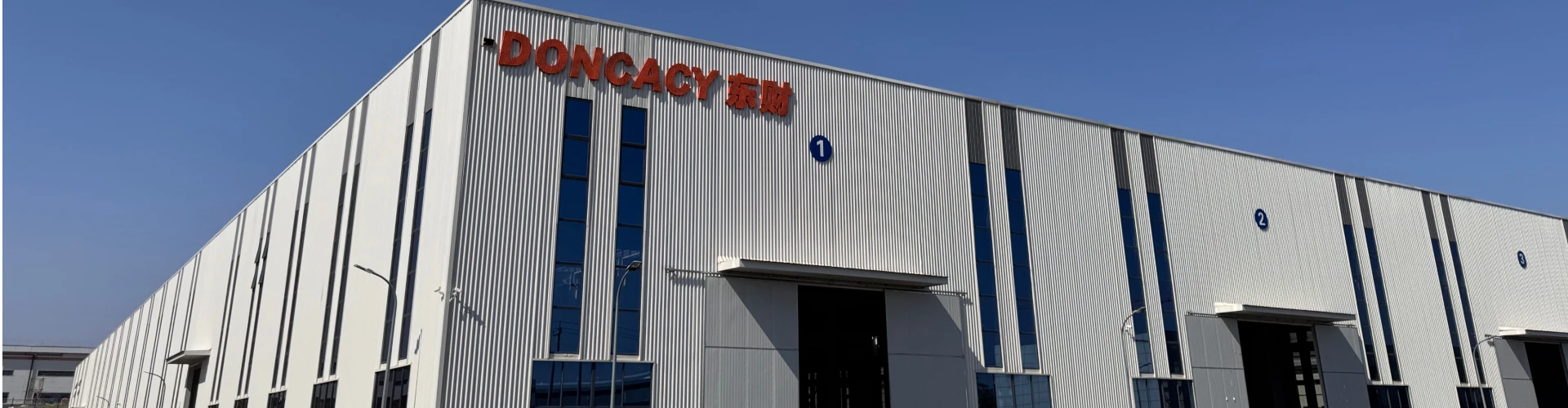
Hdpe Pipe Production Line Price is a key solution in the industry, specifically within manufacturing and infrastructure development. This article explores how https://www.ahdc11.com supports professionals with durable, high-performance products, and explains why this product is an ideal choice for businesses in these sectors.
Table of Contents
- Hdpe Pipe Production Line Price Overview
- Benefits & Use Cases of Hdpe Pipe Production Line Price
- Cost, Maintenance & User Experience
- Sustainability & Market Trends
Hdpe Pipe Production Line Price Overview
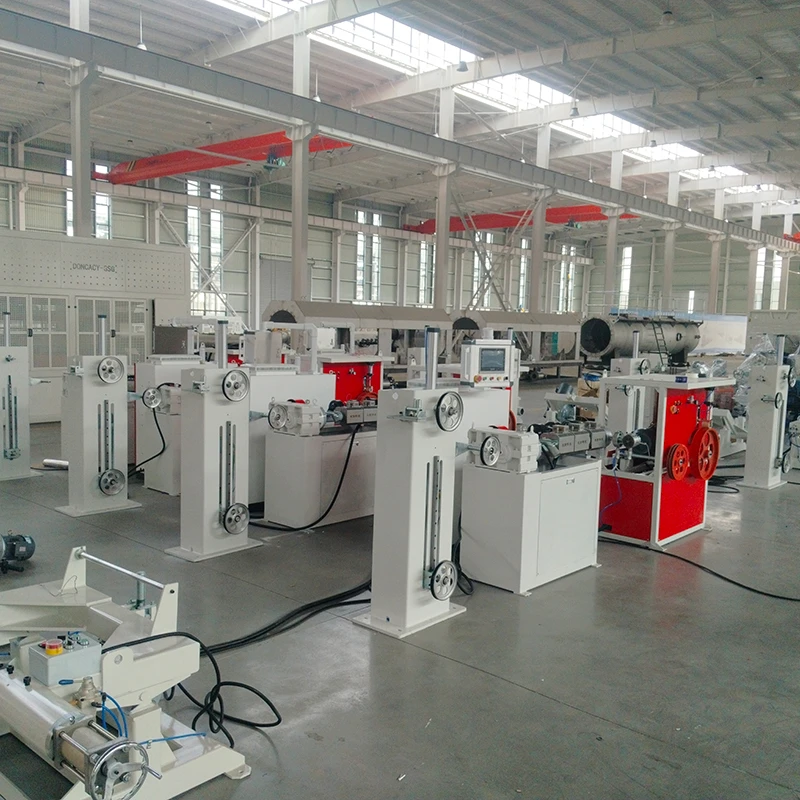
Put simply, an HDPE pipe production line is the assembly of machinery and tools designed to produce high-density polyethylene pipes — those reliable, weather and corrosion-resistant tubes you see everywhere from water delivery to gas pipelines. The “price” aspect comes in as a critical factor for B2B decision makers evaluating upfront investment versus long-term value.
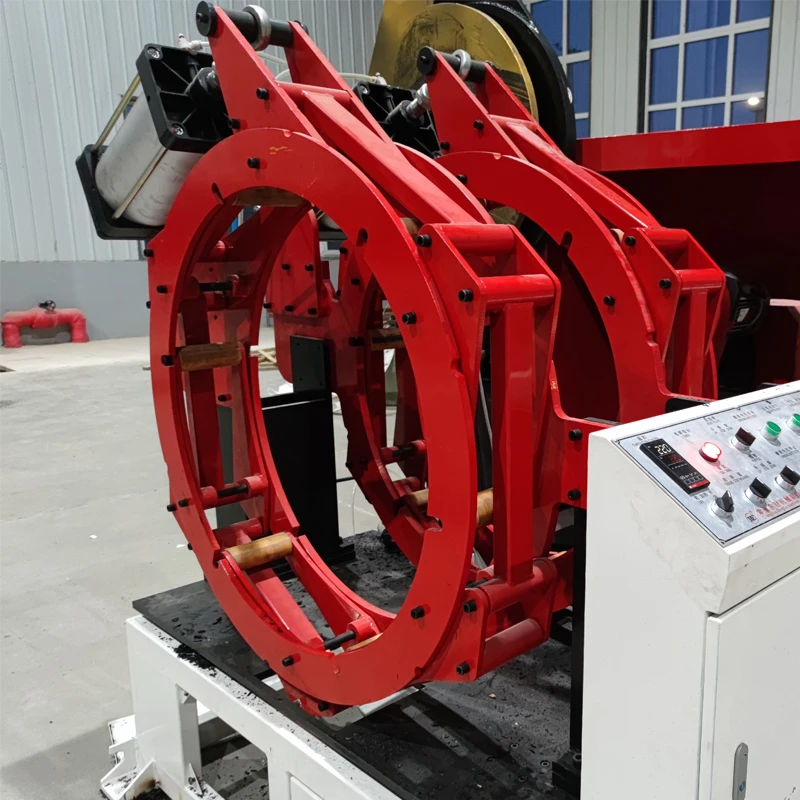
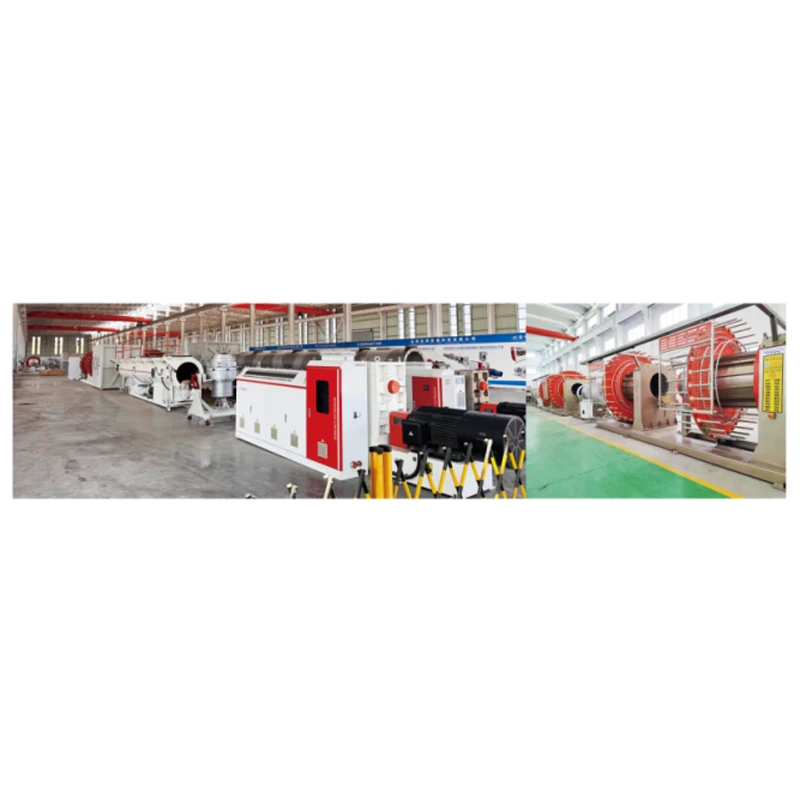
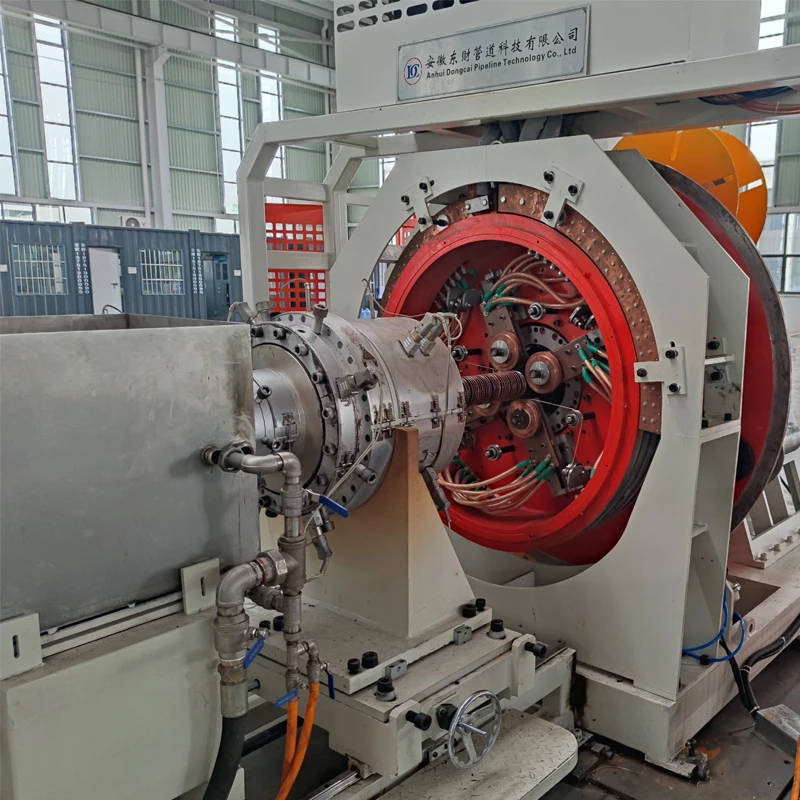
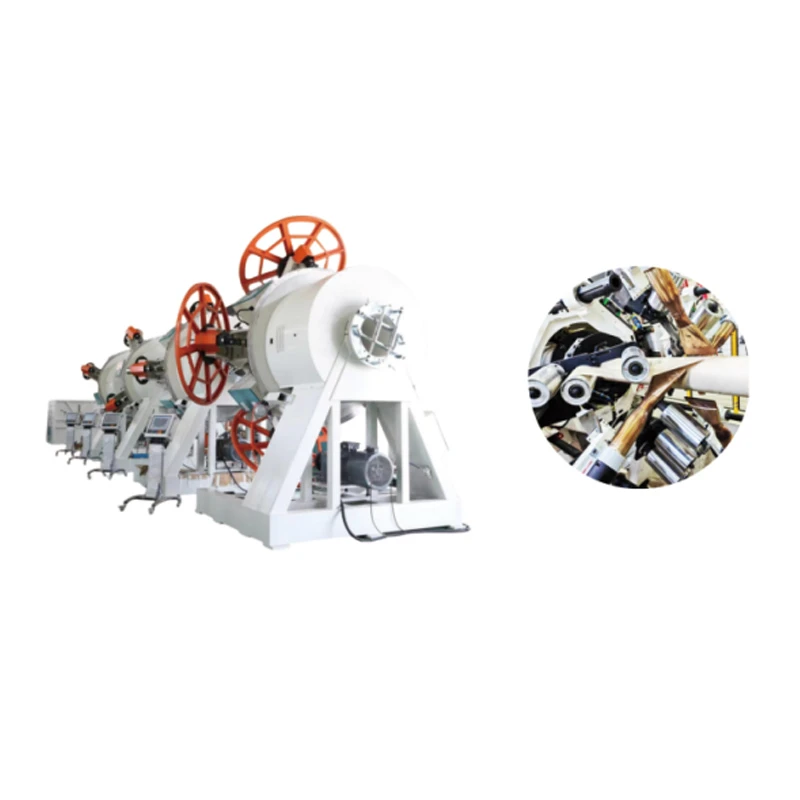
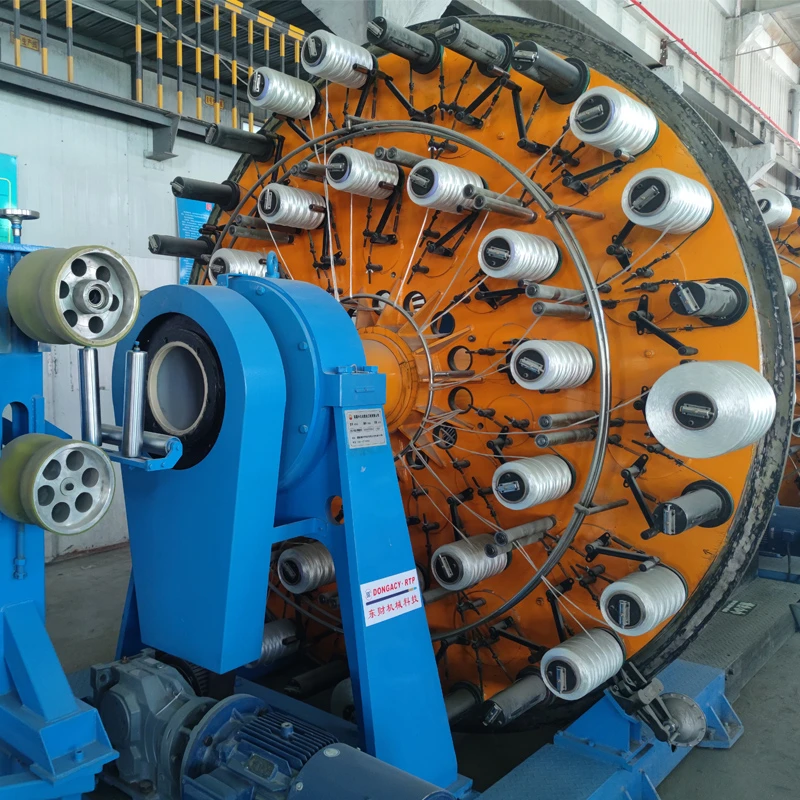
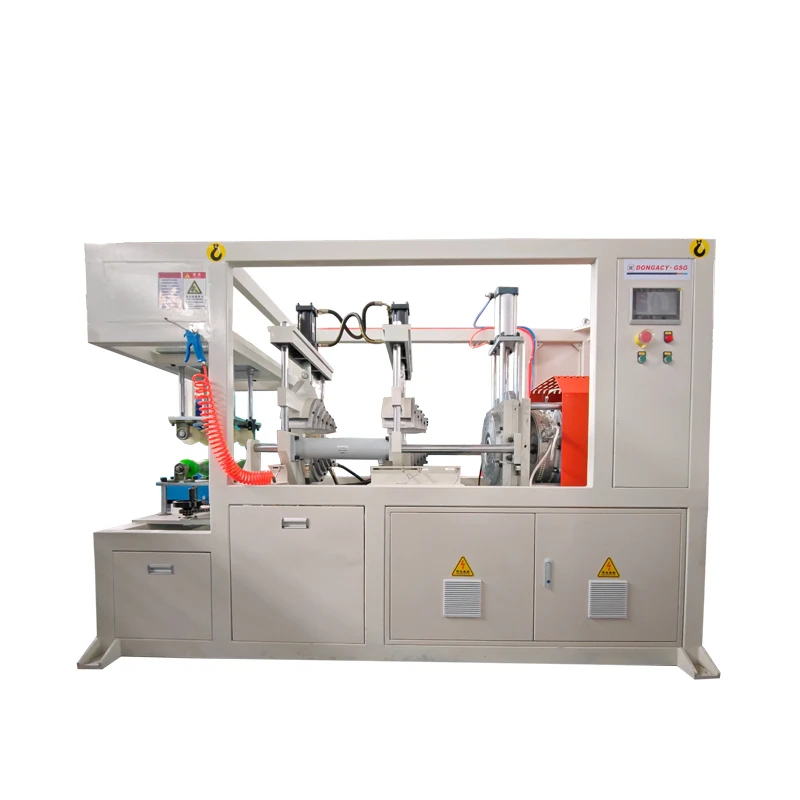
Technically, this production line usually consists of an extrusion machine, vacuum calibration tank, haul-off unit, cutting machine, and stacker. The line's specifications like extrusion capacity, pipe diameter range (usually 20mm to 630mm or more), and max output speed are the parameters that guide pricing. For example, the experience at Ahdc11 shows their mid-level production model can pump out pipes at 100 kg/hour with high precision and consistency — quite impressive for mid-tier machinery.
| Specification | Details |
|---|---|
| Pipe Diameter Range | 20mm – 630mm |
| Maximum Extrusion Speed | 10m/min |
| Production Capacity | 50–150 kg/hour |
| Power Consumption | ~75 kW |
| Automation Level | Semi-Automatic to Fully Automatic |
Benefits & Use Cases of Hdpe Pipe Production Line Price
In practical terms, HDPE pipes are everywhere – from agricultural irrigation systems to underground gas pipes, and even marine applications. So naturally, the production line that creates these pipes must guarantee quality and efficiency. The primary benefit here is the combination of resistance to chemicals, flexibility, and longevity HDPE pipes offer — and the production line must keep these qualities intact.
What stands out at Ahdc11’s production lines is their modular design, allowing quick switchovers between pipe diameters and thicknesses. This flexibility matters when businesses want to cater to different markets without multiple investments. Not to mention the energy-efficient motors and intelligent controls that reduce waste and improve final product consistency.
Many industry professionals report fewer downtime incidents and quicker maintenance turnarounds thanks to the robust build and parts availability. Plus, the automated monitoring systems embedded in the line reduce human error — a subtle but game-changing advantage on the factory floor.
Cost, Maintenance & User Experience
Everyone wants to keep an eye on the bottom line, right? The upfront investment in an HDPE pipe production line is often a significant capital expenditure, and the price can range widely depending on specs, automation, and vendor. Yet, when you add up the durability of pipes produced, low scrap rates, and energy savings, the return on investment often exceeds initial expectations.
From what I gathered, businesses using Ahdc11’s lines find the machinery user-friendly, with well-documented guides and responsive customer support, which frankly makes a big difference in smooth operations. Preventive maintenance schedules are clear — and, somewhat surprisingly, average downtime is reported to be lower than the industry norm.
It seems that the total cost of ownership aligns well with long-term profitability — the machines don’t just fall apart after a couple years, which I suppose is what B2B buyers need most.
Sustainability & Market Trends
Sustainability is a hot topic these days, and the HDPE pipe production market is no exception. HDPE pipes themselves are recyclable, which contributes positively to circular economy goals. Moreover, manufacturers like Ahdc11 increasingly incorporate energy-efficient components and promote the use of recycled materials where feasible.
Regulations around plastic pipe use are tightening globally, which pressures manufacturers to enhance quality and reduce environmental footprint. Interestingly, market analysts suggest that demand for HDPE pipes will keep rising sharply, propelled by rapid urbanization and infrastructure modernization worldwide.
So the trend is clear: investing in a modern, cost-efficient, and eco-friendly production line like those from Ahdc11 is smart not just for short-term gains, but for future-proofing your operations.
| Vendor | Price Range (USD) | Automation Level | Customer Rating | Support Quality |
|---|---|---|---|---|
| Ahdc11 | $50,000 - $120,000 | Semi to Fully Automatic | 4.5/5 | Excellent |
| Competitor A | $40,000 - $100,000 | Semi-Automatic | 4.0/5 | Good |
| Competitor B | $60,000 - $130,000 | Fully Automatic | 4.2/5 | Very Good |
Frequently Asked Questions about Hdpe Pipe Production Line Price
- What is Hdpe Pipe Production Line Price and how does it work?
- Hdpe Pipe Production Line Price refers to both the cost and the equipment setup needed to manufacture high-density polyethylene pipes. The production line uses extrusion technology to melt HDPE granules and form them into pipes of specified diameter and thickness.
- What are the main benefits of using Hdpe Pipe Production Line Price in industrial applications?
- The key advantages include energy efficiency, precise control over pipe dimensions, reduced waste, and reliable production throughput — all contributing to durable pipe quality suited for harsh environments.
- How does Hdpe Pipe Production Line Price compare to traditional alternatives?
- Compared to legacy methods, modern Hdpe pipe lines offer more automation, greater speed, better quality consistency, and lower long-term operational costs.
- What industries can benefit most from Hdpe Pipe Production Line Price implementation?
- Industries like water supply, agriculture, gas distribution, and telecommunications rely heavily on HDPE pipes, making the production line essential to their supply chains.
Conclusion on Hdpe Pipe Production Line Price from china
To wrap it up, the Hdpe Pipe Production Line Price isn’t just a number on paper — it’s your gateway to efficient production, quality outputs, and sustainable business growth. If you want to stay competitive while managing costs and environmental impact, these lines from trusted vendors like Ahdc11 really deserve a close look.
- Recap the value of Hdpe Pipe Production Line Price.
- - Visit our website: https://www.ahdc11.com
Thoughts? Hdpe production is evolving fast, and keeping up means knowing the details — but that’s the fun part, isn't it?
-
High Efficiency PE Extrusion Line Guide for Plastic ManufacturingNewsApr.16,2026
-
Guide to Choosing High Efficiency ppr pipe extrusion machineNewsApr.09,2026
-
Comprehensive Guide to Modern Pipe Production Line Technologies and OptimizationNewsApr.07,2026
-
Choosing the Right Extrusion Pipe Machine for Optimal Plastic Pipe ProductionNewsApr.04,2026
-
Comprehensive Guide to PPR Pipe Extrusion Line Technology and ApplicationsNewsMar.31,2026
-
Understanding the Functionality and Applications of a Pipe Extruder SystemNewsMar.28,2026
-
Comprehensive Guide to Pipe Extrusion Machine Technology and ApplicationsNewsMar.26,2026


