
Understanding the pc profile extrusion line: Insights from the field
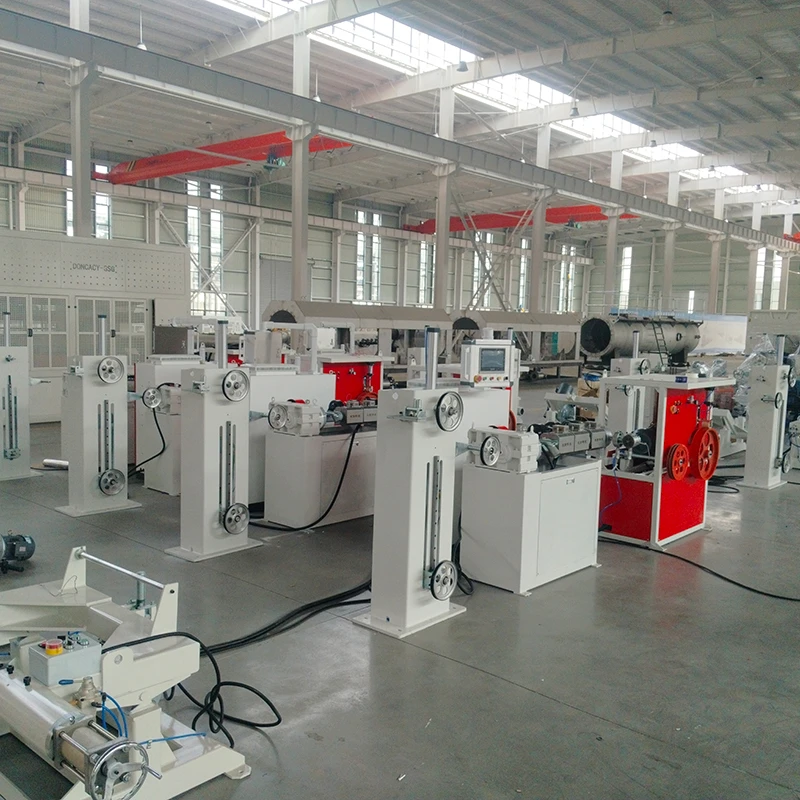
Having spent more than a decade working hands-on with industrial equipment in extrusion plants, I always find it rewarding to revisit the pc profile extrusion line. Oddly enough, this specialized line of machinery is the unsung hero behind many high-performance polycarbonate profile applications—think light diffusers, window frames, or electronic component housings. If you’re in manufacturing or procurement, understanding this equipment’s nuances can save you quite a headache down the line.
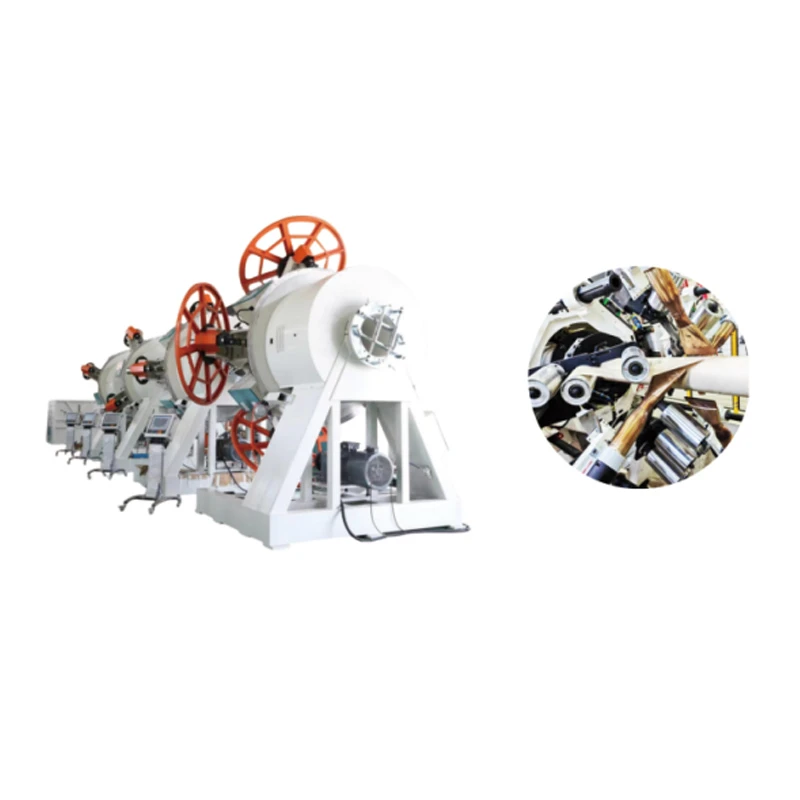
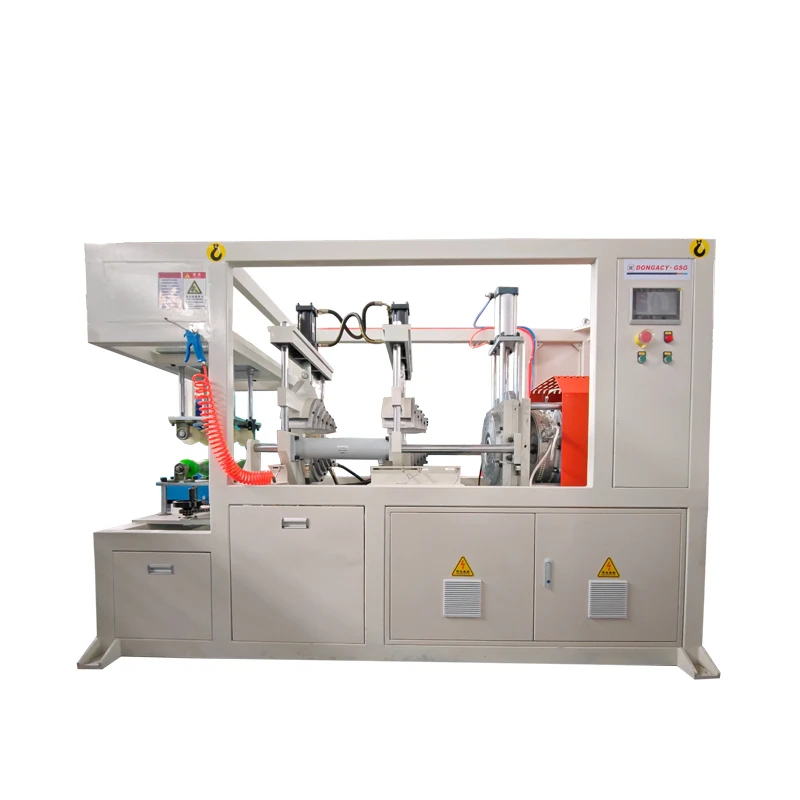
Now, extruding polycarbonate profiles isn’t as straightforward as it looks on paper. Frankly, the material demands pretty tight temperature control and steady mechanical pressure to avoid internal stresses or warping. The machines typically incorporate multiple zones to carefully manage heat, alongside precision cutters and cooling tanks optimized specifically for pc’s properties.
What I personally find interesting is how customization plays such a pivotal role here. Many engineers I’ve worked with usually ask for tailor-made dies and vacuum calibration tanks to match the exact profile shape and size. That customization dramatically influences output quality and production speed. You’d be surprised how often a minor tweak in die design can reduce scrap by 5-10%—definitely meaningful when running large batches.
Key features and specifications of a typical pc profile extrusion line
| Specification | Details |
|---|---|
| Material Processed | Polycarbonate (PC) pellets or granules |
| Extruder Type | Single-screw or twin-screw extruder |
| Output Capacity | 50 – 300 kg/h (varies by model) |
| Temperature Zones | 5 – 8 heating zones with PID controllers |
| Cooling | Water cooling tank with adjustable flow and vacuum calibration |
| Cutting Method | Acme screw cutter or flying saw for continuous profiles |
| Control System | PLC with touchscreen interface and data logging |
In real terms, the line’s stability depends on steady raw material feed and temperature control. I remember a particular case when a small supplier suddenly switched PC resin batches. We noticed increased warpage and surface blemishes immediately. It drove home how much luck you’re leaving to chance without thorough in-line quality monitoring.
Vendor comparison: Selecting the right PC Profile Extrusion Line manufacturer
| Feature | Vendor A | Vendor B | Vendor C |
|---|---|---|---|
| Customization Options | High (tailor-made dies & line configs) | Medium (standard dies with minor mod) | Low (fixed standard models) |
| After-Sales Service | 24/7 technical support & onsite visits | Business hours only | Limited remote assistance |
| Price Range | $$$ (premium) | $$ (mid-range) | $ (budget) |
| Energy Efficiency | High (energy-saving motors) | Average | Low (basic motor tech) |
Choosing the right vendor feels a bit like picking a trusted companion — you want a partner who understands your product specifications as well as the quirks of polycarbonate extrusion. Personally, I lean towards those offering robust after-sales support. Machines will occasionally hiccup, and when they do, prompt technical assistance saves precious downtime.
To bring a small anecdote home: a client of mine needed a custom extrusion line that could switch rapidly between profiles without lengthy downtime. We worked with a vendor who provided flexible die systems and quick-change modules — it honestly transformed their production workflow. It’s those real-world benefits you don’t always notice in raw specs.
So, if you’re navigating the world of pc profile extrusion line options, keep in mind the importance of customization, control precision, and reliable service. Those factors often dictate whether the line runs smoothly for years or causes ongoing frustration.
Lastly, be sure to ask about in-line quality systems and look for machines with automated adjustments. Getting that right upfront saves countless hours chasing defects. I suppose it’s all part of the craft – extrusion is as much an art as a science.
Takeaway: When inspected through the lens of experience, pc profile extrusion lines truly shine as a core technology—provided you pick the right specs, partners, and processes.
- Polycarbonate extrusion requires precise temperature management to reduce defects.
- Customization in dies and calibration enhances efficiency and quality.
- Reliable vendor support is as critical as technical features.
-
High Efficiency PE Extrusion Line Guide for Plastic ManufacturingNewsApr.16,2026
-
High Speed Steel Wire Mesh HDPE Composite Pipe Production Line - Anhui Dongchai|High Automation&Energy EfficiencyNewsApr.13,2026
-
High Speed Steel Wire Mesh HDPE Composite Pipe Production Line - Anhui Dongchai|High Automation&Energy EfficiencyNewsApr.13,2026
-
Guide to Choosing High Efficiency ppr pipe extrusion machineNewsApr.09,2026
-
Comprehensive Guide to Modern Pipe Production Line Technologies and OptimizationNewsApr.07,2026
-
Choosing the Right Extrusion Pipe Machine for Optimal Plastic Pipe ProductionNewsApr.04,2026
-
Comprehensive Guide to PPR Pipe Extrusion Line Technology and ApplicationsNewsMar.31,2026


