
Hollow Profile Sheet Extrusion Line is a key solution in the industry, specifically within manufacturing and construction sectors. This article explores how https://www.ahdc11.com supports professionals with durable, high-performance products, and explains why this product is an ideal choice for businesses in these sectors.
Table of Contents
- Hollow Profile Sheet Extrusion Line Overview
- Benefits & Use Cases of Hollow Profile Sheet Extrusion Line
- Cost, Maintenance & User Experience
- Sustainability & Market Trends
Hollow Profile Sheet Extrusion Line Overview
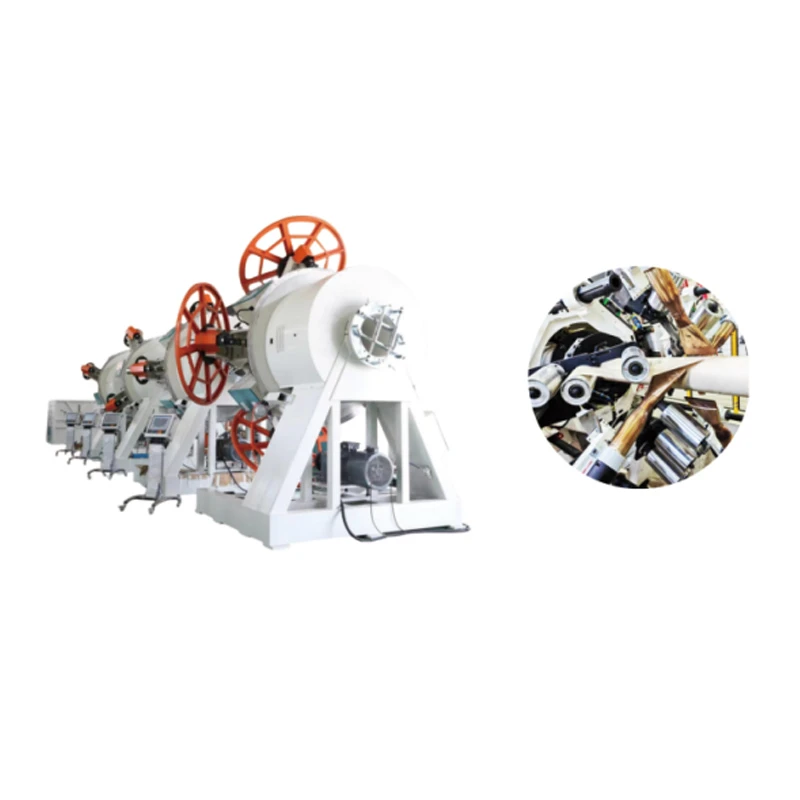
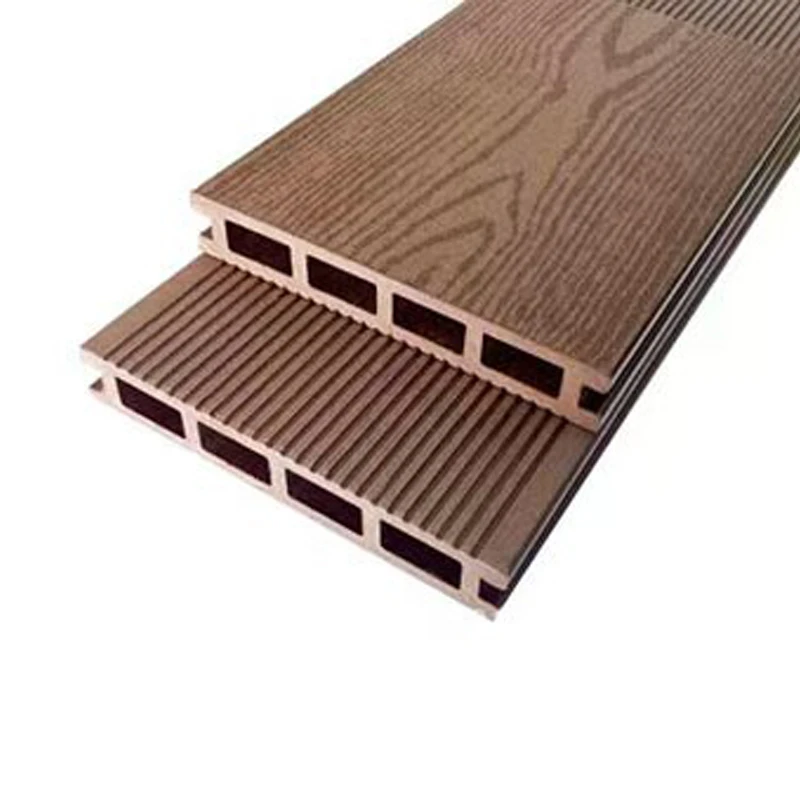
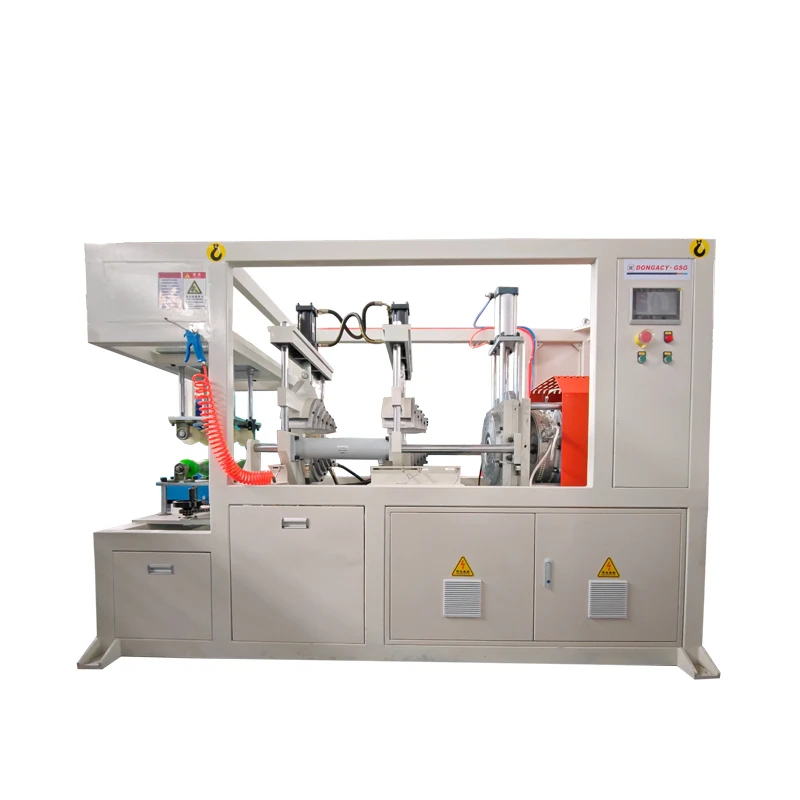
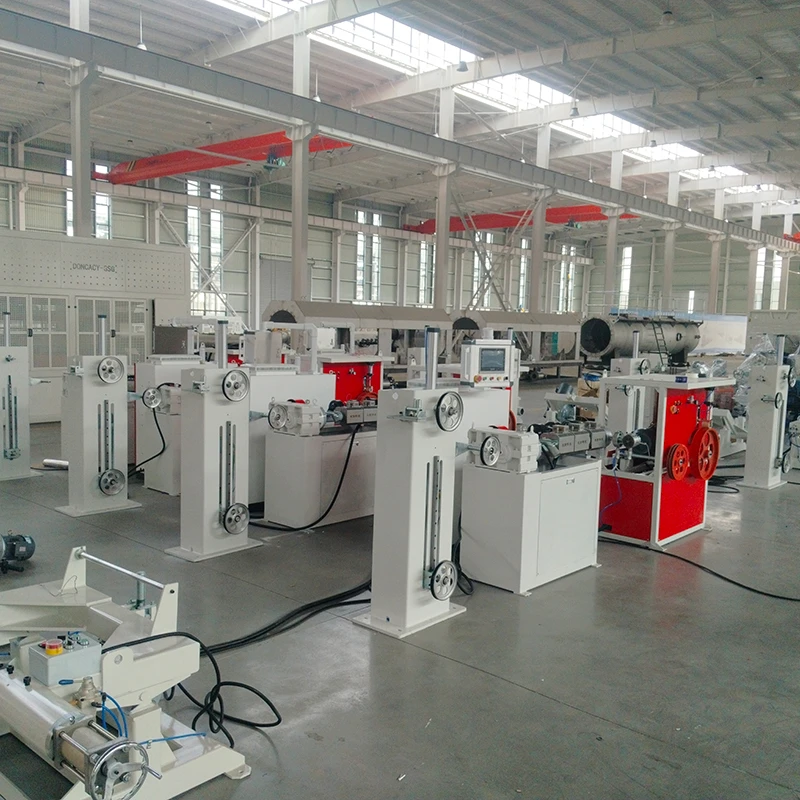
At its core, a Hollow Profile Sheet Extrusion Line is a sophisticated manufacturing system designed to produce hollow plastic profiles typically used in building materials, packaging, and automotive components. It’s fascinating to see how this extrusion line melds precision engineering with robust automation, giving businesses a reliable way to mass-produce lightweight yet strong sheet profiles. The technology behind this process involves melting pellets of polymers like polypropylene or polyethylene and forcing the molten material through a die to shape the hollow profile continuously.
For example, a case study from a construction materials firm leveraging AHDC11’s extrusion line demonstrated consistent sheet thickness and impressive output rates — at times producing over several tons per day. Technically, the extruder’s screw diameter ranges from 65mm to 110mm, accommodating different production scale demands.
| Specification | Details |
|---|---|
| Screw Diameter | 65mm - 110mm |
| Sheet Width | 600mm - 1500mm |
| Production Speed | 3m/min - 12m/min |
| Material Compatibility | PP, PE, PVC |
Benefits & Use Cases of Hollow Profile Sheet Extrusion Line
When you consider the practical side, the benefits of investing in a Hollow Profile Sheet Extrusion Line become quite obvious. The system produces durable, hollow sheets that are lighter but still structurally sound — great for reducing transportation costs and improving energy efficiency in finished products. Industries like packaging and automotive really lean on these sheets for applying innovative materials in lightweight panels or protective casings.
Beyond durability, features such as automated thickness control, quick die changeovers, and adaptability to multiple plastics make this equipment a versatile asset. The competitive advantage often stems from its efficient energy consumption — many engineers tell me that despite the high initial cost, the operational savings are clear within months. Oddly enough, it also tends to outperform conventional flat sheet lines by reducing waste through precision extrusion control.
Cost, Maintenance & User Experience
Of course, any B2B decision maker will want to know about total cost of ownership and how that plays out over time. While the upfront investment for a hollow profile sheet extrusion line may look modestly above some traditional counterparts, the durability and reduced downtime tend to balance things. Maintenance cycles for reliable systems like those from AHDC11 often range from several months to a year before major servicing.
On the operational side, users have reported that intuitive interfaces and straightforward troubleshooting reduce training time considerably. One repeat customer from the packaging sector mentioned how their output increased by 25% within the first quarter after integration, thanks mainly to better process stability and consistent sheet quality. These kinds of real-world numbers make investing here feel more like scaling productivity, not just buying equipment.
| Vendor | Pricing | Energy Efficiency | After-Sales Support |
|---|---|---|---|
| AHDC11 | Mid-range | High (up to 15% savings) | 24/7 Technical & Spare Parts |
| Vendor B | Lower upfront | Moderate | Business Hours Only |
| Vendor C | High | High | Limited Warranty |
Sustainability & Market Trends
Sustainability isn't just a buzzword here — it’s a genuine driving force in extrusion line design and material choice. Frankly, industries using these hollow profile sheets are under increasing pressure to reduce plastic waste and carbon footprint. Fortunately, extrusion lines from modern vendors like AHDC11 are engineered not only for maximum yield with minimal scrap but also for easy integration with recycled plastics.
Market data suggests a notable growth trajectory for hollow profile extrusion products, especially as more regulations push toward eco-friendly construction materials and lightweight automotive parts. Plus, the versatility of these lines to run bio-based polymers or blends positions manufacturers ahead of regulatory curves, which frankly makes a difference in fast-evolving markets.
Frequently Asked Questions about Hollow Profile Sheet Extrusion Line
- What is Hollow Profile Sheet Extrusion Line and how does it work?
- It’s an extrusion system that melts plastic resin and forces it through a specially designed die to form hollow, lightweight sheets with excellent strength-to-weight ratios. The sheets then cool and are cut to length, ready for downstream use.
- What are the main benefits of using Hollow Profile Sheet Extrusion Line in industrial applications?
- Key benefits include production efficiency, reduced material use due to hollow structures, improved product strength, and adaptability to different plastics — all translating to cost savings and higher quality outputs.
- How does Hollow Profile Sheet Extrusion Line compare to traditional alternatives?
- Compared to flat sheet lines or solid extrusion, hollow profile extrusion delivers lighter sheets without compromising strength. It’s also often more energy efficient and produces less waste with advanced controls.
- What industries can benefit most from Hollow Profile Sheet Extrusion Line implementation?
- Construction, packaging, automotive, and even agriculture sectors commonly use hollow profile sheets for insulation panels, protective packaging, vehicle panels, and greenhouse cladding. Success stories across these sectors highlight versatility.
Conclusion on Hollow Profile Sheet Extrusion Line from china
In summary, the Hollow Profile Sheet Extrusion Line represents a smart, forward-thinking investment for businesses aiming to improve efficiency, product quality, and sustainability. With reliable partners like AHDC11, companies gain access to machines that blend performance with cost control — a rare but valued balance.
- Recap the value of Hollow Profile Sheet Extrusion Line.
- - Visit our website: https://www.ahdc11.com
Sometimes, the smallest structural tweak makes the biggest difference. Hollow profile extrusion lines? They’re that subtle yet transformative piece in manufacturing’s puzzle.
-
High Efficiency PE Extrusion Line Guide for Plastic ManufacturingNewsApr.16,2026
-
High Speed Steel Wire Mesh HDPE Composite Pipe Production Line - Anhui Dongchai|High Automation&Energy EfficiencyNewsApr.13,2026
-
High Speed Steel Wire Mesh HDPE Composite Pipe Production Line - Anhui Dongchai|High Automation&Energy EfficiencyNewsApr.13,2026
-
Guide to Choosing High Efficiency ppr pipe extrusion machineNewsApr.09,2026
-
Comprehensive Guide to Modern Pipe Production Line Technologies and OptimizationNewsApr.07,2026
-
Choosing the Right Extrusion Pipe Machine for Optimal Plastic Pipe ProductionNewsApr.04,2026
-
Comprehensive Guide to PPR Pipe Extrusion Line Technology and ApplicationsNewsMar.31,2026


