
What Is a Pipe Extrusion Line Manufacturer and Why It Matters Today
Pipe extrusion lines are the heart of manufacturing plastic pipes used across industries — from water supply and sewage systems to oil and gas pipelines. Understanding what a pipe extrusion line manufacturer does is key for anyone involved in industrial supply chains, infrastructure projects, or sustainability planning. Frankly, it’s quite fascinating how these highly specialized lines transmute raw polymers into pipes that literally keep our cities running and our industries flowing.
Why does this matter globally? Well, with increasing urbanization and the urgent need to replace ageing infrastructure, demand for reliable pipe manufacturing solutions is surging. The World Bank estimates that global infrastructure investments need to increase by nearly 70% to sustain development goals. A strong, efficient extrusion line manufacturer can help meet these needs by delivering scalable, high-quality pipe solutions globally.
The Global Context: Market Growth and Industry Challenges
Worldwide, the plastic pipe market was valued at over $80 billion in 2023 and is expected to grow steadily through 2030. This growth aligns with rapid urban expansion, government infrastructure spending, and increasing focus on efficient water management systems per ISO standards. But there’s a catch: the industry faces challenges in balancing cost efficiency with environmental sustainability. Traditional manufacturing processes consume high energy and sometimes produce waste that isn’t easy to recycle.
This is where innovative pipe extrusion line manufacturers come in — offering advanced machinery that improves throughput, reduces energy consumption, and enhances product durability. The problem addressed? Making pipe production faster, greener, and more cost-effective while maintaining industrial standards.
What Does a Pipe Extrusion Line Manufacturer Actually Do?
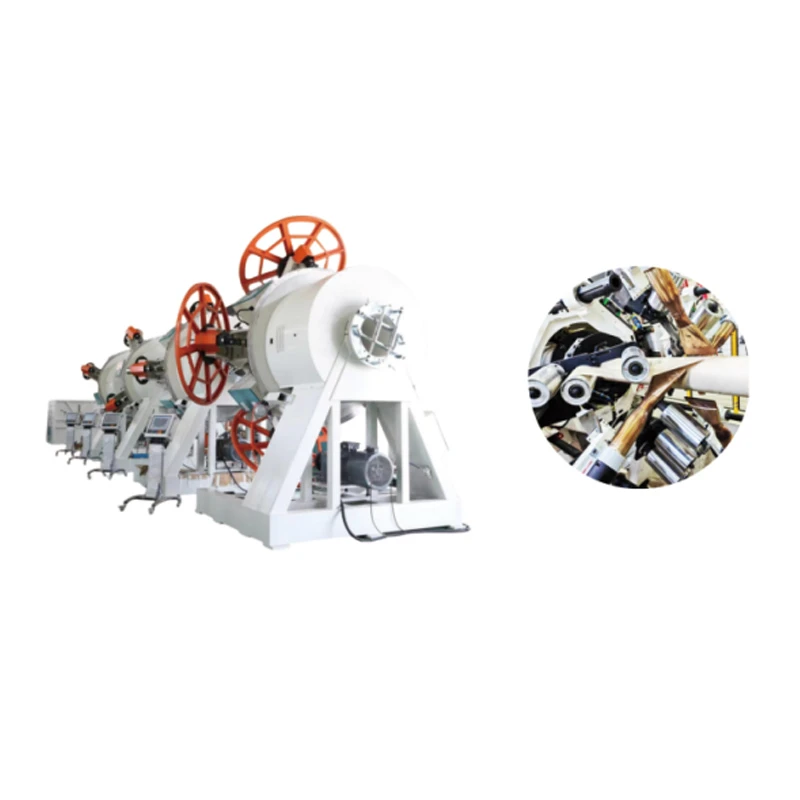
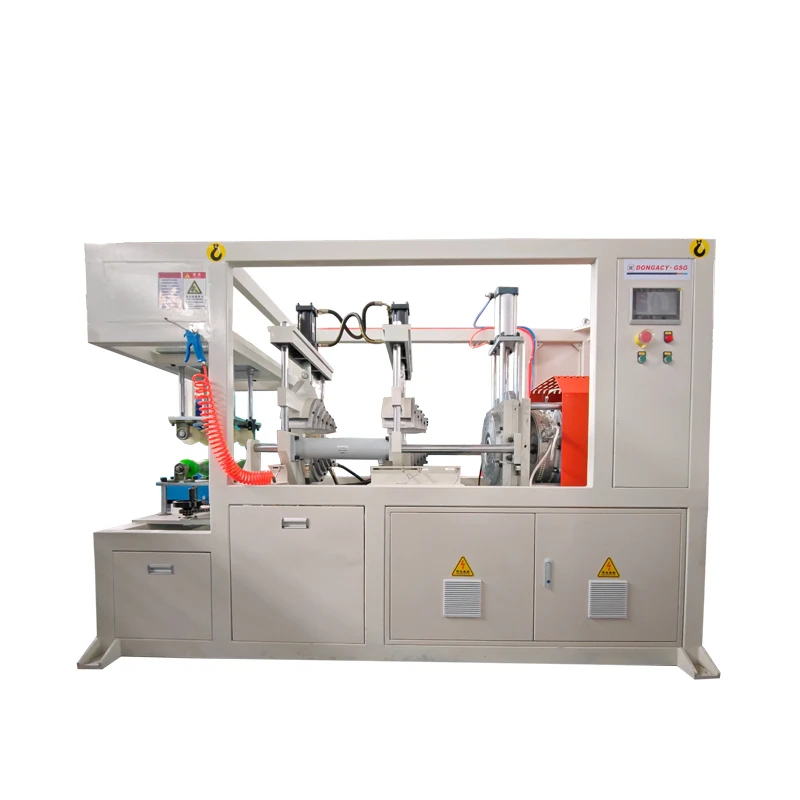
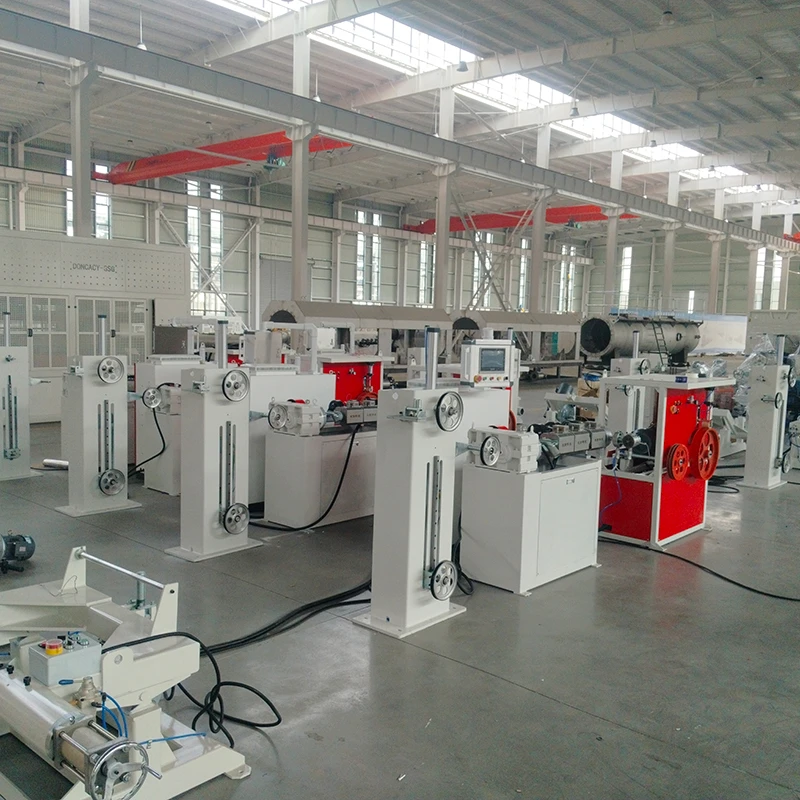
At its core, a pipe extrusion line manufacturer designs, builds, and supplies integrated machinery systems that convert raw plastic pellets (usually PVC, HDPE, or PP) into continuous lengths of pipe. The process involves heating, forcing the molten polymer through shaped dies, cooling the extruded pipe, sizing, and cutting it to length. Sounds straightforward — but those who’ve worked with extrusion lines know it's a finely tuned dance of temperature control, pressure, and material science.
More than just machines, manufacturers today often provide custom solutions tailored for specific pipe diameters, wall thicknesses, and materials — all crucial for varying industrial or humanitarian needs, such as reliable pipes in disaster-prone areas or oil pipelines in remote zones.
Key Components and Factors in Pipe Extrusion Lines
1. Precision Die Design
The quality of the extrusion die fundamentally affects pipe uniformity and finish. Manufacturers invest heavily here because small imperfections can lead to leaks or failure over time.
2. Scalability of Production Capacity
Whether producing a few hundred meters daily or thousands, the extrusion line must scale without compromising quality.
3. Energy Efficiency
With environmental concerns on the rise, modern machines incorporate energy-saving motors and heaters to cut operational costs and carbon footprints.
4. Automation and Control Systems
Advanced controllers monitor temperature, pressure, and speed, adjusting in real-time to maintain optimal extrusion conditions.
5. Cooling Systems
Rapid and uniform cooling is vital to prevent warping and maintain pipe strength.
6. Material Versatility
Lines supporting multiple materials can produce pipes adapted for varied industrial and municipal applications, enhancing versatility.
| Parameter | Details |
|---|---|
| Pipe Diameter Range | 16 mm – 800 mm |
| Extruder Output Capacity | 50 – 500 kg/hr |
| Material Compatibility | HDPE, PP, PVC, PB |
| Automation Level | Semi to Fully Automated |
| Energy Consumption | 6 – 20 kWh/100 kg pipe |
| Cooling Method | Water bath or spray cooling |
Mini takeaway: The combination of precision engineering and smart automation defines the capabilities of a modern pipe extrusion line.
How Pipe Extrusion Lines Serve Global Sectors
In real-world terms, these manufacturers fuel everything from urban construction to rural development.
- Municipal Water & Wastewater: Cities in Asia and Africa depend on these pipes for clean water and sanitation upgrades.
- Oil & Gas: Long-distance pipeline transport needs ultra-durable plastic pipes made to spec.
- Agriculture & Irrigation: Plastic pipes replace older metals, improving irrigation efficiency worldwide.
- Disaster Relief: Rapid deployment pipelines for temporary water supply in disaster-affected zones.
- Telecommunication: Conduits protecting fiber optic cables in challenging environments.
For instance, after a major flood in Southeast Asia, NGOs quickly installed plastic piping produced by local extrusion lines to restore potable water. This highlights not only the industrial but also humanitarian role manufacturers play.
Advantages and Long-Term Value of Working With Reputable Manufacturers
A good pipe extrusion line manufacturer offers several benefits beyond just the hardware:
- Cost Efficiency: Optimized production means lower costs per meter of pipe.
- Durability & Reliability: Ensures pipes last decades — a critical factor in infrastructure investment.
- Environmental Sustainability: Reduced waste and energy use help meet regulatory requirements.
- Social Impact: Quality infrastructure improves public health and safety, fostering trust.
- Innovation: Access to latest technology keeps clients competitive and ready for future regulations.
Oddly enough, many engineers I talked to say partnership and after-sales support can be as important as the product specs when selecting a manufacturer.
Emerging Trends and Innovations in Pipe Extrusion Manufacturing
Looking ahead, a few exciting trends are transforming extrusion lines:
- Digital Twin & IoT Integration: Simulate and monitor pipelines digitally to prevent defects during production.
- Bio-based Polymers: Experimenting with eco-friendly raw materials to reduce plastic footprint.
- Advanced Cooling Techniques: Using ultrasonic or air-assisted cooling to increase speed without quality loss.
- Increased Automation: Robotic handling and AI-driven quality checks reduce human error.
- Energy Recovery Systems: Harnessing waste heat to power other plant processes.
Challenges Facing Pipe Extrusion Line Manufacturers & Their Solutions
There’s no sugarcoating it — the industry faces bumps:
- High Capital Investment: Setting up extrusion lines can be costly, which limits entry for many players. Leasing or modular setups help ease initial costs.
- Material Quality Variance: Variations in raw polymer batches affect product consistency. Real-time sensors mitigate this.
- Energy Consumption: Although improving, extrusion remains energy-intensive. Manufacturers adopt green energy and efficiency tech to counter this.
- Environmental Regulations: Stricter rules require ongoing R&D to keep compliant.
Innovations like plug-and-play modular lines and decentralized production facilities increasingly offer solutions to these hurdles.
| Manufacturer | Country | Automation Level | Environmental Features | Customization Options | After-Sales Support |
|---|---|---|---|---|---|
| PolyLine Inc. | Germany | Fully Automated | Energy recovery & Waste recycling | High | 24/7 Technical Support |
| AquaFlex Machinery | Japan | Semi Automated | Low-energy motors | Medium | Local Dealer Networks |
| GreenPipe Solutions | China | Fully Automated | Bio-based polymers compatible | High | On-site Training & Remote Help |
FAQs About Pipe Extrusion Line Manufacturers
Q1: How does a pipe extrusion line manufacturer ensure pipe quality across batches?
Manufacturers use automated sensors and real-time monitoring systems to control temperature, pressure, and extrusion speed precisely. These ensure consistent wall thickness and surface finish, reducing defects and maintaining quality standards.
Q2: Are plastic pipes made with extrusion lines suitable for hazardous chemical transport?
Yes, many extrusion lines produce pipes from special polymer grades resistant to chemicals and corrosion, ideal for industrial and chemical transport applications. However, compatibility tests should always precede deployment.
Q3: What is the typical lifespan of pipes produced by extrusion lines?
Depending on the material and application, pipes can last anywhere from 25 to 50 years or more. Proper manufacturing and installation play key roles in longevity.
Q4: Can extrusion lines be customized for specialized pipe designs?
Absolutely. Many manufacturers offer flexible extrusion dies, adjustable cooling, and multi-material production capabilities tailored to client requirements.
Q5: How can international buyers find reliable pipe extrusion line manufacturers?
Researching industry expos, technical references, and verified websites like pipe extrusion line manufacturer portals helps. Also, evaluating post-sales support and warranty terms is crucial.
Wrapping It Up: Why Partner With a Quality Pipe Extrusion Line Manufacturer?
In an increasingly interconnected world, the role of a trusted pipe extrusion line manufacturer can’t be overstated. They’re not just machinery sellers but enablers of infrastructure, sustainability, and progress. Investing in the right manufacturer means reliable pipes, cost savings, and a step toward greener industrial practices.
If you want to explore cutting-edge extrusion solutions tailored to your needs, don’t hesitate to visit our website and discover how we can shape the future — one pipe at a time.
Mini takeaway: The pipe extrusion industry is evolving fast, blending tradition with tech to meet global demands elegantly and responsibly.
References
-
High Efficiency PE Extrusion Line Guide for Plastic ManufacturingNewsApr.16,2026
-
High Speed Steel Wire Mesh HDPE Composite Pipe Production Line - Anhui Dongchai|High Automation&Energy EfficiencyNewsApr.13,2026
-
High Speed Steel Wire Mesh HDPE Composite Pipe Production Line - Anhui Dongchai|High Automation&Energy EfficiencyNewsApr.13,2026
-
Guide to Choosing High Efficiency ppr pipe extrusion machineNewsApr.09,2026
-
Comprehensive Guide to Modern Pipe Production Line Technologies and OptimizationNewsApr.07,2026
-
Choosing the Right Extrusion Pipe Machine for Optimal Plastic Pipe ProductionNewsApr.04,2026
-
Comprehensive Guide to PPR Pipe Extrusion Line Technology and ApplicationsNewsMar.31,2026


