
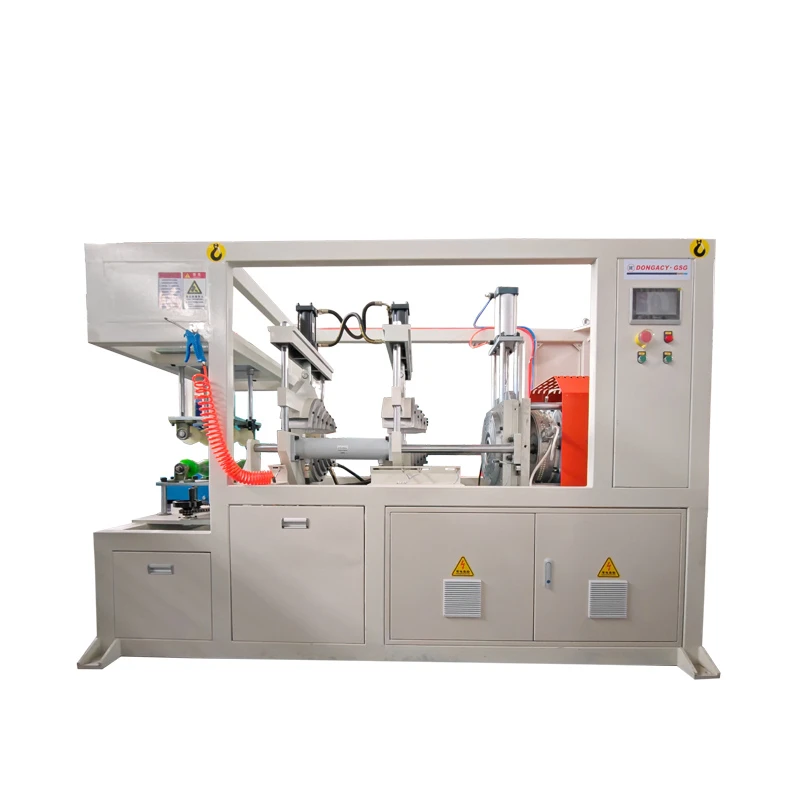
Searching for an l sealer machine manufacturer can lead to the wrong equipment when the application is plastic pipe-end sealing. Our Brand New High Speed Automatic Sealing Machine uses automatic conveying, mouth heating, thermal mold sealing, and PLC control for post-extrusion finishing. Compare the workpiece, material range, end-face requirements, process speed, and line layout before selecting this configuration.

Workpiece and range: match the machine to plastic pipe diameters, specifications, polymer materials, and the end-face finish required after extrusion.
Process and line fit: check pipe conveying, mouth heating, thermal mold sealing, PLC control, specification changes, upstream pace, and downstream space for packaging or storage.
Identify the sealing job first
The workpiece determines the machine category. Our Brand New High Speed Automatic Sealing Machine is an automatic pipe sealing machine for post-extrusion finishing. It combines a pipe conveying device, heating device, sealing device, and control system. This arrangement suits plastic pipe production where the pipe mouth must be heated, formed with a mold, and moved to the next handling stage.
That distinction matters when you begin with the search phrase “l sealer machine manufacturer.” An L-type packaging sealer and an automatic pipe-end sealing machine address different workpieces and processes. For pipe production, describe the pipe material, diameter, specifications, and required end-face finish before comparing suppliers or equipment.
Picture a pipe leaving extrusion and entering the conveying section. The machine positions the pipe, heats its mouth, forms the end with the sealing mold, and conveys the sealed pipe toward packaging or storage. This sequence suits a line that needs a repeatable finishing stage instead of repeated manual positioning.
Match the pipe range and materials
Pipe range is the first practical filter. We supply this configuration for pipes with various specifications, diameters, and materials, including extruded plastic materials. Your product catalog should therefore guide the inquiry. Group the diameters and materials you expect to run, then identify how often the line changes between them.
A stable catalog with repeated sizes can use saved digital profiles efficiently. A catalog with frequent changes needs attention to mold adjustments and the changeover routine. The machine supports parameter presets for different pipe specifications and includes alerts related to maintenance intervals and mold adjustments. Send the full size and material list so the sealing arrangement can be matched to the production plan.
The end face also belongs in the specification review. Thermal mold fusion forms an integrated and unified appearance at the sealed end. This suits pipes that move directly from finishing to packaging or storage and require a consistent finished presentation.
Check the sealing process and consumables
Thermal mold sealing heats the pipe mouth before the mold forms the end. The process does not use sealing rings and does not require a clean trimming site. For a plant managing consumables and manual finishing work, these characteristics affect the sealing-area layout and the handling required after the pipe exits the machine.
Heating control is part of the process fit. Our configuration uses precision heating controls and thermal regulation during the sealing cycle, with real-time monitoring of heating elements, sealing cycles, and system operating status. Provide the polymer materials and the finish required for each pipe group so we can review the heating and mold arrangement for the intended products.
The process suits buyers seeking an integrated pipe end face. It is not a general packaging sealer for film-wrapped products. The workpiece, heating stage, and mold geometry should all be described in the purchase inquiry.
Match automation with the production flow
Fully automatic production suits a line where operators supervise the sealing cycle instead of repeatedly placing each pipe end by hand. Automatic conveying links pipe movement with heating and mold sealing, while the control system manages the operating sequence.
Our machine uses advanced PLC intelligent control and an intelligent digital interface. These controls support production monitoring, parameter presets, and alerts related to maintenance and mold adjustment. The setup suits plants that need specification changes to follow a controlled production routine.
Line speed must be judged across the whole process. The machine is intended for high-speed production and can match the production speed of high-speed steel wire network management systems. Measure the upstream extrusion pace, available equipment length, conveying direction, and space needed for sealed pipes before ordering. A fast sealing stage cannot correct a mismatch in upstream or downstream handling.
Choose the configuration for the working condition
The Brand New High Speed Automatic Sealing Machine fits plastic pipe production that needs automatic conveying, pipe-mouth heating, thermal mold sealing, and PLC-based intelligent control. It suits post-extrusion finishing, varied pipe specifications or materials, and a line that sends sealed products toward packaging or storage.
A plant replacing a manual pipe-end station should focus on automatic positioning, heating, mold sealing, and reduced manual intervention. A plant adding sealing to an extrusion line should focus on flow synchronization, product changes, and available space. In both cases, describe the workpiece as a plastic pipe with its dimensions and materials instead of relying on a packaging-equipment label.
The main purchasing limits are the actual pipe range, polymer materials, specification changes, mold requirements, and line layout. These conditions determine whether the machine fits your process.
Questions to settle before ordering
Can one machine serve several pipe diameters?
Yes, the machine is intended for various pipe diameters and specifications. Saved parameter presets support changes between specifications, while the sealing mold may need adjustment for a new pipe group. Include every diameter, specification, and change frequency in the inquiry. That information allows the mold arrangement and digital operating profiles to be considered together instead of treating a broad application range as one universal setting.
Is a trimming station required after sealing?
No, the thermal mold process does not require a clean trimming site. The heated pipe mouth is formed by the sealing mold, producing an integrated end-face appearance. This suits a finishing area that sends the pipe directly to packaging or storage. Your inquiry should still describe the required end appearance for each product group because the mold and process condition depend on the pipe application.
What does the control system monitor?
The control system monitors heating elements, sealing cycles, and operating status. PLC intelligent control and the digital interface also support saved parameters and alerts for maintenance intervals and mold adjustments. These functions suit a line where the operator supervises several process conditions from one control point. Provide the production sequence and product-change routine so the control workflow can be matched to the line.
Send the pipe and line details
Choose our Brand New High Speed Automatic Sealing Machine for automatic plastic pipe-end sealing after extrusion. Send the pipe diameters, materials, specifications, required end-face finish, extrusion pace, conveying direction, available floor space, and downstream handling arrangement. These details let us review the thermal mold process and control configuration against your actual production flow.

About the author
The company
Anhui Dongchai Machinery Technology Co., Ltd.
Anhui Dongcai Machinery Technology Co., Ltd. (hereinafter referred to as Dongcai Machinery), located in Chuzhou, Anhui Province, is a world-famous treasure trove of mountains and rivers. The address is located in Chuzhou Economic and Technological Development Zone, Anhui Province, adjacent to the historic city of Nanjing.…
About Us ↗Visit company website ↗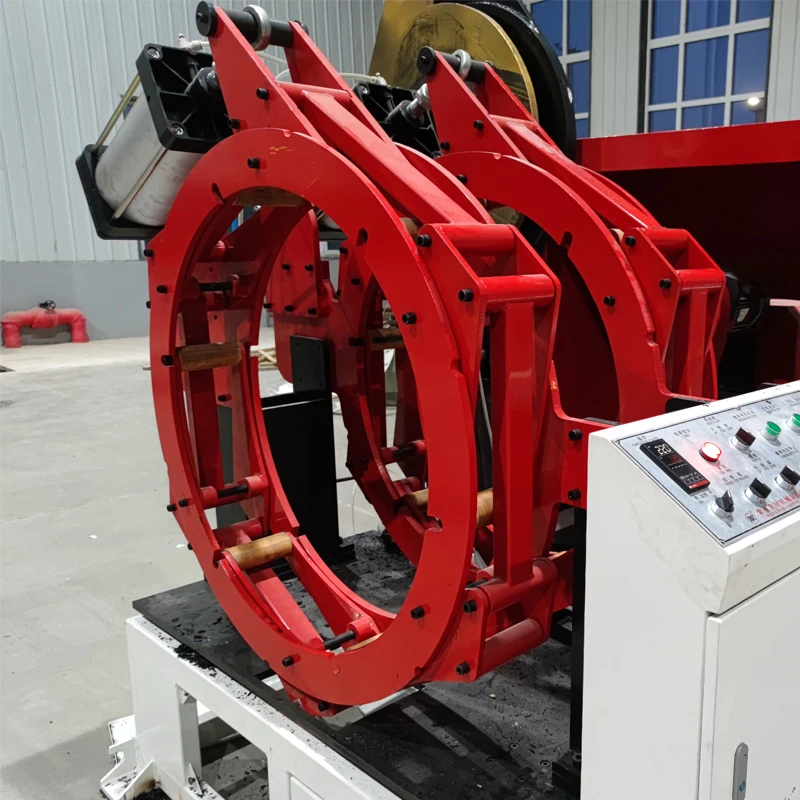
-
Polyethylene Pipe Production Line: Multi-Layer or High-Speed Mesh Configuration?NewsNov.03,2026
-
Comparing High Speed Pipe Extrusion Line Options: HDPE Solid Wall vs. Multi-Model SystemsNewsOct.30,2026
-
Choosing a Composite Pipe Production Line Manufacturer: Application Fit and Specification Checks for Steel Skeleton Reinforced Polyethylene LinesNewsOct.28,2026
-
High Performance PP Extrusion Machine Guide for Plastic ProductionNewsJul.01,2026
-
High Efficiency Industrial Recycled Plastic Extrusion Machine GuideNewsJun.29,2026
-
Optimize Industrial Production with Wire Extrusion MachineNewsJun.27,2026
-
High Precision Extrusion Cutting Machine for Plastic ProductionNewsJun.26,2026


