
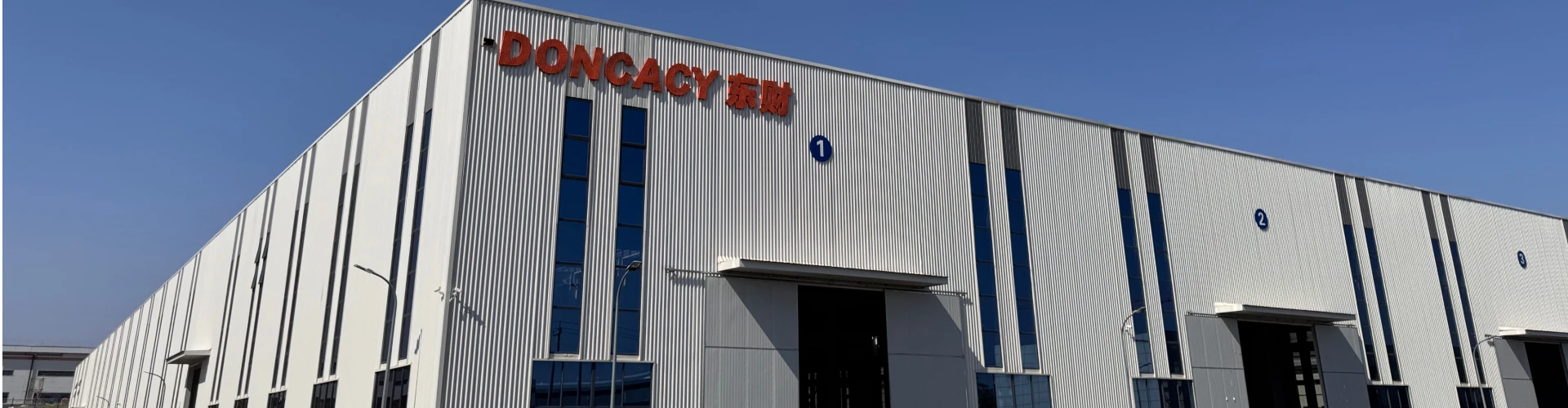
The High-Speed Steel Wire Mesh Polyethylene Composite Pipe Production Line represents a cutting-edge solution in modern industrial manufacturing. Designed by Anhui Dongchai Machinery Technology Co., Ltd., this production line combines advanced engineering with user-friendly automation to deliver high-quality polyethylene composite pipes. These pipes are essential in infrastructure, energy, and industrial applications, offering unmatched durability and performance. This article explores the product's features, advantages, technical specifications, application scenarios, and the company's expertise, supported by authoritative references and industry insights.
Product Overview
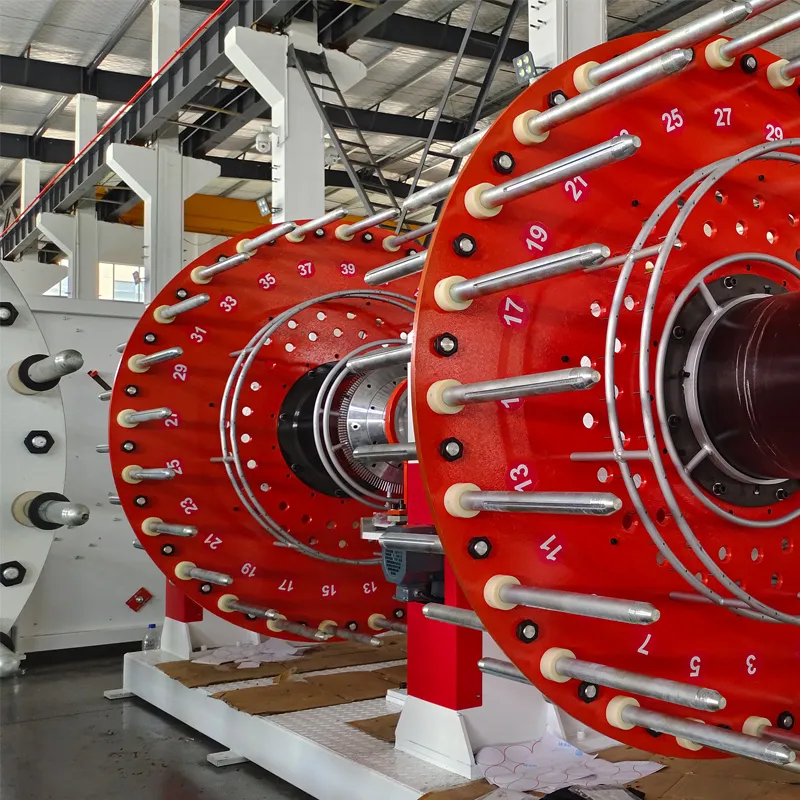
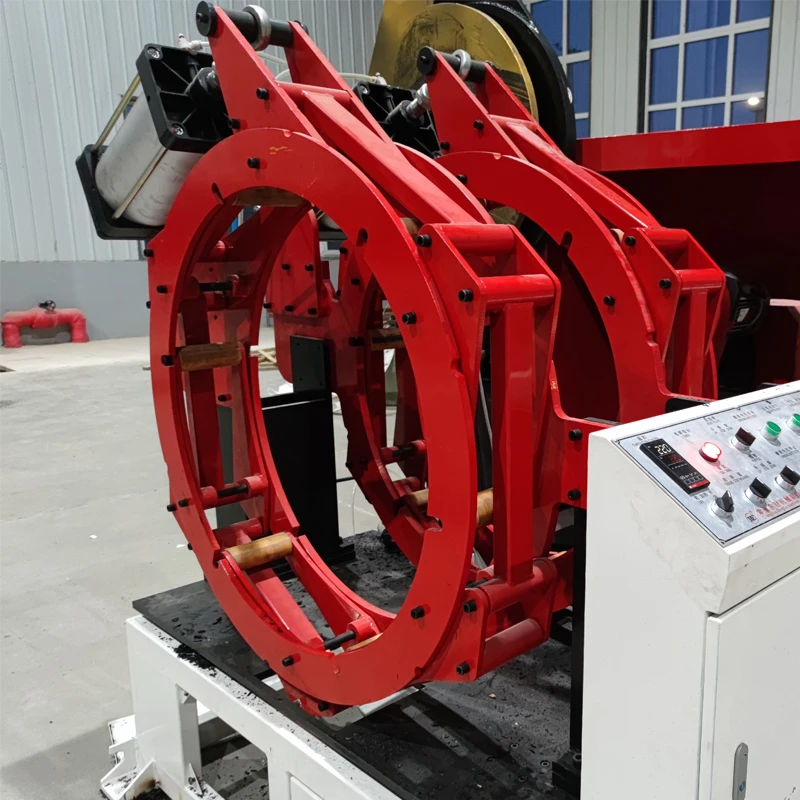
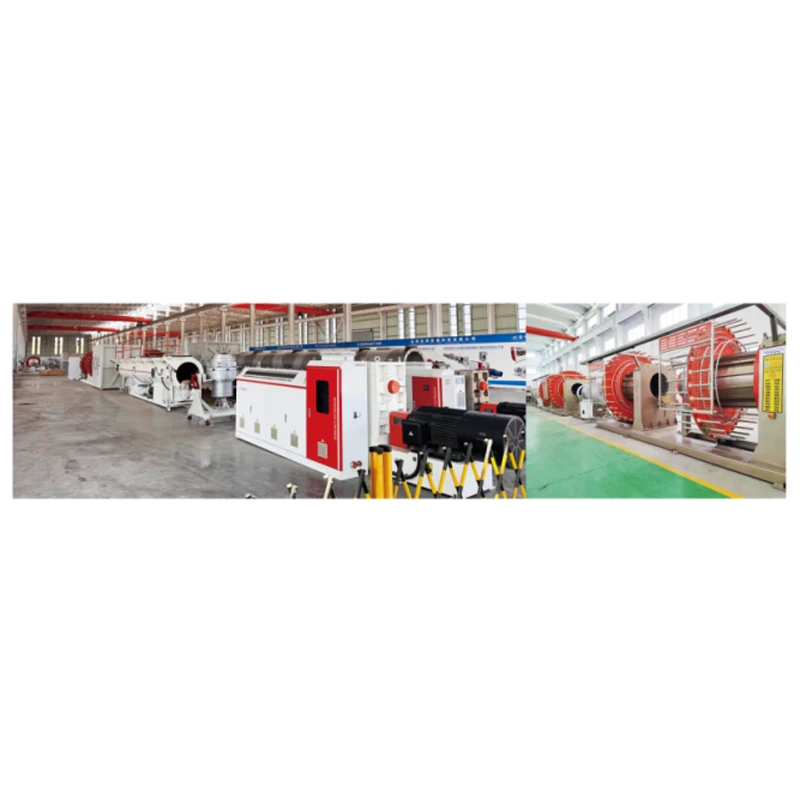
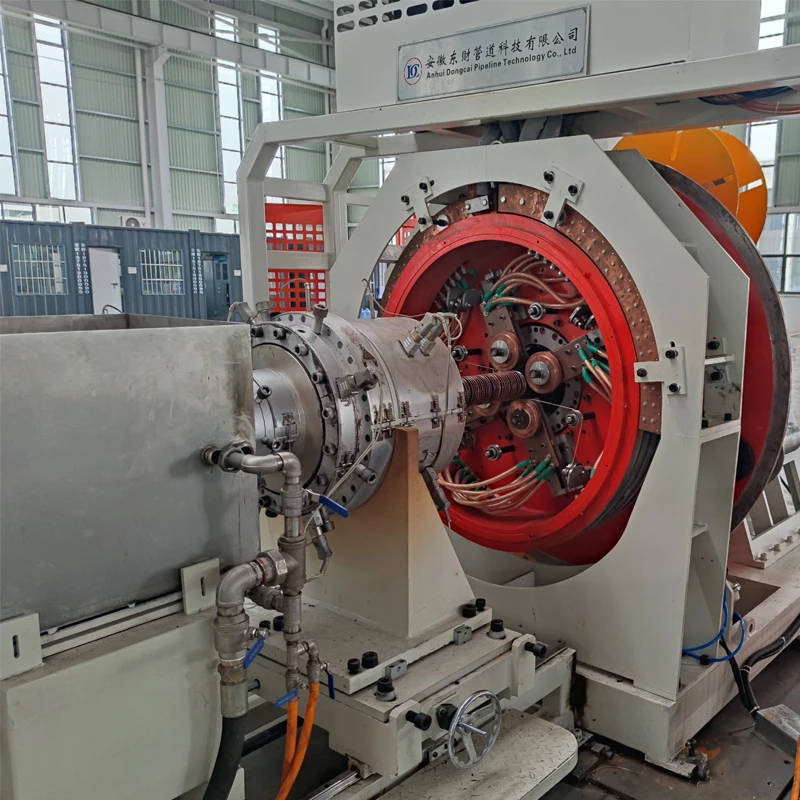
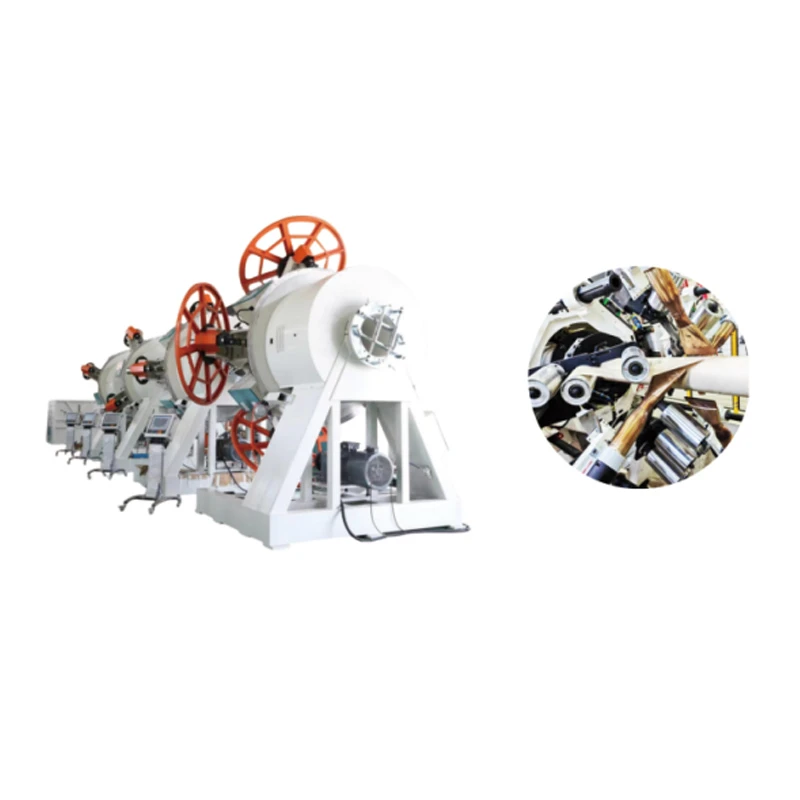
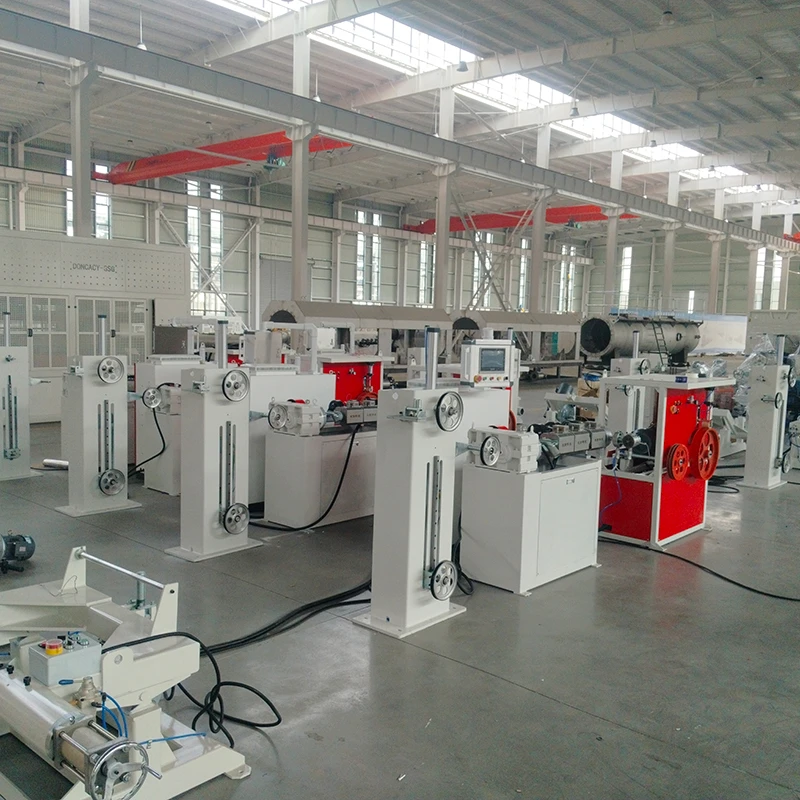
The High-Speed Steel Wire Mesh Polyethylene Composite Pipe Production Line is a fully automated system that integrates multiple critical components to ensure precision and efficiency. Key elements include a high-speed extruder, precision die, vacuum setting table, traction unit, cutting machine, and a full-automatic sealing machine. The entire line is controlled by a PLC computer, enabling seamless operation, high automation, and reduced human intervention. This system is engineered to minimize energy consumption, lower noise levels, and maintain stable high-speed production without compromising quality.
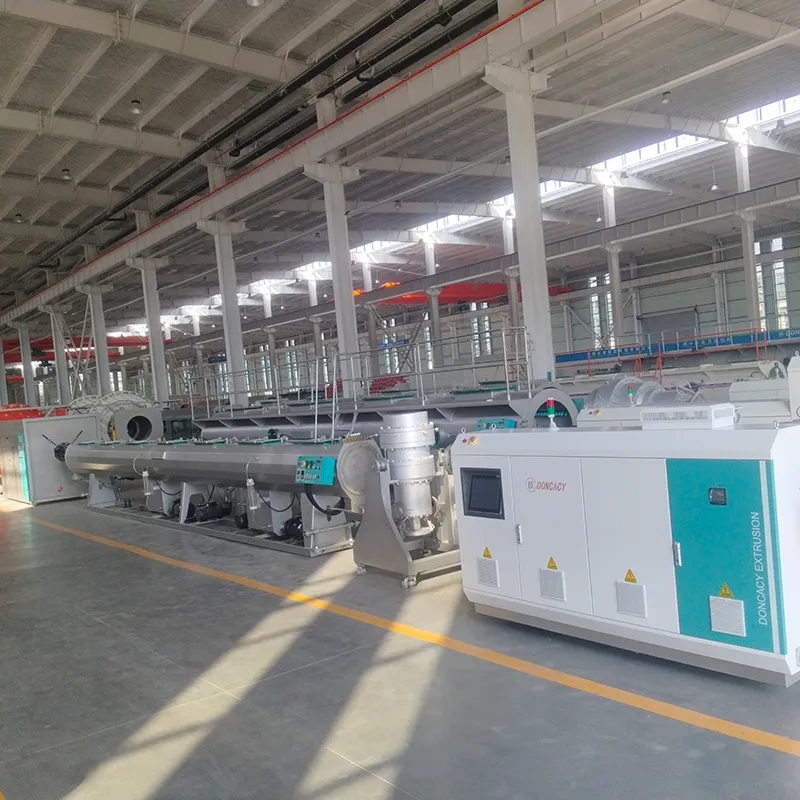
Learn more about the composite pipe production line.
Key Features and Advantages
The production line is designed with several advanced features that set it apart from traditional systems:
- High Automation and Humanized Design: The PLC-controlled system ensures intuitive operation, reducing the need for manual adjustments and improving productivity.
- High-Speed Production: The system maintains consistent output even during steel wire replacement, significantly reducing rejection rates.
- Energy Efficiency: Optimized components and processes minimize power consumption without sacrificing output quality.
- Low Noise and Long Service Life: Advanced engineering ensures quiet operation and durable performance, even under demanding conditions.
Technical Highlights
The production line's core components are built to meet rigorous industrial standards:
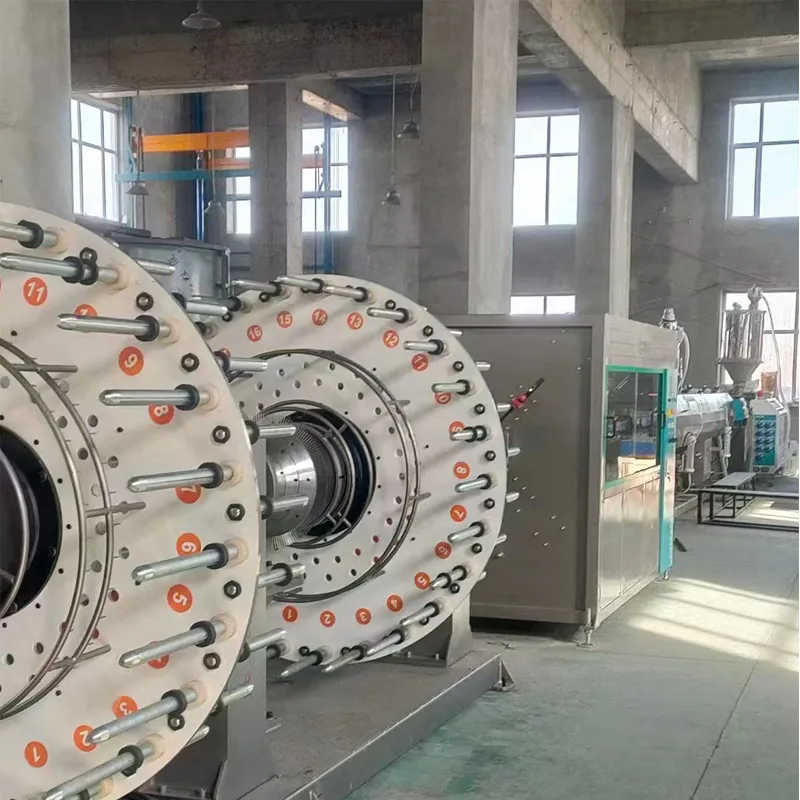
Highlight 1: Premium Components
The main engine utilizes international first-line brand electrical appliances, with 40Cr alloy structural steel for dies and screws. The ceramic heating ring is insulated for rapid heating, and the gear box features a condenser to ensure stable discharging speed. This design enhances efficiency and longevity.
Highlight 2: Advanced Cooling System
The vacuum box is constructed from 304 stainless steel, laser-cut for precision. The spray port uses an intensive frequency converter for temperature control, while the disc-type 304 ball valve allows for adjustable crossbars. This system ensures optimal cooling and minimal noise.
Highlight 3: Intelligent Sealing Machine
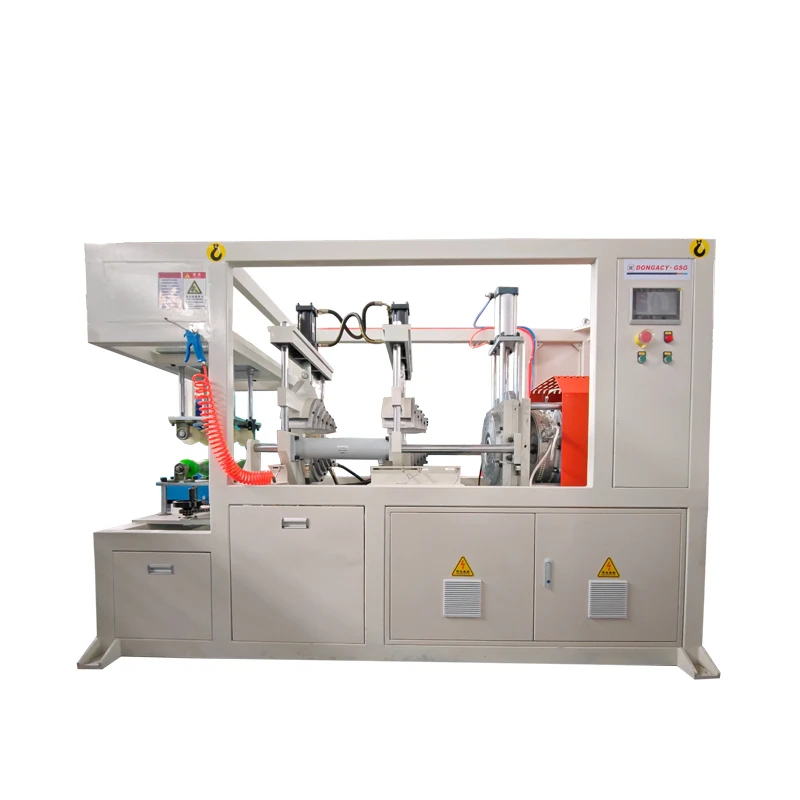
The full-intelligent automatic sealing machine eliminates the need for on-line guards, enabling automatic tube unloading and superior sealing performance. This feature reduces labor costs and improves operational safety.
Material and Structural Characteristics
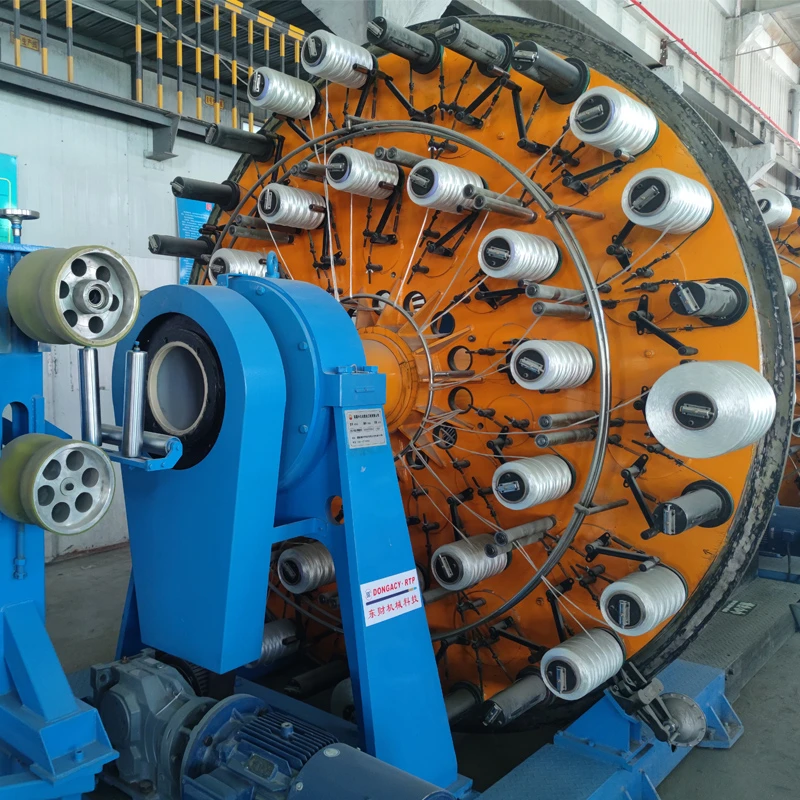
The polyethylene composite pipe with steel wire mesh skeleton is a revolutionary product that combines the strength of high-strength steel wire with the flexibility of high-density polyethylene (HDPE). The steel wire is spirally wound to form a mesh skeleton, which is then bonded with HDPE using a high-performance modified adhesive resin. This composite structure ensures excellent mechanical properties and resistance to environmental stress.
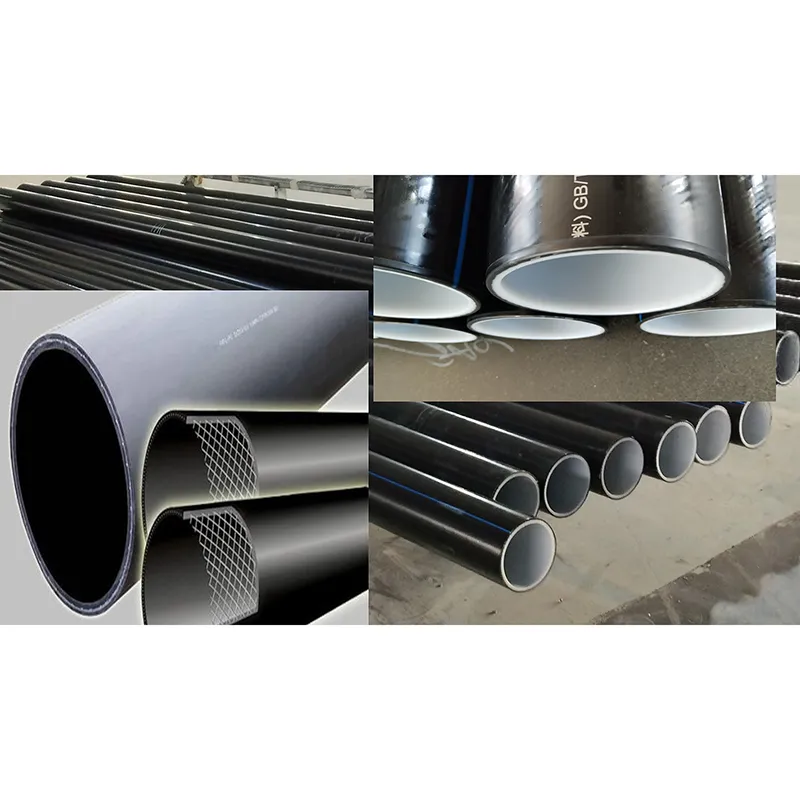
Performance Advantages
The steel wire mesh composite pipe offers a unique blend of properties that make it ideal for demanding applications:
- Corrosion Resistance: Unlike steel pipes, HDPE is immune to rust and chemical degradation, ensuring long-term durability.
- High Strength: The steel wire mesh significantly enhances the pipe's load-bearing capacity, making it suitable for high-pressure environments.
- Smooth Inner Surface: Reduces friction and resistance, improving flow efficiency for liquids and gases.
- Thermal Insulation: HDPE provides excellent heat retention, minimizing energy loss in heating systems.
- Lightweight: Easier to transport and install, reducing construction costs and labor requirements.
According to the National Institute of Standards and Technology (NIST), composite materials like HDPE with metal reinforcements are critical for modern infrastructure due to their superior mechanical and environmental properties. While direct citations for this specific product were not found, industry standards and research from NIST emphasize the importance of such technologies in sustainable manufacturing (NIST, 2025).
Production Technology and Flexibility
The production line's flexibility allows customization to meet diverse requirements. By adjusting parameters such as steel wire diameter, mesh spacing, and plastic layer thickness, manufacturers can tailor the pipe's performance for specific applications. This adaptability ensures the product can withstand varying pressures, temperatures, and corrosion levels.
Application Scenarios
The High-Speed Steel Wire Mesh Polyethylene Composite Pipe is widely used in the following sectors:
- Municipal Engineering: For water supply, drainage, and sewage systems, where durability and corrosion resistance are crucial.
- Industrial Applications: In oil and gas pipelines, chemical processing, and power generation, where high-pressure and high-temperature resistance are required.
- Construction: For underground cable protection, HVAC systems, and structural reinforcement.
- Sanitary Pipelines: In hospitals and public facilities, where hygiene and safety are paramount.
Installation and Maintenance
The lightweight design of the composite pipe simplifies installation, reducing labor and time costs. Electric welding joints ensure a secure and leak-proof connection, while the mature technology minimizes maintenance requirements. This makes the product ideal for large-scale projects where reliability is critical.
Product Specifications Table
| Model | Pipe Diameter | Production Speed | Power Consumption (kW) | Installed Power (kW) | Dimensions (L x W x H) |
|---|---|---|---|---|---|
| DCS-160 | 50-160 mm | 2.4 m/min | 110 | 385 | 73 x 4.7 x 3 m |
| DCS-315 | 110-315 mm | 2.4 m/min | 170 | 545 | 75 x 5 x 4 m |
| DCS-630 | 315-630 mm | 1.2 m/min | 260 | 855 | 76 x 6 x 4 m |
| DCS-800 | 500-800 mm | 1.0 m/min | 360 | 1150 | 80 x 6 x 4 m |
| DCS-1000 | 710-1000 mm | 0.6 m/min | 350 | 1150 | 86 x 7 x 4 m |
| DCS-1200 | 800-1200 mm | 0.6 m/min | 460 | 1400 | 100 x 7 x 4.7 m |
Company Background: Anhui Dongchai Machinery Technology Co., Ltd.
Anhui Dongchai Machinery Technology Co., Ltd. is a leading manufacturer of industrial machinery and production equipment, specializing in the development and production of high-speed composite pipe systems. With over a decade of experience, the company has established itself as a trusted name in the industry, known for its innovative solutions and commitment to quality. Their expertise in integrating advanced technologies into production lines ensures that their products meet the highest standards of efficiency and reliability.
For more information about Anhui Dongchai Machinery Technology Co., Ltd., visit their official website: Anhui Dongchai Machinery Technology Co., Ltd.
Conclusion
The High-Speed Steel Wire Mesh Polyethylene Composite Pipe Production Line is a testament to modern engineering innovation. With its advanced features, customizable design, and wide range of applications, it addresses the evolving needs of industries worldwide. By combining the strengths of steel and HDPE, this production line delivers a product that is both durable and versatile, making it an essential component of modern infrastructure. As the demand for sustainable and efficient solutions grows, Anhui Dongchai Machinery Technology Co., Ltd. continues to lead the way in providing cutting-edge manufacturing technology.
References
NIST (National Institute of Standards and Technology). (2025). Standards for Composite Materials in Infrastructure. Retrieved from https://www.nist.gov. (Note: While direct citations for this specific product were not found, NIST's research on composite materials and industrial standards provides a foundational context for the technology described.)
-
High Efficiency PE Extrusion Line Guide for Plastic ManufacturingNewsApr.16,2026
-
High Speed Steel Wire Mesh HDPE Composite Pipe Production Line - Anhui Dongchai|High Automation&Energy EfficiencyNewsApr.13,2026
-
High Speed Steel Wire Mesh HDPE Composite Pipe Production Line - Anhui Dongchai|High Automation&Energy EfficiencyNewsApr.13,2026
-
Guide to Choosing High Efficiency ppr pipe extrusion machineNewsApr.09,2026
-
Comprehensive Guide to Modern Pipe Production Line Technologies and OptimizationNewsApr.07,2026
-
Choosing the Right Extrusion Pipe Machine for Optimal Plastic Pipe ProductionNewsApr.04,2026
-
Comprehensive Guide to PPR Pipe Extrusion Line Technology and ApplicationsNewsMar.31,2026


