
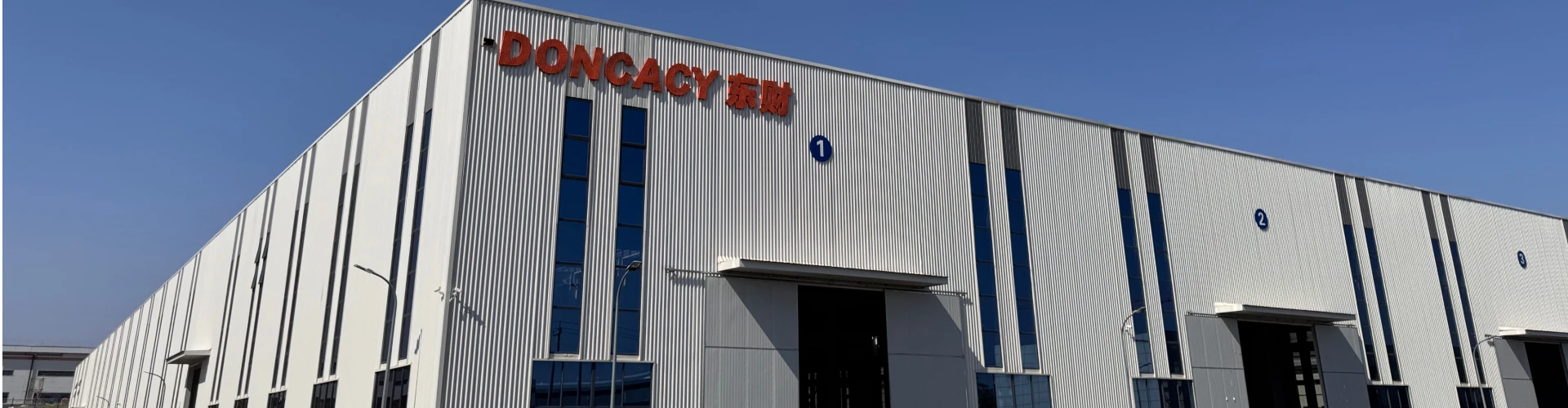
Pvc Production Line is a key solution in the industry, specifically within manufacturing sectors that demand precision and reliability. This article explores how https://www.ahdc11.com supports professionals with durable, high-performance products, and explains why this product is an ideal choice for businesses in these sectors.
Table of Contents
- Pvc Production Line Overview
- Benefits & Use Cases of Pvc Production Line
- Cost, Maintenance & User Experience
- Sustainability & Market Trends
- Frequently Asked Questions about Pvc Production Line
- Conclusion on Pvc Production Line from China
Pvc Production Line Overview
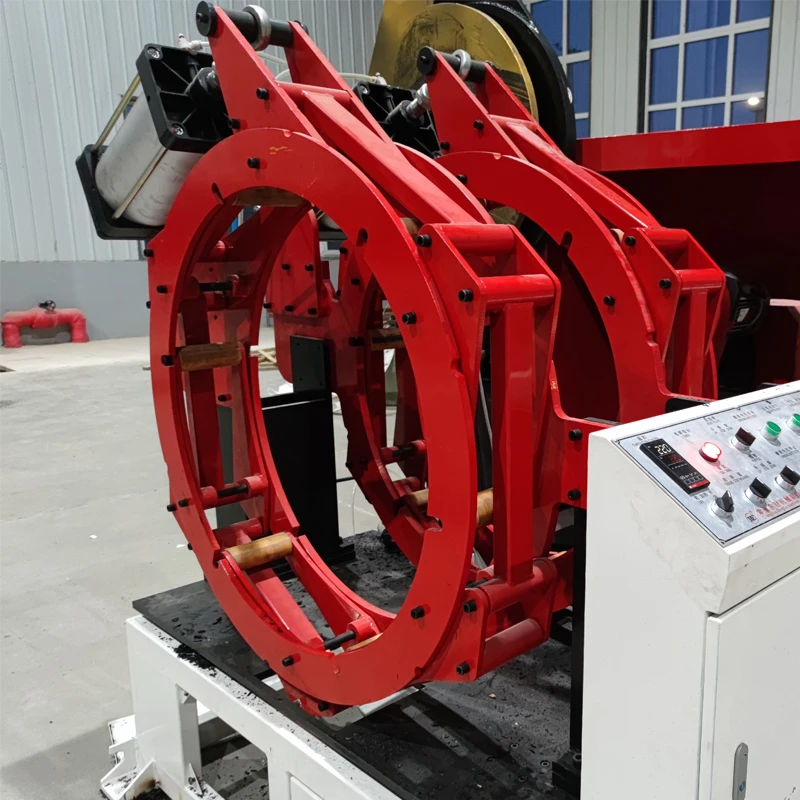
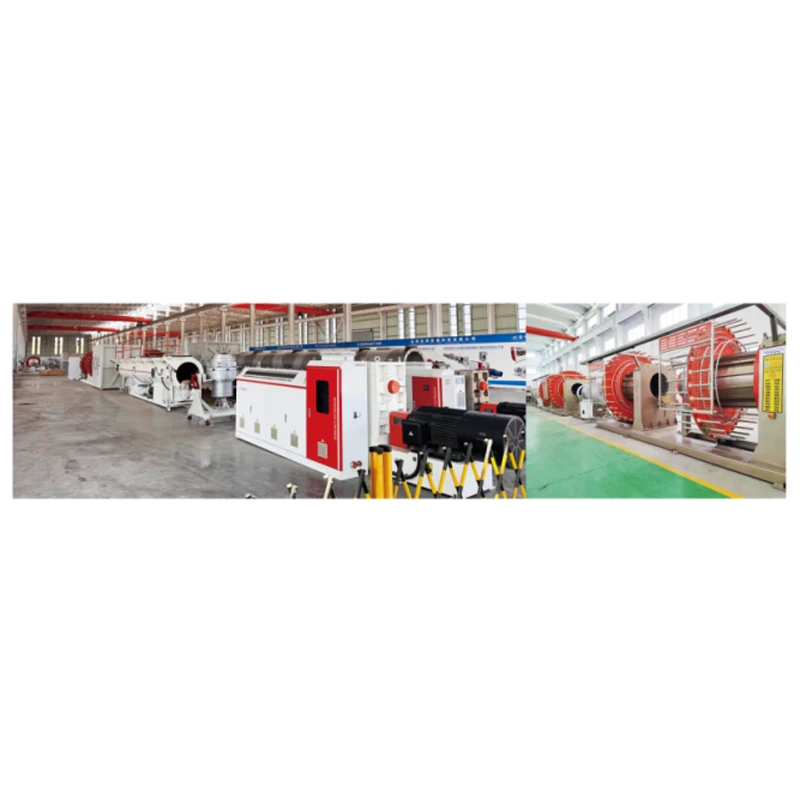
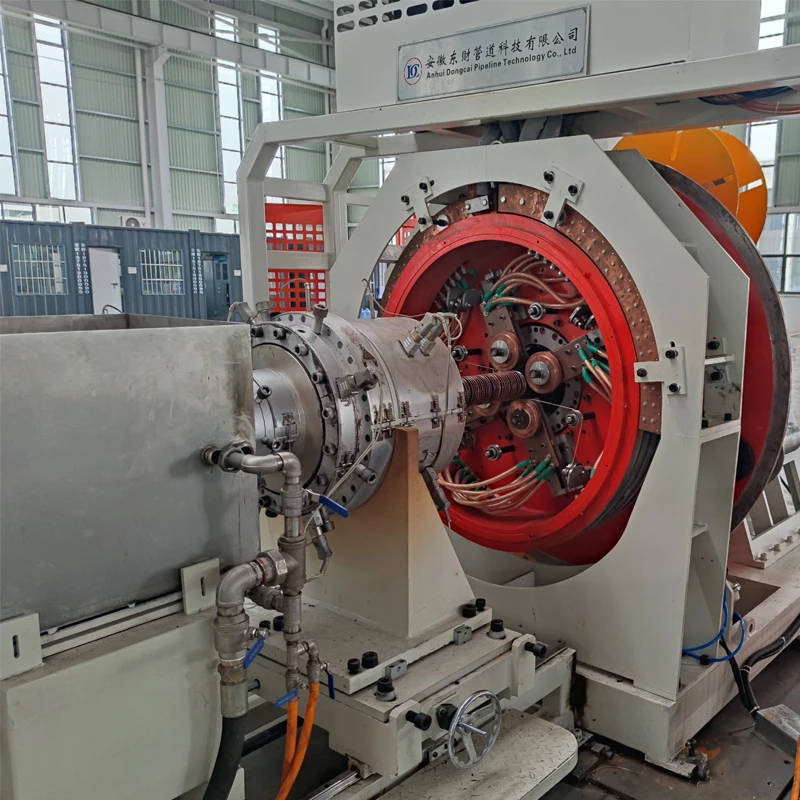
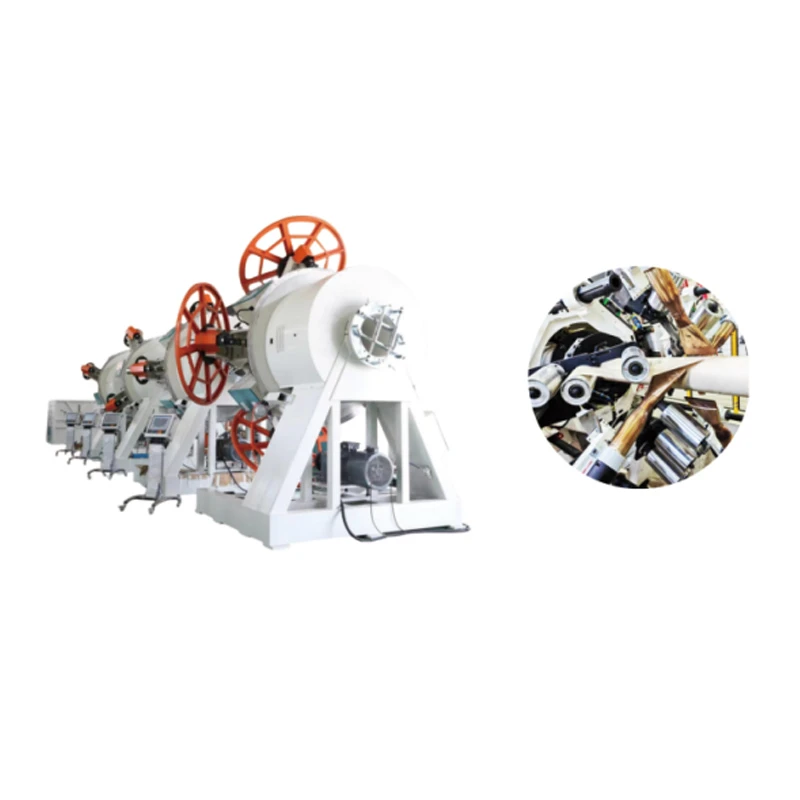
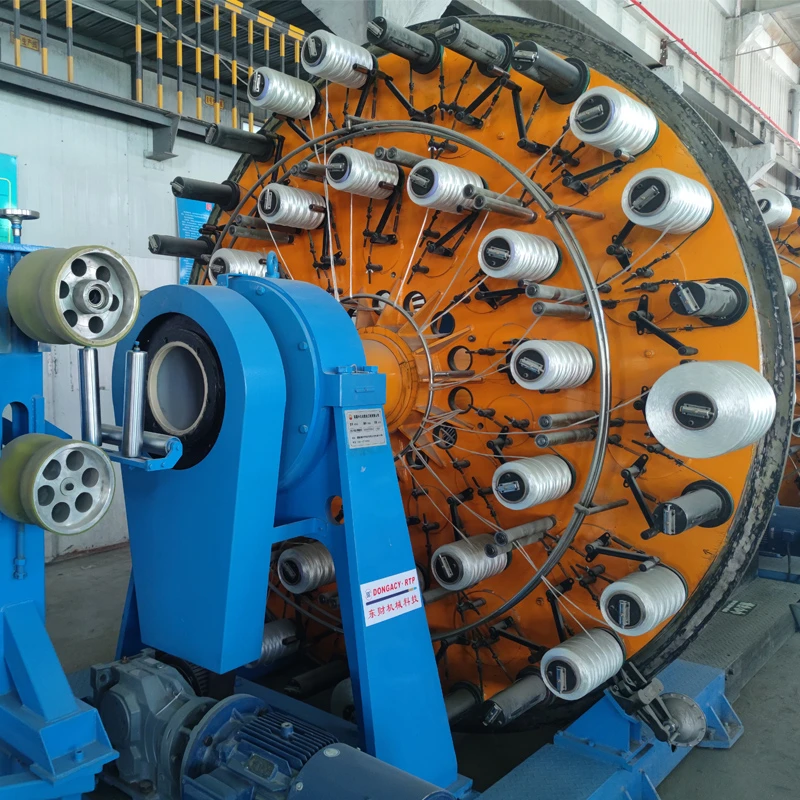
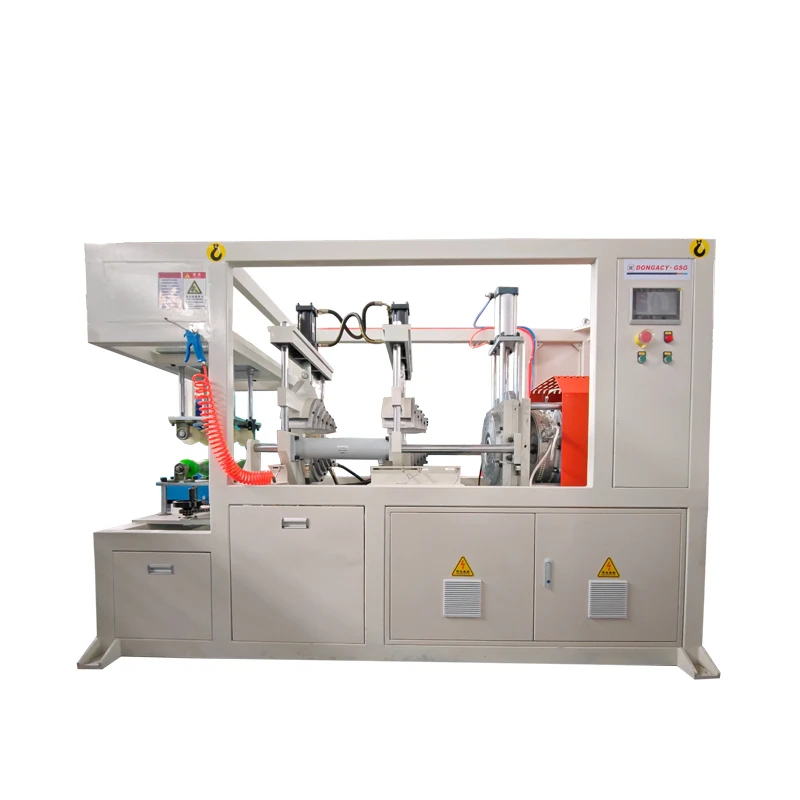
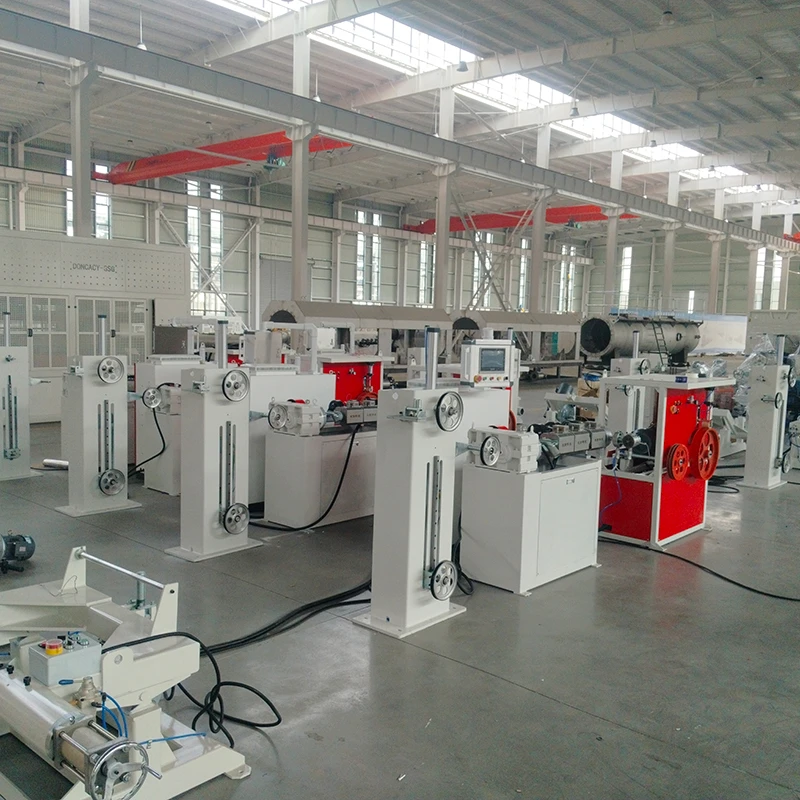
At its core, a Pvc Production Line is an integrated set of machinery and technology designed to manufacture PVC (polyvinyl chloride) products efficiently. It combines processes like plasticizing raw materials, extrusion, cooling, and cutting into a streamlined workflow. These lines are the backbone of industries such as construction (think piping, window profiles), packaging, and even automotive components.
Technically speaking, the line typically includes a twin-screw extruder that ensures thorough mixing of PVC resins with additives, stabilizers, and fillers. Mixing quality is paramount — many engineers I’ve spoken with say it’s what separates good from excellent output. The cooling tanks and take-up units control dimensional accuracy and surface finish, critical for downstream processing.
| Specification | Details |
|---|---|
| Extruder Type | Twin-screw / Single-screw options |
| Production Capacity | 200–1000 kg/hr (customizable) |
| Film or Profile Width | Up to 1,500 mm |
| Control System | PLC with touchscreen interface |
| Power Consumption | Approx. 60 kW (varies by model) |
Benefits & Use Cases of Pvc Production Line
When you look at the benefits, the PVC production line’s versatility really jumps out. Frankly, it’s not just about speed; it’s about consistency and product quality. For sectors like building materials, the line produces pipes and window profiles that must meet stringent durability and dimensional standards. The same applies in packaging where uniform film thickness can make or break product integrity.
One thing I often notice is how customizable these lines are — manufacturers can tweak extrusion parameters and cooling speeds to get just the right properties like flexibility or hardness. Plus, the automated control systems reduce operational errors, so it’s almost like having a highly skilled operator constantly monitoring the process.
Many clients appreciate the quick changeover capabilities, meaning different products or colors can be run without lengthy downtime. Oddly enough, this adaptability keeps production cycles tight, essential in fast-moving markets.
Cost, Maintenance & User Experience
Let’s talk cost — a tough but crucial topic. Yes, initial investment in a PVC production line can be significant. However, return on investment (ROI) usually becomes very clear within a couple of years, especially when factoring in reduced wastage and lower labor costs due to automation. Durable parts and industrial-grade components mean fewer breakdowns.
On the maintenance side, many operators I've spoken to note that straightforward design and accessible components reduce downtime. Scheduled maintenance is simplified too, thanks to modular parts that can be swapped without stopping the whole line. This really helps keep productivity high.
User feedback from clients, including those in Asia and Europe, repeatedly highlights the intuitive nature of control systems. Training times are shorter, and real-time data helps operators troubleshoot quickly. That said, it always pays to invest in good after-sale support — a little downtime can be costly, so picking a reliable vendor matters.
Sustainability & Market Trends
Sustainability in PVC production is a growing focus — no surprise there given global regulatory pressure and consumer awareness. Modern PVC production lines incorporate energy-saving designs and often support recycling of scrap materials back into the process, reducing waste.
Industry trends also lean toward smarter production lines integrated with IoT sensors for real-time monitoring and optimization. This reduces downtime and energy consumption, while improving product quality. Looking forward, I suppose embracing these technologies isn’t just an option, but a necessity.
All that aligns well with market growth forecasts; despite challenges, PVC demand in industries like healthcare and automotive remains robust due to its versatile properties. So, investing in an advanced PVC production line not only meets current needs but also positions companies for future resilience.
| Vendor | Quality | Customization | After-Sales Support | Pricing |
|---|---|---|---|---|
| AHDC11 (https://www.ahdc11.com) | High - ISO certified | Extensive | 24/7 technical support | Competitive |
| Competitor A | Medium | Limited | Business hours only | Higher |
| Competitor B | High | Moderate | Limited weekend support | Premium |
Frequently Asked Questions about Pvc Production Line
- What is Pvc Production Line and how does it work?
- Simply put, a PVC production line is machinery designed to process raw PVC resin and additives into finished plastic products through extrusion, cooling, and cutting steps. The line works by melting and mixing materials, shaping them into forms, then cooling and cutting to specs.
- What are the main benefits of using Pvc Production Line in industrial applications?
- Benefits include high efficiency, consistent product quality, reduced waste through automation, and flexibility to manufacture diverse PVC products with tight tolerances.
- How does Pvc Production Line compare to traditional alternatives?
- Compared to older batch processing methods, these lines offer continuous production, better process control, and often lower labor costs. Technological advances translate into superior efficiency and scalability.
- What industries can benefit most from Pvc Production Line implementation?
- Leading sectors include construction (pipes, window profiles), packaging films, automotive parts, and medical equipment components—basically anywhere durable, versatile plastics are essential.
Conclusion on Pvc Production Line from china
To sum it up, investing in a Pvc Production Line from a reputable supplier like AHDC11 means you’re gaining access to tested technology that balances cost, performance, and future-readiness. Whether your business aims to streamline existing production or enter new markets with custom products, such lines deliver real value — and frankly, it’s a smarter way forward in plastic manufacturing.
- Recap the value of Pvc Production Line.
- - Visit our website: https://www.ahdc11.com
-
High Efficiency PE Extrusion Line Guide for Plastic ManufacturingNewsApr.16,2026
-
High Speed Steel Wire Mesh HDPE Composite Pipe Production Line - Anhui Dongchai|High Automation&Energy EfficiencyNewsApr.13,2026
-
High Speed Steel Wire Mesh HDPE Composite Pipe Production Line - Anhui Dongchai|High Automation&Energy EfficiencyNewsApr.13,2026
-
Guide to Choosing High Efficiency ppr pipe extrusion machineNewsApr.09,2026
-
Comprehensive Guide to Modern Pipe Production Line Technologies and OptimizationNewsApr.07,2026
-
Choosing the Right Extrusion Pipe Machine for Optimal Plastic Pipe ProductionNewsApr.04,2026
-
Comprehensive Guide to PPR Pipe Extrusion Line Technology and ApplicationsNewsMar.31,2026


