
Revolutionizing Infrastructure: The composite pipe production line Driving Sustainable Development
In the rapidly evolving landscape of modern infrastructure, the demand for resilient, cost-effective, and environmentally sustainable piping solutions has never been higher. Traditional metal and concrete pipes often fall short in demanding applications due to issues such as corrosion, scaling, and high maintenance costs. This has spurred a significant shift towards advanced composite materials, with polyethylene (PE) pipes reinforced with steel skeletons emerging as a leading alternative. These innovative pipes combine the superior chemical resistance and flexibility of PE with the high strength and pressure bearing capacity of steel, offering an unparalleled solution for diverse industrial needs. The market trend clearly indicates a growing adoption of composite piping systems, driven by their extended service life, reduced installation complexities, and overall lower lifecycle costs. This technological paradigm shift underscores the critical role of sophisticated manufacturing capabilities, particularly the composite pipe production line, in meeting global infrastructure requirements. As industries worldwide seek more robust and efficient fluid transfer systems, understanding the intricacies of these production lines becomes paramount for B2B decision-makers and technical procurement specialists aiming to invest in cutting-edge pipe manufacturing technology.
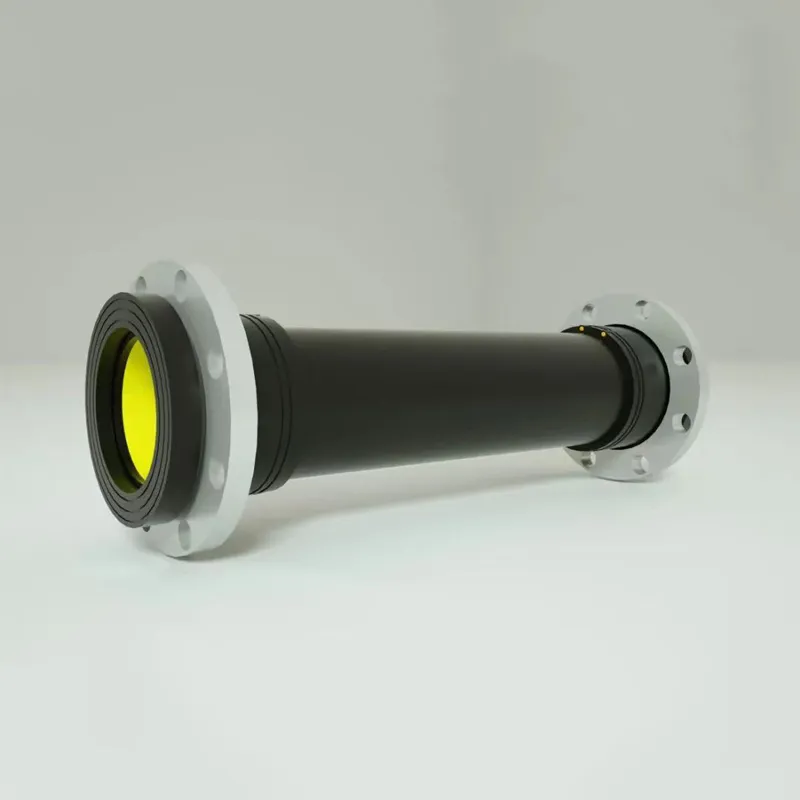
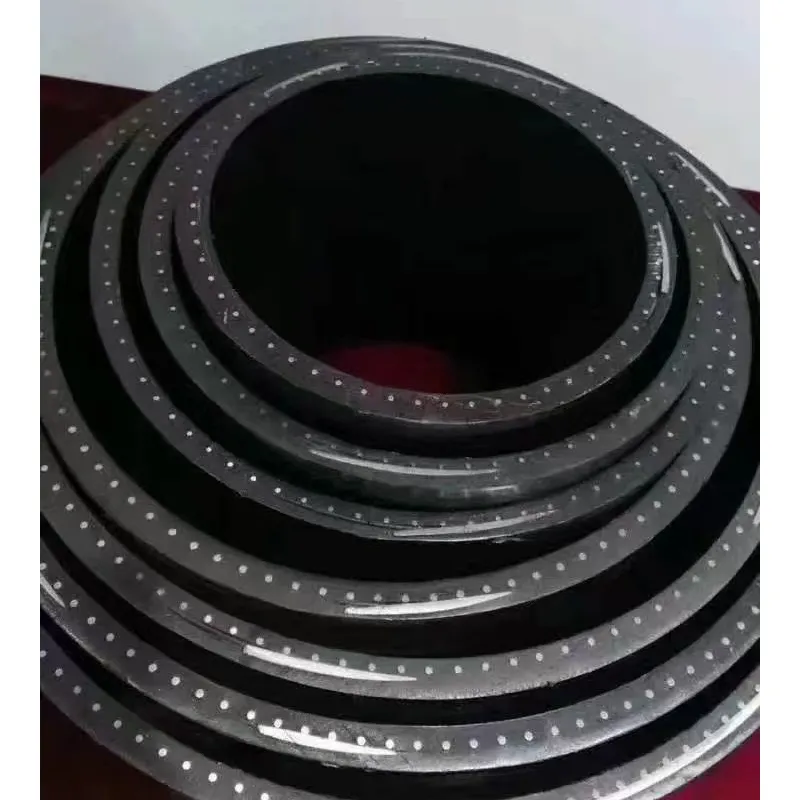
The Steel Skeleton Reinforced Polyethylene Composite Pipe, produced on a dedicated composite pipe production line, represents a leap forward in pipe engineering. This product is distinctively characterized by a high-strength steel wire mesh embedded within a polyethylene matrix, forming a composite structure that leverages the best properties of both materials. The steel skeleton provides exceptional axial and hoop strength, allowing the pipe to withstand higher internal pressures and external loads compared to conventional plastic pipes. Concurrently, the HDPE (High-Density Polyethylene) layers provide excellent corrosion resistance against a wide range of chemicals, abrasives, and biological agents, ensuring long-term integrity even in aggressive environments. This synergy results in pipes that are not only durable but also lightweight, flexible, and significantly easier to install. The advanced manufacturing processes employed on these lines guarantee a homogenous bond between the steel and PE layers, preventing delamination and ensuring structural stability throughout the pipe's projected service life, typically exceeding 50 years under standard operating conditions. Such longevity significantly reduces the total cost of ownership (TCO) for large-scale industrial and municipal projects.
In-Depth Look at the Steel Skeleton Reinforced Polyethylene Composite Pipe Production Line Process
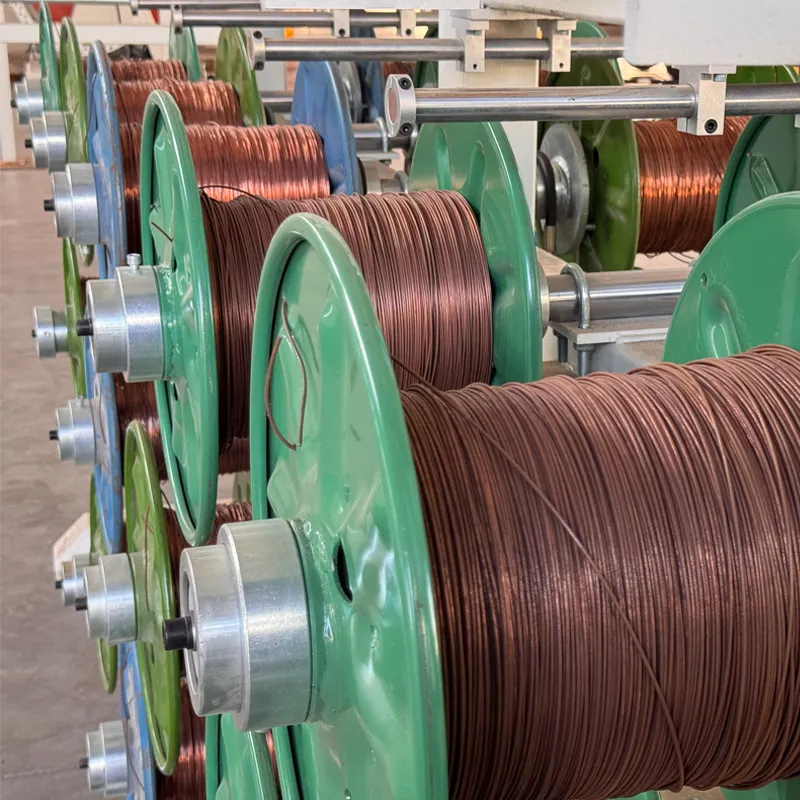
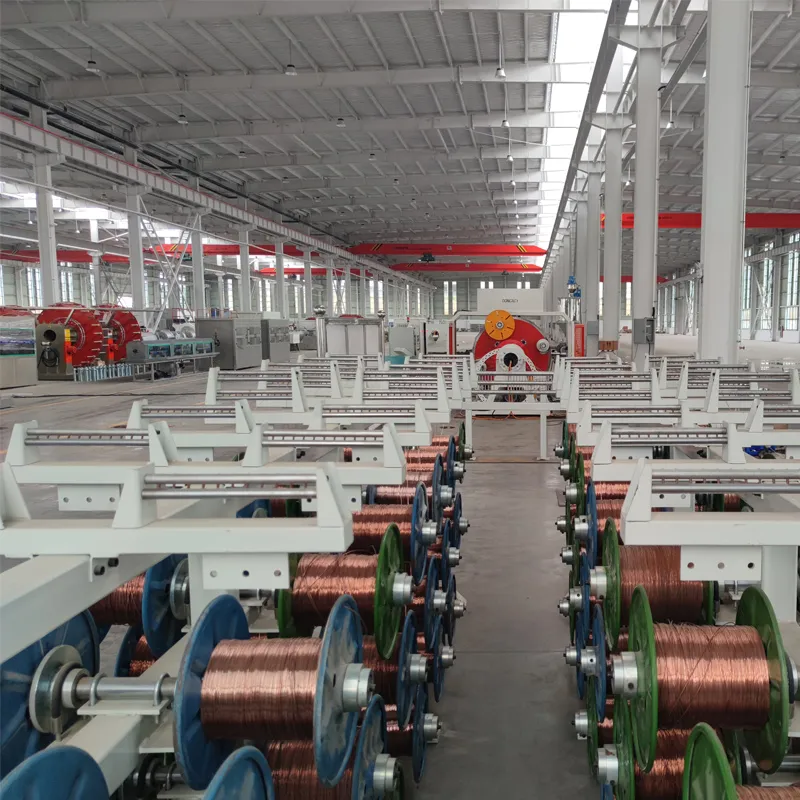
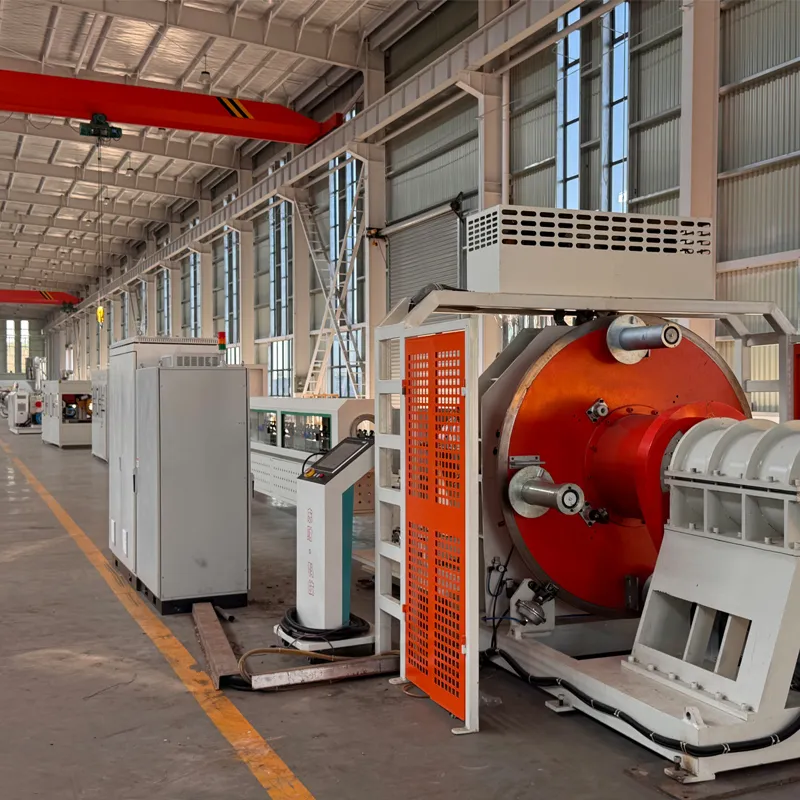
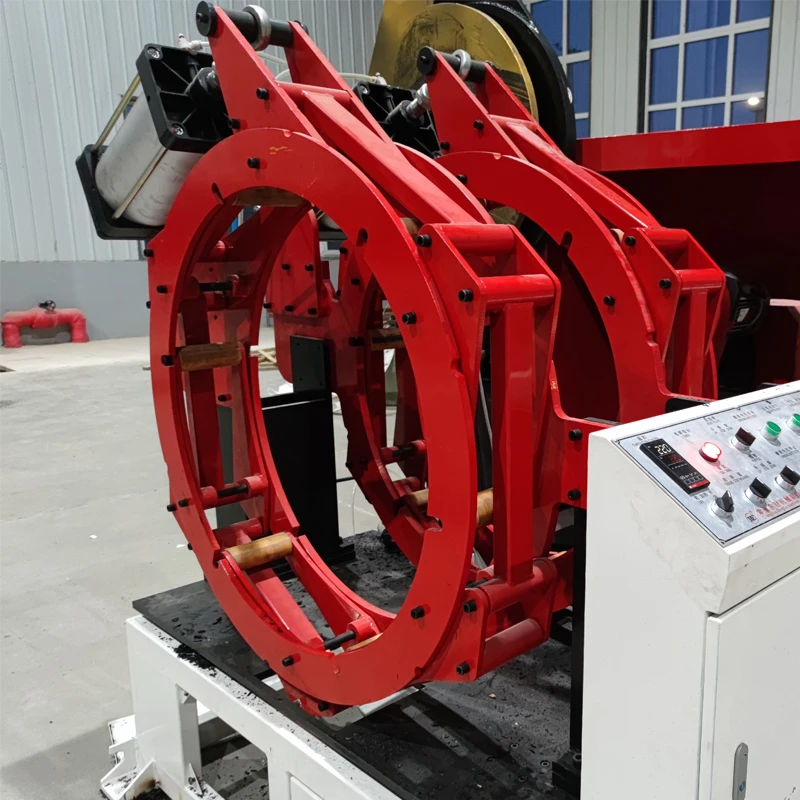
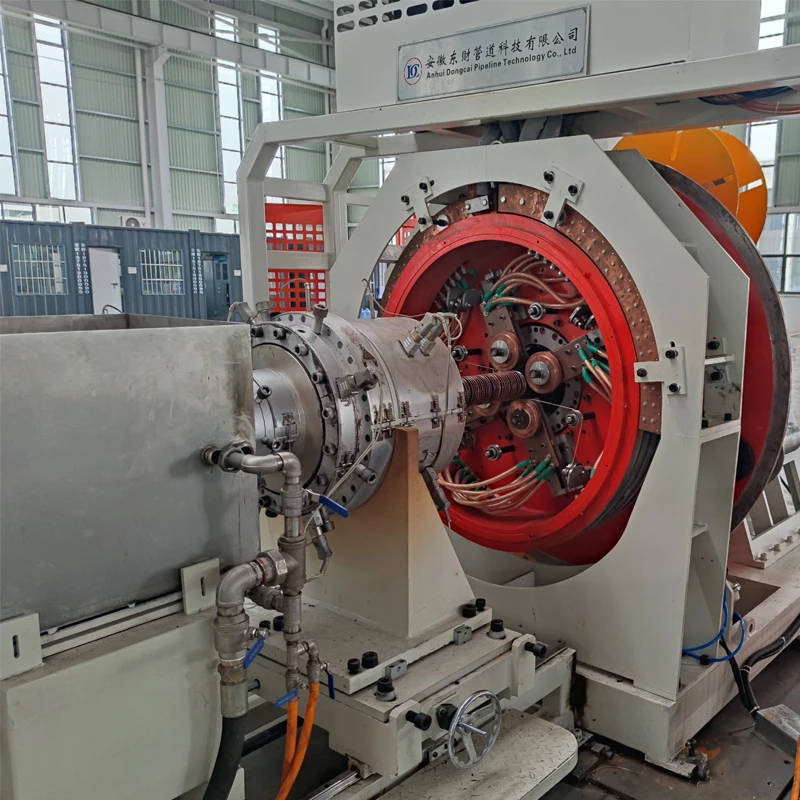
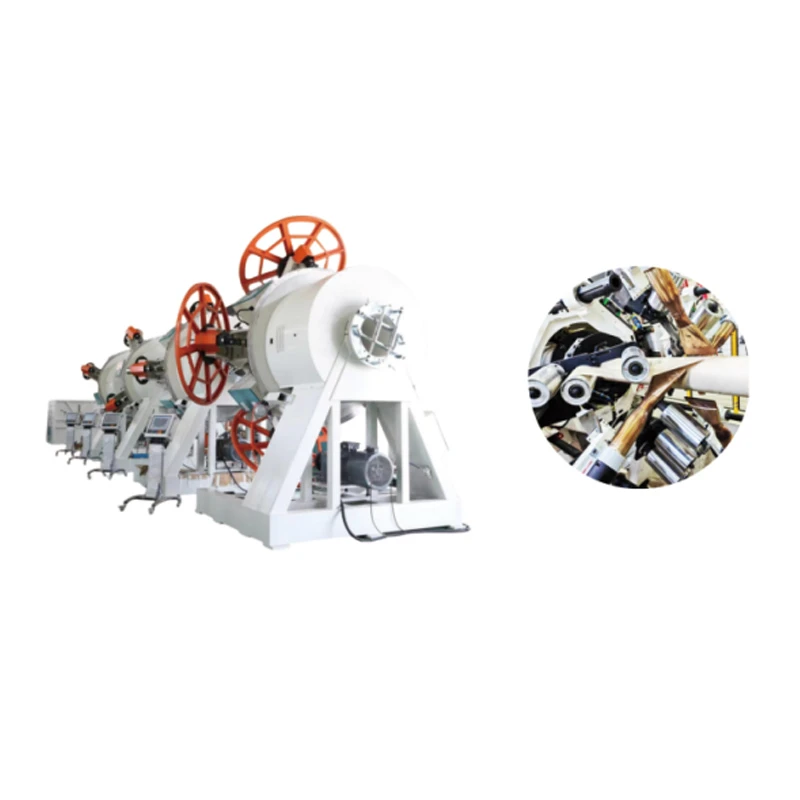
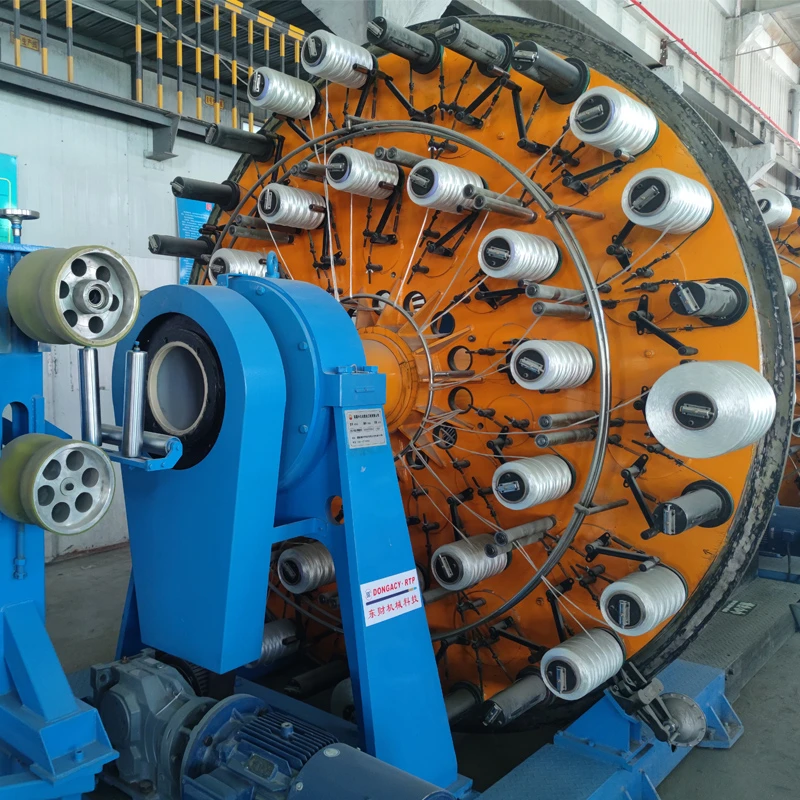
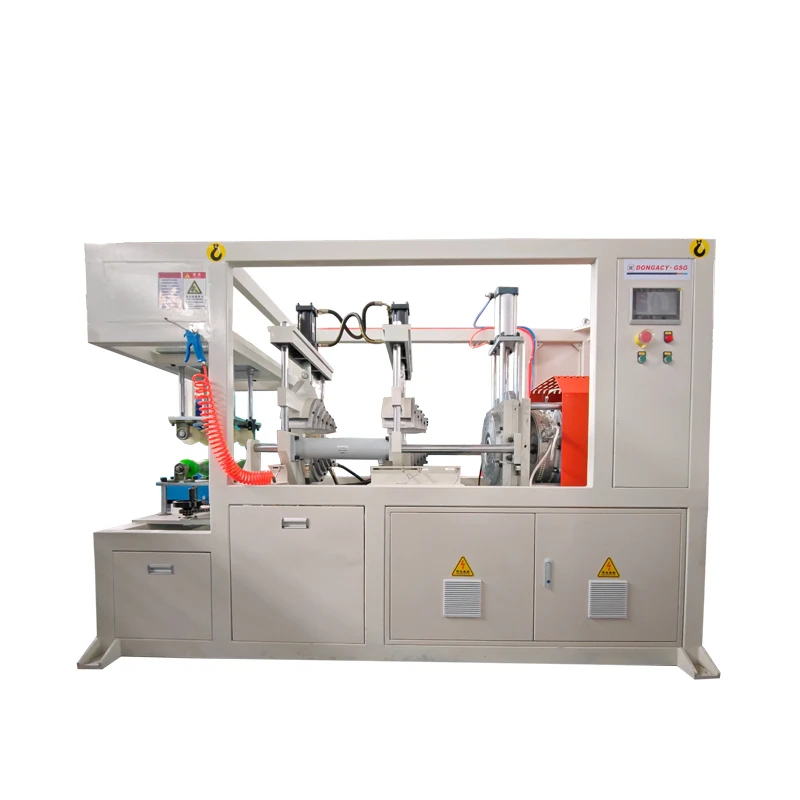
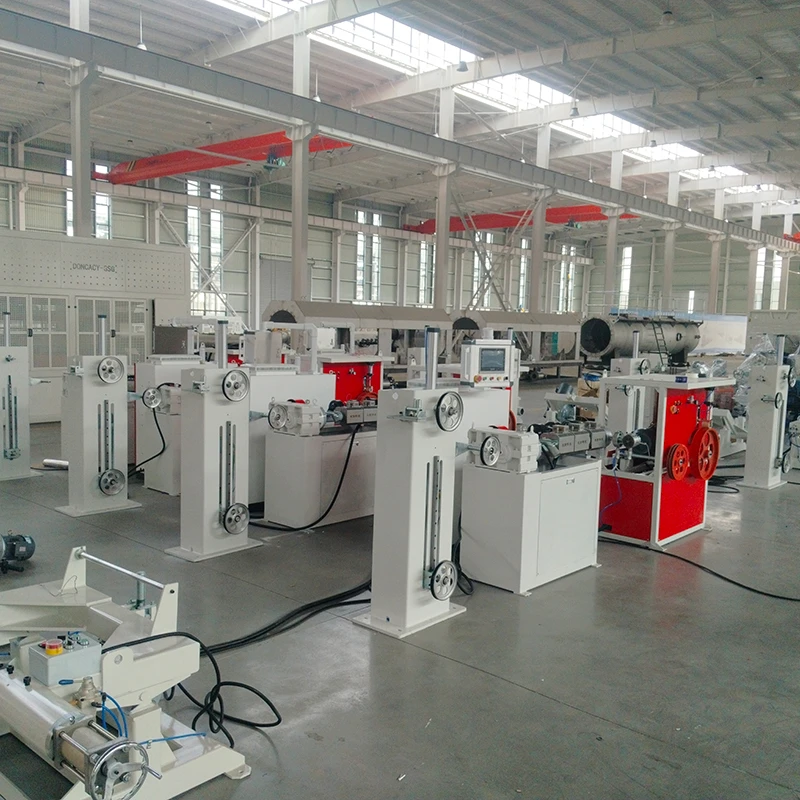
The manufacturing of Steel Skeleton Reinforced Polyethylene Composite Pipes on a dedicated composite pipe production line involves a meticulously orchestrated multi-stage extrusion and winding process, ensuring the robust integration of steel and polymer components. The initial stage begins with the precision unwinding and shaping of high-strength carbon steel wire to form the reinforcing skeleton. This skeleton is then preheated to an optimal temperature, crucial for enhancing adhesion with the subsequent molten polyethylene. Simultaneously, high-quality HDPE resin, typically PE100 grade for superior performance, is fed into specialized extruders. The internal layer of polyethylene is extruded first, enveloping the preheated steel skeleton. Immediately following this, the steel skeleton is precisely wound into the molten inner PE layer at a controlled tension and pitch, ensuring optimal integration and alignment within the pipe structure. This critical step, often referred to as spiral winding or reinforcement embedding, is pivotal for the pipe's mechanical strength. The entire process is continuously monitored by advanced control systems, maintaining strict adherence to critical parameters such as temperature, pressure, and winding speed.
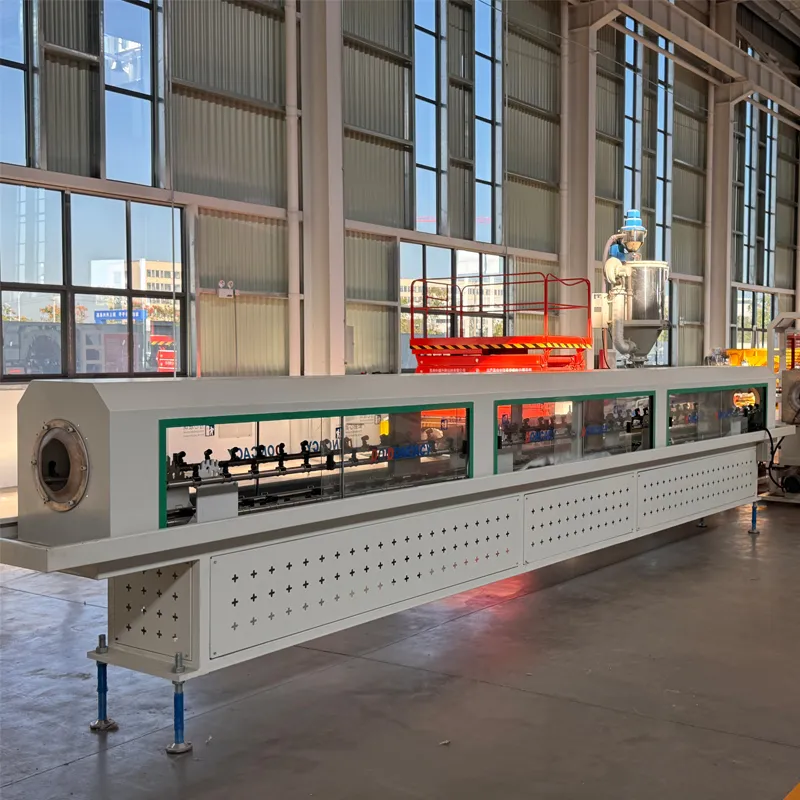
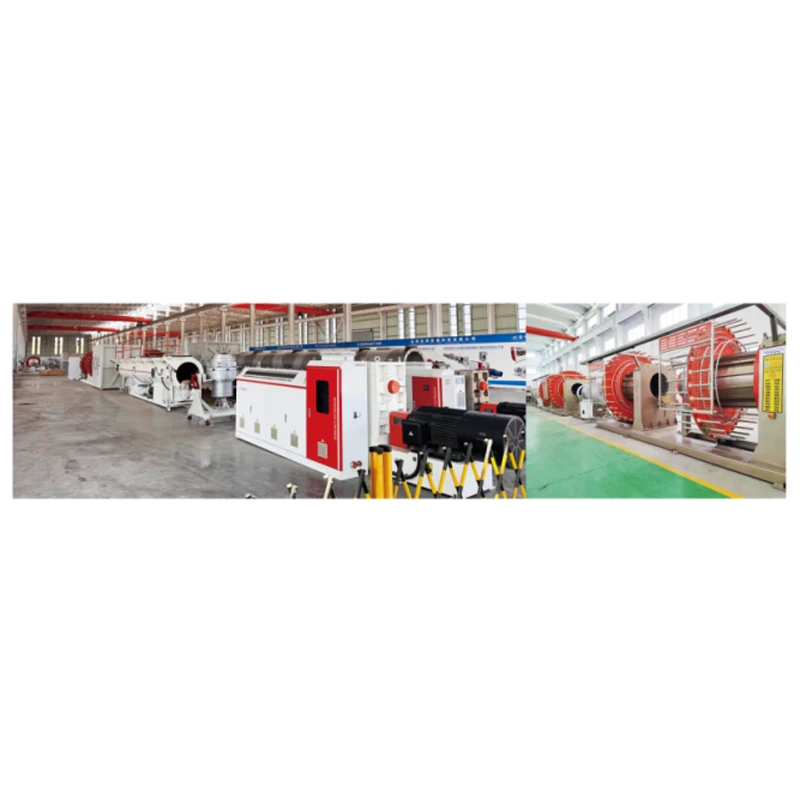
Following the embedding of the steel skeleton, the external layer of HDPE is co-extruded onto the pipe. This co-extrusion process ensures a seamless bond between the outer PE layer and the inner composite structure, providing enhanced protection against external damage and environmental degradation. The entire pipe then passes through a series of vacuum calibration tanks, where precise pipe dimensions (outer diameter and wall thickness) are achieved and maintained through controlled cooling. This calibration is critical for meeting international standards like ISO 4427 or ASTM F714. Subsequent cooling sections progressively solidify the pipe, preparing it for the hauling unit, which maintains a constant pull force to ensure dimensional stability. Finally, the finished pipe undergoes automated cutting to predetermined lengths, or for smaller diameters, it can be coiled. Each segment or coil is subjected to rigorous quality control checks, including ultrasonic wall thickness measurement, visual inspection for surface defects, and hydrostatic pressure testing to verify burst strength and integrity. Adherence to these strict manufacturing and testing protocols ensures that pipes from a composite pipe production line consistently meet or exceed industry benchmarks for durability, performance, and safety, making them ideal for critical applications in sectors such as petrochemical, metallurgy, and water supply and drainage systems.
Technical Parameters and Specifications of a High-Performance Production Line
A state-of-the-art Steel Skeleton Reinforced Polyethylene Composite Pipe Production Line is engineered for precision, efficiency, and reliability, offering a wide range of technical specifications to meet diverse manufacturing requirements. Key parameters include the pipe diameter range, which typically spans from DN50 to DN1200, allowing for versatile production capabilities from small distribution lines to large-scale transmission pipelines. The line's maximum output speed can vary significantly based on pipe size and wall thickness, with advanced systems achieving impressive rates of up to 10 meters per minute for smaller diameters, translating to substantial daily production volumes. Power consumption is optimized through energy-efficient extruders and motors, reducing operational costs. The line is designed to process various grades of HDPE, including PE80 and PE100, ensuring compatibility with different application pressures and environmental conditions. Pressure ratings for the finished pipes can range from PN0.6 to PN4.0 MPa (6 to 40 bar), significantly higher than standard HDPE pipes, making them suitable for high-pressure fluid transfer. Each component, from the gravimetric dosing system for raw material precise feeding to the advanced PLC control system, is designed to ensure consistent product quality and operational stability.
Below is a typical table illustrating the technical parameters of a high-capacity composite pipe production line, providing a clear overview for potential investors and technical stakeholders. These parameters are crucial for assessing the line's capacity, flexibility, and suitability for specific project demands. Understanding these technical nuances allows businesses to project return on investment (ROI) more accurately and ensure the manufactured pipes meet stringent industry standards such as ISO 4427, ASTM F714, and national standards like GB/T 26257. The integration of advanced automation features, including automated coiling and packing systems, further enhances productivity and reduces labor requirements. Moreover, the design consideration for material compatibility extends to various bonding layers and steel wire specifications, ensuring optimal composite performance for different fluid types and operational temperatures. Investment in such a technologically advanced production line signifies a commitment to producing superior piping solutions that excel in demanding environments and contribute to long-term infrastructural resilience, setting a new benchmark for `hdpe machine price` versus performance value.
Unlocking Superior Performance: Key Technical Advantages and Benefits
The technical advantages of pipes produced on a Steel Skeleton Reinforced Polyethylene composite pipe production line are multifaceted, delivering significant benefits across various industrial applications. Firstly, the inclusion of a high-strength steel wire mesh dramatically enhances the pipe's pressure bearing capacity, allowing it to operate efficiently under much higher internal pressures than conventional plastic pipes. This reduces the need for thicker walls, often leading to cost savings on materials and lighter pipes for easier handling. Secondly, the composite structure virtually eliminates the rapid crack propagation characteristic of some plastic pipes, ensuring superior long-term reliability and resistance to external impacts. This is particularly crucial in applications where pipe integrity is paramount, such as gas distribution or chemical transport. Furthermore, the inherent flexibility of polyethylene, combined with the structural integrity from the steel, allows these pipes to accommodate ground movement and seismic activity without fracturing, a common failure point for rigid pipe materials like cast iron or concrete.
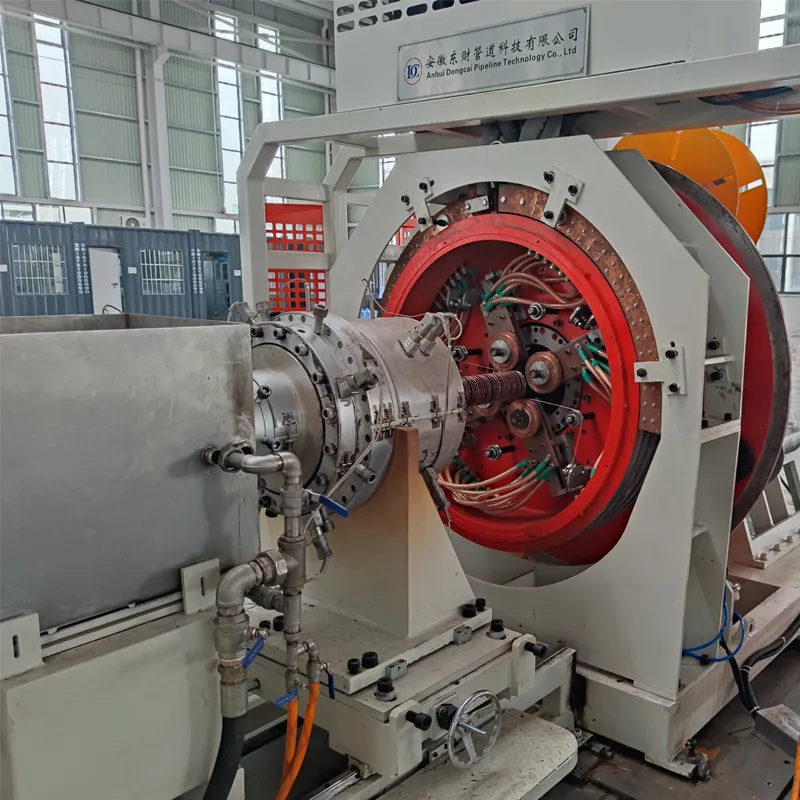
Beyond mechanical strength, these composite pipes offer exceptional resistance to chemical corrosion, abrasion, and biological growth, which are common issues leading to degradation and failure in metallic pipes. The smooth inner surface of the PE layer minimizes friction loss, leading to reduced pumping energy requirements and significant energy savings over the operational lifespan. This smooth bore also prevents scaling and sediment build-up, maintaining flow efficiency and reducing the need for frequent cleaning or maintenance. Installation is also streamlined due to the pipe's lighter weight and flexibility, enabling longer sections to be laid without numerous joints, further reducing labor costs and installation time. For connection, electro-fusion welding, a reliable and widely accepted method for PE pipes, ensures leak-proof joints as strong as the pipe itself. The combination of high performance, durability, and ease of installation translates into a lower overall lifecycle cost and enhanced operational safety, positioning the outputs of a composite pipe production line as an optimal solution for demanding infrastructure projects requiring robust and long-lasting piping systems.
Diverse Application Scenarios and Industry Impact
The versatility and robust performance of pipes manufactured on a composite pipe production line make them indispensable across a multitude of industries and challenging application scenarios. In the municipal sector, they are extensively used for high-pressure water supply networks, urban gas distribution, and sewage collection systems, offering reliable performance with minimal leakage and extended service life compared to traditional materials. Their resistance to aggressive chemicals and soil conditions makes them ideal for industrial applications such as chemical transport in petrochemical plants, abrasive slurry conveyance in mining operations, and cooling water lines in power generation facilities. For instance, in a large-scale mining project in Australia, the adoption of Steel Skeleton Reinforced Polyethylene Composite Pipes for slurry transport resulted in a 30% reduction in pipe replacement frequency due to superior abrasion resistance and eliminated internal corrosion issues entirely, significantly improving operational uptime.
Furthermore, in the oil and gas industry, these pipes are crucial for crude oil gathering lines, gas pipelines, and water injection systems, particularly in corrosive environments where steel pipes would require extensive cathodic protection. Their light weight and flexibility also facilitate installation in remote or difficult terrains, such as mountainous regions or offshore platforms. Another notable application is in district heating and cooling systems, where the pipes' low thermal conductivity helps reduce energy losses, contributing to overall system efficiency. A key advantage in these diverse settings is the pipe's long-term integrity and minimal maintenance requirements, leading to substantial operational cost savings. The ability to customize pipe dimensions, pressure ratings, and even specialized layers (e.g., anti-UV, anti-static) on a modern composite pipe production line further extends their applicability, offering tailored solutions for highly specific and demanding project specifications. This broad spectrum of successful deployments underscores the transformative impact of these composite pipes on modern infrastructure and industrial processes.
Evaluating Manufacturers and Customization Solutions for Your Production Needs
Selecting the right manufacturer for a Steel Skeleton Reinforced Polyethylene composite pipe production line is a critical decision that influences long-term operational success and return on investment. Key factors to consider include the manufacturer's R&D capabilities, demonstrated by their ability to innovate and integrate the latest extrusion technologies, such as advanced co-extrusion dies and high-precision winding systems. Equally important is the quality of their after-sales support, encompassing installation supervision, operator training, spare parts availability, and prompt technical assistance. A manufacturer with extensive service experience, often reflected in their years in the industry and a global client base, indicates a reliable partnership. Furthermore, the level of automation offered by the production line, from automated raw material feeding to integrated quality control systems, directly impacts operational efficiency and labor costs. Companies should also inquire about the energy efficiency of the machinery, as this will contribute significantly to the overall running cost and the competitiveness of the final product's `hdpe machine price`.
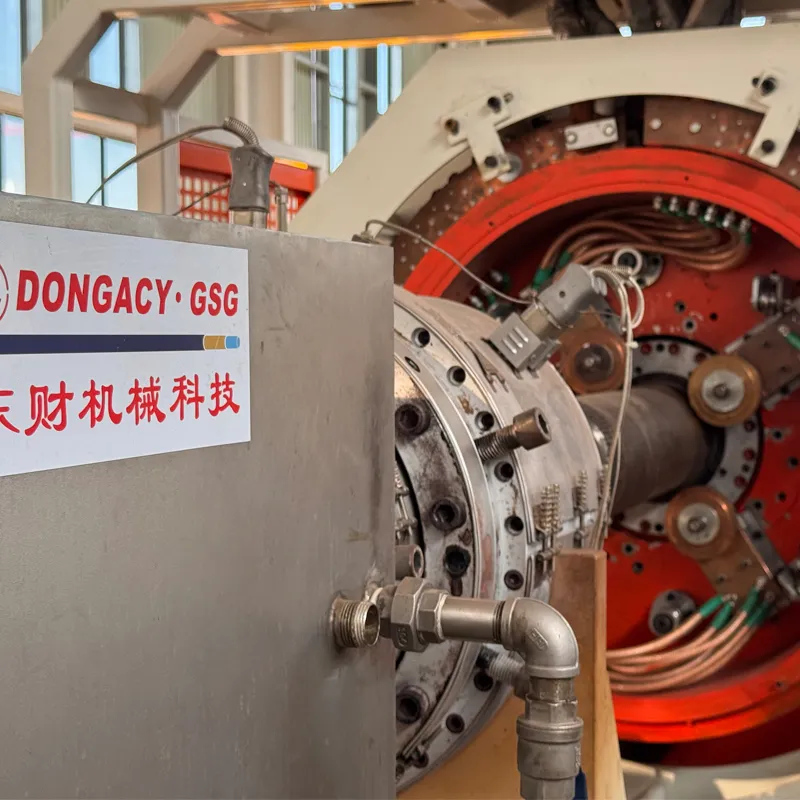
Customization is another crucial aspect when investing in a composite pipe production line. Reputable manufacturers offer tailored solutions to meet specific production requirements, whether it's for a particular pipe diameter range, desired annual capacity, or integration with existing factory infrastructure. This bespoke approach ensures that the investment aligns perfectly with business objectives and market demands. For instance, some projects may require a line optimized for larger diameter pipes (e.g., DN800-DN1200) with higher pressure ratings, while others might focus on high-volume production of smaller diameter pipes (e.g., DN50-DN250) for municipal applications. The manufacturer's willingness and capability to provide comprehensive engineering support, from factory layout design to process optimization, can greatly reduce commissioning time and accelerate production ramp-up. A transparent discussion about `hdpe machine price` should always be in context with the level of customization, automation, and long-term support offered, as lower upfront costs can often hide higher operational expenses or future upgrade limitations. This comprehensive evaluation ensures a sound investment that yields sustained productivity and high-quality pipe output.
Quality Assurance, Certifications, and Customer Support Excellence
The credibility and reliability of a Steel Skeleton Reinforced Polyethylene composite pipe production line are fundamentally underpinned by robust quality assurance protocols and adherence to international certifications. A reputable manufacturer implements a stringent multi-stage quality control process, beginning with the inspection of raw materials—HDPE resin, steel wire, and adhesive layers—to ensure they meet specified purity and mechanical property benchmarks. During the extrusion and winding process, continuous online monitoring systems, including ultrasonic thickness gauges and laser diameter sensors, provide real-time data to maintain dimensional accuracy and structural integrity. Post-production, every batch of pipes undergoes rigorous laboratory testing, including hydrostatic pressure tests to verify burst strength and long-term creep resistance, tensile strength tests for the composite bond, and impact resistance tests. These tests are conducted in accordance with international standards such as ISO 9001 for quality management systems and specific product standards like ISO 4427 or ASTM F714, ensuring that the pipes consistently meet high performance and safety criteria for deployment in critical infrastructure.
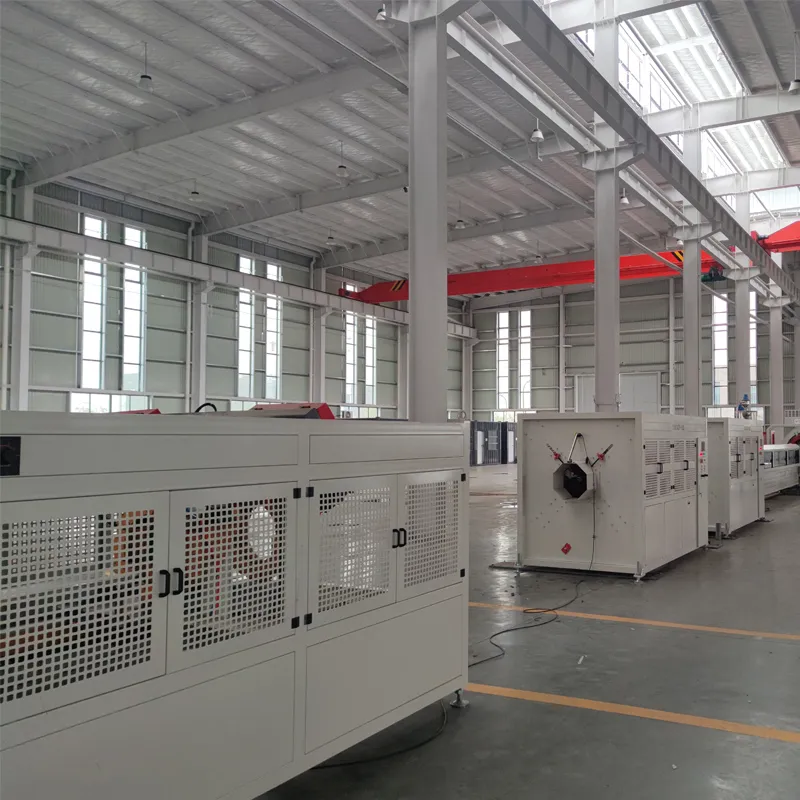
Beyond product quality, the trustworthiness of a production line supplier is also reflected in their comprehensive customer support infrastructure. This includes a detailed delivery cycle explanation, outlining each phase from order confirmation to equipment commissioning, providing transparency and managing expectations. A clear warranty commitment, typically covering key components for a specified period (e.g., 1-2 years), safeguards the investment. Moreover, robust technical support for installation, including on-site supervision by experienced engineers, and extensive training programs for client personnel are crucial for seamless operation and maintenance. For example, a global supplier often provides detailed operational manuals, troubleshooting guides, and readily available spare parts to minimize downtime. In cases of unexpected issues, remote diagnostic capabilities and rapid dispatch of technical teams ensure timely resolution, showcasing a commitment to client success that extends far beyond the initial `hdpe machine price`. This holistic approach to quality and support builds long-term partnerships and ensures the sustained productivity of the composite pipe production line.
Frequently Asked Questions (FAQs) and Concluding Insights
As B2B decision-makers evaluate the investment in a Steel Skeleton Reinforced Polyethylene composite pipe production line, several common questions arise, addressing critical aspects of operation, maintenance, and return on investment. A frequently asked question concerns the maintenance requirements of the pipes produced; due to the inherent corrosion and abrasion resistance of PE, and the structural integrity provided by the steel skeleton, these pipes require significantly less maintenance compared to their metal counterparts, leading to substantial operational cost savings over their long lifespan. Another common inquiry relates to the comparative lifespan and ROI against other pipe types. With a projected service life of over 50 years, and often 100 years for certain applications, the lower failure rates, reduced energy consumption for pumping, and minimal maintenance translate into a compellingly positive return on investment, far outweighing the initial `hdpe machine price`. The environmental benefits, such as reduced leakage and material waste, further enhance their overall value proposition.
Further questions often pertain to the installation process and connection methods. Steel skeleton reinforced polyethylene pipes are typically joined using electro-fusion welding or butt fusion, creating homogeneous, leak-proof joints stronger than the pipe itself. The flexibility of the pipes also allows for trenchless installation methods, significantly reducing disruption and costs in urban environments. In conclusion, the Steel Skeleton Reinforced Polyethylene composite pipe production line represents a pinnacle of modern pipe manufacturing technology, offering unparalleled advantages in durability, performance, and cost-effectiveness. Investing in such a production line enables manufacturers to produce high-value, long-lasting piping solutions that meet the stringent demands of contemporary infrastructure projects across diverse sectors. As the global demand for sustainable and resilient pipeline systems continues to grow, this advanced production technology stands as a strategic asset, empowering businesses to lead in providing essential infrastructure solutions for a better tomorrow.
Authoritative References:
- International Organization for Standardization (ISO). ISO 4427: Plastics piping systems for water supply, and for drainage and sewerage under pressure — Polyethylene (PE).
- American Society for Testing and Materials (ASTM). ASTM F714: Standard Specification for Polyethylene (PE) Plastic Pipe (SDR-PR) Based on Outside Diameter.
- Plastics Pipe Institute (PPI). Handbook of Polyethylene Pipe. 2nd ed., 2008.
- Journal of Pipeline Systems Engineering and Practice. American Society of Civil Engineers.
- Composites Part B: Engineering. Elsevier.
-
High Efficiency PE Extrusion Line Guide for Plastic ManufacturingNewsApr.16,2026
-
Guide to Choosing High Efficiency ppr pipe extrusion machineNewsApr.09,2026
-
Comprehensive Guide to Modern Pipe Production Line Technologies and OptimizationNewsApr.07,2026
-
Choosing the Right Extrusion Pipe Machine for Optimal Plastic Pipe ProductionNewsApr.04,2026
-
Comprehensive Guide to PPR Pipe Extrusion Line Technology and ApplicationsNewsMar.31,2026
-
Understanding the Functionality and Applications of a Pipe Extruder SystemNewsMar.28,2026
-
Comprehensive Guide to Pipe Extrusion Machine Technology and ApplicationsNewsMar.26,2026


