
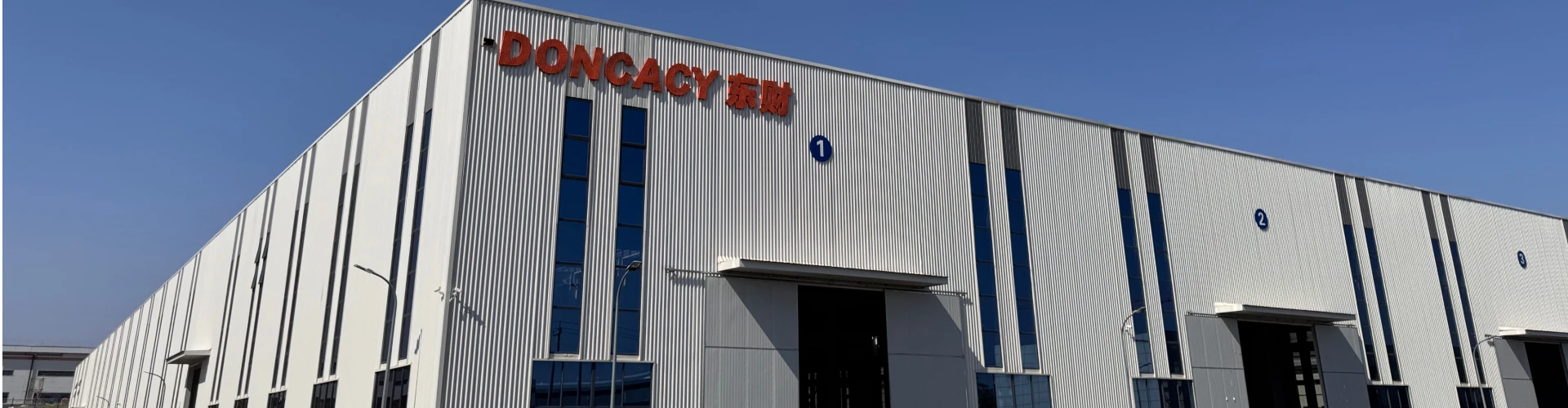
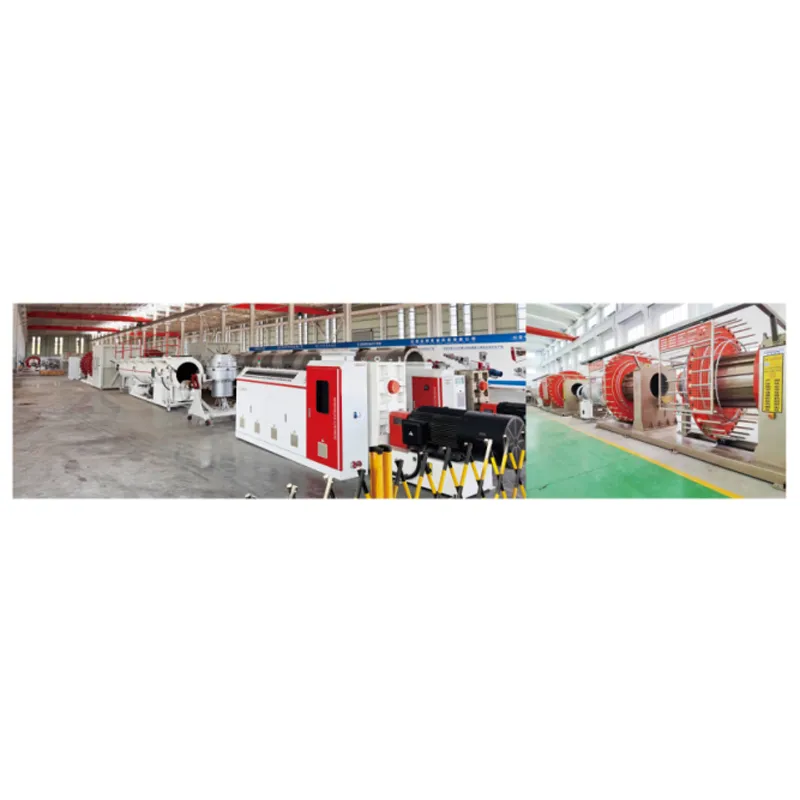
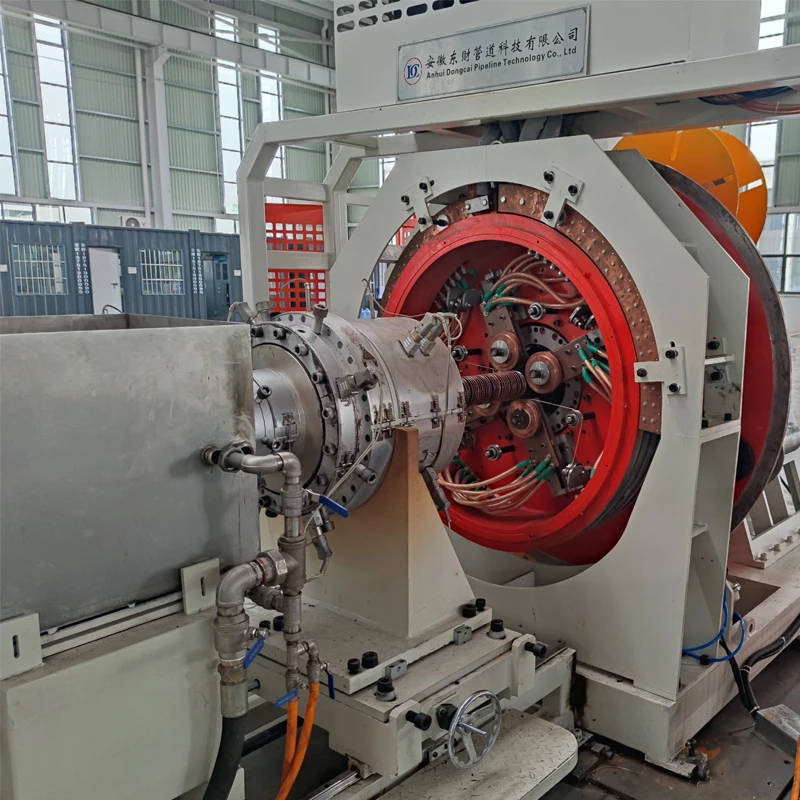
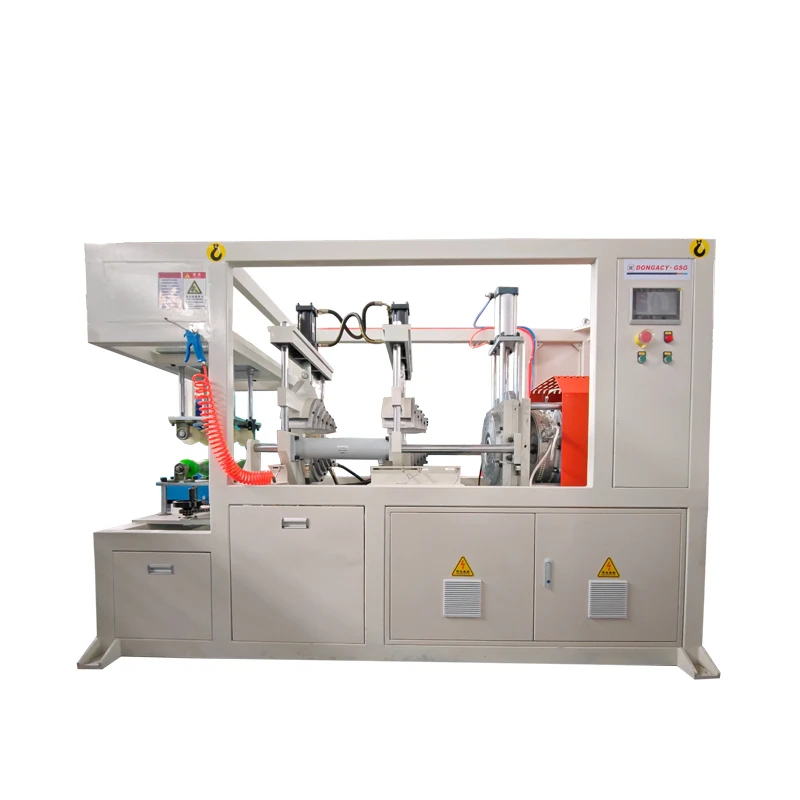
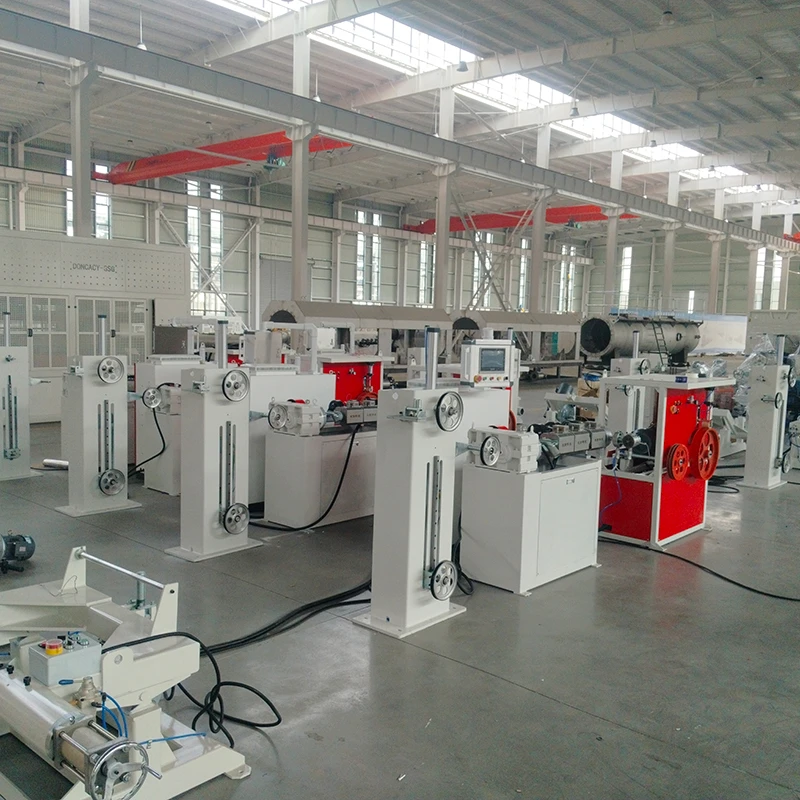
If you’re trying to make sense of hdpe machine price right now, you’re not alone. Buyers I talk to—pipe makers, EPC contractors, even oilfield service folks—are all chasing the same equation: higher throughput, lower scrap, and predictable quality without babysitting the line all night. This new generation multi-layer steel wire mesh reinforced PE composite pipe line from Anhui (more on specs below) has been popping up in field notes—and for good reason.
What’s driving the market right now
To be honest, the trend is clear: composite PE pipes are displacing steel in corrosive or remote installs—petroleum, natural gas, chemicals, mining slurries, seawater. Plants want closed-loop control, fewer operators, and faster changeovers. This new line claims 150% higher efficiency vs. traditional setups and, with an automatic sealing machine set, up to 60% lower pipe processing cost. Bold claims—but I’ve seen similar leaps when gravimetric dosing and smart cooling are dialed in.
Product snapshot (real-world ready)
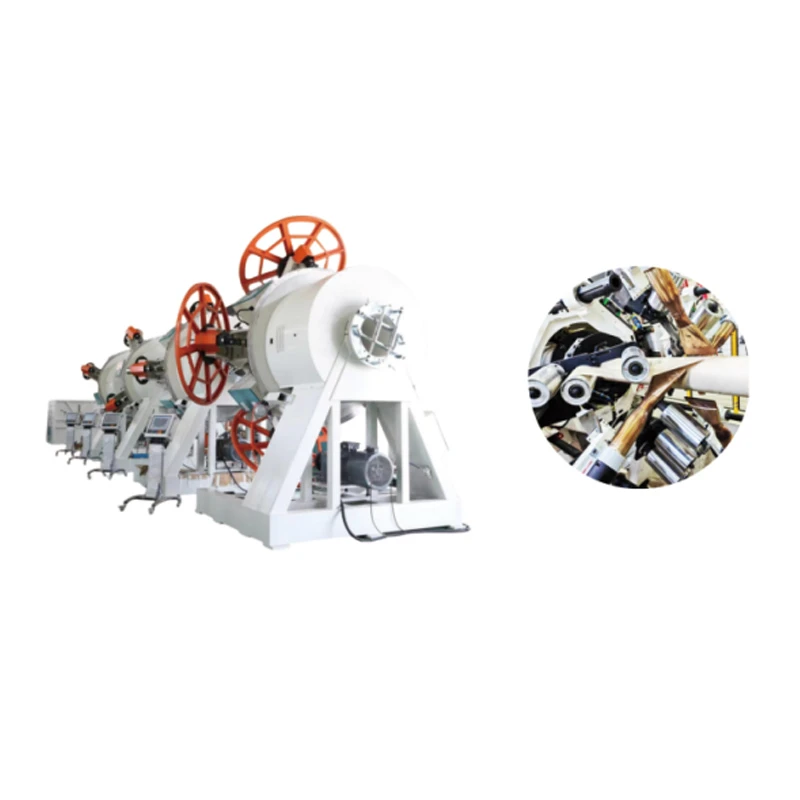
| Product Name | Brand-new High Speed Multi Layer Steel Wire Mesh Skeleton Reinforced Polyethylene Composite Pipe Production Line |
| Origin | No. 26 Huzhou Road, Nanqiao District, Chuzhou City, Anhui Province |
| Pipe Diameter Range | ≈ 75–630 mm (size-dependent line configuration) |
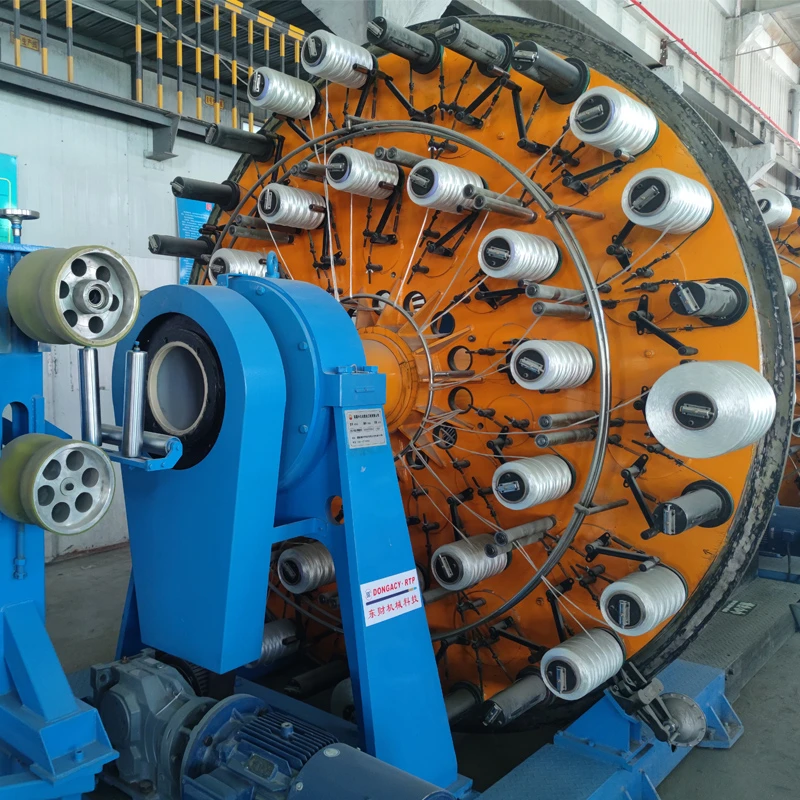
| Layers / Reinforcement | 3–5 layers; steel wire mesh skeleton (spiral/braided) |
| Throughput | ≈ 500–1000 kg/h (real-world use may vary) |
| Line Speed | ≈ 0.4–8.0 m/min (by diameter/recipe) |
| Extruders | High-L/D screws (≈38:1), co-extrusion, gravimetric dosing |
| Controls | Siemens PLC + HMI; closed-loop temperature/haul-off; remote diagnostics |
| Installed Power | ≈ 250–420 kW (option-dependent) |
| Certifications | ISO 9001:2015, CE (line); pipe targets ISO 4427/API 15S compatibility |
| Design Service Life (pipe) | Up to 50 years (per ISO 9080 methodology) |
Process flow (materials and methods)
- Materials: PE100 resin, adhesive tie-layer, high-tensile steel wire.
- Wire mesh forming: spiral/braided skeleton shaping, tension-controlled.
- Co-extrusion: inner liner + tie + outer layer; precise melt temp profile.
- Composite bonding: pressure-calibrated sizing sleeve; vacuum tank cooling.
- Inline QA: OD/ovality gauges; optional ultrasonic flaw detection.
- Haul-off & cutting: servo-synchronized; automatic sealing machine set.
- Testing: hydrostatic per ISO 1167; burst tests; adhesion/peel checks.
Applications and advantages
Use cases: petroleum, natural gas, chemical transfer, power plant cooling, gold mining slurry, seawater transport, shipbuilding, agriculture, optical cable protection. Advantages: corrosion resistance, high specific strength, lighter logistics than steel, and—surprisingly—cleaner weld zones due to stable temperature control.
Indicative vendor comparison (for hdpe machine price shoppers)
| Vendor | Indicative Price | Throughput | Automation | Lead Time |
|---|---|---|---|---|
| Anhui Line (this model) | ≈ $220k–$520k | 500–1000 kg/h | High (auto sealing, closed-loop) | ≈ 60–90 days |
| Zhejiang Maker A | ≈ $180k–$400k | 300–700 kg/h | Medium | ≈ 90–120 days |
| European Brand X | ≈ $450k–$900k | 600–1200 kg/h | Very high | ≈ 120–150 days |
Note: ranges are indicative; real numbers swing with diameter range, layer count, options, and shipping.
Field test data and standards
- Hydrostatic test (ISO 1167): 1000 h at 20°C, 1.5× PN — pass.
- Elevated temperature: 165 h at 80°C at specified hoop stress — pass.
- Burst pressure: > 2.5× nominal (sample 160 mm class) — lab data.
- Adhesion/peel: > 20 N/cm (internal method aligned to ISO 4624 principles).
- Dimensional checks per ISO 3126; materials per ISO 4427 and ASTM D2513 targets.
Customization and feedback
Options: diameter modules, mesh density, inline ultrasonic NDT, gravimetric blenders, chiller upgrades, and recipe libraries for PE100/adhesive systems. Many customers say operator load drops by ≈30% after commissioning; it seems that the auto sealing truly trims cycle time.
Quick case study
A gold mining slurry project in Shandong swapped steel for reinforced PE composite. With the high-speed line, average uptime hit 93%, wall-thickness Cpk improved from 1.1 to 1.6, and—actually the kicker—payback was under 14 months thanks to lower rework and material yield.
So, what affects hdpe machine price?
Diameter range, layer count, wire-mesh module, controls, and QA options drive CAPEX. Don’t forget TCO: power draw, scrap rate, and consumables. With 150% efficiency gain claims and a 60% processing cost cut from automated sealing, the hdpe machine price discussion should weigh throughput-per-kilowatt and warranty/support (on-site + remote) from the Anhui team at No. 26 Huzhou Road.
Authoritative citations
- ISO 4427-1: Polyethylene (PE) pipes for water supply.
- API 15S: Spoolable Reinforced Plastic Line Pipe.
- ASTM D2513: Thermoplastic Gas Pressure Piping Systems.
- ISO 1167: Thermoplastics pipes—Resistance to internal pressure.
- ISO 9001:2015 Quality management systems.
-
High Efficiency PE Extrusion Line Guide for Plastic ManufacturingNewsApr.16,2026
-
High Speed Steel Wire Mesh HDPE Composite Pipe Production Line - Anhui Dongchai|High Automation&Energy EfficiencyNewsApr.13,2026
-
High Speed Steel Wire Mesh HDPE Composite Pipe Production Line - Anhui Dongchai|High Automation&Energy EfficiencyNewsApr.13,2026
-
Guide to Choosing High Efficiency ppr pipe extrusion machineNewsApr.09,2026
-
Comprehensive Guide to Modern Pipe Production Line Technologies and OptimizationNewsApr.07,2026
-
Choosing the Right Extrusion Pipe Machine for Optimal Plastic Pipe ProductionNewsApr.04,2026
-
Comprehensive Guide to PPR Pipe Extrusion Line Technology and ApplicationsNewsMar.31,2026


