
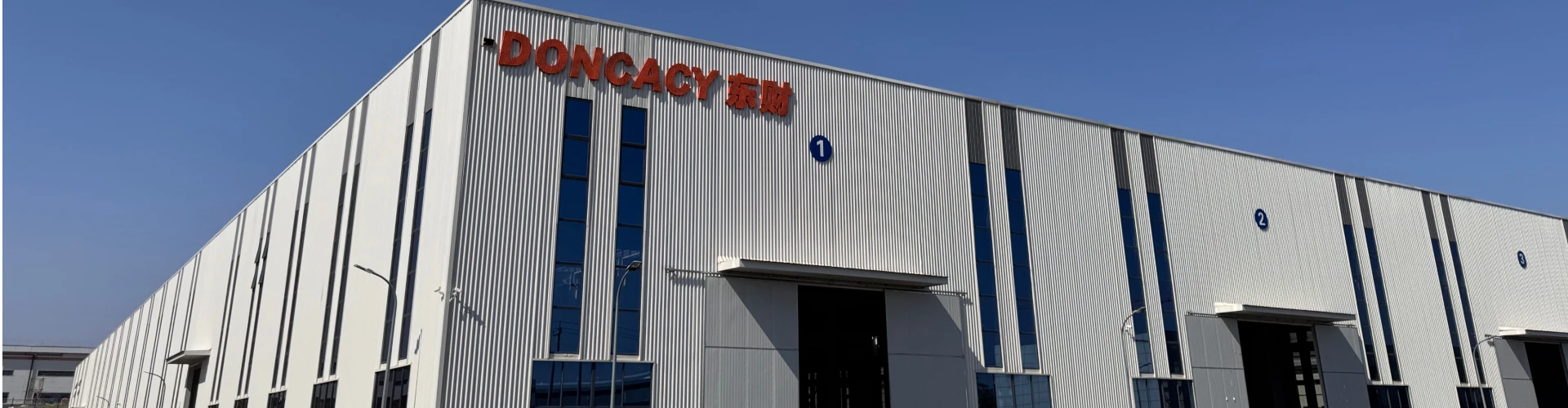
Chinese Extruder Manufacturers: A Global Industrial Backbone
Understanding Chinese extruder manufacturers is like peeling back a layer on one of the world's most dynamic industrial sectors. These manufacturers produce the machines that shape plastics, food products, and other materials by forcing them through a die. This process is vital not only in factories but increasingly in sectors addressing global challenges like sustainable packaging and affordable housing.
Why does this matter globally? Industrial growth and environmental concerns both hinge on efficient, reliable extrusion technology. China's position as a dominant player means its manufacturers influence supply chains from Shenzhen to Stuttgart. Also, these manufacturers’ improvements affect cost-efficiency and accessibility worldwide, making global industries leaner and greener.
Introduction: The Worldwide Stage for Chinese Extruder Manufacturers
Across continents, from Southeast Asia’s bustling manufacturing hubs to Europe’s precision-driven factories, Chinese extruder manufacturers stand out. To put it bluntly, China has become a powerhouse in extrusion tech, partly because it melds scale with innovation. According to the United Nations Industrial Development Organization (UNIDO), China accounted for nearly 40% of global plastic extrusion machinery exports in 2023. This immense scale presents both opportunities and challenges: large production capacity meets rising demand for sustainable processes.
However, the industry wrestles with challenges like quality consistency, environmental concerns, and intellectual property protections. The question often comes up: How can companies rely on Chinese extruder suppliers while meeting international standards?
What Are Chinese Extruder Manufacturers?
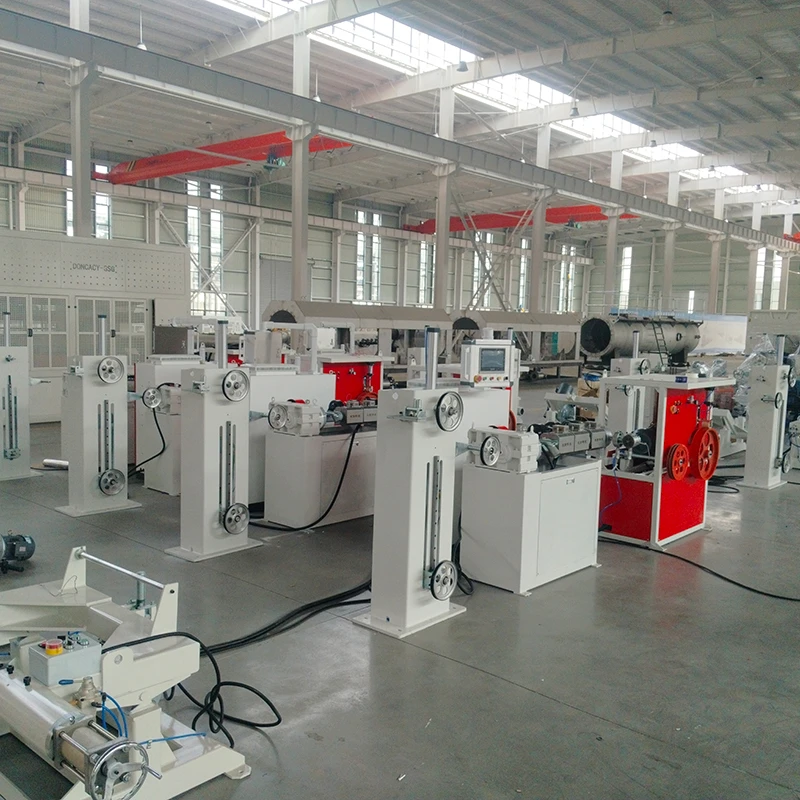
In simple terms, Chinese extruder manufacturers design and build machines that continuously shape raw materials by pushing them through molds. These extruders may process everything from plastic pellets into sheets or pipes, to food ingredients into snacks. They’re essential to the manufacturing chain, serving industries ranging from packaging to construction.
More than just machinery makers, these manufacturers are integral to modernization and humanitarian needs—think affordable housing materials formed by extruded composites or biodegradable packaging solutions tackling waste.
Key Aspects of Chinese Extruder Manufacturers
1. Durability and Build Quality
Frankly, while earlier generations of Chinese extruders sometimes got a bad rap for inconsistent parts, today’s leading manufacturers focus heavily on durability. They combine high-grade alloys and precise machining to ensure longevity even in harsh factory conditions.
2. Scalability and Customization
One standout advantage is scalability. Many manufacturers offer modular designs, allowing businesses to upscale or tailor configurations without scrapping entire setups. This flexibility is crucial in industries where volume demand varies.
3. Cost Efficiency
Chinese extruders typically provide competitive pricing thanks to streamlined supply chains and local component sourcing. This doesn’t just mean cheaper machines; it translates into lowered operational costs and faster return on investment.
4. Technological Innovation
Many manufacturers incorporate smart features like IoT-enabled monitoring and energy-saving drives. For example, advanced screw designs optimize output quality while minimizing power consumption—important for sustainability.
5. Compliance and Certification
Global buyers often look for ISO and CE certifications. Reputable Chinese extruder producers increasingly pursue these, aligning with international regulations and buyer expectations.
Product Specifications Snapshot
| Model | Max Output (kg/hr) | Screw Diameter (mm) | Power (kW) | Application |
|---|---|---|---|---|
| EX-400 | 300 | 65 | 55 | Plastic pipe extrusion |
| FPX-200 | 150 | 45 | 22 | Food product extrusion |
| BIOEX-100 | 100 | 35 | 18 | Biodegradable packaging |
Global Applications & Use Cases
Rarely does any industrial supply chain escape extrusion tech these days. In China itself, extruded plastic pipes underpin city water supplies. Abroad, manufacturers use Chinese extruders for:
- Post-disaster relief packaging — rapid, cost-effective production of water containers and shelters using extruded composites.
- Remote industrial zones — where modular extrusion lines produce parts locally, circumventing import delays.
- Food processing — expanding snack varieties through precise extrusion of doughs and cereals.
- Green packaging firms globally — turning bio-resins into compostable films using specialized extruders.
Regions like Africa and South America increasingly tap these Chinese manufacturers to build local micro-industries, improving economic resilience.
Advantages & Long-Term Value of Chinese Extruder Manufacturers
What really tips the balance? Cost savings, certainly. But also sustainability gains — with many manufacturers developing low-energy models and recyclable material compatibility. Social impacts are subtle but potent: enabling communities to produce affordable goods locally increases dignity and autonomy, a point many NGOs highlight when collaborating with chinese extruder manufacturers.
Reliability is another factor. While quality concerns linger in some cases, investments in R&D and factory audits increasingly boost trust — not to mention after-sales support improving maintenance cycles.
Future Trends & Innovations in Chinese Extrusion Technology
The extrusion industry’s future in China (and beyond) looks intertwined with digital transformation. Automation and AI-driven process controls are becoming standard, promising improved consistency and less waste.
Environmentally, greener raw materials such as PLA (polylactic acid) and recycled plastics see growing use. Manufacturers racing to develop extruders compatible with these materials also tap into low-carbon policies globally.
Challenges & Practical Solutions
Challenges? Sure, there are a few. For one, fluctuations in export tariffs and trade policies can restrict market fluidity. Plus, smaller Chinese producers sometimes underinvest in certification or after-sale infrastructure. In response, many buyers prefer working with vetted manufacturers or form joint ventures to share knowledge and minimize risk.
On the tech front, advancing extrusion for fragile bio-polymers remains tricky, though material science collaborations hold promise.
FAQ: Frequently Asked Questions About Chinese Extruder Manufacturers
- Q: How do Chinese extruder manufacturers ensure quality across large volume production?
- A: Leading manufacturers implement strict ISO quality management systems combined with process automation to reduce variability. Many have in-house testing labs that simulate end-use conditions to catch problems early.
- Q: Are Chinese extruder machines compatible with international electrical standards?
- A: Yes, reputable makers offer models compliant with CE and UL standards, often with international voltage settings and certifications included on delivery.
- Q: Can small-scale businesses afford to buy extruders from China?
- A: Absolutely. Many manufacturers design compact, lower-cost extruders specifically for SMEs. Plus, modular options let you start small and expand later.
- Q: What is the typical warranty period offered?
- Warranty terms vary but commonly range from 12 to 24 months. It’s wise to clarify included support and training during purchase negotiation.
Vendor Comparison: Top Chinese Extruder Manufacturers
| Vendor | Product Range | Quality Certifications | Global Reach | After-Sales Support |
|---|---|---|---|---|
| Jinan Huasheng | Plastic, Food, Bioplastic | ISO 9001, CE | Asia, Europe, Americas | Comprehensive training, remote diagnostics |
| Shenzhen Kelong | Packaging, Heavy-Duty Pipe | CE, RoHS | Global (Focus US & EU) | Onsite service teams, spare parts stocking |
| Hangzhou Biotech | Biodegradable Materials | ISO 14001, CE | Europe, Asia | Green tech consulting, extended warranty |
Conclusion & Call to Action
So when you think about the role of Chinese extruder manufacturers, it’s clear they’re a pivotal part of global industry’s machinery — not just as suppliers but as innovation hubs. Their growing focus on sustainability, combined with cost and scalability benefits, ensures they’ll remain front and center in manufacturing evolution.
If you’re interested in exploring reliable and cutting-edge extrusion solutions, I’d recommend starting your journey with trusted partners — check out chinese extruder manufacturers to discover what’s possible in your industry.
Quick reflection: The extrusion sector encapsulates the blend of tradition and innovation that defines modern manufacturing—small changes on a screw or die can ripple through economies and environments worldwide.
-
High Efficiency PE Extrusion Line Guide for Plastic ManufacturingNewsApr.16,2026
-
High Speed Steel Wire Mesh HDPE Composite Pipe Production Line - Anhui Dongchai|High Automation&Energy EfficiencyNewsApr.13,2026
-
High Speed Steel Wire Mesh HDPE Composite Pipe Production Line - Anhui Dongchai|High Automation&Energy EfficiencyNewsApr.13,2026
-
Guide to Choosing High Efficiency ppr pipe extrusion machineNewsApr.09,2026
-
Comprehensive Guide to Modern Pipe Production Line Technologies and OptimizationNewsApr.07,2026
-
Choosing the Right Extrusion Pipe Machine for Optimal Plastic Pipe ProductionNewsApr.04,2026
-
Comprehensive Guide to PPR Pipe Extrusion Line Technology and ApplicationsNewsMar.31,2026


