
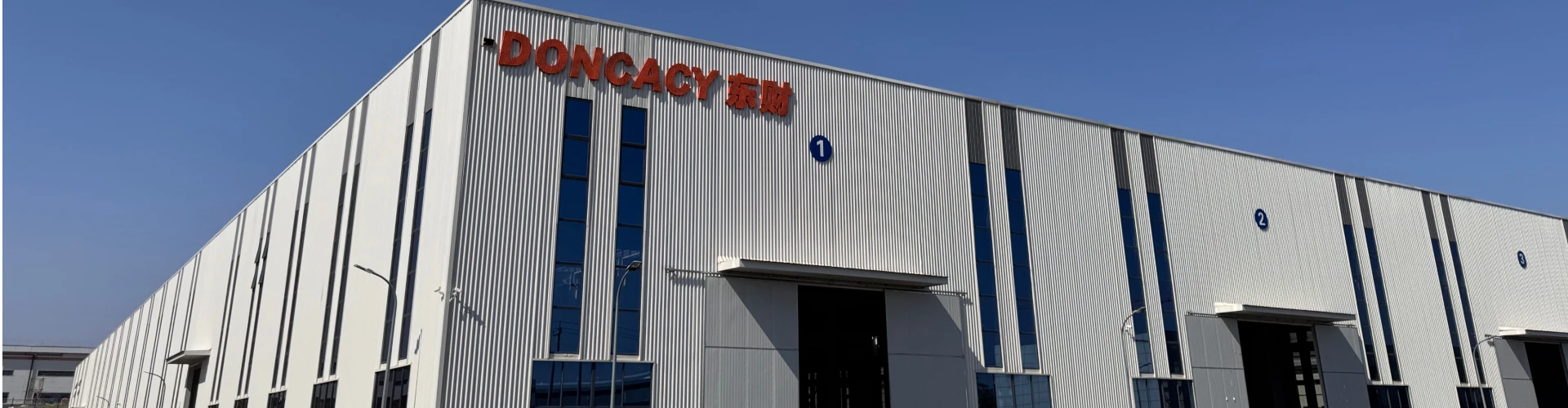
Understanding the Role of a Pipe Extrusion Line Supplier in Today’s Industry
Pipe extrusion lines are the heartbeats of many manufacturing sectors, crucial for producing consistent, reliable piping that supports everything from water distribution to telecommunications infrastructure. But who makes such a vital technology accessible and tailored to specific needs? That’s where a pipe extrusion line supplier comes in. Understanding their role matters not only for industrial growth but also for global development and sustainability efforts.
Pipe systems are the veins of modern civilization: delivering clean water, transporting gas, and protecting cables. Choosing the right extrusion line supplier can impact product quality, cost efficiency, and environmental footprint across geographies.
Introduction: Global Context and Importance
Worldwide, plastic piping manufacturing is projected to grow steadily, driven by urbanization, improved infrastructure, and environmental regulations. The global plastic pipes market size was valued at over $30 billion in recent years (source: Statista). As industries expand, the demand for more efficient and customizable extrusion lines skyrockets.
But herein lies the challenge: many companies struggle with finding a reliable pipe extrusion line supplier that offers not only innovative machinery but also after-sales service, adaptability, and cost-effective solutions. This gap affects projects worldwide, from developed urban centers to remote, underserved areas.
What Exactly Is a Pipe Extrusion Line Supplier?
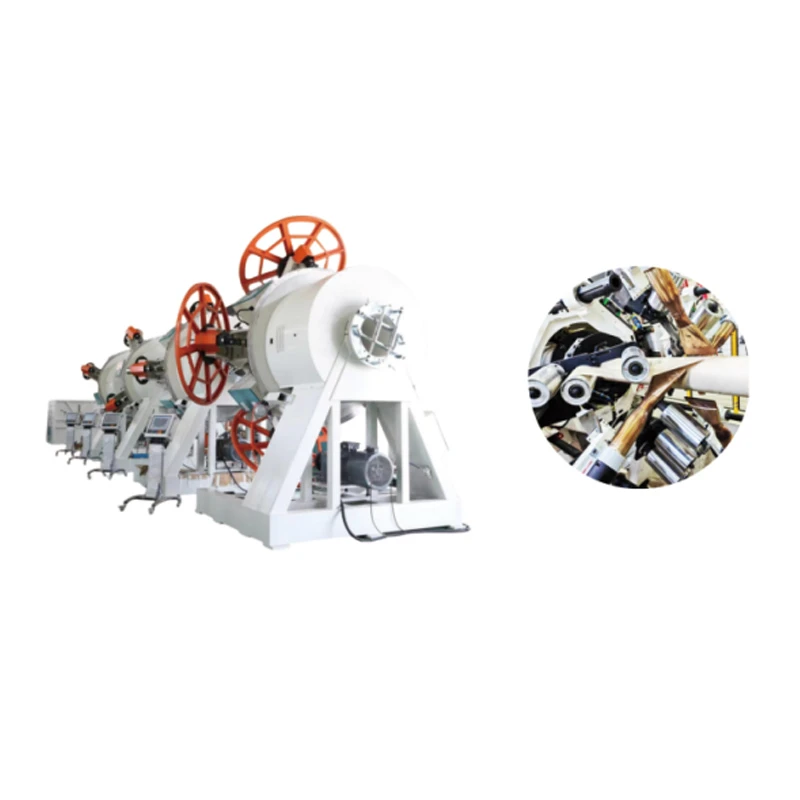
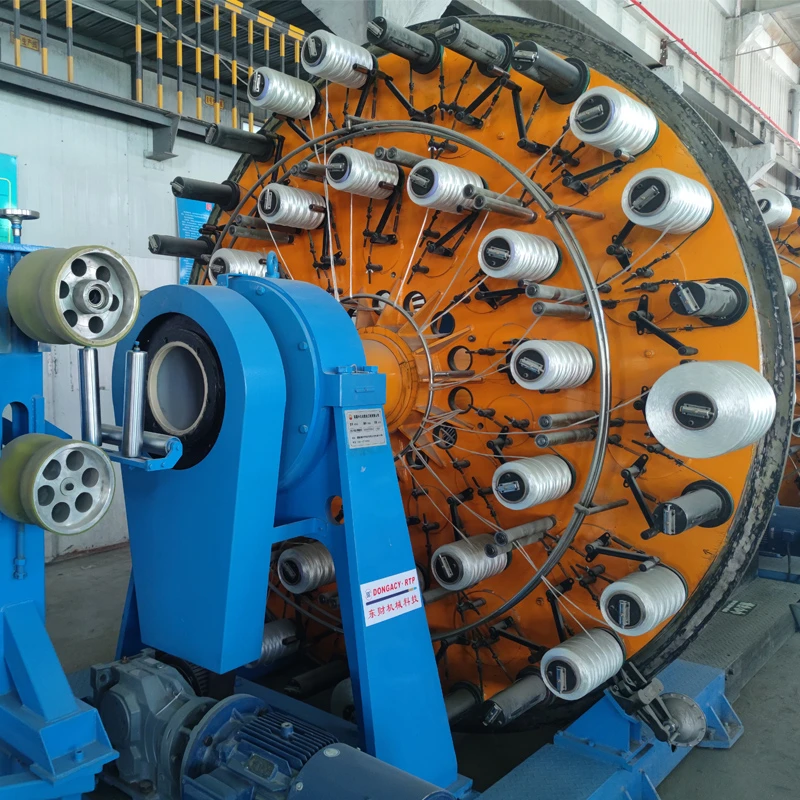
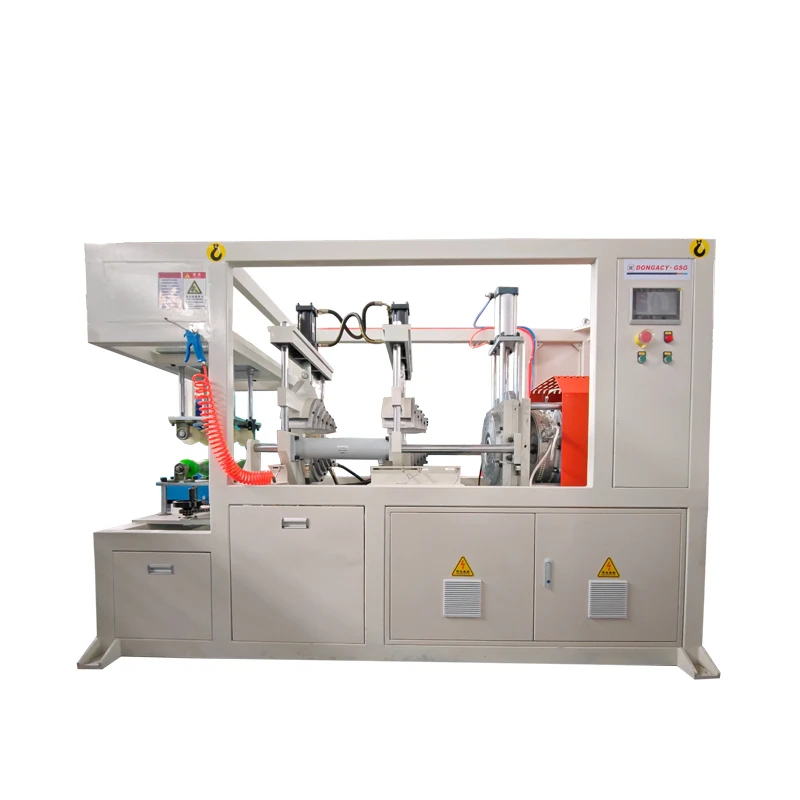
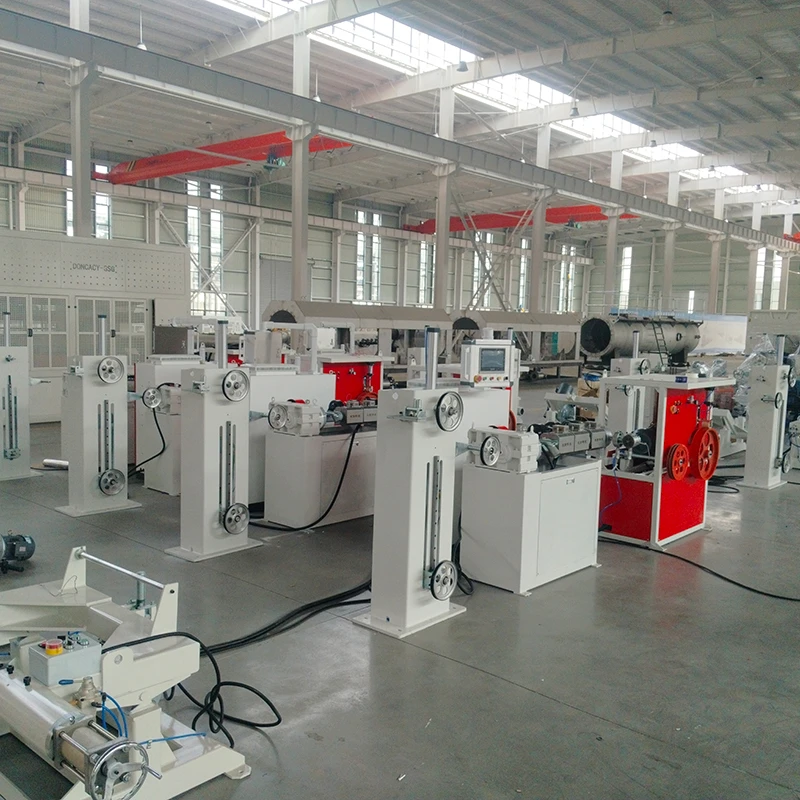
Simply put, a pipe extrusion line supplier is a manufacturer or vendor that provides the specialized equipment used to create pipes through extrusion — a process where raw plastic is melted and shaped into continuous tubes or pipes. These suppliers often offer bespoke configurations tailored to customer specifications, from pipe size and material type to production speed and automation level.
The connection to the world extends beyond factories: robust piping systems are essential for humanitarian efforts, especially in regions needing reliable water and sanitation solutions quickly.
Key Components and Factors to Consider
1. Durability and Material Compatibility
The extrusion line must handle various polymers — PE, PVC, PP — without sacrificing longevity or pipe strength. Material versatility is a critical buying factor.
2. Scalability and Production Speed
Depending on demand, production can vary from small batches to industrial scale. Suppliers offering modular or scalable lines provide flexibility indispensable for growing companies.
3. Automation and Control Systems
Modern extrusion lines often integrate digital controls for precision and efficiency, minimizing human error and reducing waste.
4. Energy Efficiency
Many suppliers focus on green engineering, optimizing energy consumption, which lowers operational costs and carbon footprint.
5. After-Sales Service and Training
This is one aspect often overlooked. Good suppliers offer comprehensive support, from installation and staff training to maintenance and troubleshooting.
| Feature | Specification | Benefit |
|---|---|---|
| Pipe Diameter Range | 16 mm – 800 mm | Covers wide industrial and municipal applications |
| Output Speed | Up to 30 m/min | Supports high volume production needs |
| Material Compatibility | PE, PVC, PP, composite polymers | Enables diverse product lines |
| Automation Level | Manual to Fully Automated | Adaptable to budget and workforce skill levels |
Global Applications of Pipe Extrusion Lines
From the deserts of the Middle East to the wetlands of Southeast Asia, extrusion lines are pivotal. For example, in expanding urban centers in India, efficient water piping reduces losses and improves sanitation. In Europe, stricter environmental policies mean extrusion lines must produce recycled or bio-based materials. Even in disaster relief scenarios, quickly deployable pipe systems for emergency water supply rely on rapid fabrication from these machines.
Industries served include agriculture irrigation, oil and gas transportation, telecom cable protection, and municipal water and sewage networks. Oddly enough, while extrusion lines seem like “just machines,” their impact is broad — touching health, safety, and economic stability.
Vendor Comparison: Leading Pipe Extrusion Line Suppliers
| Supplier | Automation Level | Energy Efficiency | Service & Training | Innovation |
|---|---|---|---|---|
| Supplier A | Fully automated | High | Comprehensive | Advanced digital monitoring |
| Supplier B | Semi-automated | Moderate | On-demand | Eco-friendly material options |
| Supplier C | Manual | Low | Basic support | Cost-focused design |
Advantages and Long-Term Value
Investing in a quality extrusion line supplier often leads to cost savings through reduced material waste, higher throughput, and energy savings. The pipes produced are more reliable and durable, which means infrastructure lasts longer and requires less urgent repairs. Beyond dollars and cents, those pipes contribute to safety and dignity by ensuring communities access clean water and secure utilities.
Future Trends and Innovations
We’re seeing automation getting smarter with AI-driven quality control, making defects a thing of the past. Also, extruders now incorporate sustainable materials—think recycled plastics or bio-polymers—aligned with ISO standards for ecological impact (ISO). Digital twin technology is emerging, allowing operators to simulate performance before production. These trends suggest a future where extrusion lines are cleaner, smarter, and more adaptable.
Challenges & How Industry Leaders Overcome Them
Despite advances, extrusion lines often face challenges like inconsistent raw material quality, calibration difficulties, and high energy costs. Leading suppliers tackle these by offering integrated feeders with real-time material analysis and closed-loop process controls. Training users thoroughly and creating remote troubleshooting platforms have also proven effective, especially when shipping lines overseas.
FAQ: Your Questions About Pipe Extrusion Line Supplier
- Q: What criteria should I use to select a pipe extrusion line supplier? A: Focus on material compatibility, production scale, automation level, energy efficiency, and after-sales support to ensure your investment scales with your business needs.
- Q: Can extrusion lines produce both small and large diameter pipes? A: Yes, many modern lines can be customized or upgraded for a range from 16 mm up to 800 mm or more, depending on supplier capabilities.
- Q: How important is supplier training for extrusion line operation? A: Crucial. Proper training reduces downtime, extends equipment life, and ensures product quality. Many suppliers provide detailed onsite or virtual training modules.
- Q: Are eco-friendly materials compatible with extrusion lines? A: Increasingly so. Suppliers are adapting lines to process recycled polymers and bio-based plastics, aligning with global sustainability goals.
Conclusion: Why Choosing the Right Pipe Extrusion Line Supplier Matters
In the long run, partnering with a quality pipe extrusion line supplier is an investment in reliable infrastructure, operational efficiency, and sustainable growth. It’s not just about machines; it’s about empowering industries and communities worldwide. If you want to explore equipment options or consult experts, I suggest you visit our website at https://www.ahdc11.com for tailored solutions.
Choosing wisely means better pipes, better service, and a better future.
Just a quick takeaway: In the vast network of global infrastructure, the humble pipe extrusion line supplier holds a surprisingly critical role — kind of like the unsung hero behind every reliable pipeline.
-
High Efficiency PE Extrusion Line Guide for Plastic ManufacturingNewsApr.16,2026
-
High Speed Steel Wire Mesh HDPE Composite Pipe Production Line - Anhui Dongchai|High Automation&Energy EfficiencyNewsApr.13,2026
-
High Speed Steel Wire Mesh HDPE Composite Pipe Production Line - Anhui Dongchai|High Automation&Energy EfficiencyNewsApr.13,2026
-
Guide to Choosing High Efficiency ppr pipe extrusion machineNewsApr.09,2026
-
Comprehensive Guide to Modern Pipe Production Line Technologies and OptimizationNewsApr.07,2026
-
Choosing the Right Extrusion Pipe Machine for Optimal Plastic Pipe ProductionNewsApr.04,2026
-
Comprehensive Guide to PPR Pipe Extrusion Line Technology and ApplicationsNewsMar.31,2026


