
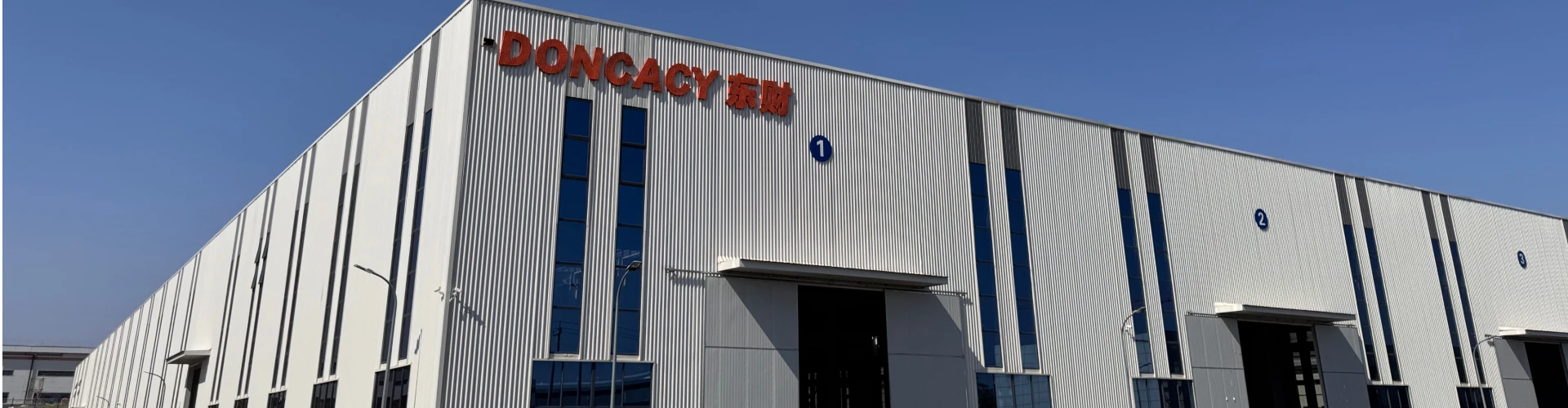
Understanding the Composite Pipe Production Line: A Modern Manufacturing Marvel
At first glance, the phrase composite pipe production line might seem a bit dry—just another piece of industrial jargon. But its importance echoes across industries worldwide, touching everything from water supply systems to renewable energy infrastructure. In a global economy increasingly focused on sustainability, durability, and efficiency, understanding how composite pipes are manufactured—and why—helps shed light on some of the most vital challenges engineering faces today.
Composite pipes, made by layering different materials to achieve enhanced strength and corrosion resistance, represent a step forward in industrial products. The production lines that create them are no less crucial. They combine modern automation, precision, and versatility to answer rising demand for pipes that last longer, weigh less, and handle harsh environments. Honestly, given the planetary pressures on resource management and infrastructure repair, these production lines might just be quietly saving the day in many corners of the world.
Why Composite Pipe Production Lines Matter Globally
To appreciate the global significance, we need some context. According to the United Nations, infrastructure development, especially in emerging economies, is accelerating rapidly. Water management, oil and gas transport, and green energy projects all demand reliable piping solutions. Composite pipes meet these needs in ways traditional materials often cannot.
Yet, there’s a problem. Conventional steel or plastic pipes often suffer from corrosion, heavy weight, or brittleness in extreme climates. The composite pipe production line addresses this by enabling consistent fabrication of hybrid pipes combining polymers, glass fibers, or carbon fiber reinforcements.
Data from the International Organization for Standardization (ISO) estimate that composites in piping reduce maintenance costs by up to 40% over typical lifespans—a game-changer for utility companies and governments.
What Exactly Is a Composite Pipe Production Line?
Simply put, a composite pipe production line is a manufacturing setup where raw materials—polymers, resins, and reinforcing fibers—are processed, combined, and cured into multi-layered pipes.
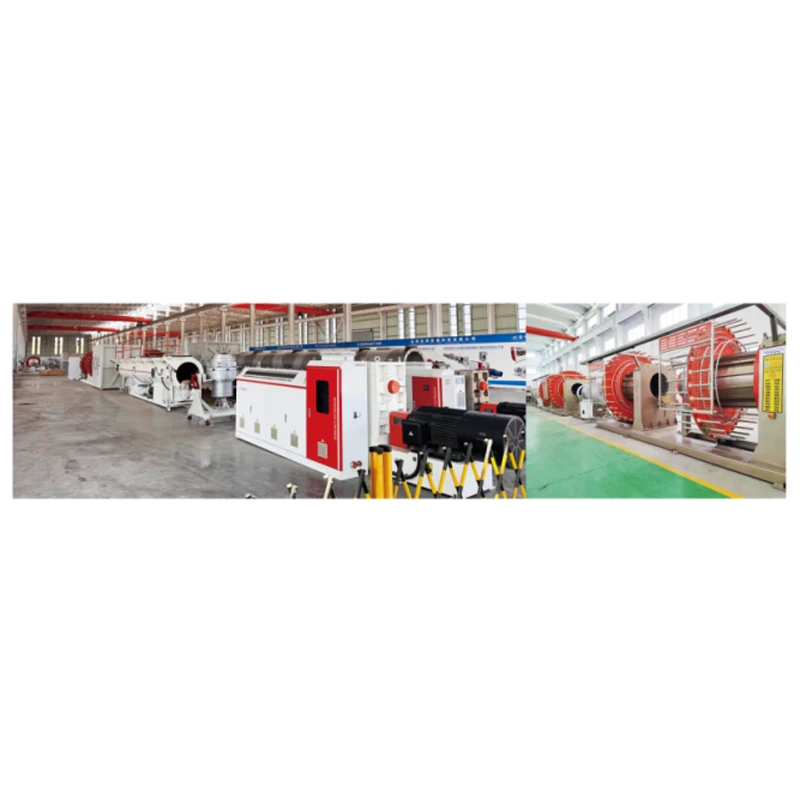
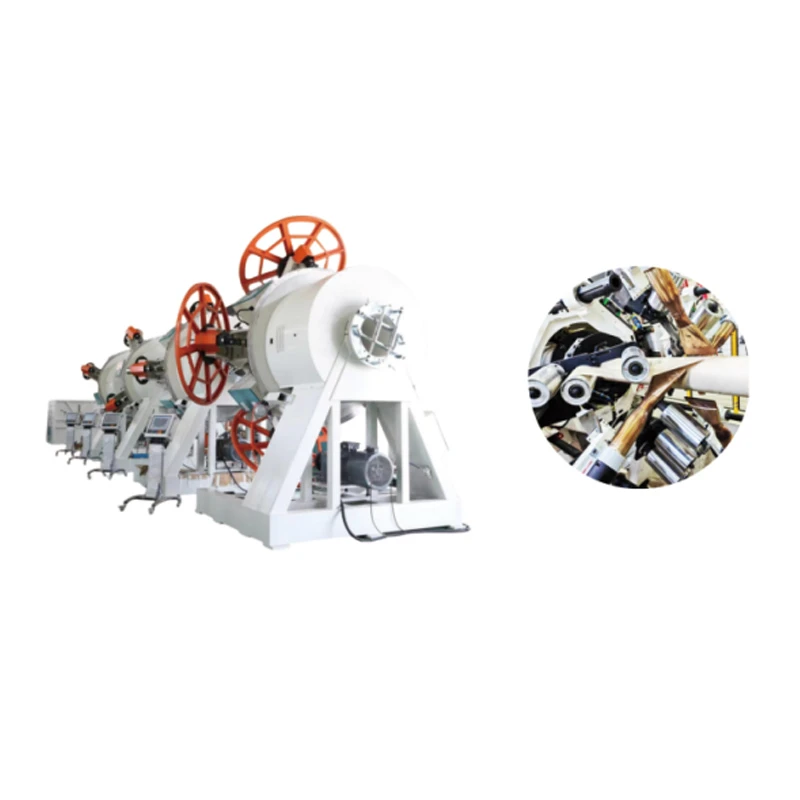
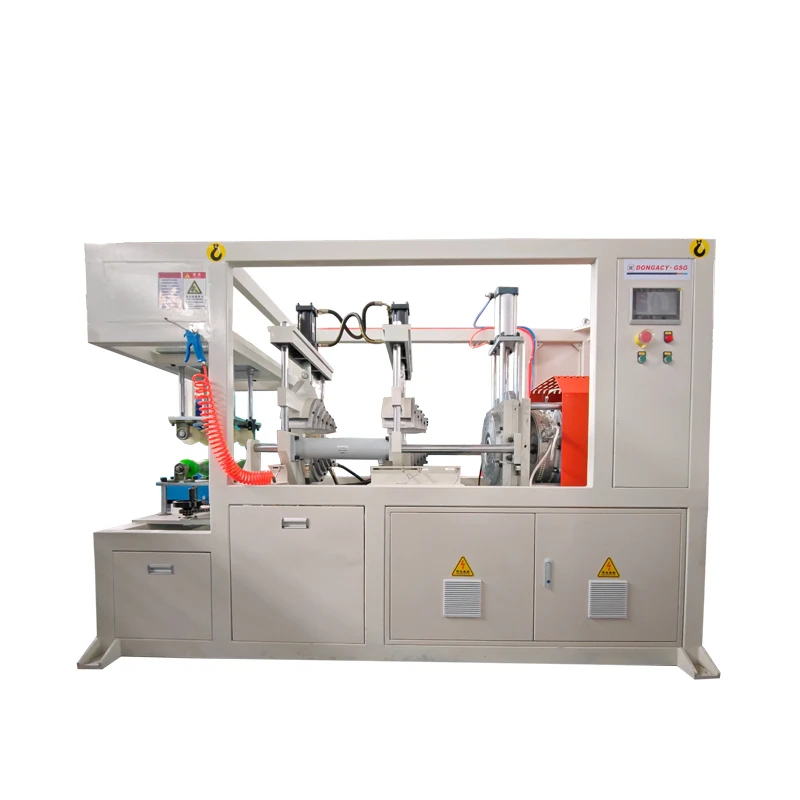
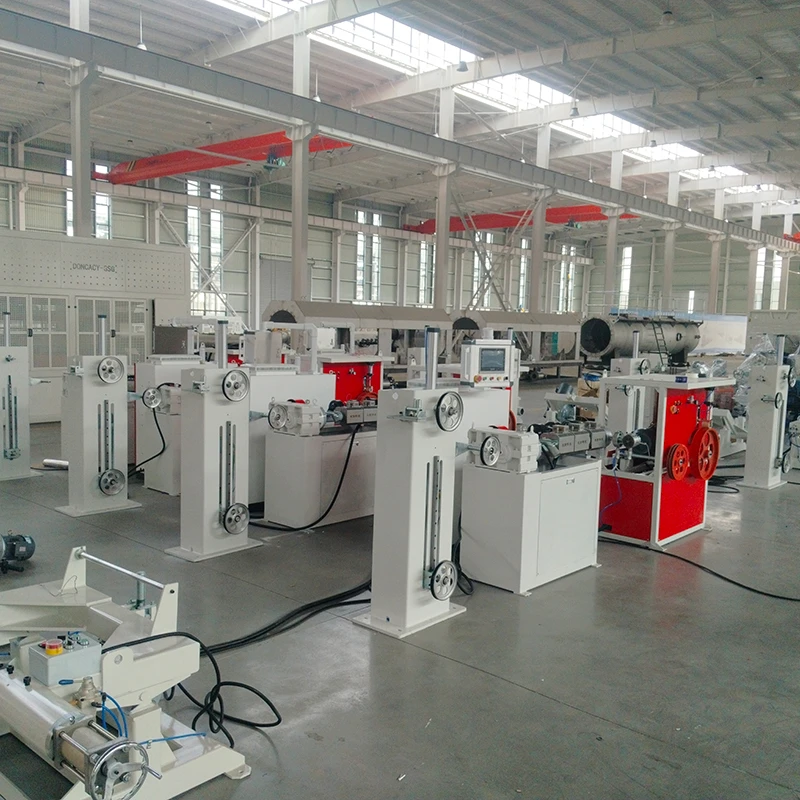
Think of it as a carefully choreographed dance of machines: extruders, filament winders, curing ovens, and quality testers, all working to produce pipes that are stronger, lighter, and corrosion-resistant. This assembly line is vital for industries that require robust piping alternatives to steel or concrete, especially for sectors where weight and longevity matter, like aerospace, oil & gas, and municipal water systems.
Oddly enough, while composite pipes sound high-tech, their roots are pretty practical—solving real-world challenges like water loss from corrosion or pipeline failures in harsh climates.
Core Components of a Composite Pipe Production Line
1. Raw Material Handling and Preparation
This involves managing polymers and fibers—glass, carbon, or aramid—ensuring they arrive at the production line in the right condition. Moisture control and precise dosing here are foundational because any variation affects pipe quality downstream.
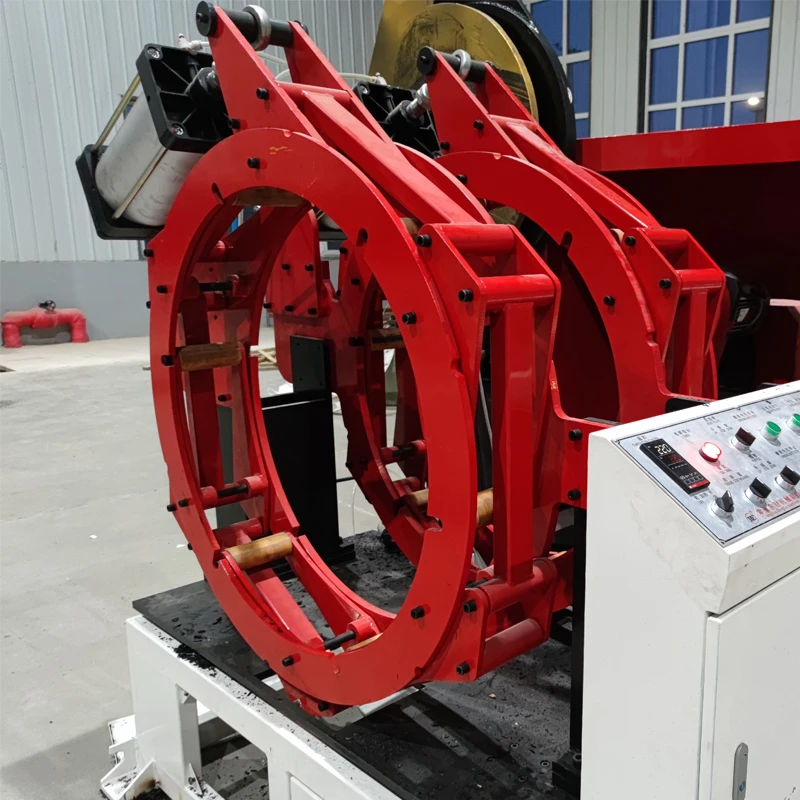
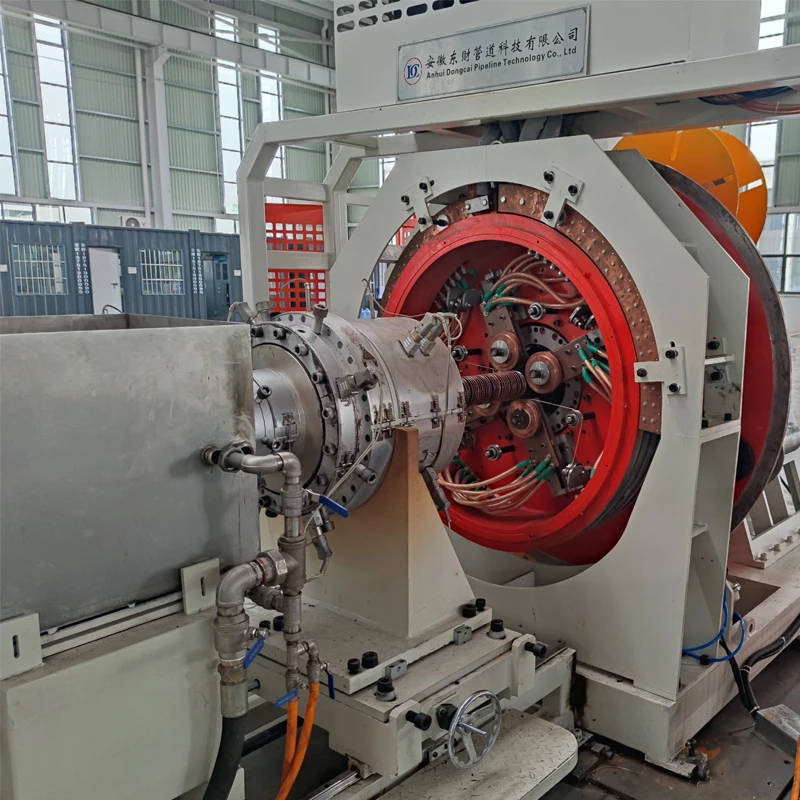
2. Filament Winding or Pultrusion Machines
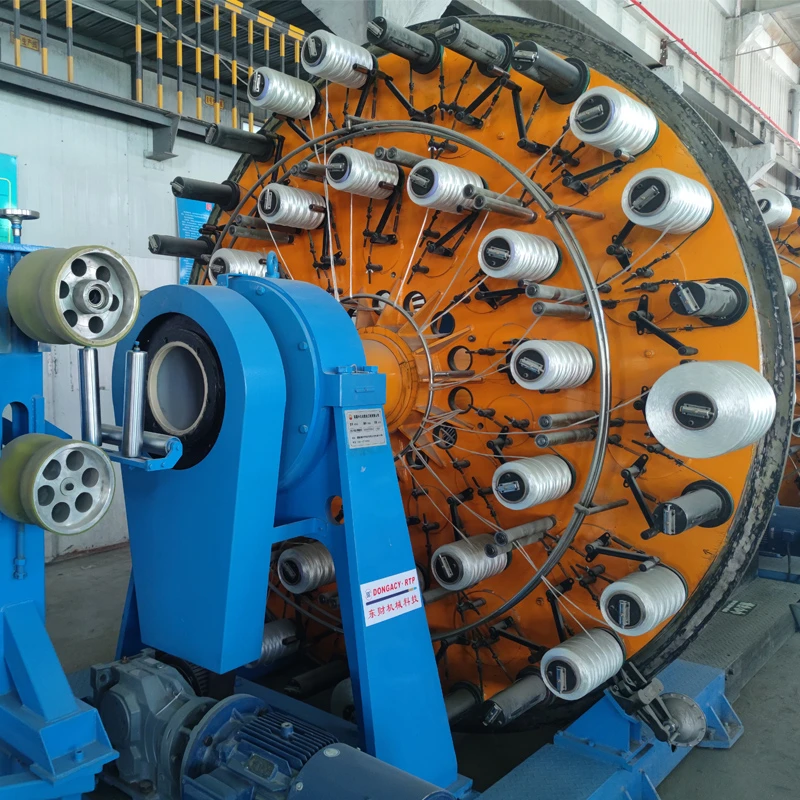
These are the heart of the line. Filament winding turns fiber spools into strong, layered pipe walls, while pultrusion continuously pulls fibers through a resin bath to form profiles. Engineers often debate which system suits which application best—both offer scalability but different strength-to-weight trade-offs.
3. Curing and Heating Chambers
The pipes move through ovens or UV curing chambers that solidify the resin-fiber matrix. Temperature control is critical here—a few degrees off and the integrity of the pipe could be compromised.
4. Quality Testing Stations
From ultrasonic sensors to pressure testing, these stations ensure every pipe meets stringent specs. This is where many manufacturers invest heavily to maintain trust in their brand.
5. Automation and Control Systems
Modern lines integrate PLCs (programmable logic controllers) and software that monitor every step, keeping operations consistent and reducing human error. It's a smart marriage of mechanical and digital tech, driving efficiency.
Mini Takeaway:
Each component of the production line plays a non-negotiable role, from managing raw inputs to final quality assurance. The combined effect is pipes ready for challenging environments and long-term use.
Global Applications & Real-World Examples of Composite Pipe Production
Composite pipes have found homes in varied geographies and industries. For instance, in the Middle East, the oil and gas sector relies heavily on these pipes to transport corrosive fluids. In South America, water utilities adopt composites for urban infrastructure upgrades to tackle leakage and contamination risks.
Here's an interesting use case: In post-disaster relief, where quick-deploy water systems are critical, composite pipes, manufactured on production lines, offer lightweight ease of installation and superior durability—even in areas where traditional pipelines cannot be quickly repaired.
Another growing sector: renewable energy, especially offshore wind farms, use composite piping for cabling protection and fluid transport, exploiting the materials’ resistance to corrosion and reduced weight advantages.
Advantages and Long-Term Benefits of Composite Pipes
- Cost-Efficiency: While initial investment in composite pipe production lines may be higher, the resulting pipes reduce maintenance and replacement expenses.
- Durability & Corrosion Resistance: Fiberglass and carbon reinforcements mean pipes fight rust and chemical damage better than steel.
- Sustainability: Lower energy to produce and lighter transport footprint align with climate goals.
- Safety & Reliability: Composites won’t shatter or burst under pressure, protecting lives and infrastructure.
- Innovation Potential: Advanced materials enable design customizations for specific operational demands.
On an emotional level, knowing that water supplies or energy flows are protected by such resilient pipes fosters trust among communities. It’s one of those subtle tech advances that quietly improves daily life.
Product Specification Table of a Typical Composite Pipe Production Line
| Specification | Typical Range/Details |
|---|---|
| Pipe Diameter Capability | 50 mm to 1200 mm |
| Production Speed | Up to 20 meters per minute |
| Material Types | Glass fiber, carbon fiber, epoxy resin, polyester resin |
| Automation Level | PLC control with remote monitoring options |
| Curing Method | Thermal ovens and UV curing |
| Quality Assurance | Ultrasonic and pressure testing included |
Top Vendors Comparison: Composite Pipe Production Lines
| Vendor | Automation Level | Price Range (USD) | Global Support | Customization Options |
|---|---|---|---|---|
| FiberLine Tech | High (AI Integration) | $750,000 - $1.2M | 24/7 Global | Extensive (materials & sizes) |
| PolyCom Systems | Medium (PLC standard) | $500,000 - $850,000 | Regional (Asia, Europe) | Moderate (diameter & resin type) |
| EcoPipe Manufactures | Basic (manual override) | $350,000 - $600,000 | Limited (North America) | Limited (standard sizes) |
Innovations and Future Trends in Composite Pipe Production
The future looks bright and tech-driven. Automation is moving beyond PLCs to AI-assisted monitoring, which anticipates faults before they happen, saving downtime and cost. On materials, researchers are experimenting with bio-based resins to improve environmental footprints.
Additionally, Industry 4.0 principles are gaining traction—smart factories with IoT-connected machines producing batches customized on-demand. I heard one supplier is piloting solar-powered curing ovens, a small but meaningful nod to sustainability.
Regulations also shape production evolution. Stricter standards for pipe safety in drinking water systems are pushing manufacturers toward better quality control and traceability. It’s a busy, exciting time.
Common Challenges and Solutions in Current Composite Pipe Production Lines
- Challenge: Initial capital investment can be steep.
- Solution: Leasing schemes, modular production lines, and phased upgrades help ease financial barriers.
- Challenge: Material inconsistencies lead to defective pipes.
- Solution: Automated raw material testing and tighter supplier qualifications improve input quality.
- Challenge: Skilled labor shortage for machine operation.
- Solution: Training programs, user-friendly interfaces, and AI-powered support reduce dependence on specialized operators.
FAQ: Common Questions About Composite Pipe Production Lines
- What industries benefit the most from composite pipe production lines?
- Typically, oil & gas, water utilities, and renewable energy sectors make the most of composite pipes for their durability and corrosion resistance, especially in harsh environmental conditions.
- How customizable are the pipes produced?
- Very customizable. Production lines can vary pipe diameters, wall thicknesses, and composite materials depending on client needs, allowing tailored solutions for different applications.
- Are composite pipes suitable for high-pressure applications?
- Yes, when manufactured properly with advanced materials like carbon fiber reinforcements, composite pipes can handle high pressures safely, often outperforming metal pipes under corrosive conditions.
- How long does a pipe produced in such a line typically last?
- Many composite pipes can last 30-50 years, depending on use and environment, with significantly reduced maintenance compared to steel alternatives.
- Can composite pipe production lines be integrated with existing manufacturing facilities?
- Absolutely. Many systems are modular and designed to integrate with existing setups or be added as expansions, enabling gradual scaling and modernization.
Wrapping It Up: Why Invest in Composite Pipe Production Lines?
So, what have we learned? Composite pipe production lines are much more than industrial machines—they are enablers of safer, more sustainable infrastructure globally. They merge technological precision with practical needs, solving long-standing piping problems with advanced materials and systems.
Whether it’s enabling quicker disaster relief water delivery or ensuring corrosion-proof pipelines in complex oil fields, these lines contribute quietly but significantly. If your business or project leans toward modern, reliable piping solutions, it’s worth a visit to explore the best in composite pipe production line technology.
After all, infrastructure is the backbone of any society, and these lines help keep it strong and future-proof.
References
-
High Efficiency PE Extrusion Line Guide for Plastic ManufacturingNewsApr.16,2026
-
High Speed Steel Wire Mesh HDPE Composite Pipe Production Line - Anhui Dongchai|High Automation&Energy EfficiencyNewsApr.13,2026
-
High Speed Steel Wire Mesh HDPE Composite Pipe Production Line - Anhui Dongchai|High Automation&Energy EfficiencyNewsApr.13,2026
-
Guide to Choosing High Efficiency ppr pipe extrusion machineNewsApr.09,2026
-
Comprehensive Guide to Modern Pipe Production Line Technologies and OptimizationNewsApr.07,2026
-
Choosing the Right Extrusion Pipe Machine for Optimal Plastic Pipe ProductionNewsApr.04,2026
-
Comprehensive Guide to PPR Pipe Extrusion Line Technology and ApplicationsNewsMar.31,2026


