
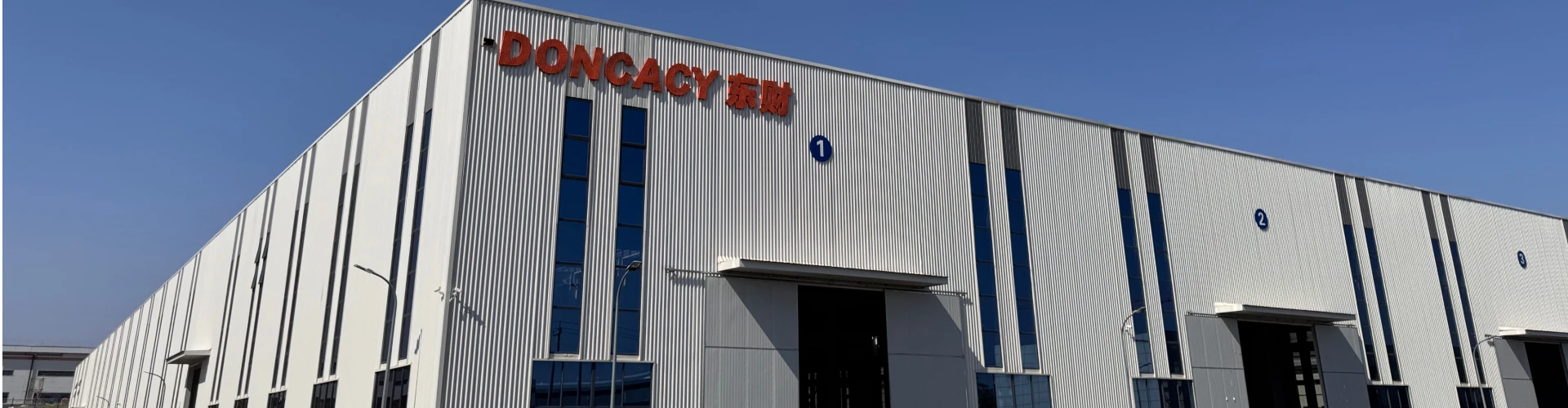
Understanding Plastic Profile Extrusion Line: Why It Matters Globally
In today’s fast-evolving industrial landscape, few manufacturing processes have quite the impact as a plastic profile extrusion line. It might sound like a mouthful of techy jargon, but this process shapes the way countless plastic components come to life—think window frames, pipe casings, or even some parts of your smartphone housing. Globally, the ability to produce profiles rapidly and cost-effectively spells out better resource management, lowered costs, and expanding product possibilities. For industries from construction to electronics, understanding and optimizing this line is a key to staying competitive. And honestly? It touches everything, even if you don’t realize it.
Introduction: Where Plastic Profile Extrusion Lines Fit in the Global Industry
The global plastic extrusion market reached an estimated $33 billion in 2023, with forecasts pointing to steady growth over the next decade.1 Europe, Asia, and North America lead in both demand and innovation here. Plastics are now critical in everything from medical equipment to sustainable packaging solutions. Yet this rise brings complex challenges: stricter environmental regulations, the need for greater efficiency, and the constant pressure to innovate without driving prices up.
Plastic profile extrusion lines answer many of these challenges by enabling large-scale, precision fabrication. Instead of manually shaping plastics or relying on complex assembly, extrusion continuously pushes molten plastic through specialized dies, creating uniform profiles at scale. This modern manufacturing workhorse helps industries simplify workflows and reduce waste.
Mini Takeaway:
The plastic profile extrusion line isn’t just about making plastic bits. It’s a global enabler for industries navigating economic and environmental hurdles, balancing mass production with material sustainability.
What is a Plastic Profile Extrusion Line?
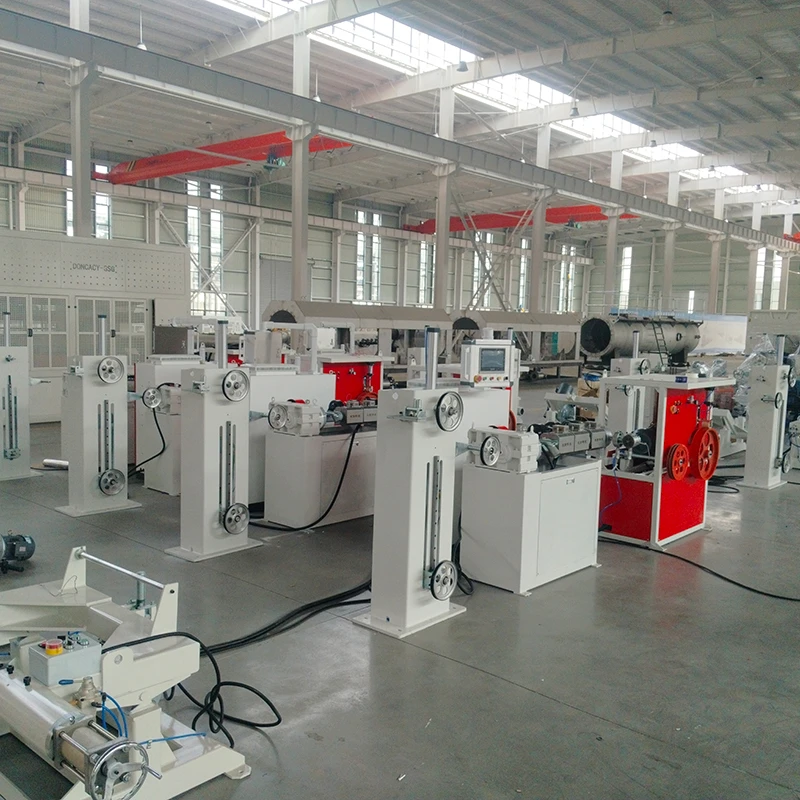
Simply put, a plastic profile extrusion line consists of a series of interconnected machines designed to melt raw plastic pellets and shape them continuously into custom profiles. The profile’s shape—from simple tubes to ornate window trims—is dictated by the die’s shape at the end of the line.
As industries modernize, these extrusion lines are no longer just about bulk plastic components; they’re key to producing complex, tailored shapes with consistent quality, essential for everything from infrastructure to consumer products. Plus, this process supports humanitarian needs, such as producing modular housing materials quickly for disaster zones.
Key Components That Make Plastic Profile Extrusion Lines Tick
1. Durability of the Profiles
Many engineers stress the importance of material stability. A plastic extrusion line’s output must resist weather, UV rays, and physical wear—especially when profiles end up on building facades or piping networks. Toughness means fewer replacements and longer lifecycle costs savings.
2. Scalability and Throughput
These lines can be scaled from small workshops producing specialized items to industrial plants pumping out thousands of meters daily. The use of advanced control systems lets manufacturers dial throughput according to demand without sacrificing quality.
3. Cost Efficiency
Automation and continuous processes reduce labor and raw material waste. A well-tuned extrusion line can recycle scrap right back into the feedstock, trimming operational expenses while maintaining performance.
4. Versatility in Materials
While PVC and polyethylene dominate, many modern lines accommodate composites, recycled plastics, or bio-based resins. This flexibility paves the way toward greener products without redesigning entire setups.
5. Quality Control Systems
Inline sensors monitor dimensions, surface finish, and temperature in real time — drastically lowering defective outputs. Manufacturers consider this a game-changer for meeting strict ISO standards.2
Mini Takeaway:
It’s not just a question of melting plastic; precision, material choice, and smart controls decide how well the finished product fares in the real world.
Global Applications & Real-World Examples
In Europe, plastic profile extrusion lines feed the booming energy-efficient window frame market, where eco-friendly PVC profiles reduce heat loss.
In Southeast Asia, manufacturers rely on extrusion technology to rapidly produce plastic piping networks for expanding urban water supplies.
And in Africa, NGOs use extruded plastic sheet profiles to build affordable, modular shelter systems for post-disaster relief.
Oddly enough, even specialized industries like electronics rely on precision plastic profiles to create protective housings for sensitive components. This intersection of industrial needs and humanitarian applications underscores the technology’s versatility.
Advantages & Long-Term Value of Plastic Profile Extrusion Lines
- Cost Savings: Streamlined continuous production slashes costs and waste.
- Durability & Reliability: Products withstand wear and tear, reassuring end-users.
- Sustainability: Use of recycled and bio-based materials help reduce carbon footprints.
- Social Impact: Enables rapid infrastructure deployment to improve living conditions.
- Innovation: Continuous R&D powers new materials and shapes previously impossible.
Many veterans in the manufacturing world say the peace of mind that comes from knowing your plastic profiles perform well really can’t be overstated. It’s not just business — there’s real dignity and safety in reliable products.
A Look at Plastic Profile Extrusion Line Specifications
| Specification | Typical Value/Range | Notes |
|---|---|---|
| Line Speed | 10–30 meters/min | Depends on profile complexity |
| Profile Thickness | 1–20 mm | Adjustable by die design |
| Material Types | PVC, PE, PP, ABS | Including recycled blends |
| Power Consumption | 15–50 kW | Varies with line length and speed |
| Automation Level | Semi to fully automated | Includes inline quality checks |
Vendor Comparison: Picking the Right Plastic Profile Extrusion Line
| Vendor | Product Range | Technology Level | Pricing | Support |
|---|---|---|---|---|
| ExtrudePro | PVC & Custom Profiles | Mid-level automation | $$$ | 24/7 global |
| PlastTech Systems | Wide material support | High automation & AI | $$$$ | Dedicated engineer teams |
| EcoLine Extrusions | Bio-plastics & Recycled | Customized modular lines | $$ | Regional support |
Innovations Shaping the Future of Plastic Profile Extrusion Lines
Frankly, the plastic extrusion world never stands still. Green energy integration is becoming a buzzword around factory floors, where some plants now run extrusion lines partially on solar or wind power — cutting their carbon footprint in meaningful ways. Automation and IoT sensors increasingly allow remote monitoring and predictive maintenance, saving both downtime and headaches.
Materials science continues to push boundaries too. Imagine extrusion lines handling fully biodegradable resins or composites with embedded fibers for extra strength. This isn’t sci-fi; it’s in development now. With regulation tightening globally—like Europe’s push for circular economies—the flexibility and adaptability of extrusion lines will matter more than ever.
Challenges & Practical Solutions in Plastic Profile Extrusion
Of course, nothing’s perfect. Some common challenges include managing inconsistent feedstock quality, line clogging when using recycled plastics, or balancing speed with product precision. Many manufacturers mitigate these by implementing strict material testing protocols, modular equipment for quick die changes, and advanced software that controls temperature zones precisely.
Investing in operator training is often overlooked but critical — experienced hands can spot subtle shifts before machines jam or parts distort. Perhaps no surprise that human expertise remains a part of this seemingly automated dance.
FAQs: Your Plastic Profile Extrusion Line Questions Answered
-
What profile shapes can be produced with extrusion lines?
Nearly any shape that can be pushed through a die—tubes, L-shapes, complex window frames, or even multi-chambered profiles. The limiting factor is mostly die design and tooling precision. -
Can recycled plastics be used without damaging the line?
Yes, but they require careful pre-processing to ensure uniform quality. Proper filtration and drying reduce contamination and clogging risks. Many lines now include recycling feeders designed specifically for this. -
How does automation improve extrusion line efficiency?
Automation helps maintain consistent temperature, die pressure, and line speeds, reducing waste and minute defects. Real-time data feedback allows quick adjustments, minimizing downtime. -
Are extrusion lines flexible enough for small and large production runs?
Absolutely. Modern extrusion lines can scale throughput easily and even pause between runs with minimal cleaning, supporting custom or seasonal orders. -
Where can I find reliable suppliers for extrusion lines?
Established brands with robust customer support and local training capabilities are best. For customized needs, vendors like PlastTech Systems or EcoLine Extrusions come recommended.
Wrapping It Up: Why Investing in Plastic Profile Extrusion Lines Pays Off
Over the long haul, plastic profile extrusion lines aren’t just machines; they’re central pillars in modern manufacturing. Their ability to balance cost, speed, and quality makes them indispensable across industries worldwide. If you are looking to optimize or upgrade your manufacturing capabilities, exploring the latest in extrusion technology—with an eye on sustainability and automation—is simply smart business.
Curious to see what options fit your needs? Visit us at plastic profile extrusion line and explore how cutting-edge lines can reshape your production story.
Quick Reference Notes:
- Global Plastic Extrusion Industry Report, MarketWatch, 2023.
- ISO 9001 Quality Management Principles, ISO.org, 2024.
- United Nations Environment Programme on Sustainable Plastics, UNEP.org, 2023.
-
High Efficiency PE Extrusion Line Guide for Plastic ManufacturingNewsApr.16,2026
-
High Speed Steel Wire Mesh HDPE Composite Pipe Production Line - Anhui Dongchai|High Automation&Energy EfficiencyNewsApr.13,2026
-
High Speed Steel Wire Mesh HDPE Composite Pipe Production Line - Anhui Dongchai|High Automation&Energy EfficiencyNewsApr.13,2026
-
Guide to Choosing High Efficiency ppr pipe extrusion machineNewsApr.09,2026
-
Comprehensive Guide to Modern Pipe Production Line Technologies and OptimizationNewsApr.07,2026
-
Choosing the Right Extrusion Pipe Machine for Optimal Plastic Pipe ProductionNewsApr.04,2026
-
Comprehensive Guide to PPR Pipe Extrusion Line Technology and ApplicationsNewsMar.31,2026


