
A high-performance pipe extrusion line for sale offers unmatched advantages in today’s fast-paced plastic pipe manufacturing industry. From producing consistent pipe wall thickness to ensuring dimensional precision, the pipe extrusion line is a powerhouse that drives industrial-grade output and cost-efficiency. Whether you're launching a new production unit or expanding your current operation, a reliable pipe extrusion line can significantly enhance your competitiveness and product quality.
Understanding the Working Principle of the Pipe Extrusion Line
The core of a pipe extrusion line lies in its ability to transform thermoplastic raw materials into uniform pipes through a continuous, highly controlled process. The procedure begins when plastic granules, typically PVC or PE, are fed into the hopper. These materials are then conveyed into the barrel of the extruder by a rotating screw. As the material moves forward, it undergoes controlled heating and compression, melting into a homogeneous, viscous fluid.
Once melted, the material is pushed through a die that shapes it into a pipe. After exiting the die, the pipe enters a calibration unit—this is where its final diameter and wall thickness are determined. The pipe is then cooled using a water bath and conveyed by haul-off units before being cut into desired lengths.
Modern pipe extrusion line systems integrate precise temperature controls and torque-driven screw designs to maintain consistency even in long production runs. This efficiency and precision make them a top choice for manufacturers investing in scalable solutions.
PVC vs. PE: Material Differences in the Pipe Extrusion Production Line
A key decision in configuring your pipe extrusion production line is selecting the correct pipe material. Polyvinyl chloride (PVC) and polyethylene (PE) are the most widely used polymers in pipe manufacturing, and each brings unique properties and applications.
PVC pipes are rigid, chemically resistant, and cost-effective. They are ideal for plumbing, electrical conduits, and drainage systems. A pipe extrusion line designed for PVC features twin-screw extruders for high torque and stable melting, ensuring strong pipe structure and high output.
On the other hand, PE pipes are flexible, durable, and have excellent impact resistance. They are commonly used in gas distribution, water supply, and agricultural irrigation. PE extrusion lines typically employ single-screw extruders and may include co-extrusion systems for multi-layer pipes.
By choosing the right configuration, manufacturers can use one pipe extrusion line to produce both high-density PE and rigid PVC pipes, each tailored to specific market requirements.
Intelligent Operation of Fully Automatic Pipe Extrusion Line Systems
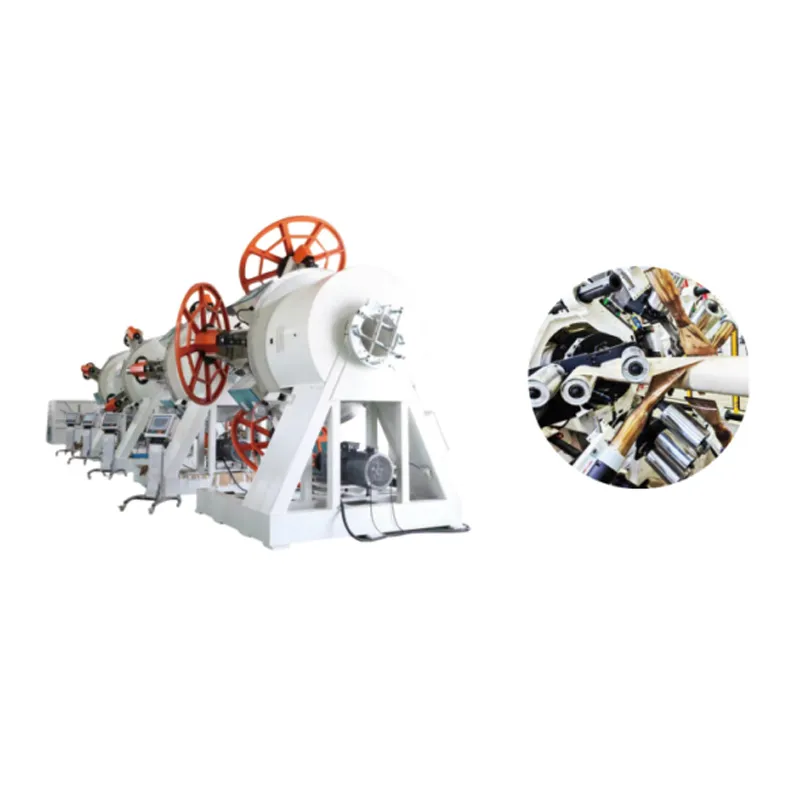
What sets a modern pipe extrusion machine price apart is not just the machinery itself, but the intelligent automation built into the system. A fully automatic pipe extrusion line comes equipped with a PLC (Programmable Logic Controller) and HMI (Human-Machine Interface) that control every stage of production.
Operators can monitor parameters like barrel temperature, screw speed, vacuum pressure, and cutter timing in real-time, minimizing manual intervention and human error. Alarm systems provide instant feedback on any irregularity, reducing downtime and product waste.
These systems are also IoT-enabled in many models, allowing remote diagnostics, predictive maintenance alerts, and digital record keeping. As a result, the pipe extrusion line can run 24/7 with minimal supervision, increasing efficiency and lowering operational costs.
For manufacturers with limited manpower but high output demands, the benefits of automated pipe extrusion production line systems are too significant to ignore.
Why Choose a Trusted Pipe Extrusion Line Manufacturer?
Selecting a reliable pipe extrusion line manufacturer is essential for ensuring long-term production stability, quality assurance, and service support. A well-established manufacturer doesn't just sell equipment—they offer customized system integration, installation guidance, operator training, and post-sales service.
Whether you need a compact setup or a multi-layer, high-output line, working with a reputable pipe extrusion line manufacturer ensures that every aspect of your system—from screw design to die heads—is optimized for your raw materials, applications, and environmental compliance.
Additionally, when evaluating pipe extrusion machine price, factor in the value-added services, energy-saving components, and system scalability. Low upfront cost often means compromised quality, whereas investing in a high-quality pipe extrusion line for sale will deliver superior output, lower maintenance costs, and higher ROI in the long term.
Custom options like servo-driven cutters, belling machines, and in-line printing modules further elevate your production capacity, giving you a competitive edge in both domestic and export markets.
Pipe Extrusion Line FAQs
What is a pipe extrusion line used for?
A pipe extrusion line is used to manufacture plastic pipes made from materials like PVC and PE. It shapes melted plastic through a die and calibrates it into uniform pipes used in plumbing, drainage, gas supply, and more.
How do I choose between PVC and PE on my pipe extrusion production line?
Choose PVC for rigid applications such as electrical conduits and PE for flexible systems like irrigation. Some lines can be configured to process both materials, depending on your application range and market.
How much does a typical pipe extrusion machine price range?
The pipe extrusion machine price varies based on capacity, automation level, and customizations. Entry-level models may start around $50,000, while advanced multi-layer systems can exceed $200,000.
Can I find a complete pipe extrusion line for sale with all auxiliary equipment included?
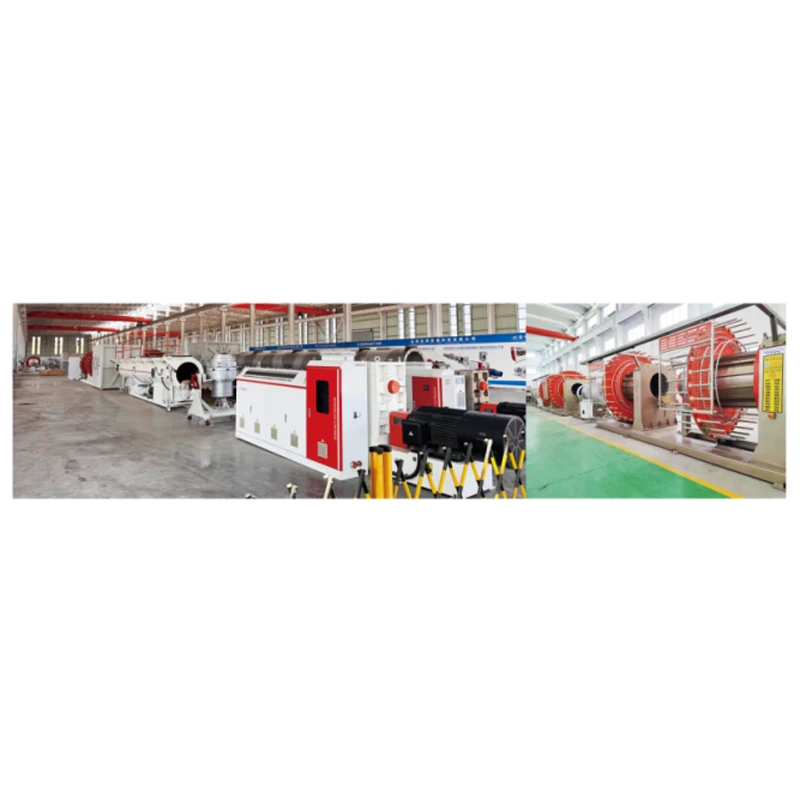
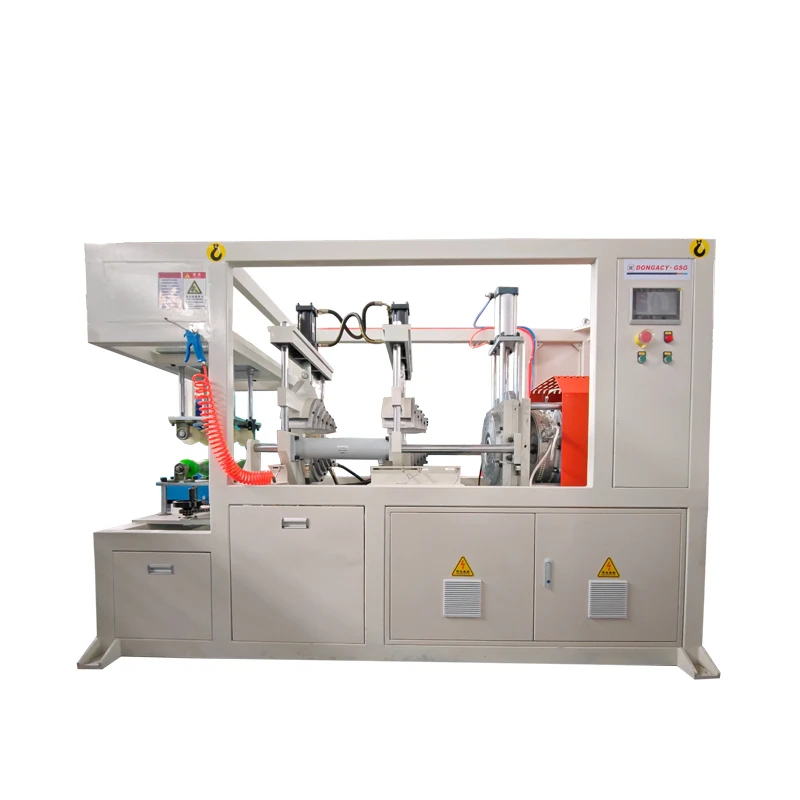
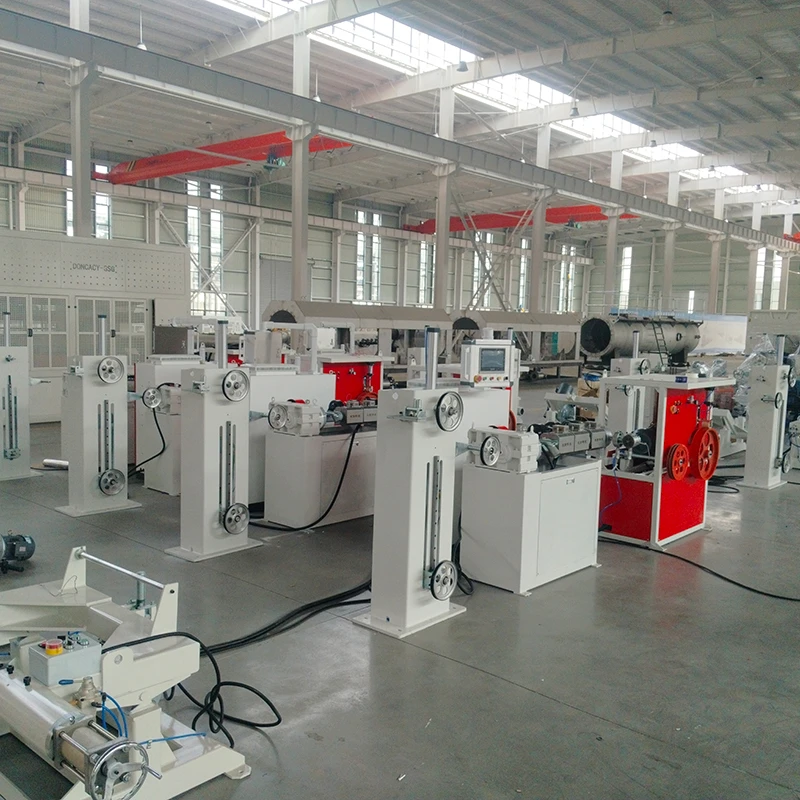
Yes, a complete pipe extrusion line for sale often includes an extruder, die head, calibration tank, haul-off unit, cutter, stacker, and optional accessories. Full turnkey systems are available from leading suppliers.
Why should I choose a professional pipe extrusion line manufacturer instead of a reseller?
A professional pipe extrusion line manufacturer offers end-to-end support, custom design, in-house engineering, and long-term spare parts availability. This ensures your investment is secure and your operation remains efficient.
-
High Efficiency PE Extrusion Line Guide for Plastic ManufacturingNewsApr.16,2026
-
High Speed Steel Wire Mesh HDPE Composite Pipe Production Line - Anhui Dongchai|High Automation&Energy EfficiencyNewsApr.13,2026
-
High Speed Steel Wire Mesh HDPE Composite Pipe Production Line - Anhui Dongchai|High Automation&Energy EfficiencyNewsApr.13,2026
-
Guide to Choosing High Efficiency ppr pipe extrusion machineNewsApr.09,2026
-
Comprehensive Guide to Modern Pipe Production Line Technologies and OptimizationNewsApr.07,2026
-
Choosing the Right Extrusion Pipe Machine for Optimal Plastic Pipe ProductionNewsApr.04,2026
-
Comprehensive Guide to PPR Pipe Extrusion Line Technology and ApplicationsNewsMar.31,2026


