
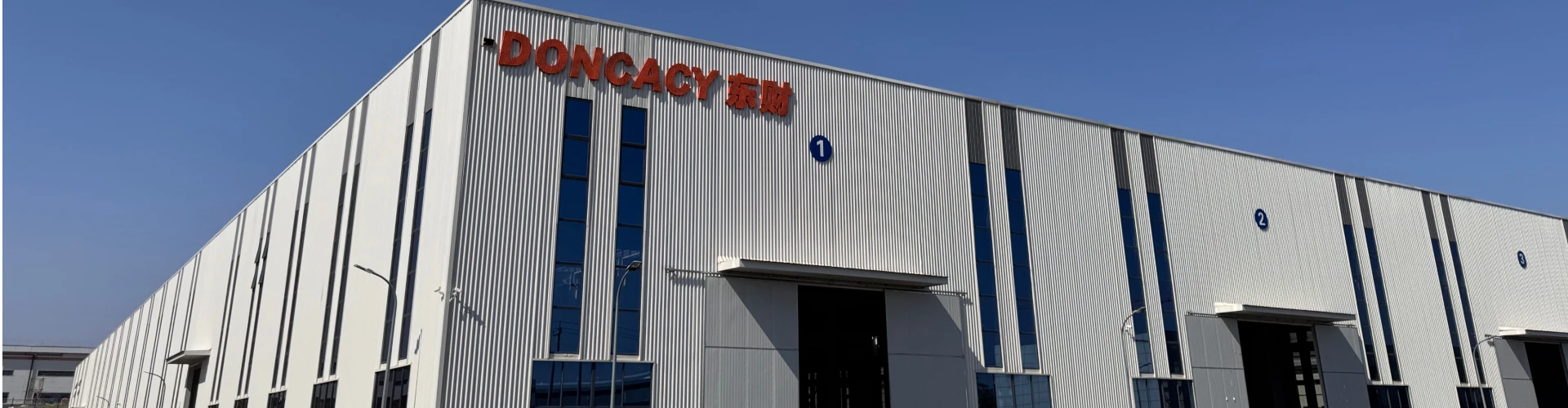
Twin Screw Extruder Manufacturers: A Comprehensive Guide
In the dynamic world of plastics processing, the twin screw extruder stands as a cornerstone of modern manufacturing. These versatile machines are crucial for compounding, masterbatch production, and polymer modification. Selecting the right twin screw extruder manufacturer is paramount for ensuring quality, efficiency, and long-term cost-effectiveness. This article delves into the key considerations when choosing a manufacturer, outlining the factors that separate industry leaders. From technical specifications to after-sales support, we’ll cover everything you need to know to make an informed decision.
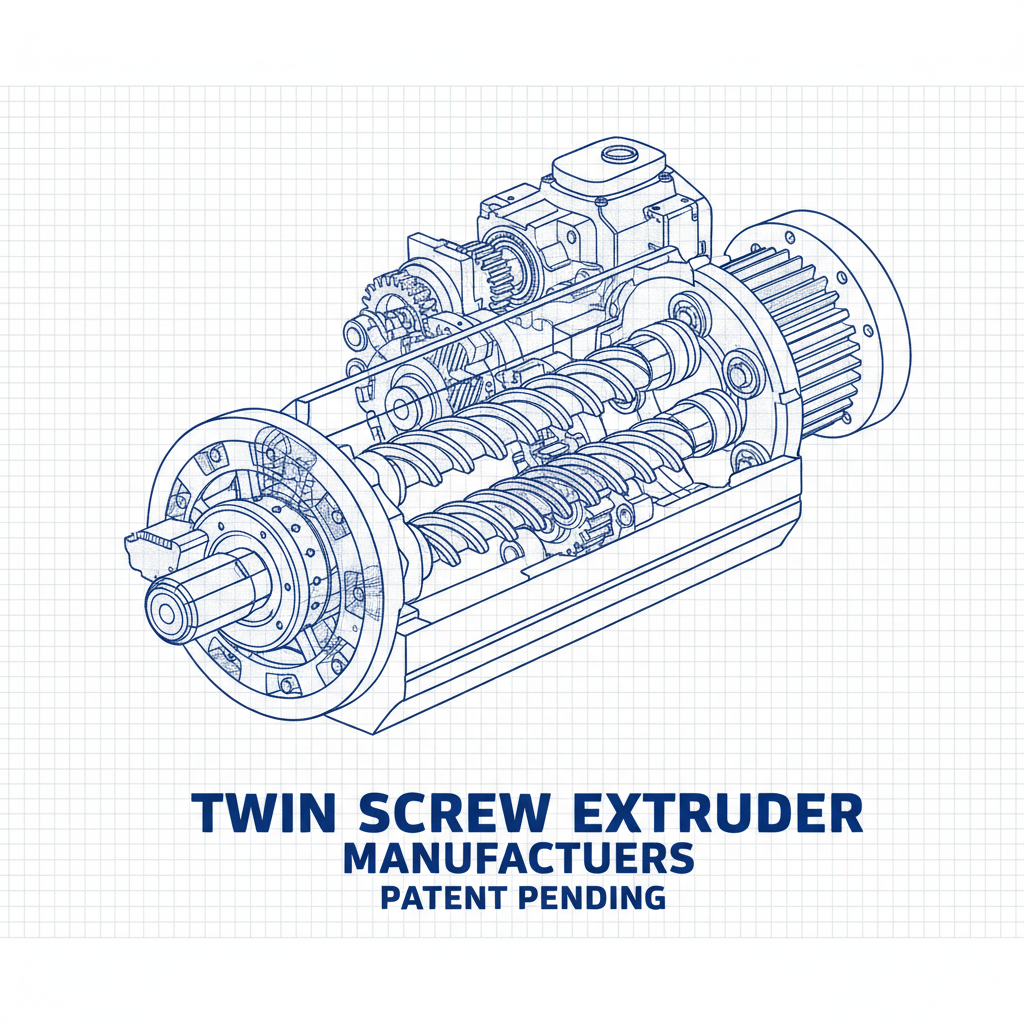
Understanding Twin Screw Extruders
Twin screw extruders differ from single screw extruders in their use of two intermeshing screws to convey and process materials. This configuration provides several advantages, including better mixing, higher output rates, and the ability to process a wider range of materials. They're favored for applications requiring precise control over the melt temperature and homogeneity, such as producing high-quality plastic pellets or compounds. The screw design – whether co-rotating or counter-rotating – significantly impacts the extruder’s performance and suitability for specific applications. Choosing a manufacturer who understands these nuances is crucial.
Key Takeaway: Twin screw extruders offer superior mixing and control compared to single screw extruders, making them ideal for demanding applications.
Key Considerations When Selecting a Manufacturer
Choosing the right twin screw extruder manufacturer requires a thorough evaluation of several factors. These include their technical expertise, manufacturing capabilities, quality control procedures, and after-sales support. Look for manufacturers with a proven track record, positive customer reviews, and a commitment to innovation. Consider their ability to customize extruders to meet your specific processing requirements. A strong emphasis on research and development indicates a manufacturer that stays ahead of industry trends and can offer cutting-edge solutions.
Comparing Top Twin Screw Extruder Manufacturers
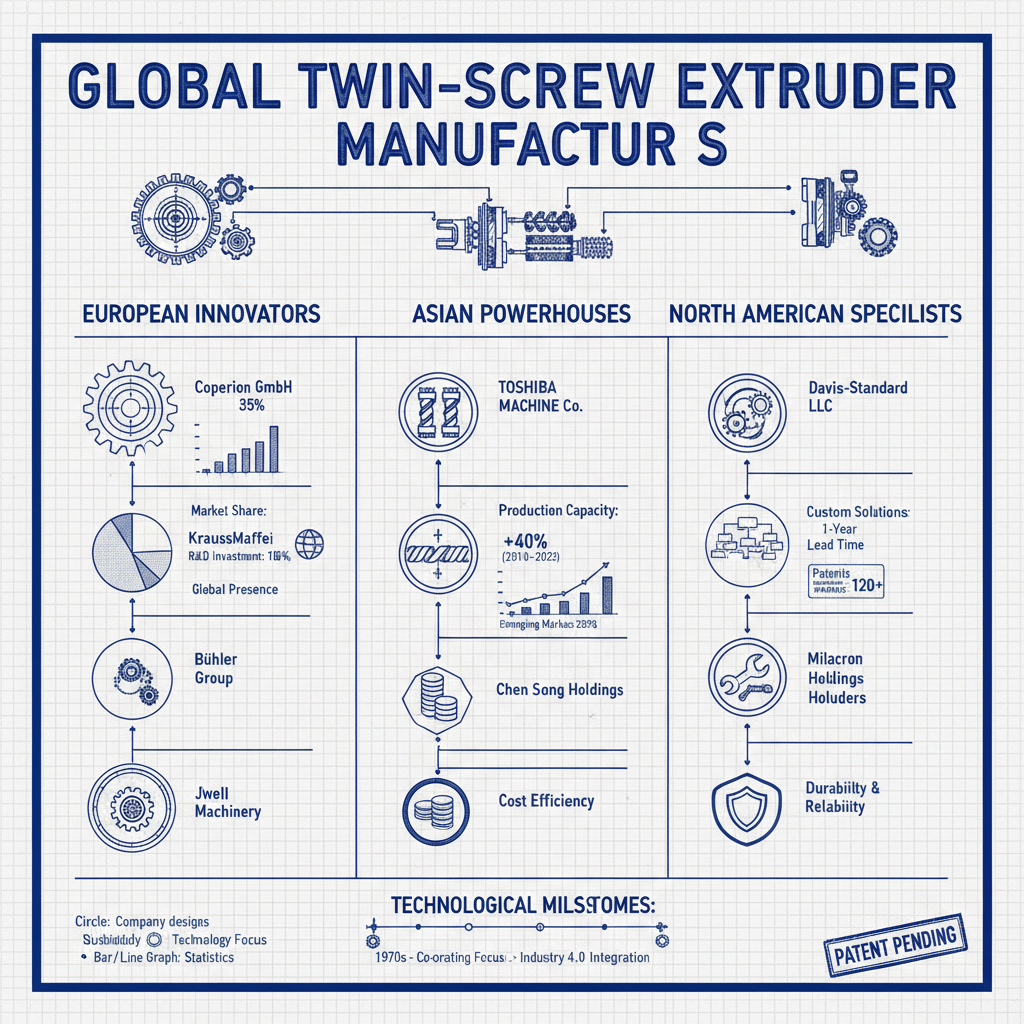
The market for twin screw extruders is competitive, with several reputable manufacturers offering a wide range of machines. Here's a comparative overview of some leading players:
Technical Specifications to Consider
Several technical specifications influence the performance of a twin screw extruder. These include screw diameter, L/D ratio (length to diameter), screw speed, and motor power. Screw diameter determines the throughput capacity, while the L/D ratio affects the degree of mixing and melt homogeneity. Screw speed controls the processing rate, and motor power dictates the extruder's ability to handle viscous materials. Selecting the appropriate specifications depends on your specific application and material properties. A knowledgeable twin screw extruder manufacturer can guide you through this process.
The Importance of After-Sales Support
The purchase of a twin screw extruder is a significant investment. Therefore, robust after-sales support is crucial. This includes installation assistance, operator training, spare parts availability, and maintenance services. A responsive and reliable support team can minimize downtime and ensure the long-term performance of your equipment. Look for manufacturers who offer comprehensive service packages and have a strong reputation for customer satisfaction.
Conclusion: Partnering with the Right Manufacturer
Choosing the right twin screw extruder manufacturer is a critical decision that impacts your production efficiency, product quality, and overall profitability. By carefully considering the factors outlined in this guide, you can select a partner who will provide you with the right equipment and support to meet your specific needs. Don’t hesitate to reach out to multiple manufacturers, request quotes, and discuss your requirements in detail. Invest in quality, and your investment will pay dividends for years to come.
Frequently Asked Questions (FAQs)
What is the typical lead time for a new twin screw extruder?
Lead times can vary significantly depending on the manufacturer, the complexity of the extruder, and current demand. Generally, expect a lead time of 12-24 weeks for a standard machine. Customized extruders or those with specialized features may require longer lead times. It’s essential to discuss lead times upfront with potential manufacturers and factor them into your production planning. Factors such as component availability and manufacturing capacity can also influence the delivery schedule. Reputable manufacturers will provide realistic timelines and keep you informed of any potential delays.
What are the common applications of twin screw extruders?
Twin screw extruders are incredibly versatile and used in a wide range of applications, including: compounding of plastics, masterbatch production, polymer modification (e.g., adding fillers, reinforcing agents), reactive extrusion (e.g., polymerization, devolatilization), and the processing of engineering plastics. They are particularly well-suited for applications requiring precise temperature control, efficient mixing, and the ability to handle difficult-to-process materials. Industries utilizing these extruders include automotive, packaging, construction, and consumer goods.
What maintenance is required for a twin screw extruder?
Regular maintenance is crucial for ensuring the longevity and performance of a twin screw extruder. Key maintenance tasks include: screw cleaning, barrel cleaning, gear box lubrication, motor inspection, and checking heating/cooling systems. The frequency of maintenance will depend on usage and operating conditions. Following the manufacturer's recommended maintenance schedule is essential. Preventive maintenance can significantly reduce the risk of breakdowns and costly repairs. Proper training for operators on routine maintenance procedures is also vital.
-
High Efficiency PE Extrusion Line Guide for Plastic ManufacturingNewsApr.16,2026
-
High Speed Steel Wire Mesh HDPE Composite Pipe Production Line - Anhui Dongchai|High Automation&Energy EfficiencyNewsApr.13,2026
-
High Speed Steel Wire Mesh HDPE Composite Pipe Production Line - Anhui Dongchai|High Automation&Energy EfficiencyNewsApr.13,2026
-
Guide to Choosing High Efficiency ppr pipe extrusion machineNewsApr.09,2026
-
Comprehensive Guide to Modern Pipe Production Line Technologies and OptimizationNewsApr.07,2026
-
Choosing the Right Extrusion Pipe Machine for Optimal Plastic Pipe ProductionNewsApr.04,2026
-
Comprehensive Guide to PPR Pipe Extrusion Line Technology and ApplicationsNewsMar.31,2026


