
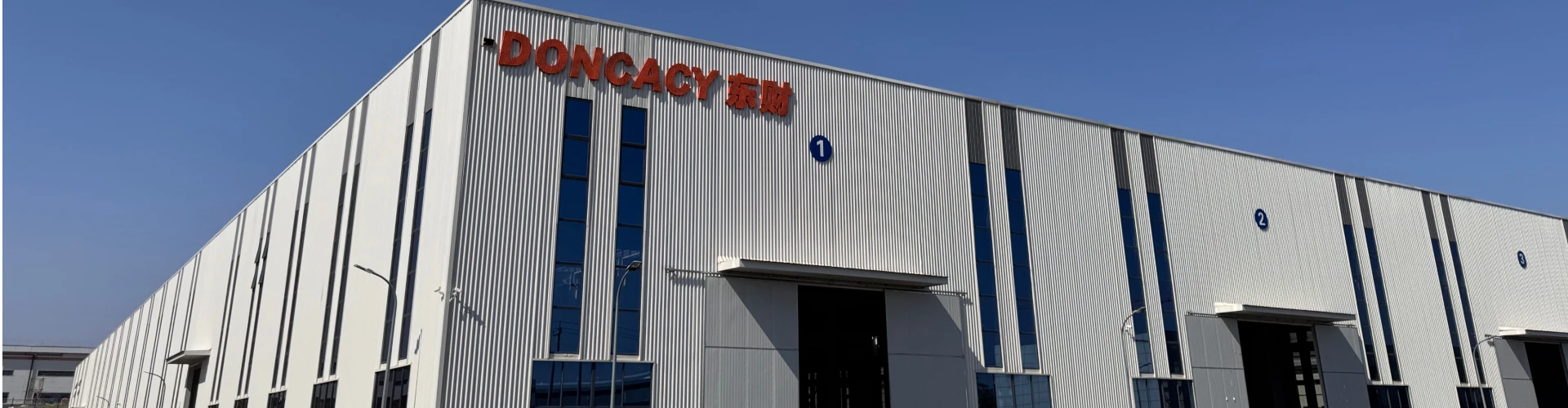
Understanding the PVC Profile Extruder Machine: A Key to Modern Manufacturing
The pvc profile extruder machine is a piece of industrial equipment that's quietly revolutionizing how plastic profiles are produced worldwide. Whether you’re in construction, automotive manufacturing, or even consumer goods, it’s hard to overstate the importance of efficiently creating uniform PVC profiles consistently. Globally, PVC products represent a significant chunk of the plastic market, contributing billions to the economy and offering durable, cost-efficient materials used across countless applications. This machine's role? It turns raw PVC materials into precisely shaped profiles that form the backbone of windows, doors, pipes, and more — enabling rapid industrial production and innovative material design.
Mini takeaway: The PVC profile extruder machine is central to modern manufacturing, marrying automation with material science to serve worldwide industries reliably.
Global Context: Why PVC Profile Extrusion Matters
From bustling factories in China to manufacturing hubs in Germany and emerging markets across Southeast Asia, pvc profile extruder machines form the pulse of plastic profile production. According to the International Trade Center and ISO data, PVC ranks among the top polymers used globally, with its applications growing steadily at 4-6% annually. These machines address a vital problem: producing uniform, durable, and customizable plastic profiles at scale. With the world pushing toward rapid urbanization and infrastructure development (UN reports estimate 68% urban population by 2050), demand for PVC profiles — windows, facades, piping — keeps climbing.
Yet challenges persist. Many plants struggle with energy consumption, material wastage, and maintaining profile consistency across runs. This is where advanced pvc profile extruder machines come into play, incorporating cutting-edge controls and design enhancements to tackle efficiency and ecological concerns head-on.
What Exactly Is a PVC Profile Extruder Machine?
Simply put, a pvc profile extruder machine is industrial equipment that heats and forces PVC resin through a precisely designed mold or die, shaping it into continuous profiles — think window frames, weather strips, or cable conduits. The extruder’s screw rotates inside a heated barrel, melting the PVC and pushing it through the forming die, allowing for continuous, consistent production. This process is fundamental in modern plastic manufacturing and serves a diverse set of industries from building construction to automotive parts.
Its humanitarian side? PVC extruded profiles enable affordable, rapid construction of disaster-resistant shelters and essential infrastructure, especially in developing countries where speed and cost matter. So, it’s not just industrial tech — it’s entwined with social progress.
Key Factors of PVC Profile Extruder Machines
1. Durability and Material Compatibility
These machines must handle a wide range of PVC compounds, including rigid, flexible, and recycled grades, without degrading material quality. This versatility is crucial since projects demand different profile characteristics — from rigid window profiles to flexible seals.
2. Scalability and Production Efficiency
Modular design and automation levels vary greatly. Modern extruders have high-throughput screws and sensors for real-time process monitoring, enabling manufacturers to scale operations without sacrificing quality.
3. Energy Efficiency
Energy consumption is a major cost and environmental factor. The latest extruders employ energy-saving motors, intelligent heating zones, and improved screw designs to minimize power use—especially important in global markets where electricity costs fluctuate.
4. Precision and Consistency
The machine’s design and control systems ensure the PVC profiles maintain tight dimensional tolerances which are critical for downstream assembly (e.g., window fitting). Any variation can cause costly rejects.
5. Ease of Maintenance and Longevity
Manufacturers value machines that minimize downtime. Quick die changes, robust components, and straightforward maintenance protocols keep factories running smoothly — because time really is money.
Product Specifications at a Glance
| Specification | Typical Value |
|---|---|
| Motor Power | 45–110 kW |
| Throughput | 150–650 kg/h |
| Screw Diameter | 90–150 mm |
| Temperature Range | 180–260°C |
| Control System | PLC with touch screen interface |
Global Applications & Use Cases
In Europe, leading construction companies use pvc profile extruder machines to produce energy-efficient window frames that comply with stringent ISO insulation standards. In emerging markets, manufacturers fuel booming housing projects, mass-producing affordable door and window profiles.
NGOs operating in disaster-hit regions leverage extruded PVC profiles to build lightweight, weather-resistant shelters fast — where materials like wood or steel might be scarce or costly. Remote industrial zones use these machines to localize pipe and conduit production, saving on import delays.
Oddly enough, the machine also finds a niche in automotive interiors, shaping trim pieces and seals that demand excellent durability and aesthetics.
Vendor Comparison: A Quick Snapshot
| Feature | Vendor A | Vendor B | Vendor C |
|---|---|---|---|
| Max Throughput (kg/h) | 600 | 550 | 650 |
| Energy Efficiency | High | Medium | High |
| Automation Level | Full | Partial | Full |
| Price Range (USD) | 120,000–150,000 | 90,000–110,000 | 130,000–160,000 |
| After-Sales Support | Excellent | Good | Excellent |
Advantages and Long-Term Value
Using pvc profile extruder machines delivers several tangible benefits. Cost savings come fast, largely because the machines reduce manual labor and produce profiles with minimal waste. Sustainability is another big win: many manufacturers now use recycled PVC materials, reducing landfill loads and resource demand.
Socially, think about safety — the reliability and durability of PVC frames in housing preserve dignity and comfort, especially in low-income or temporary settings. Emotionally, innovators appreciate how extrusion technology nudges industry forward, improving design freedom and product robustness without the typical trade-offs.
Future Trends and Innovations
Looking ahead, the pvc profile extruder machine is evolving hand in hand with sustainability and automation. Green energy-powered factories, digitally controlled extrusion with AI monitoring, and novel bio-based PVC alternatives are emerging fields. Plus, the modular design trend helps manufacturers quickly adapt to market needs — an exciting prospect for those who like to stay ahead.
Challenges and Solutions
The challenges aren’t trivial: high initial investment, operator skill requirements, and energy consumption issues can slow adoption, especially in developing regions. But many companies tackle this by combining training programs, leasing options, and integrating smart energy management systems — which frankly, seems like the smartest way forward.
Frequently Asked Questions About PVC Profile Extruder Machines
- Q: How does the pvc profile extruder machine improve production speed compared to traditional methods?
A: The machine continuously processes raw PVC into profiles without interruption, unlike manual shaping or molding, which is batch-based. This continuous flow greatly boosts throughput and reduces labor, improving production speed significantly. - Q: What maintenance is typically required for these machines to ensure longevity?
A: Regular cleaning of the screw and barrel, lubrication of moving parts, prompt replacement of worn dies, and software updates for control systems keep the machine in peak condition. Most vendors provide detailed schedules and support. - Q: Are pvc profile extruder machines environmentally friendly?
A: While PVC itself has environmental considerations, modern extrusion machines focus on energy efficiency and often use recycled PVC feedstock, which reduces lifecycle impact. Many manufacturers are also investing in waste reduction technologies during extrusion. - Q: Can I customize profile shapes using these extruders?
A: Absolutely. Changing the die mold allows you to produce various profile geometries tailored to specific applications — from simple rectangular window frames to complex multi-chamber pipe designs. - Q: How can international clients import this machinery efficiently?
A: Most vendors offer global shipping and assistance with customs documentation. It’s advisable to partner with suppliers who provide installation and technical support locally, which can streamline deployment and training.
Conclusion
Ultimately, the pvc profile extruder machine underpins a vast array of industries by delivering efficient, scalable, and sustainable plastic profile production. Its global relevance touches everything from architectural innovation to humanitarian relief. Given the ongoing rise in urban infrastructure and the need for eco-conscious manufacturing, investing in this technology feels not just smart but essential.
If you’re keen to explore how the right equipment can transform your production line, I suggest visiting our resource hub at pvc profile extruder machine — plenty of insights, specs, and expert advice await you there.
Thanks for reading through this — I hope it gives you a clearer picture of how something as technical sounding as a PVC profile extruder machine actually shapes the world around us.
Mini takeaway: Investing in the right pvc extrusion technology unlocks efficiency, sustainability, and innovation that lasts.
References
-
High Efficiency PE Extrusion Line Guide for Plastic ManufacturingNewsApr.16,2026
-
High Speed Steel Wire Mesh HDPE Composite Pipe Production Line - Anhui Dongchai|High Automation&Energy EfficiencyNewsApr.13,2026
-
High Speed Steel Wire Mesh HDPE Composite Pipe Production Line - Anhui Dongchai|High Automation&Energy EfficiencyNewsApr.13,2026
-
Guide to Choosing High Efficiency ppr pipe extrusion machineNewsApr.09,2026
-
Comprehensive Guide to Modern Pipe Production Line Technologies and OptimizationNewsApr.07,2026
-
Choosing the Right Extrusion Pipe Machine for Optimal Plastic Pipe ProductionNewsApr.04,2026
-
Comprehensive Guide to PPR Pipe Extrusion Line Technology and ApplicationsNewsMar.31,2026


