
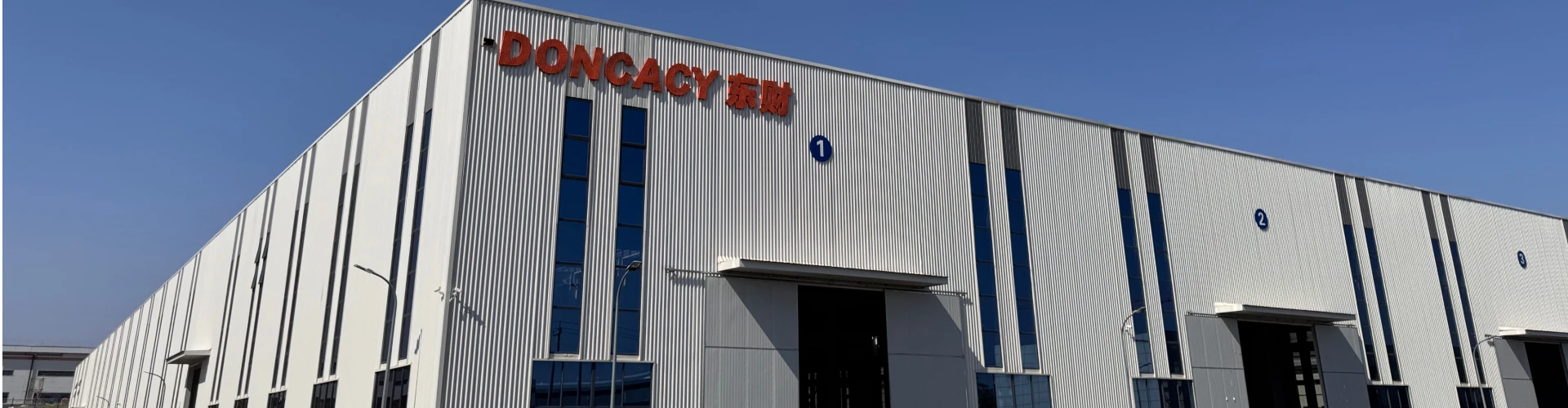
Lab Extruders is a key solution in the industry, specifically within material science, polymer research, and advanced manufacturing sectors. This article explores how https://www.ahdc11.com supports professionals with durable, high-performance products, and explains why this product is an ideal choice for businesses in these sectors.
Table of Contents
- Lab Extruders Overview
- Benefits & Use Cases of Lab Extruders
- Cost, Maintenance & User Experience
- Sustainability & Market Trends
Lab Extruders Overview
At its core, a Lab Extruder is a compact yet sophisticated device designed to process polymers, blends, or composites in a controlled laboratory environment. You can think of it as the crucial first step in product development for materials that eventually become high-performance plastics, films, or even biopolymers. What makes these extruders stand out is their ability to simulate industrial extrusion conditions but on a reduced scale, which, frankly, is pretty important for R&D and testing.
Technically, these machines often feature modular screws where speed, temperature, and pressure can be accurately controlled — allowing scientists and engineers to tweak recipes and formulations with precision. For example, a twin-screw lab extruder might offer variable screw configurations, heat zones up to 300°C, and throughput ranging from a few grams to several kilograms per hour. AHDC’s lineup, accessible at their website, includes models tailored to various research needs, making them a go-to for many labs worldwide.
| Specification | Model AHD-LE50 | Model AHD-TS100 |
|---|---|---|
| Screw Type | Single Screw | Twin Screw |
| Max Temperature | 300°C | 320°C |
| Throughput | up to 3 kg/hr | up to 10 kg/hr |
| Control System | Manual | Touchscreen PLC |
Benefits & Use Cases of Lab Extruders
Now, why do B2B decision makers keep turning to lab extruders? Simply put, these machines enable companies—whether polymers producers, food manufacturers, or pharmaceutical labs—to develop new formulations and test processing conditions without the huge costs of full-scale equipment. The benefits stretch from rapid prototyping to in-depth material behavior analysis.
For instance, in the plastics industry, a R&D team might use a lab extruder to trial various additives or fillers, ensuring optimal dispersion and mechanical properties before moving to mass production. And that’s exactly where AHDC’s products shine: reliable temperature control, customizable screw designs, and real-time monitoring mean experiments yield consistent data. It’s an advantage that, oddly enough, many believe gives their clients a leg up in competitive markets.
Plus, the compact footprint of these extruders fits well into crowded labs, and their modular nature means product customization is just part of the deal. Engineers often praise the flexibility to swap screws or install side feeders, which highlights how practical lab extruders can be for varied applications.
Cost, Maintenance & User Experience
Understanding the total cost of ownership is crucial, especially for lab equipment. Lab extruders, while specialized, are often surprisingly cost-effective when you factor in what they replace. Instead of investing in pilot-scale production lines, a single lab extruder from AHDC can cover multiple experiments or even small-batch manufacturing.
Durability is another plus; the heavy-duty build and quality materials mean maintenance cycles are long. I spoke with a few engineers who told me their AHDC lab extruders have run steadily for years with minimal downtime—this kind of reliability translates directly into ROI and operational smoothness.
And user experience? The intuitive touchscreen PLC control is a hit with operators, even those new to extrusion technology. Plus, access to detailed manuals and solid customer support from AHDC means issues get resolved fast. As a result, it's not just about buying a machine but investing in a partnership that keeps development on track.
Sustainability & Market Trends
Sustainability has become a buzzword, sure, but in the world of lab extrusion, it’s something you can’t ignore. Regulatory pressure and evolving consumer demands push industries to innovate eco-friendly materials. Lab extruders are indispensable here because they enable low-waste testing of bioplastics, recycled polymers, and composites under real processing conditions.
Market growth projections hint at increasing adoption of lab-scale extrusion not just for polymers but also in areas like pharmaceuticals and food science, where precision and safety are non-negotiable. In fact, companies who invest in flexible lab extruders like AHDC’s tend to stay ahead of regulations and capture emerging niche markets faster.
| Vendor | Product Range | Customization | Price Range | Support & Service |
|---|---|---|---|---|
| AHDC | Wide, including single & twin screw | High – modular screw design, feeders | Mid-range | Extensive, global |
| Competitor X | Limited to single screw | Low | Lower | Moderate |
| Competitor Y | Twin screw only | Medium | Higher | Good |
Frequently Asked Questions about Lab Extruders
- What is Lab Extruders and how does it work?
- Lab Extruders are machines designed for small-scale extrusion processes, mainly in research settings. They melt, mix, and form materials—usually polymers—into consistent shapes by pushing them through a shaped die using rotating screws. This simulates manufacturing on an industrial scale but allows for controlled testing and product development.
- What are the main benefits of using Lab Extruders in industrial applications?
- They offer cost savings by minimizing material use during development, provide precise control over processing variables, and accelerate innovation cycles. Their modularity and reliability also improve data consistency for scaling up to production lines.
- How does Lab Extruders compare to traditional alternatives?
- Compared to traditional pilot-scale machines, Lab Extruders are smaller, more flexible, and easier to maintain. They allow faster experimentation with less waste, though they do have throughput limitations compared to full production systems.
- What industries can benefit most from Lab Extruders implementation?
- Polymer manufacturers, medical device firms, food scientists, and even pharmaceutical companies utilize lab extruders. Their versatility supports research in plastics, biopolymers, nutraceuticals, and more, enabling tailored material development and quality assurance.
Conclusion on Lab Extruders from china
In real terms, Lab Extruders are a linchpin for innovation in material science and manufacturing. They give businesses a chance to experiment, refine, and perfect formulas without the massive upfront costs and risks of full-scale production. The value they deliver is immense—from speeding development to facilitating sustainability goals. If you're in a sector where material processing is vital, exploring what AHDC’s lab extruders offer might be a step well worth taking.
- Recap the value of Lab Extruders.
- - "Visit our website: https://www.ahdc11.com"
Often what you find is that investing in flexible, well-supported lab extrusion equipment becomes less of a cost and more of a strategic asset for developing tomorrow’s materials.
-
High Efficiency PE Extrusion Line Guide for Plastic ManufacturingNewsApr.16,2026
-
High Speed Steel Wire Mesh HDPE Composite Pipe Production Line - Anhui Dongchai|High Automation&Energy EfficiencyNewsApr.13,2026
-
High Speed Steel Wire Mesh HDPE Composite Pipe Production Line - Anhui Dongchai|High Automation&Energy EfficiencyNewsApr.13,2026
-
Guide to Choosing High Efficiency ppr pipe extrusion machineNewsApr.09,2026
-
Comprehensive Guide to Modern Pipe Production Line Technologies and OptimizationNewsApr.07,2026
-
Choosing the Right Extrusion Pipe Machine for Optimal Plastic Pipe ProductionNewsApr.04,2026
-
Comprehensive Guide to PPR Pipe Extrusion Line Technology and ApplicationsNewsMar.31,2026


