
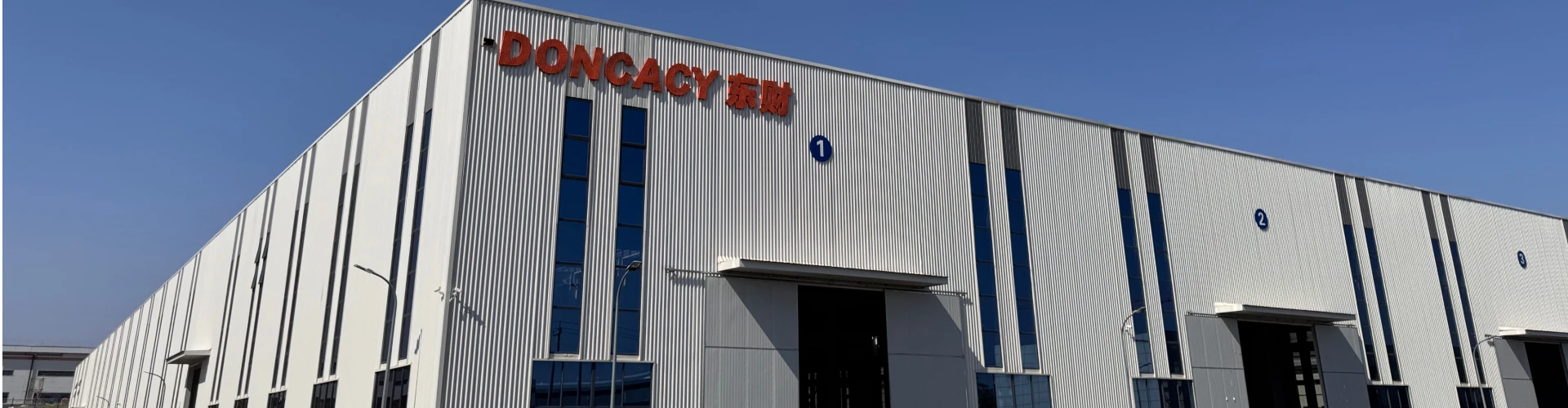
The Growing Importance of the Automatic Sealing Machine in Global Industry
Have you ever wondered how packages maintain their integrity and safety across vast distances and rough handling? That’s where the automatic sealing machine comes in—a subtle yet crucial player ensuring products remain secure, fresh, and contamination-free. Worldwide, from food production lines to pharmaceutical packaging, the demand for fast, reliable sealing solutions has never been higher. Understanding how these machines work and why they matter isn’t just for engineers or factory managers; in a world increasingly concerned with safety, efficiency, and sustainability, these devices quietly keep things moving.
Introduction: Why Automatic Sealing Machines Matter on a Global Scale
The global packaging machinery market was valued at roughly $40 billion in 2023, with automatic sealing machines accounting for a healthy slice of that figure. According to ISO standards and reports from bodies like the World Bank, efficient packaging and sealing reduce product waste by up to 25%, saving resources and cutting costs. Particularly in food, pharmaceutical, and medical supply chains, sealing is literally a matter of life and death.
But here’s the catch: as demand soars, so do challenges—like climate-friendliness, speed, and adaptability to various products. The automatic sealing machine addresses these, bridging the gap between mass production requirements and delicate product handling. In fact, many industries are under pressure to streamline operations without compromising safety, and reliable sealing technology is a key answer.
What Exactly Is an Automatic Sealing Machine?
Simply put, an automatic sealing machine is a device designed to close and seal packages—ranging from bags and pouches to boxes and bottles—without manual intervention. Powered by sensors, conveyors, and heating or adhesive technologies, it ensures consistent closure quality with minimal downtime. At its core, it’s about taking humans out of a repetitive, error-prone task and replacing it with precision, speed, and consistency.
In modern manufacturing, these machines link industrial automation with quality control, ensuring products from fresh snacks to sensitive medical supplies stay airtight and safe during shipping and storage. On a humanitarian side, sealed packaging helps prevent contamination in disaster relief supplies—think bottled water or medical kits shipped to remote areas.
Key Factors That Make Automatic Sealing Machines Stand Out
1. Durability
Many engineers I’ve spoken with emphasize durability as the backbone of these machines. They often work in tough environments—humid food factories, dusty pharmaceutical cleanrooms, or even harsh outdoor conditions. Materials like stainless steel frames and high-grade polymers help them withstand corrosion and wear. Without solid build quality, downtime spikes, and that’s a productivity nightmare.
2. Scalability
Whether you’re sealing 500 pouches an hour or 5,000, scalability matters. Modern automatic sealing machines are modular, adjusting easily to various package sizes and production speeds. This flexibility is vital for companies experiencing fluctuating demand or those testing product variants.
3. Cost Efficiency
Operating costs mostly come from energy use, maintenance, and materials. Cutting-edge sealing tech often features energy-saving modes and quick-change tooling. Frankly, those quick-change-and-go systems have saved operators countless hours during product switches—boosting overall line efficiency.
4. User-Friendly Operation
Touchscreen interfaces and smart sensors aren’t merely flashy; they make a significant difference in operator training times and error rates. Machines now self-diagnose faults, suggest fixes, and can even be remote-monitored—qualities that matter when teams are small or spread across locations.
5. Sustainability
There’s increasing pressure for packaging to be eco-friendly, not just for marketing but from a regulatory perspective. Some advanced sealing machines support biodegradable films and optimize the sealing process to reduce plastic overuse. This careful stewardship reflects shifting global values.
Where Are Automatic Sealing Machines Used Around the World?
The global reach of automatic sealing machines is vast. In Asia, for example, the booming food processing sector drives huge demand—think of snack manufacturers in South Korea or tea packers in India.
- Food Industry: Ensuring sealed freshness in snacks, dairy, and beverages.
- Pharmaceuticals: Sterile blister packs and sealed bottles safeguard medicines.
- Humanitarian Aid: Packages of emergency supplies require robust sealing to survive transport to disaster zones.
- Electronics: Sensitive components sealed to prevent static, dust, and moisture.
Oddly enough, the demand in remote industrial zones, such as mining operations in South America or African agricultural hubs, highlights the importance of on-site reliable sealing—which can’t always rely on manual labor.
Advantages and Long-Term Value of Using Automatic Sealing Machines
To be frank, these machines offer a rare combination of benefits:
- Cost Savings: Reduced labor costs and fewer defective packages.
- Consistency: Uniform sealing quality that’s impossible to replicate by hand.
- Sustainability: Less material waste and energy-efficient operation.
- Safety & Hygiene: Automated sealing helps prevent contamination crucial for medical or food products.
- Trust & Brand Integrity: Customers immediately notice poor packaging. A reliable seal builds confidence.
It’s interesting how such a “behind-the-scenes” piece of machinery can evoke a strong emotional response from brands and consumers alike. I suppose it’s that silent assurance of quality in every package.
Future Trends and Innovations in Automatic Sealing Technology
Looking ahead, digital transformation continues to push the envelope. Artificial intelligence-enabled sealing machines can optimize operational parameters in real-time, adapting to material fluctuations and environmental changes.
Moreover, sustainability is spurring innovation in sealing materials—biodegradable films, water-based adhesives, and solar-powered machine components.
We’re also seeing hybrid machines that combine sealing with labeling, coding, or even quality inspection, streamlining multiple processes into one compact footprint.
Challenges Faced and Innovative Solutions
Despite advances, challenges remain. For instance, sealing irregular or fragile products can be tricky—too much heat or pressure ruins the package, too little compromises the seal. The solution often lies in precision controls, sensor feedback loops, and AI-based predictive maintenance to minimize failures.
Also, high upfront costs can be a hurdle for small businesses. Leasing models and modular machines that scale up gradually help spread investment risks.
| Feature | Specification | Details |
|---|---|---|
| Sealing Type | Heat, Induction, or Adhesive | Depends on packaging material |
| Speed | 200 - 3,000 packages/hour | Varies by model |
| Package Size Range | 50mm - 400mm width | Adjustable guides |
| Power Consumption | 1.5 kW - 4 kW | Energy efficient models available |
| User Interface | Touchscreen with diagnostics | Supports remote monitoring |
Comparing Popular Vendors of Automatic Sealing Machines
| Vendor | Price Range | Key Strength | Technical Support |
|---|---|---|---|
| PackPro Industries | $15,000 - $30,000 | Robust build, high throughput | 24/7 phone and onsite |
| SealTech Solutions | $10,000 - $25,000 | Flexible models, modular design | Remote diagnostics and chat support |
| EcoSeal Systems | $18,000 - $35,000 | Focus on sustainability & energy-efficient models | Email and knowledge base |
Frequently Asked Questions About Automatic Sealing Machines
Q1: What types of packaging materials can an automatic sealing machine handle?
Most modern automatic sealing machines can work with a variety of materials including plastic films, foil, paper, and laminated pouches. Some models are specialized for heat sealing, others for induction or adhesive sealing depending on the packaging requirements. It’s best to check compatibility with your specific materials.
Q2: How difficult is it to switch between different package sizes?
Thanks to modular design and adjustable guides, many machines allow switches within minutes. Some vendors even offer tool-less adjustments or programmable size presets, significantly cutting downtime during production runs of different SKUs.
Q3: Are automatic sealing machines energy efficient?
Newer models often include features like standby modes, optimized seal timing, and better insulation to reduce power consumption. Choosing the right technology for your packaging film and production scale can further improve efficiency and reduce costs.
Q4: Can I integrate an automatic sealing machine into an existing production line?
Absolutely. Most machines are designed with standard conveyor interfaces and software integration options. Vendors typically assist with customization and commissioning to ensure smooth incorporation into your workflow.
Q5: What maintenance is required to keep an automatic sealing machine running smoothly?
Regular cleaning of seal jaws, checking heating elements, ensuring sensor calibration, and lubrication of mechanical parts are common maintenance tasks. Many machines have predictive diagnostics that warn you before parts wear out, helping avoid unexpected downtime.
Conclusion: Why Investing in an Automatic Sealing Machine Pays Off
At the end of the day, an automatic sealing machine isn’t just a piece of equipment; it’s a trusted ally in delivering quality, safety, and efficiency. Whether you're a startup snack manufacturer or a global pharmaceutical provider, the benefits of automation, consistency, and adaptability are too significant to ignore. With ongoing innovations driving energy savings and smarter controls, now’s a great time to consider how an automatic sealing machine could transform your packaging process.
Visit our website at https://www.ahdc11.com to explore the latest models and speak with packaging experts ready to tailor a solution for you.
1. ISO Packaging Machinery Standards – iso.org
2. World Bank: Manufacturing and Industrial Analysis 2023 – worldbank.org
3. Wikipedia: Packaging Machinery – wikipedia.org
-
High Efficiency PE Extrusion Line Guide for Plastic ManufacturingNewsApr.16,2026
-
Guide to Choosing High Efficiency ppr pipe extrusion machineNewsApr.09,2026
-
Comprehensive Guide to Modern Pipe Production Line Technologies and OptimizationNewsApr.07,2026
-
Choosing the Right Extrusion Pipe Machine for Optimal Plastic Pipe ProductionNewsApr.04,2026
-
Comprehensive Guide to PPR Pipe Extrusion Line Technology and ApplicationsNewsMar.31,2026
-
Understanding the Functionality and Applications of a Pipe Extruder SystemNewsMar.28,2026
-
Comprehensive Guide to Pipe Extrusion Machine Technology and ApplicationsNewsMar.26,2026


