
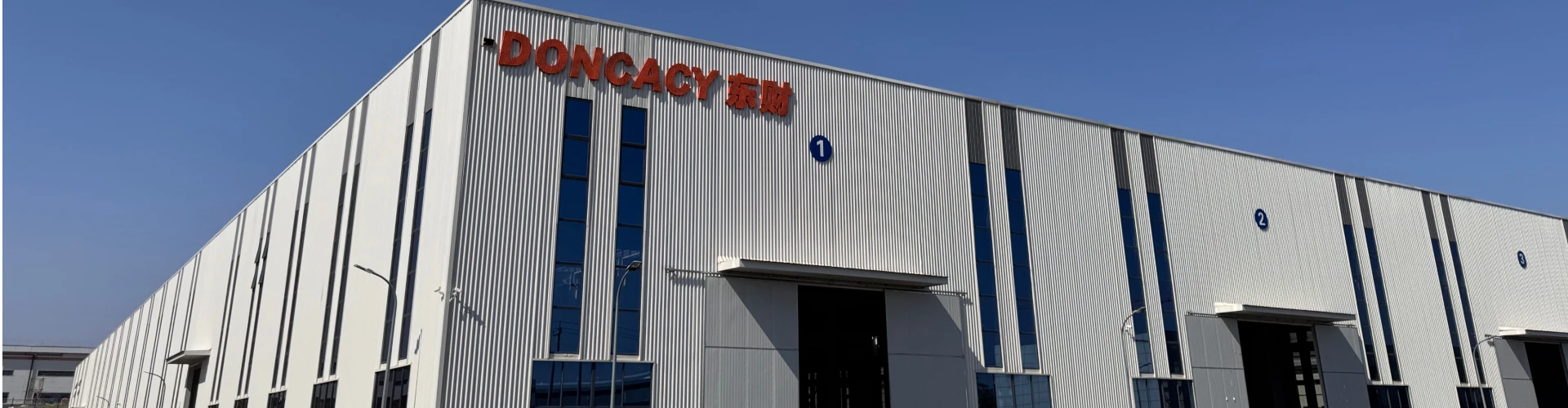
Introduction to Advanced PVC Profile Production Lines
In the rapidly evolving landscape of construction and manufacturing, the demand for high-performance, durable, and cost-effective materials continues to surge. Polyvinyl Chloride (PVC) profiles stand at the forefront of this demand, offering unparalleled versatility and longevity. Central to their creation are sophisticated extrusion systems, commonly referred to as pvc profile production line. These advanced lines are engineered to transform raw PVC compounds into precise, uniform profiles used in a myriad of applications, from window and door frames to decking and industrial components. This article delves into the critical aspects of modern PVC profile manufacturing, exploring industry trends, technical specifications, application versatility, and the strategic advantages offered by cutting-edge extrusion technology.
The efficient production of PVC profiles requires a deep understanding of material science, process engineering, and precision machinery. Manufacturers are increasingly seeking solutions that not only ensure high output and consistency but also offer energy efficiency and adaptability to various product designs. Our focus here is to provide a comprehensive overview for B2B decision-makers and engineers, highlighting how state-of-the-art extrusion lines deliver on these complex requirements.
Industry Trends and Market Dynamics
The global market for PVC profiles is experiencing robust growth, driven by urbanization, infrastructure development, and increasing adoption of energy-efficient building materials. Key trends include:
- Sustainability & Recycling: A growing emphasis on using recycled PVC materials and developing production lines that minimize waste and energy consumption. This includes co-extrusion technologies for multi-layered profiles, often incorporating recycled content in inner layers.
- Smart Automation: Integration of Industry 4.0 principles, including IoT sensors, predictive maintenance, and AI-driven process optimization to enhance efficiency, reduce downtime, and improve product quality.
- High-Performance Profiles: Demand for profiles with enhanced thermal insulation, soundproofing, fire resistance, and improved structural integrity, particularly for pvc window profile extrusion line applications.
- Customization: Increased demand for highly specialized and aesthetic profiles, requiring flexible and rapidly reconfigurable extrusion lines. This also extends to larger format profiles, driving innovation in hollow profile sheet extrusion line technology.
- Global Market Expansion: Significant growth in emerging economies, fueling demand for both new installations and upgrades of existing pvc profile extrusion infrastructure.
These trends necessitate extrusion equipment that is not only robust and reliable but also intelligent and adaptable to diverse manufacturing requirements and evolving market demands.
Detailed Process Flow of a PVC Profile Production Line
The manufacturing of PVC profiles involves a series of meticulously controlled stages, ensuring the final product meets stringent quality and performance standards. A typical pvc profile production line comprises several key components working in synergy:
1. Material Preparation & Feeding
- Raw Materials: The primary material is PVC resin (suspension or emulsion type), combined with various additives: stabilizers (e.g., calcium-zinc based for lead-free profiles), lubricants, processing aids, impact modifiers, fillers (e.g., calcium carbonate), pigments, and UV inhibitors. These are crucial for enhancing processing, durability, and final product properties.
- Mixing: Raw materials are precisely weighed and mixed in a high-speed hot mixer, followed by a cold mixer. This process, often referred to as "compounding," ensures uniform dispersion of additives and pre-gelatinization, preventing degradation during extrusion.
- Feeding System: The homogenized PVC compound is then fed into the extruder hopper, typically using a gravimetric or volumetric feeder for precise and consistent material supply.
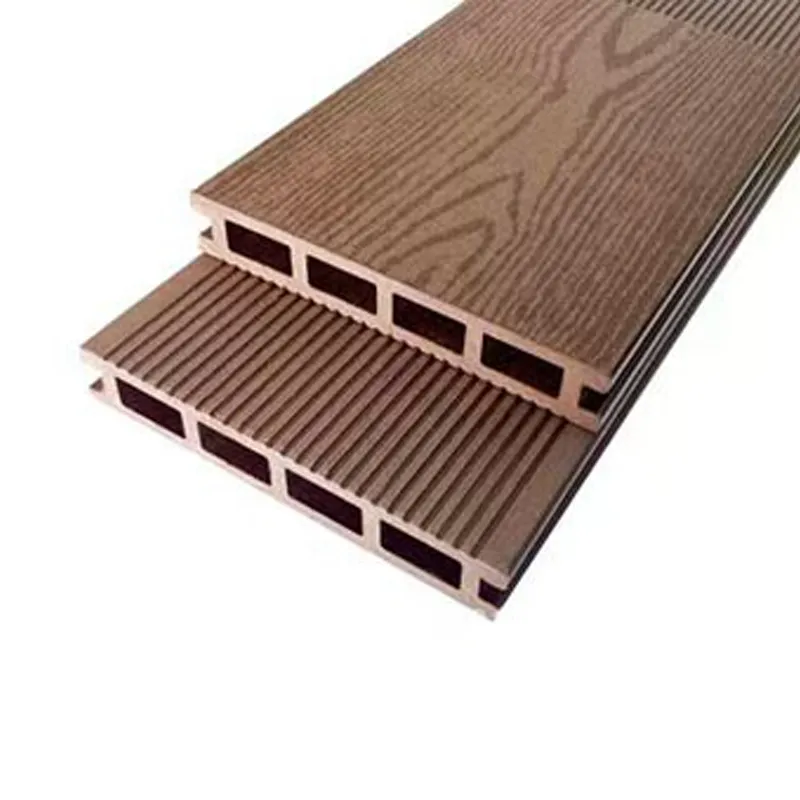
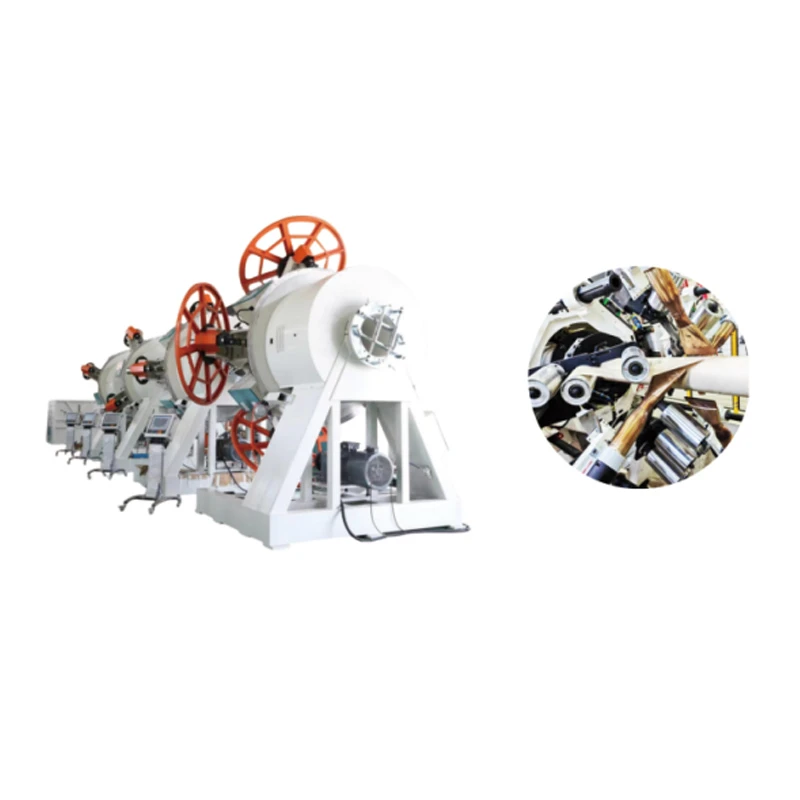
Figure 1: Automated Material Feeding System for PVC Extrusion.
2. Extrusion (Molding)
- Twin-Screw Extruder: The heart of the line. PVC compounds are highly viscous and heat-sensitive, requiring specialized conical or parallel twin-screw extruders. The screws rotate, melting and homogenizing the material through shear forces and heat. Critical zones include feeding, compression, metering, and degassing zones.
- Die Head: The molten PVC is pushed through a precisely engineered die head, which forms the material into the desired profile shape. Die design is critical for achieving consistent dimensions and smooth surfaces.
- Manufacturing Process Emphasis: This stage relies on sophisticated CNC machining for die fabrication, ensuring high precision and repeatability. The extrusion process itself involves careful control of temperature profiles across barrel zones, screw speed, and pressure to maintain melt integrity and prevent degradation.
3. Calibration & Cooling
- Vacuum Calibration Tank: Immediately after exiting the die, the hot, malleable profile enters a vacuum calibration unit. Here, water-cooled calibrators, under vacuum pressure, gently shape and solidify the profile to its final dimensions. The vacuum ensures intimate contact between the profile and the calibrator, facilitating rapid and accurate cooling.
- Cooling Tanks: Subsequent water-cooling tanks further reduce the profile's temperature, setting its shape and preventing warpage. Efficient cooling is vital for dimensional stability and preventing internal stresses.
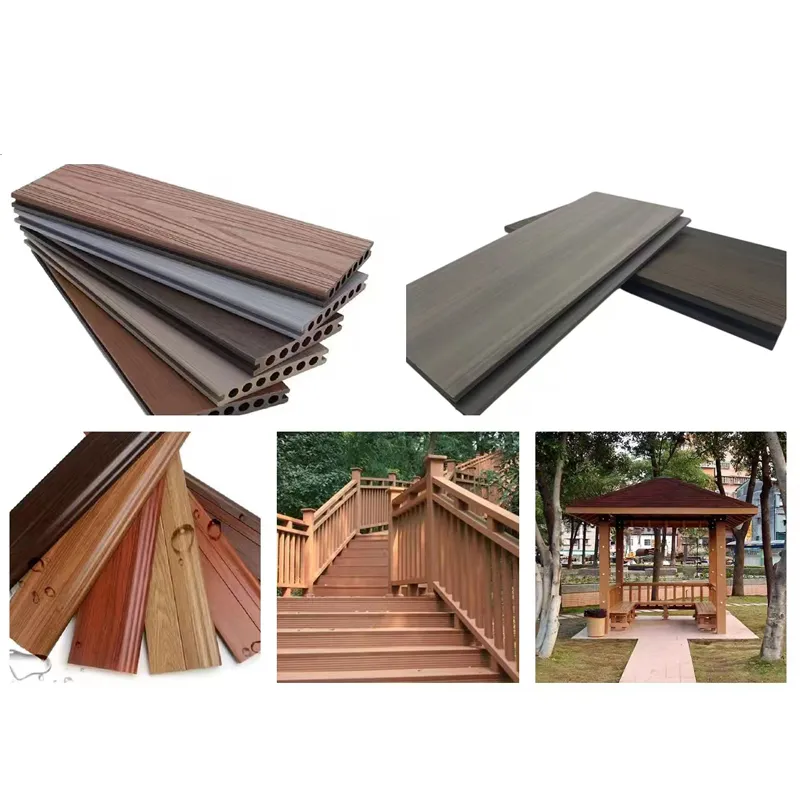
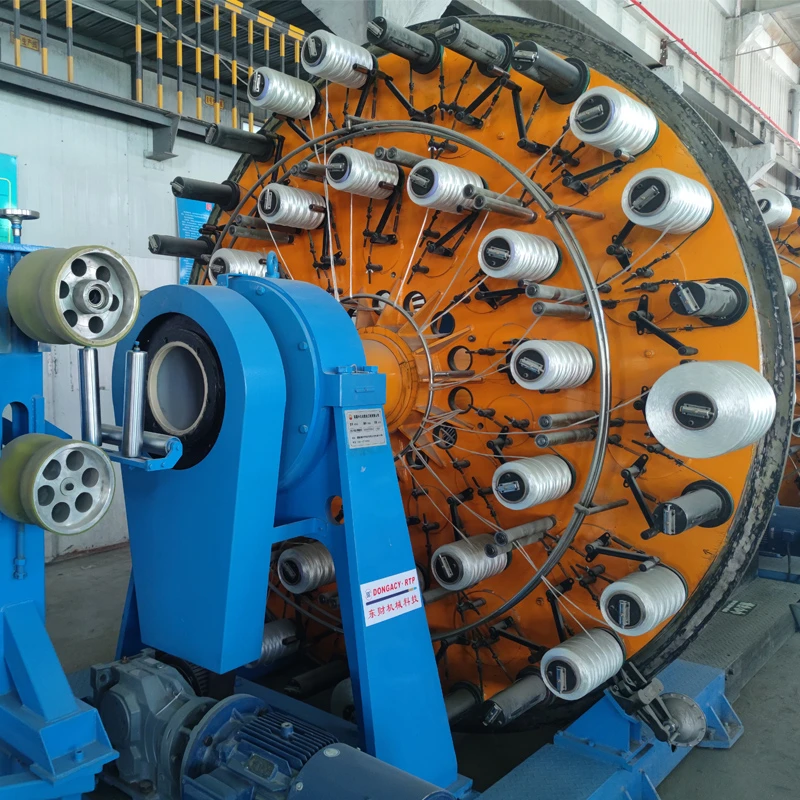
Figure 2: Precision Vacuum Calibration Unit.
4. Haul-off & Cutting
- Haul-off Unit: A multi-caterpillar or belt type haul-off unit continuously pulls the profile through the calibration and cooling stages at a consistent, controlled speed. This speed is synchronized with the extruder output to prevent stretching or compression of the profile.
- Cutting Unit: A precision cutting saw, typically a planetary or blade cutter, cuts the continuous profile into desired lengths. This unit is often equipped with dust extraction and can be programmed for specific cut lengths and batching.
5. Stacking & Inspection
- Stacker/Table: Cut profiles are automatically conveyed to a stacking unit or collection table for packaging.
- Testing Standards: Throughout the process, quality control measures are implemented. Finished profiles are regularly inspected for dimensional accuracy, surface finish, color consistency, and mechanical properties. Testing often adheres to international standards such as ISO (e.g., ISO 1163 for PVC plastics, ISO 2796-1 for dimensional stability), ASTM (e.g., ASTM D4216 for rigid PVC), and relevant national standards (e.g., EN standards for Europe). These tests ensure the product meets specifications for tensile strength, impact resistance, Vicat softening temperature, and long-term performance.
- Service Life: High-quality PVC profiles, produced on well-calibrated lines with optimal compounds, typically exhibit a service life exceeding 20-30 years in outdoor applications, demonstrating excellent resistance to weathering, UV radiation, and chemical degradation.
Target Industries & Advantages in Application Scenarios
PVC profiles are indispensable across numerous sectors:
- Construction (Windows & Doors): Energy saving (excellent thermal insulation), corrosion resistance (no rust or rot), low maintenance.
- Infrastructure (Piping, Conduits): Lightweight, chemical resistance, long service life, ease of installation.
- Furniture & Interior Design: Versatility in design, durable, cost-effective.
- Automotive: Lightweight components reducing fuel consumption.
The advantages like energy saving, superior corrosion resistance, and low maintenance make PVC profiles a preferred choice over traditional materials in various demanding environments.
Technical Specifications for a PVC Profile Production Line
Choosing the right extrusion line requires careful consideration of technical parameters to match production needs. Below is a representative table of specifications for a high-performance pvc profile production line.
Product Specification Table: PVC Profile Extrusion Line (Typical Configuration)
| Component | Parameter | Typical Range/Value | Unit |
|---|---|---|---|
| Conical Twin-Screw Extruder | Screw Diameter (Big/Small) | 65/132 to 92/188 | mm |
| Main Motor Power | 37 to 90 | kW | |
| Output Capacity | 200 to 600 | kg/hr | |
| L/D Ratio | 24:1 to 30:1 | - | |
| Vacuum Calibration Tank | Length | 4000 to 8000 | mm |
| Vacuum Pump Power | 4 to 11 | kW | |
| Haul-Off Unit | Hauling Length | 2000 to 3000 | mm |
| Motor Power | 2.2 to 7.5 | kW | |
| Cutting Machine | Cutting Type | Saw Blade / Knife | - |
| Motor Power | 0.75 to 2.2 | kW | |
| Control System | Control Type | PLC (Siemens/Omron) | - |
These parameters are critical for determining the line's capacity, flexibility, and suitability for various profile dimensions and production volumes. For instance, a higher output capacity is essential for large-scale production of standard profiles, while precision control and adaptable dies are crucial for intricate custom designs.
Application Scenarios and Versatility
The versatility of a modern PVC profile production line allows for the manufacturing of a diverse range of products tailored to specific industry needs. From simple linear profiles to complex multi-chamber designs, the applications are extensive:
- Building & Construction:
- Window and Door Frames: The primary application. Multi-chamber designs provide superior thermal insulation and sound reduction, crucial for energy-efficient buildings.
- Wall Cladding & Siding: Durable, weather-resistant exterior finishes.
- Decking & Fencing: Low-maintenance, rot-proof alternatives to wood.
- Conduits & Cable Trunks: Protecting electrical wiring in residential, commercial, and industrial settings.
- Skirting Boards & Decorative Trims: Aesthetic and functional interior finishes.
- Industrial Applications:
- Edge Bands & Gaskets: For sealing and finishing in various manufactured goods.
- Specialized Profiles: For refrigeration seals, automotive interiors, or bespoke machinery components.
- Furniture & Interiors:
- Cabinet Profiles: For aesthetic and structural integrity in furniture manufacturing.
- Partition Systems: Lightweight and easy-to-install room dividers.
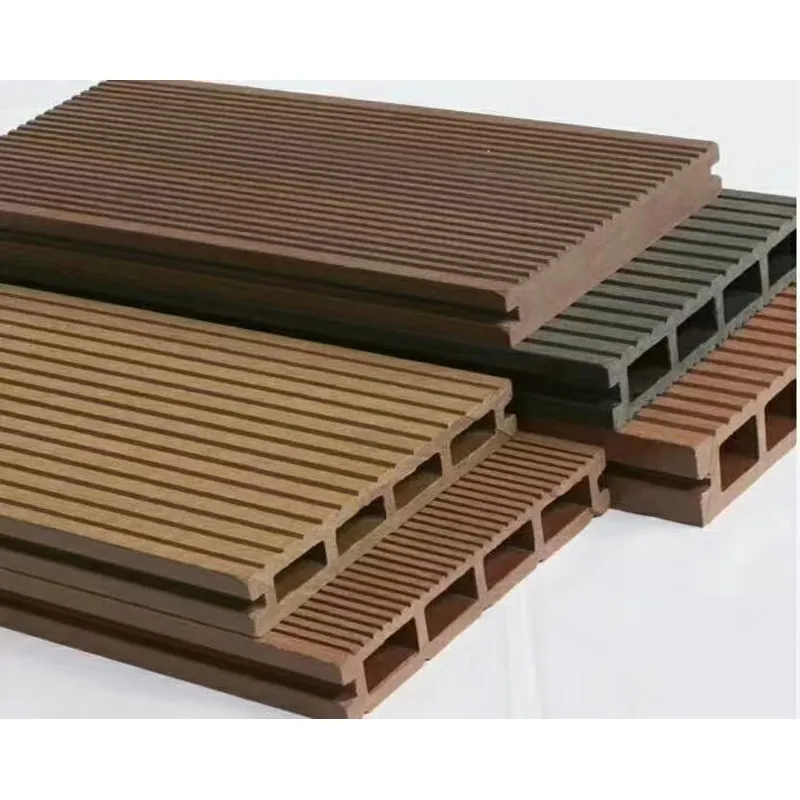
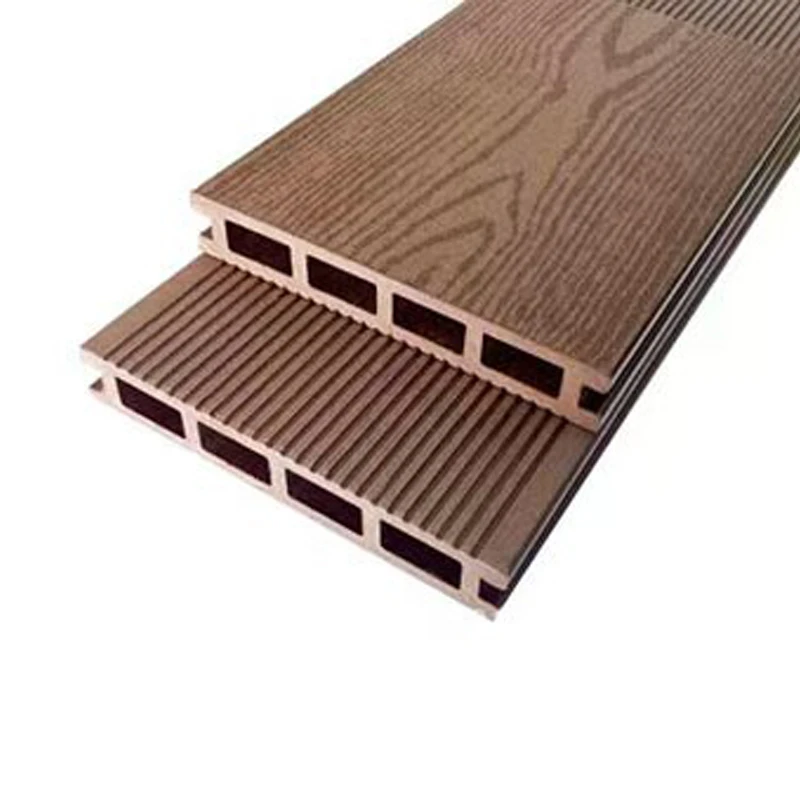
Figure 3: Range of PVC Profiles and Sheets produced by extrusion lines.
The capacity to produce profiles of varying widths, wall thicknesses, and internal geometries makes these lines highly adaptable. For instance, a single line might be reconfigured to produce pvc window profile extrusion line one day and then switch to creating robust profiles for outdoor decking, highlighting the inherent flexibility and return on investment.
Technical Advantages and Performance Metrics
Modern PVC profile production line systems offer significant technical advantages, enhancing both production efficiency and product quality:
- High Output & Efficiency: Advanced twin-screw extruders are designed for high throughput rates while maintaining melt quality, reducing production cycles, and increasing overall output. Energy-efficient motors and optimized heating zones minimize operational costs.
- Precision & Consistency: PLC-based control systems ensure precise temperature regulation, screw speed control, and haul-off synchronization, leading to profiles with tight dimensional tolerances and consistent surface finishes. Closed-loop feedback systems continuously monitor critical parameters.
- Durability & Reliability: Components are engineered with robust materials (e.g., nitrided alloy steel screws and barrels, hardened gears) to withstand continuous operation and abrasive PVC compounds, leading to extended service life and reduced maintenance.
- Versatility & Adaptability: Quick-change die systems and modular line designs allow for rapid transitions between different profile types, maximizing production flexibility. This includes capabilities for co-extrusion, allowing multiple materials (e.g., rigid PVC core with soft PVC seal) to be extruded simultaneously.
- Reduced Waste: Optimized process control and material feeding systems minimize scrap rates, contributing to a more sustainable and cost-effective operation. The ability to re-feed clean scrap back into the process further enhances material utilization.
- Enhanced Safety: Modern lines incorporate comprehensive safety features, including emergency stops, interlocks, and protective guarding, complying with international safety standards.
These advantages directly translate into lower per-unit production costs, higher product quality, and greater competitive edge in the market.
Vendor Comparison: PVC vs. Aluminium Extrusion Lines
While both PVC and aluminium extrusion line technologies serve the profile market, they cater to different material properties and application requirements. Understanding their distinctions is crucial for strategic investment.
Comparison Table: PVC vs. Aluminium Extrusion Lines
| Feature | PVC Profile Extrusion Line | Aluminium Extrusion Line |
|---|---|---|
| Material Processed | PVC compound (thermoplastic) | Aluminium billets (metal alloy) |
| Extruder Type | Twin-screw (conical or parallel) | Single-screw (ram or direct drive) |
| Processing Temperature | 160-200°C | 450-500°C |
| Cooling Mechanism | Vacuum calibration & water baths | Air or water quench |
| Typical Applications | Window/door frames, wall panels, decking, pipes, cable conduits. | Structural components, automotive parts, heat sinks, architectural elements. |
| Primary Advantages | Excellent thermal/acoustic insulation, corrosion resistance, low maintenance, cost-effective. | High strength-to-weight ratio, excellent conductivity, aesthetic appeal, recyclable. |
| Energy Consumption | Generally lower due to lower processing temperatures. | Higher due to high melting points of metals. |
This comparison highlights that while both technologies are vital for their respective materials, PVC extrusion lines are optimized for complex, multi-functional profiles requiring superior insulation and chemical resistance, often at a lower material and energy cost per unit volume.
Customized Solutions and Partner Clients
Recognizing that no two manufacturing operations are identical, leading suppliers of pvc profile production line offer extensive customization options. These bespoke solutions are designed to meet specific production volumes, profile geometries, material requirements, and budget constraints.
- Tailored Extruder Configuration: Selecting the optimal screw geometry and motor power based on the PVC compound formulation and desired output.
- Custom Die Design & Fabrication: Engineering and manufacturing custom dies to produce unique profile shapes, multi-cavity dies for high-volume standard profiles, or co-extrusion dies for multi-material products.
- Downstream Equipment Customization: Adjusting calibration tank lengths, haul-off configurations (e.g., number of belts/caterpillars), cutting systems (e.g., inline punching/drilling), and stacking solutions to match specific profile dimensions and handling needs.
- Automation Integration: Implementing advanced PLC/HMI control systems with remote monitoring capabilities, data logging, and integration with existing factory automation.
- Ancillary Equipment: Providing integrated solutions including material handling systems (silos, conveying), chillers, air compressors, and scrap recycling units.
With over 20 years of dedicated service in the extrusion machinery sector, our company has proudly partnered with numerous industry leaders globally. Our commitment to excellence is underpinned by certifications such as ISO 9001:2015, ensuring consistent quality and adherence to international management standards. This authoritativeness is reflected in our extensive client portfolio, including major manufacturers in construction and infrastructure across Europe, Asia, and North America. Our systems are often CE certified, confirming compliance with European health, safety, and environmental protection standards.
Application Case Studies: Real-World Success
These case studies illustrate the tangible benefits derived from investing in advanced PVC profile extrusion technology.
Case Study 1: High-Volume Window Profile Production
A major European window manufacturer sought to increase their output of multi-chamber PVC window profiles while maintaining stringent thermal performance standards. They invested in a customized pvc profile production line featuring a high-output conical twin-screw extruder (92/188mm, 600 kg/hr capacity), a specialized multi-cavity die, and an 8-meter vacuum calibration system. Post-installation, the client reported a 30% increase in daily production volume and a 15% reduction in energy consumption per kilogram of output, exceeding their KPIs. The precision of the line also led to a 5% reduction in material waste due to improved dimensional stability.
Case Study 2: Innovative Outdoor Decking Profiles
An Asian building materials firm required a flexible extrusion line to produce large, robust, and weather-resistant hollow decking profiles. Their previous equipment struggled with throughput and maintaining consistent wall thickness. We supplied a heavy-duty parallel twin-screw extruder line with a specialized die for large hollow profiles and an extended, robust haul-off unit capable of handling wide profiles. This setup enabled them to produce profiles up to 300mm wide with excellent surface finish and structural integrity. Customer feedback confirmed superior product quality and a significant reduction in post-production processing time due to the improved dimensional accuracy.
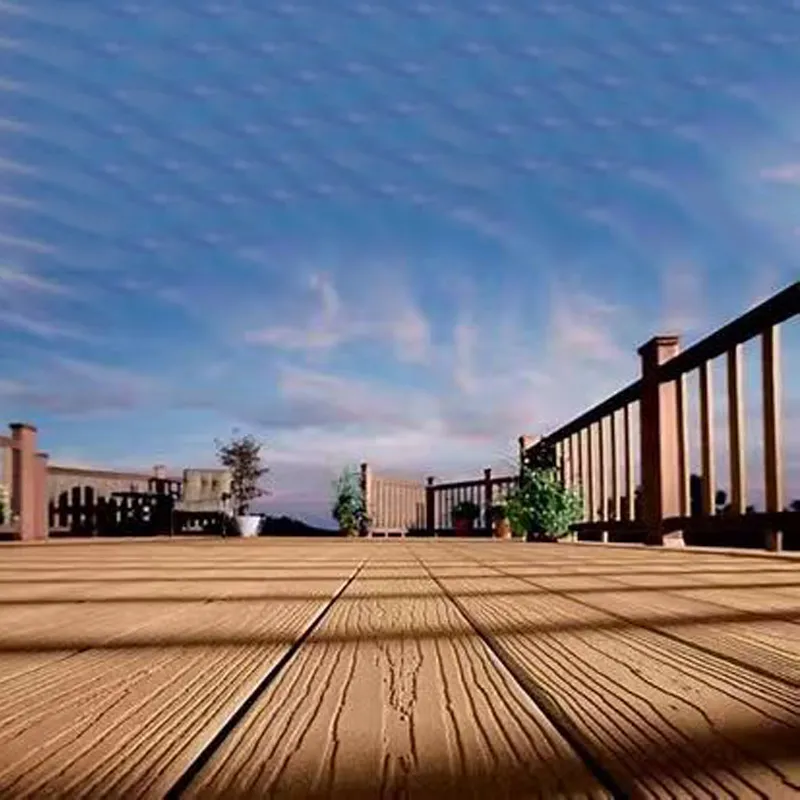
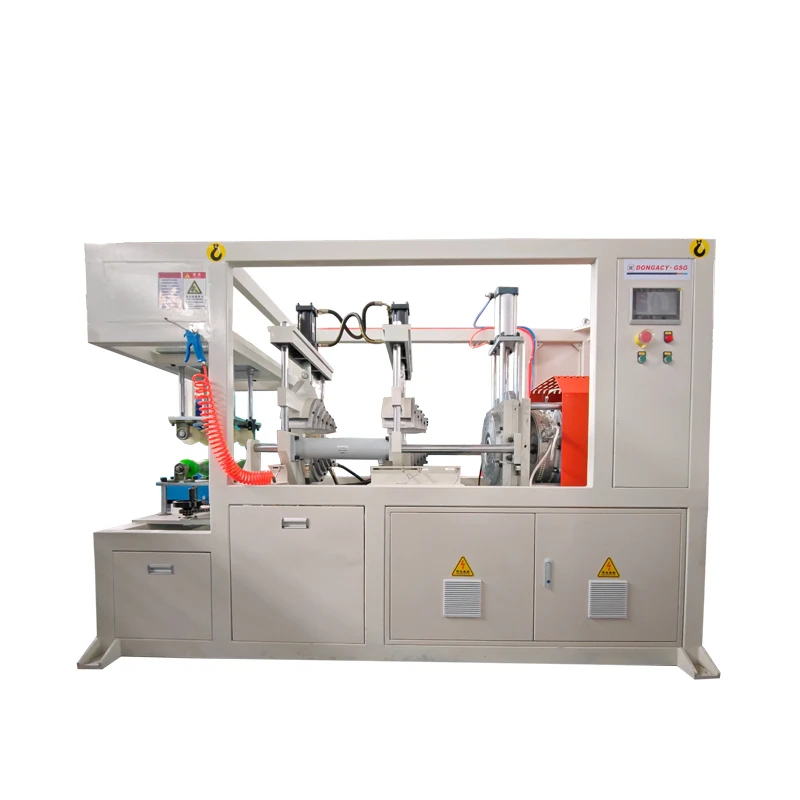
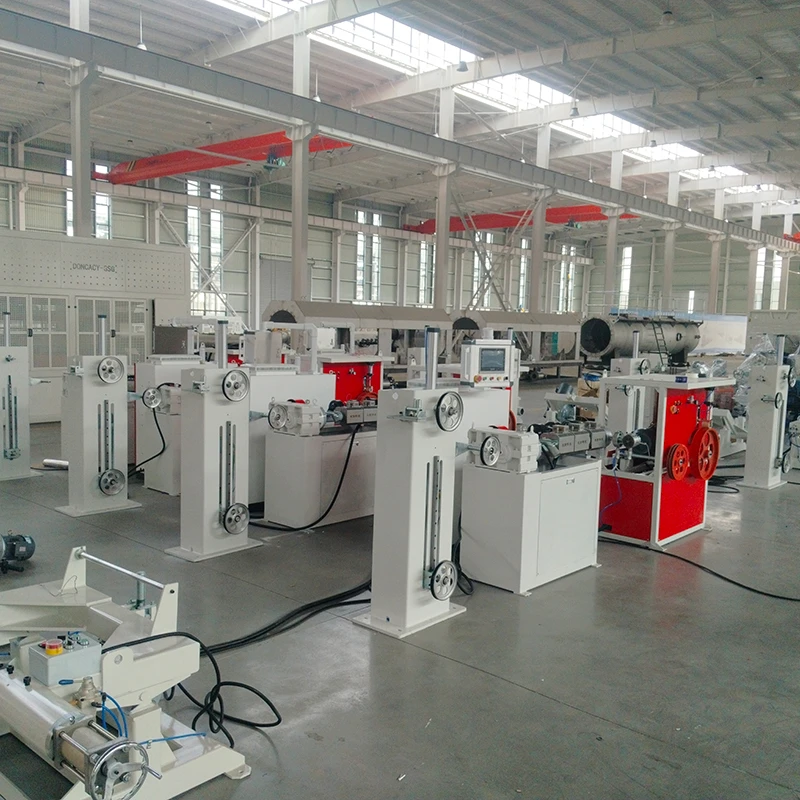
Figure 4: A full-scale PVC Profile Production Line in operation.
Trustworthiness & Customer Support
Frequently Asked Questions (FAQ)
Q1: What is the typical lead time for a custom PVC profile production line?
A1: Lead times vary depending on the level of customization and current production schedule, but generally range from 60 to 120 working days from order confirmation to shipment. We provide a detailed project timeline upon order placement.
Q2: What kind of warranty do you offer on your extrusion lines?
A2: We offer a standard 12-month warranty on all mechanical and electrical components from the date of final commissioning or 18 months from shipment, whichever comes first. Extended warranty options are available.
Q3: Do you provide installation and training services?
A3: Yes, our experienced engineers provide comprehensive on-site installation, commissioning, and operational training for your technical team to ensure optimal performance and smooth transition.
Q4: What are the after-sales support options?
A4: We offer extensive after-sales support including remote troubleshooting, spare parts supply, and on-site technical assistance. Our dedicated support team is available to ensure minimal downtime and continuous operation.
Lead Time & Fulfillment
Our streamlined manufacturing process and robust supply chain allow for efficient order fulfillment. Standard configurations typically have a shorter lead time of 45-75 days. Complex custom projects undergo detailed planning and engineering phases to ensure precise execution, with lead times communicated transparently upfront.
Warranty Commitments
Our commitment to quality extends beyond delivery. In addition to the standard warranty, critical components may carry manufacturer-specific extended warranties. We guarantee rapid response for any warranty claims, ensuring minimal disruption to your production schedule.
Customer Support Information
Our global support network provides peace of mind. For technical inquiries, spare parts requests, or emergency assistance, please contact our dedicated support team via phone, email, or our online portal. We are committed to fostering long-term partnerships through reliable products and unparalleled service.
References
- Harper, C. A. (2000). Modern Plastics Handbook. McGraw-Hill.
- Rosato, D. V., & Rosato, D. V. (2000). Plastic Extrusion Technology Handbook (3rd ed.). William Andrew Inc.
- European Committee for Standardization. EN Standards for Plastics Piping Systems.
- International Organization for Standardization. ISO 9001:2015 Quality management systems.
-
High Efficiency PE Extrusion Line Guide for Plastic ManufacturingNewsApr.16,2026
-
Guide to Choosing High Efficiency ppr pipe extrusion machineNewsApr.09,2026
-
Comprehensive Guide to Modern Pipe Production Line Technologies and OptimizationNewsApr.07,2026
-
Choosing the Right Extrusion Pipe Machine for Optimal Plastic Pipe ProductionNewsApr.04,2026
-
Comprehensive Guide to PPR Pipe Extrusion Line Technology and ApplicationsNewsMar.31,2026
-
Understanding the Functionality and Applications of a Pipe Extruder SystemNewsMar.28,2026
-
Comprehensive Guide to Pipe Extrusion Machine Technology and ApplicationsNewsMar.26,2026


