
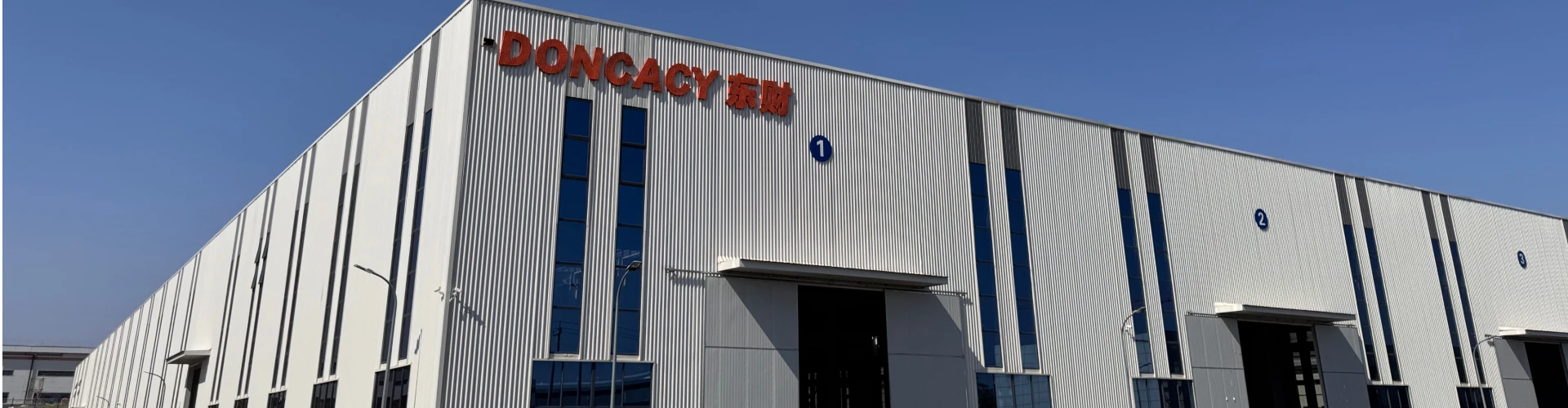
Understanding PVC Pelletizing Extrusion Lines: A Modern Manufacturing Essential
At first blush, the term pvc pelletizing extrusion line might sound like jargon reserved for industry insiders. But behind the scenes, this technology quietly powers the production of countless everyday plastic items we depend on — everything from pipes to cable insulation, medical tubing to window frames. Grasping what this line is and why it matters unlocks a deeper appreciation of manufacturing's silent workhorses that shape infrastructure globally. Plus, knowing about PVC pelletizing extrusion lines is key to spotting efficiency gains, environmental benefits, and even humanitarian impacts spanning continents.
A quick snapshot: why this matters globally
PVC, or polyvinyl chloride, accounts for roughly 20% of the world’s plastic consumption according to recent ISO data, making it one of the most prevalent polymers in industrial and consumer use. The extrusion process and pelletizing line refine raw materials into manageable pellets, an essential stage before molding or further processing. These pellets impact transport footprint, ease of use, and product quality — all factors with economic and environmental ripple effects worldwide.
Global Context: PVC Pelletizing Extrusion Lines and Industry Trends
The importance of PVC pelletizing extrusion lines has grown alongside urbanization, infrastructure projects, and increasing plastic demand. According to the World Bank, emerging markets are driving infrastructure expansion, pushing manufacturers to boost capacity and improve plastic material quality. Yet they face pressure to optimize energy use and reduce waste. Here, extrusion lines tuned for pelletizing do more than just convert materials; they align with sustainable development goals by minimizing scrap and maximizing throughput.
Still, challenges persist — energy consumption in extrusion processes can be high, and fluctuating raw material quality demands flexible equipment designs. This tension highlights why advanced PVC pelletizing extrusion lines remain a hot research and investment focus. Modernizing these lines can potentially lower environmental impact while keeping pace with industrial demand.
Defining a PVC Pelletizing Extrusion Line
Simply put, a pvc pelletizing extrusion line is a manufacturing setup that melts raw PVC resin, extrudes it into a shape (like strands), and chops these strands into uniform pellets. These pellets are then easier to handle, transport, and feed into downstream processes like injection molding or pipe forming.
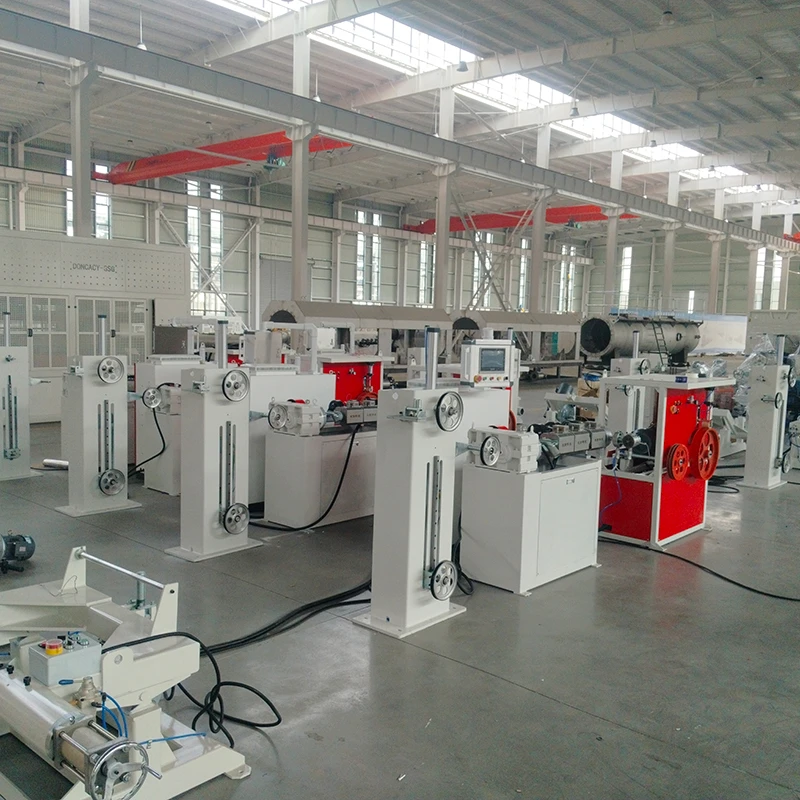
The line typically includes raw material feeders, extruders, cooling baths or air coolers, pelletizers, and conveyors. Together, they transform powdery resin or compounded PVC into clean, dry pellets that ensure consistent quality. This is crucial not just for industry but also for social sectors relying on PVC for safe water pipes, medical equipment, or housing materials.
Core Components and Key Factors of PVC Pelletizing Extrusion Lines
1. Durability and Material Handling
Robust construction is essential given PVC’s abrasive nature. Screw and barrel wear resistance, along with corrosion-resistant components, directly affect uptime. Plus, flexible handling systems allow varying input qualities, which is a real-world necessity.
2. Scalability and Production Capacity
Lines must suit both small batch plants and massive manufacturing hubs producing tons daily. Modular designs that allow capacity flexibility are becoming the standard to adapt to fluctuating demands without heavy reinvestments.
3. Energy Efficiency
Extrusion and pelletizing consume significant power. Innovations like variable frequency drives (VFDs), heat recovery systems, and coaxial extruders are improving energy profiles — a critical factor as global regulations tighten.
4. Pellet Quality and Consistency
Uniform pellet size ensures smooth downstream processing. Precision cutting mechanisms and real-time monitoring help reduce fines and agglomerates, avoiding production hiccups later.
5. Integration and Automation
Modern PVC pelletizing extrusion lines increasingly integrate digital controls, from process data logging to remote diagnostics. Automated cleaning and changeover reduce downtime, particularly important for batch diversification.
Mini takeaway:
In real terms, choosing or designing a PVC pelletizing extrusion line is a trade-off between rugged reliability and cutting-edge technology — and getting that balance right affects cost, quality, and sustainability.
Worldwide Applications: How PVC Pelletizing Extrusion Lines Make a Difference
These extrusion lines appear behind the scenes in regions as diverse as Southeast Asia’s booming construction sector, Europe’s sophisticated medical plastics industry, and Latin America’s expanding infrastructure projects. For example:
- Disaster relief operations: Compact lines produce durable PVC pellets used in rapid-deployment shelters and clean water piping.
- Remote industrial zones: On-site pelletizing saves transport costs by enabling raw PVC purchase rather than bulky finished products.
- Large urban projects: High-capacity lines feed into massive pipe extrusion units, supporting municipal water and sewage systems.
Manufacturers often incorporate customized cooling and pelletizing equipment to meet specific geographic or regulatory requirements — especially where sustainability concerns are in the spotlight.
The Advantages and Long-Term Value of Investing in PVC Pelletizing Extrusion Lines
In a nutshell, modern extrusion lines deliver improved yield, reduced waste, and higher product uniformity. These translate into direct cost savings — less resin lost to dust or chunk formation, lower maintenance, and better final product performance.
There's also an environmental upshot: pelletizing reduces transportation weight and volume, its benefits stacking up in carbon footprint calculations. In humanitarian contexts, pelletizing enables fast, reliable production of water pipes and shelter components with lasting safety implications. Frankly, it’s one of those quiet revolutions — the kind that can save both money and lives.
Future Trends & Innovations Shaping the Industry
Looking ahead, expect extrusion lines to incorporate greener materials, such as bio-based PVC compounds. Automation and Industry 4.0 principles will become integral, enabling real-time quality control and predictive maintenance.
Digital twins of extrusion lines allow virtual simulations before physical runs, optimizing settings and reducing costly trial-and-error. Electrification of heating systems and smart energy management keep pushing down the environmental footprint.
Oddly enough, the humble pelletizer itself continues evolving — from water-ring to underwater pelletizing, and even laser cutting methods. These advances hint at how much untapped potential remains.
Challenges That Still Need Addressing
Despite progress, challenges like raw material variability, scaling up without cost spikes, and regulatory compliance persist. Some field operators report difficulties achieving consistent pellet quality amidst fluctuating resin batches.
Innovative solutions include real-time inline sensors for moisture and size, adaptive screw designs, and modular upgrades that retrofit older lines with digital controls. Frankly, the industry seems to be in a sweet spot between legacy processes and disruptive innovation.
FAQ: Your Top Questions About PVC Pelletizing Extrusion Lines
- What exactly does a pvc pelletizing extrusion line produce, and why is pelletizing necessary?
- PVC extrusion lines produce pellets—small, uniform plastic pieces—which serve as intermediate raw material for further manufacturing steps like molding or pipe extrusion. Pelletizing makes handling, transport, and downstream processing easier and more consistent.
- How energy-intensive is a typical PVC pelletizing extrusion line?
- Energy consumption varies with capacity and technology but generally accounts for a significant percentage of plastic manufacturing energy use. Modern lines focus on energy efficiency through VFDs and heat recovery, reducing costs and environmental impact.
- Can PVC pelletizing lines handle recycled materials?
- Yes, many extruders are designed or adapted to process recycled PVC resin, though consistent feeding and quality control become more challenging. Advanced filtration and compounding equipment help maintain pellet quality.
- What maintenance should be expected on these lines?
- Regular inspection of screw and barrel wear, cutting knives, and cooling systems is needed. Automated cleaning systems reduce manual labor, but skilled operators should monitor line parameters to prevent issues.
- Where can businesses find reliable suppliers of pvc pelletizing extrusion lines?
- It’s best to compare vendors based on technology, after-sales support, and energy efficiency. Many manufacturers offer customizable systems to suit specific regional needs—and checking certifications like ISO can help ensure quality.
Product Specification Table
| Specification | Value / Range |
|---|---|
| Output Capacity | 300 - 2500 kg/hr |
| Extruder Type | Single or Twin Screw |
| Pelletizing Method | Water Ring / Underwater / Strand |
| Cooling Type | Water Bath or Air Cooling |
| Power Supply | 380V/50Hz or custom |
| Control System | PLC with HMI & remote monitoring |
Vendor Comparison Table
| Vendor | Product Range | Energy Efficiency | After-Sales Support | Customization Options |
|---|---|---|---|---|
| LineTech Plastics | 300-2000 kg/hr | High (VFD + heat recovery) | 24/7 support with spare parts | Full line modular options |
| EcoPoly Solutions | 500-2500 kg/hr | Moderate | In-house engineering team | Focus on recycled materials |
| Global Extrude Corp. | 200-1800 kg/hr | Standard efficiency | Regional partners for faster response | Pre-engineered solutions |
Wrapping Up and Next Steps
To sum it up, investing in a high-quality pvc pelletizing extrusion line is more than buying a machine; it’s about enhancing operational efficiency, reducing waste, and supporting sustainability goals while enabling industries to meet rising global demand. The right line can power innovations from safe drinking water systems in developing countries to eco-friendly building supplies in mature markets.
If you’re looking to explore solutions that fit your scale and goals or want to dive deeper into how these lines can transform your production, visit our site at https://www.ahdc11.com.
Final thoughts
Sometimes it feels like manufacturing tech advances too quietly compared to the flashy sectors, but technologies like PVC pelletizing extrusion lines quietly underpin the goods and infrastructure millions rely upon. Knowing about these helps us appreciate the complex dance behind every plastic product — and that’s kind of fascinating, no?
References
-
High Efficiency PE Extrusion Line Guide for Plastic ManufacturingNewsApr.16,2026
-
High Speed Steel Wire Mesh HDPE Composite Pipe Production Line - Anhui Dongchai|High Automation&Energy EfficiencyNewsApr.13,2026
-
High Speed Steel Wire Mesh HDPE Composite Pipe Production Line - Anhui Dongchai|High Automation&Energy EfficiencyNewsApr.13,2026
-
Guide to Choosing High Efficiency ppr pipe extrusion machineNewsApr.09,2026
-
Comprehensive Guide to Modern Pipe Production Line Technologies and OptimizationNewsApr.07,2026
-
Choosing the Right Extrusion Pipe Machine for Optimal Plastic Pipe ProductionNewsApr.04,2026
-
Comprehensive Guide to PPR Pipe Extrusion Line Technology and ApplicationsNewsMar.31,2026


