
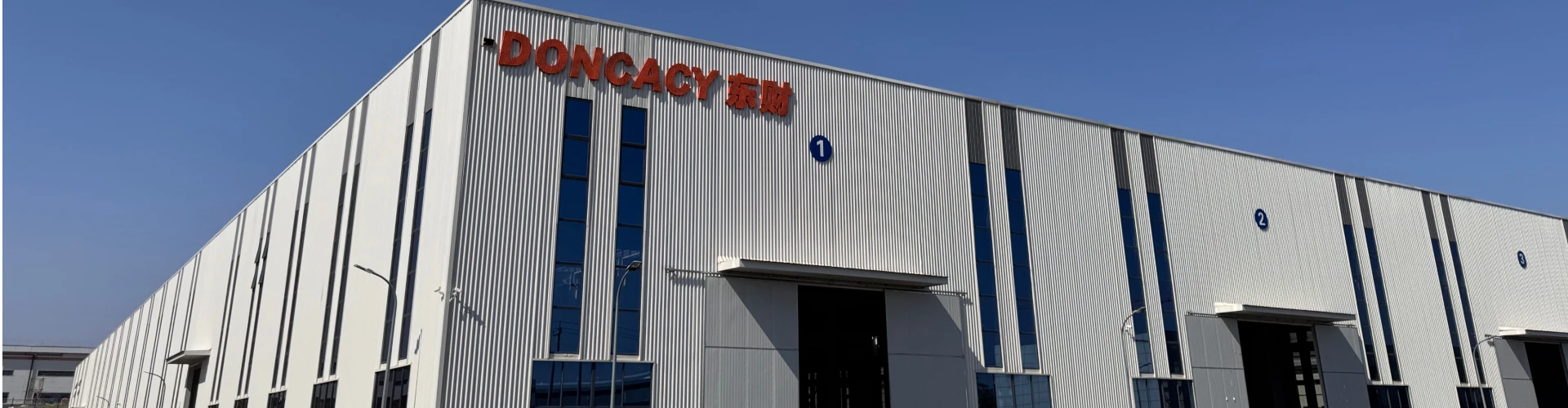
Understanding the PVC Medical Tube Production Line: An Essential Component of Modern Healthcare
If you’ve ever paused to think about those tiny but vital PVC medical tubes that deliver life-saving fluids or air in hospitals, you’re touching on a marvel of manufacturing. The pvc medical tube production line is that behind-the-scenes hero, making these flexible, reliable tubes at scale, ensuring they meet strict health standards. It’s a global industry cornerstone, bridging advanced materials science with the urgent needs of healthcare systems around the world—especially now when medical supply reliability can literally mean the difference between life and death.
Understanding how these production lines work is more than just a technical curiosity. It’s about appreciating how industries solve complex problems—scalability, quality control, hygiene—and how innovations here ripple out into the global health sector.
Global Context: Why PVC Medical Tube Production Lines Matter More Than Ever
Globally, the medical device manufacturing market is projected to reach over $600 billion by 2027 (source: WHO, ISO). PVC medical tubes comprise a significant fraction of consumables in clinical care, from dialysis and IV sets to respiratory devices. But here’s the kicker: during pandemics, disasters, or remote-area healthcare challenges, a robust, efficient pvc medical tube production line ensures there’s no shortage. That’s not trivial.
Many countries, especially those in emerging markets, struggle with supply chain bottlenecks. These production lines often represent localized industrial strength—reducing dependence on imports and improving healthcare resilience. Challenges lie in maintaining quality compliance (ISO 13485) while scaling output sustainably and cost-effectively.
The PVC Medical Tube Production Line Decoded
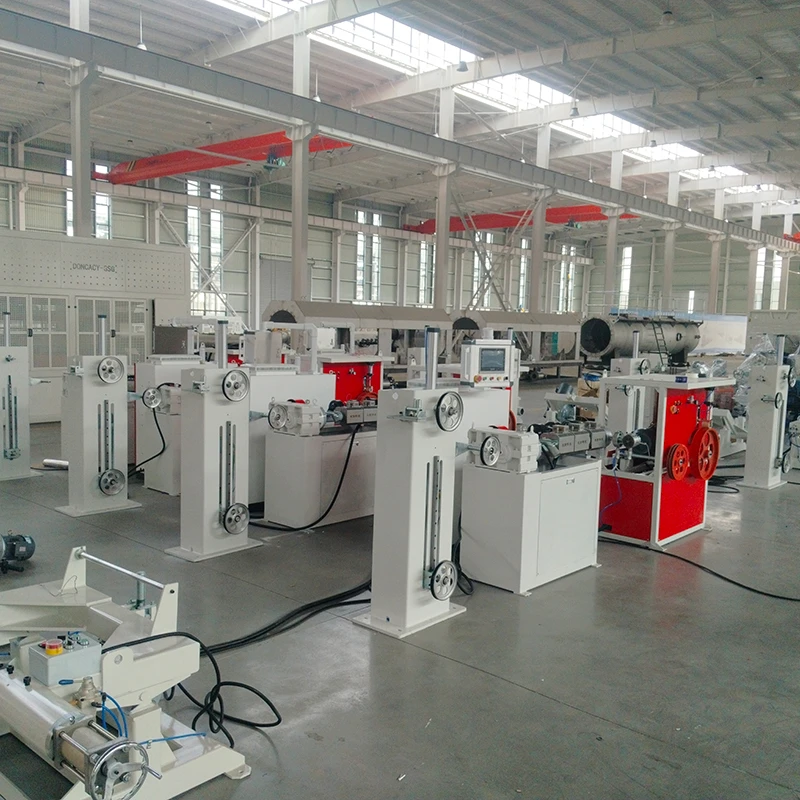
So what exactly is a pvc medical tube production line? In simple terms, it’s an integrated manufacturing process designed to extrude, cool, size, and finish medical-grade PVC tubes. These tubes must be biocompatible, flexible, and absolutely clean—no compromise. The production line often includes extrusion machines, calibration tanks, haul-off systems, cutting and packaging units—all carefully synchronized.
Think of it like the heart of a factory that turns raw PVC resin into dependable medical tubing that then enters hospitals worldwide, serving critical roles.
Core Components & Key Factors
1. Precision Extrusion Technology
The extrusion process shapes heated PVC resin into tubes. Precision is vital here—diameter, wall thickness, smoothness. Many engineers swear by modern screw designs that allow better melting uniformity and fewer impurities.
2. Hygienic & Sterile Handling
Given the tubes’ medical use, maintaining stringent cleanliness during production is a must. Production lines employ cleanroom environments or at least sanitary setups. Some even integrate inline sterilization.
3. Scalability & Automation
From small batch testing to hundreds of meters per minute, scalable output helps producers meet fluctuating demand, especially during health crises. Automation reduces human error and speeds up inspection.
4. Quality Control & Testing
Inline sensors and manual spot checks ensure tubes conform to standards (ISO 13485, FDA 21 CFR). Tests for dimensional accuracy, tensile strength, and chemical stability are staples.
5. Cost Efficiency and Material Optimization
Producers continuously tweak formulations to reduce PVC use without compromising quality. Cost is everything in such a competitive space.
6. Environmental Considerations
Recycling scrap PVC and minimizing emissions are becoming more pronounced goals, part of a global sustainability push.
In essence, the production line balances technology, hygiene, and economics—it’s an art wrapped in science.
Worldwide Applications: Saving Lives, One Tube at a Time
Across continents, pvc medical tube production lines serve a broad spectrum of sectors. In Europe and North America, hospitals demand high-grade tubes for intensive care units and chronic disease treatment devices.
Interestingly, in Asia-Pacific, rapid industrialization and expanding healthcare infrastructure drive demand growth. Countries like India and China invest heavily in localized production to secure supply chains.
And then there’s humanitarian aid. For instance, NGOs running post-disaster healthcare camps in Southeast Asia rely on these tubes for IV fluids and respiratory therapy kits. Similarly, remote industrial zones—think mining operations or offshore rigs—source durable and flexible tubes manufactured via sophisticated PVC production lines to support onsite medical facilities.
Product Specification Table
| Specification | Typical Range / Value |
|---|---|
| Tube Outer Diameter | 1mm – 12mm |
| Wall Thickness | 0.2mm – 2mm |
| Maximum Extrusion Speed | 30m/min |
| Material Grade | Medical PVC, ISO 10993 biocompatible |
| Operating Temperature Range | 0°C to 60°C |
| Sterilization Compatibility | Ethylene oxide, Gamma irradiation |
Why Invest in Such a Production Line? The Advantages & Long-Term Value
Frankly, the benefits boil down to reliability and efficiency. Hospitals and clinics get tubes that won’t crack, leak or cause reactions. For manufacturers, these lines can produce huge volumes while cutting waste and energy use.
- Cost-effective Production: Rationalized processes mean lower per-unit costs, crucial for large-scale medical supply.
- Safety & Compliance: Meeting rigid standards builds trust among healthcare providers and regulators.
- Sustainability: Recycling and cleaner tech lower environmental impact.
- Innovation: Emerging materials and automation elevate product consistency and introduce new use cases.
On a deeper level, think about social impact. High-quality PVC medical tubes contribute to patient dignity by enabling less invasive, more comfortable procedures. The whole industry, in a way, stands for human-centered innovation.
Vendor Comparison: Finding the Right Production Line Partner
| Vendor | Extrusion Technology | Automation Level | Price Range | After-Sales Support |
|---|---|---|---|---|
| MedTube Systems | Twin-Screw Extrusion | Full Automation | $$$ | 24/7 Online & Onsite |
| PVC TubeTech | Single-Screw Extrusion | Semi-Automation | $$ | Weekdays Only Support |
| HealthLine Equipments | Custom Extrusion | Manual to Automation | $ - $$$$ (varies) | Tailored Packages |
Future Trends & Innovations in PVC Medical Tube Production
We’re at an interesting crossroads. Automation continues to embed itself deeper into the manufacturing line—think AI-enabled defect detection, real-time quality adjustments, digital twins for process simulation. Also, greener materials are creeping in. Though PVC is prevalent for its oxygen barrier, durability, and cost, research into biodegradable alternatives is heating up.
Moreover, energy-efficient extrusion technologies and waste recycling systems are gaining traction—pretty much a necessity given the global environmental pressures. Digital transformation means manufacturers can remotely monitor entire production lines worldwide, tweaking outputs dynamically to meet demand shifts.
Common Challenges & Smart Solutions
Despite all the tech, challenges remain:
- Material Variability: Inconsistent PVC resin quality can cause defects. Solution? Sourcing from certified suppliers and inline quality monitoring.
- Hygiene Maintenance: Contamination risks require cleanroom-level controls. Many producers invest in modular clean zones and sterilization integration.
- Cost Management: Balancing quality and cost is always tricky. Emerging additive technologies can optimize material usage.
- Technology Adoption: Smaller producers find automation investments daunting. Leasing options and modular lines ease entry.
FAQ: Practical Answers to PVC Medical Tube Production Line Questions
- Q1: How do pvc medical tube production lines maintain sterility during manufacturing?
- A1: Most lines operate within controlled clean environments, combining physical barriers, HEPA filtration, and sometimes inline sterilization methods such as ultraviolet treatment. Operators follow strict protocols to minimize contamination risk.
- Q2: What quality standards should PVC medical tubes meet?
- A2: Typically, tubes must comply with ISO 13485 and ISO 10993 for biocompatibility, as well as FDA regulations for medical devices. This ensures safety for patient use.
- Q3: Can production lines handle custom tube sizes or specialized formulations?
- A3: Yes, most modern extrusion lines offer flexibility for diameter, wall thickness, and material blends, enabling manufacturers to tailor products for specific applications.
- Q4: How long does it take to set up a new pvc medical tube production line?
- A4: Installation and commissioning typically range from 3 to 6 months depending on complexity, supplier responsiveness, and cleanroom requirements.
- Q5: Are these production lines energy-intensive?
- A5: Extrusion processes require significant power; however, newer lines focus on energy recovery and efficient heating systems to reduce consumption substantially.
Wrapping It Up: The Long Haul of PVC Medical Tube Production
The pvc medical tube production line may not make headlines, but it quietly underpins countless lifesaving medical procedures worldwide. Its blend of precision engineering, quality assurance, and global applicability paints a picture of an industry both mature and innovating. With ongoing advances bolstering sustainability and automation, the future looks promising — ensuring healthcare providers everywhere can rely on these tubes when it counts most.
Want to dive deeper? Visit our website for detailed solutions and expert support on pvc medical tube production lines.
Mini Takeaways
- The pvc medical tube production line is vital for delivering sterile, reliable medical tubing worldwide.
- Quality control and automation are at the core of modern lines, ensuring patient safety.
- Expanding global demand highlights the importance of localized and scalable production capabilities.
- Future trends include greener materials and digitized, AI-driven manufacturing processes.
References
-
High Efficiency PE Extrusion Line Guide for Plastic ManufacturingNewsApr.16,2026
-
High Speed Steel Wire Mesh HDPE Composite Pipe Production Line - Anhui Dongchai|High Automation&Energy EfficiencyNewsApr.13,2026
-
High Speed Steel Wire Mesh HDPE Composite Pipe Production Line - Anhui Dongchai|High Automation&Energy EfficiencyNewsApr.13,2026
-
Guide to Choosing High Efficiency ppr pipe extrusion machineNewsApr.09,2026
-
Comprehensive Guide to Modern Pipe Production Line Technologies and OptimizationNewsApr.07,2026
-
Choosing the Right Extrusion Pipe Machine for Optimal Plastic Pipe ProductionNewsApr.04,2026
-
Comprehensive Guide to PPR Pipe Extrusion Line Technology and ApplicationsNewsMar.31,2026


